 English
 Deutsch
 Italia
December 16, 2025
A Month-by-Month Guide to Weather in Serengeti National Park
Introduction
Understanding the weather can make a major difference when planning a safari and A Month-by-Month Guide to Weather in Serengeti National Park helps travelers choose the right time for their interests, comfort and safari plans. The Serengeti experiences changing conditions throughout the year but its generally warm climate and varied rainfall patterns make wildlife viewing possible in every season.
The park experiences distinct wet and dry periods although weather can vary between different areas of the Serengeti. The central Seronera area, northern Serengeti, western corridor and southern plains can experience different rainfall patterns and wildlife conditions during the same month. Elevation also influences temperatures, particularly during early mornings and evenings.
Rather than thinking of the Serengeti as having simply a “good season” and a “bad season,” travelers should understand what each month offers. Dry months can provide easier wildlife viewing through thinner vegetation and animals gathering around water sources. Wet months can transform the plains into green landscapes filled with flowers, young animals, insects and migratory birds.
The weather also influences the Great Migration. Wildebeest, zebras and other grazing animals respond primarily to rainfall, fresh grass and water availability rather than following a fixed calendar. Consequently weather patterns can influence where large herds concentrate during different periods of the year.
Whether you want to photograph dramatic thunderstorms, witness calving season, search for predators, experience the Great Migration or enjoy classic dry-season game viewing understanding the weather month by month can help you build a more suitable Serengeti safari itinerary.
Serengeti National Park Weather at a Glance
The Serengeti has a relatively warm climate throughout the year but rainfall creates important seasonal changes.
The park generally experiences a longer wet period and a longer dry period with additional short rains. Tanzania National Parks describes the Serengeti as having a subtropical climate with rainfall concentrated from around November to April and a drier period from May to October. It also reports annual rainfall of approximately 900 to 1,000 mm although rainfall varies considerably across the ecosystem.
Temperatures remain comfortable compared with many hotter lowland African destinations because much of the Serengeti lies at relatively high elevation. Days can feel warm under direct sunlight while mornings and evenings can feel surprisingly cool.
The weather can also change quickly. A sunny morning can develop clouds and showers later in the day, particularly during the wetter months. Rain does not necessarily last all day and many wet-season showers arrive as short afternoon or evening storms.
This variability makes it important to pack for changing conditions rather than relying on one expected temperature.
January Weather in Serengeti National Park
January usually brings warm conditions and a mixture of sunshine, clouds and occasional rainfall. The southern Serengeti and Ndutu area can become particularly important during this period because the wider ecosystem enters one of its most exciting wildlife phases.
Rainfall helps maintain green vegetation across the plains. Fresh grass attracts large numbers of herbivores creating excellent conditions for wildlife photography and game viewing.
Mornings can feel cool particularly during early game drives, but temperatures usually become warmer as the sun rises. Afternoon conditions can feel hot when the sky remains clear.
January also provides beautiful photographic conditions. Green landscapes contrast strongly with wildlife while clouds can create dramatic backgrounds. Fresh vegetation can make the Serengeti look completely different from the dry-season landscape.
For travelers interested in the Great Migration January can be particularly appealing because herds begin concentrating across the southern plains. Wildlife movements depend on rainfall so exact locations can change from year to year.
Pack lightweight clothing for daytime a warm layer for early mornings and rain protection for occasional showers.
February Weather in Serengeti National Park
February continues the warm and relatively green conditions of the early wet season. The southern Serengeti and Ndutu region often become especially important for travelers interested in the annual wildebeest calving period.
Temperatures can feel warm during the middle of the day while early mornings remain cooler. The combination of green grass, newborn animals and active predators creates excellent opportunities for wildlife observation.
Rainfall remains an important part of the landscape. Even when showers occur they may not prevent safari activities because rain can arrive for relatively short periods before the skies clear again.
February also offers excellent birdwatching conditions. Migratory birds may still be present while resident species become easier to observe against the green vegetation.
Travelers should bring breathable clothing, a light waterproof jacket, comfortable closed shoes, sun protection and a warm layer for early drives.
If your main interest is calving season February can be an especially interesting month to consider, although wildlife movements and calving activity naturally vary from year to year.
March Weather in Serengeti National Park
March marks an important transition toward the wetter part of the year. Rainfall can become more frequent and the Serengeti landscape remains lush and green.
The weather can vary significantly from one day to another. Some days may provide long periods of sunshine with brief showers, while others may experience more persistent cloud cover and rain.
The vegetation becomes particularly vibrant during this period. Flowers, grasses and fresh foliage create colorful landscapes that appeal strongly to photographers.
Wildlife remains abundant and the southern Serengeti can continue attracting large concentrations of grazing animals. Predators also benefit from the abundance of prey.
Road conditions may begin changing as rainfall increases. Some tracks can become muddy especially after heavier storms. Experienced safari operators plan routes according to current conditions and local road accessibility.
Travelers visiting in March should prepare for both warm sunshine and rain. A waterproof layer becomes more useful while quick-drying clothing can improve comfort.
April Weather in Serengeti National Park
April is generally among the wetter months in the Serengeti. Tanzania National Parks identifies March to May as the period associated with heavier rains in the broader Tanzanian climate pattern.
Rainfall can make the landscape exceptionally green. Clouds often create dramatic skies and thunderstorms can produce striking photographic scenes.
Safari conditions can vary considerably during April. Some roads may become muddy or difficult after heavy rain although safari vehicles are designed to handle challenging terrain and guides continuously adjust routes. One major advantage of April is the landscape itself. Travelers who enjoy photography may appreciate the rich colors, dramatic clouds, reflections in temporary pools and lush grasslands.
The number of tourists can also be lower than during the busiest dry-season periods, depending on the area and accommodation.April requires good preparation. Pack waterproof outerwear, quick-drying clothes, comfortable shoes and protective covers for cameras and electronic equipment.
Rain should not automatically discourage a safari. For travelers who enjoy dramatic landscapes and quieter conditions April can provide a very different Serengeti experience.
May: Emerging Dry Season and Wildlife Dynamics
As April concludes in Serengeti National Park, May marks a significant transition period as the region gradually shifts into the dry season. Known for its moderate temperatures and fluctuating weather, this month presents a unique opportunity for wildlife enthusiasts to witness the dynamic interactions of flora and fauna. Rainfall during May can still occur but tends to decrease, and the temperatures begin to stabilize, typically ranging between 15°C (59°F) at night and 25°C (77°F) during the day.
The transitional phase in May profoundly impacts animal behavior and movement within the park. As grasslands start to dry out, herbivores such as wildebeest, zebra, and buffalo begin to migrate toward areas where vegetation is still lush and water sources remain accessible. This migration creates optimal conditions for game viewing, allowing visitors to observe large herds congregating around watering holes and grazing on the remaining green pastures. Predators, too, such as lions and cheetahs, capitalize on this movement, increasing their chances of a successful hunt.
May also provides a fantastic opportunity for birdwatching as migratory species begin to arrive in the region. With the changing weather patterns, various bird species can be spotted, enriching the avian experience for visitors. The park’s diverse ecosystems, from savannas to woodlands, support a multitude of wildlife and observers will appreciate the vibrant interactions between different species during this time.
Moreover, the overall ambiance of the park during May, with its mild temperatures and decreasing rainfall, creates a pleasant atmosphere for exploring the diverse landscapes. Therefore travelers seeking a captivating wildlife experience should consider visiting Serengeti National Park in May, as the diminishing rains pave the way for remarkable adventures and unforgettable encounters with the rich biodiversity of the area.
June: Peak Dry Season Begins
June marks the onset of the dry season in Serengeti National Park, a crucial transition that significantly influences the region’s climate and wildlife activity. During this month visitors can anticipate average daytime temperatures ranging from 25°C to 30°C (77°F to 86°F), providing a comfortable environment for safari excursions. Evening temperatures, however, can drop to around 12°C (54°F) so visitors are advised to bring layers for the cooler nights.
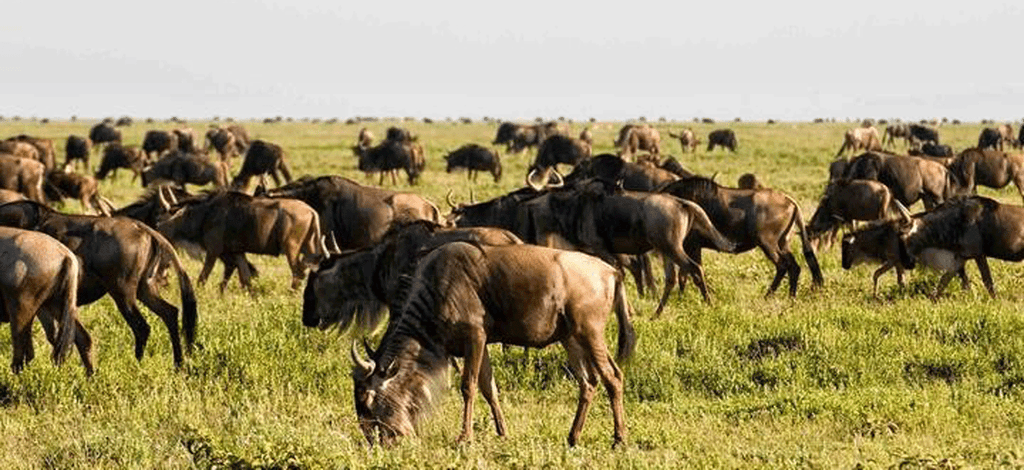
One of the most notable features of June is the minimal rainfall, typically amounting to less than 10mm throughout the month. This lack of precipitation leads to the gradual evaporation of water sources, compelling animals to congregate around the remaining rivers and watering holes. As the landscapes dry out, vegetation becomes sparse, enhancing the visibility of wildlife, making it easier for safari-goers to spot various species. Consequently, the chances of encountering large herds of wildebeest, zebras and elephants increase significantly during this time.
The dry conditions also trigger remarkable wildlife behaviors. Predators, including lions and cheetahs, become more active, taking advantage of the dehydration of prey species. This heightened activity offers visitors unique opportunities for wildlife photography and viewing. Additionally, the clearer skies and bright sunlight enhance the overall safari experience, allowing for breathtaking views and memorable sunset scenes.
Moreover, June serves as an excellent time for birdwatching, with migratory species present and nesting behaviors observable. Overall the dry season, beginning in June provides an unparalleled chance to experience the rich biodiversity and stunning landscapes of the Serengeti, making it a preferred month among wildlife enthusiasts and photographers alike.
July: Safari Season in Full Swing
July marks a significant point in the year for visitors to Serengeti National Park, as it heralds the commencement of the safari season in full swing. During this month the weather is characterized by dry conditions and moderate temperatures, creating an ideal environment for wildlife exploration. Travelers can expect daytime temperatures to range from 20°C to 28°C (68°F to 82°F), making it comfortable for extended excursions.
One of the most remarkable phenomena during July is the great wildebeest migration. As thousands of wildebeests begin their journey towards the northern regions of the Serengeti, they congregate around water sources, offering unparalleled opportunities for wildlife sightings. The dramatic gathering of these majestic creatures attracts a plethora of predators, including lions, cheetahs and hyenas all drawn by the sizable herds. This dynamic ecosystem allows visitors to observe the intricate relationships between the various species as they navigate the challenges of survival.
Moreover, the absence of heavy rainfall during July enhances visibility across the plains, allowing wildlife enthusiasts ample opportunities to capture stunning photographs of the diverse fauna. It is a time when migratory birds are also present as the region serves as a stopover for various species making their way across the continent. As such, birdwatchers will find themselves equally enthralled by the rich avifauna.
In addition to the spectacular wildlife July offers comfortable conditions for camping and lodgings within the park. Whether staying at luxurious lodges or participating in guided camping tours, visitors can relish the experience of being close to nature. Overall, July stands as one of the most captivating months to visit Serengeti National Park, combining favorable weather, incredible wildlife activity, and unforgettable safari experiences.
August: Sustained Dry Conditions and Wildlife Viewing
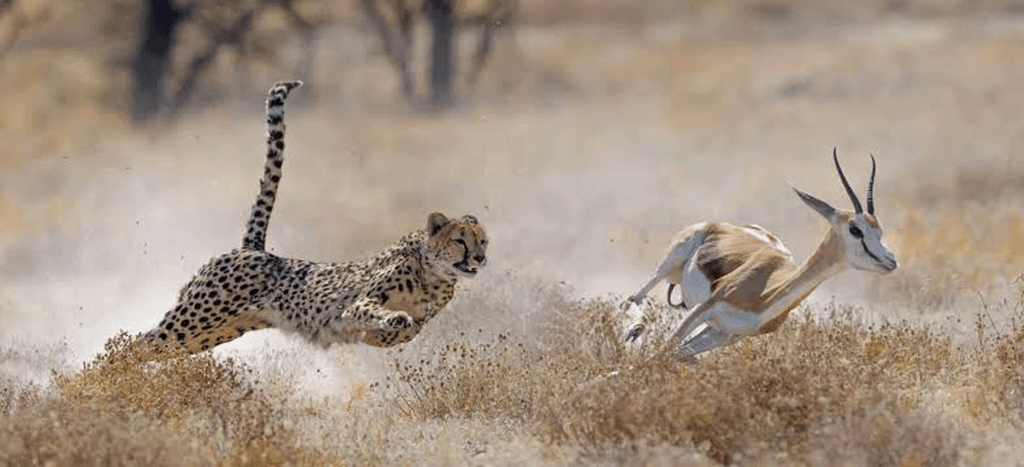
In August, Serengeti National Park experiences one of its driest months, contributing to optimal wildlife viewing opportunities. The weather during this period is predominantly characterized by warm and sunny days, with average temperatures ranging from approximately 10°C (50°F) at night to 28°C (82°F) during the day. The lack of rain often results in clearer skies, allowing for excellent visibility and stunning photographic conditions, particularly during the golden hours of sunrise and sunset.
The dry conditions lead to the depletion of water sources in the park, prompting wildlife to congregate around remaining waterholes and riverbanks. This natural behavior facilitates outstanding game viewing as visitors can observe various species, including elephants, lions, and wildebeests, much more easily than in wetter months. Moreover, August is a crucial time in the Great Migration, as large herds of wildebeests and zebras move towards the northern regions in search of greener pastures, providing an unforgettable spectacle.
For optimal photography, early mornings or late afternoons are highly recommended, as this is when animals are most active and the lighting is ideal. Additionally, employing a quiet and respectful approach during wildlife encounters is important to ensure minimal disturbance to the animals. Visitors should also consider using binoculars for closer inspection, thus enhancing their safari experience.
Ultimately, August not only offers favorable weather conditions for exploring the beauty of Serengeti National Park but also presents a myriad of opportunities to engage with its diverse wildlife. Adhering to ethical guidelines and being mindful of the natural environment can significantly enrich the overall safari adventure.
September Weather in Serengeti National Park
September remains predominantly dry in the Serengeti. Days can feel warm, while mornings and nights remain cooler. The landscape often becomes increasingly dry as the month progresses. Wildlife may concentrate more around dependable water sources, improving opportunities to observe animals. Northern Serengeti can continue experiencing Great Migration activity, depending on the movement of the herds.
September can also provide excellent conditions for photographers because dry landscapes create strong contrasts between golden grasslands and wildlife. The lack of frequent rain can make road travel easier. However, dusty conditions can occur on busy tracks. Bring lightweight clothing, a warm layer, sunglasses, sunscreen and protection for cameras.
If you prefer warm daytime conditions without the frequent rainfall associated with wetter months, September can fit well into a safari itinerary.
October Weather in Serengeti National Park
October usually marks a transition from the dry season toward the short rains. Early October can still feel predominantly dry with warm days and relatively cool mornings. As the month progresses, clouds and rainfall may become more noticeable. The first rains can dramatically change the appearance of the Serengeti. Dusty grasslands may begin turning greener and wildlife responds to renewed water and vegetation.
Short showers can create beautiful photographic opportunities particularly when sunlight returns shortly after rainfall. October is also useful for travelers who want a balance between relatively dry safari conditions and the beginning of seasonal change.
Pack lightweight clothing and a waterproof layer. Because showers may be unpredictable keeping rain protection easily accessible is preferable to storing it deep inside your luggage.
November Weather in Serengeti National Park
November is associated with the short rains. Rainfall can occur as brief storms rather than continuous rain throughout the day. The Serengeti begins responding quickly to the new moisture. Grass becomes greener, flowers emerge and wildlife activity can increase. Migratory birds also become more noticeable making November attractive for birdwatchers.
The combination of rain and sunlight can create dramatic landscapes. Rainbows, storm clouds, wet grass and golden evening light can all contribute to memorable safari photographs. Road conditions can vary depending on rainfall. Some tracks remain easy to drive, while others can become temporarily muddy following heavier storms.
November can appeal to travelers who want to see the Serengeti in transition rather than during the peak dry season. Bring waterproof clothing, lightweight layers, insect protection and a protective cover for cameras and other electronics.
December Weather in Serengeti National Park
December brings warm conditions and increasing greenery following the short rains. The Serengeti can look fresh and vibrant particularly after rainfall. Wildlife benefits from renewed vegetation while bird activity remains interesting.
Rain does not necessarily dominate every day. Many showers can occur around the afternoon or evening leaving substantial periods for safari activities. December also brings festive-season travel demand so accommodation can become busier around Christmas and New Year.
Early mornings can still feel cool especially during game drives. A light jacket remains useful even though daytime temperatures are generally warm. Travelers visiting in December should prepare for both sunshine and rain. The month can provide a rewarding combination of green scenery, wildlife, birdlife, and dramatic skies.
Serengeti Weather by Season
Dry Season: June to October
The dry season generally brings lower rainfall, clearer skies and easier road conditions. Vegetation becomes thinner as the dry season progresses which can make wildlife easier to see. Animals may also gather around permanent water sources.
Early mornings can feel cool while afternoons become warm and sunny. This period is particularly popular with travelers seeking classic safari conditions.
However the dry season does not mean identical weather every day. Short showers can still occur especially toward the transition into October.
Short Rains: October to November
The short rains bring a noticeable change to the landscape. Rainfall can arrive through short thunderstorms and the plains gradually become greener.
This period can provide beautiful photographic conditions and fewer crowds in some areas. Wildlife remains active while migratory birds begin adding another dimension to the safari experience.
Travelers should prepare for variable weather rather than assuming constant rain.
Green Season: November to May
The wetter period produces some of the Serengeti’s most dramatic landscapes. Grass becomes greener, flowers appear and wildlife benefits from increased food availability.
The southern Serengeti can become particularly important during the calving period around January and February. The wetter season can also bring spectacular clouds and changing light which photographers often appreciate.
Travelers should understand that rainfall varies considerably by location and year. Some days may be wet while others remain largely sunny.
What Is the Hottest Month in the Serengeti?
The hottest conditions generally occur during the warmer periods before or around the wet-season transitions although temperatures vary according to location, elevation, cloud cover and time of day.
The Serengeti does not experience extreme heat every day. Elevation helps moderate temperatures while early morning game drives often begin when conditions remain cool.
Travelers should focus less on finding the “hottest month” and more on understanding the daily temperature cycle. Morning game drives can require warm clothing afternoons can require sun protection and evenings can become cool again.
What Is the Coldest Month in the Serengeti?
The coolest conditions generally occur during the dry-season months particularly around June and July.Early mornings can feel cold because safari vehicles often leave camp before sunrise. Wind moving through an open-sided or open-roof vehicle can make the temperature feel even cooler.
The afternoon usually becomes considerably warmer. A warm fleece, sweater or light jacket can make early game drives much more comfortable.
Does It Rain Every Day in the Serengeti During the Wet Season?
No. Wet-season weather does not necessarily mean continuous rain. Rainfall can be highly variable. Some days may experience brief showers while others can receive heavier rainfall.
The timing of rain also varies. A storm may arrive in the afternoon or evening while another day may experience rain overnight and clear skies during the morning.
This variability means safari activities can often continue even during wetter months. Experienced guides monitor weather conditions and adjust routes when necessary.
How Does Weather Affect Wildlife Viewing?
Weather influences wildlife indirectly through water, vegetation and animal movement. During dry periods, animals may concentrate around reliable water sources. Reduced vegetation can also improve visibility across open grasslands.
During wet periods fresh grass becomes widely available allowing herbivores to spread across larger areas. Rainfall also influences the movement of migratory animals. Wildebeest and zebras respond to fresh grazing opportunities and water availability meaning their movements can change from year to year.
This is why travelers should treat migration calendars as general guides rather than guaranteed schedules.
How Does Weather Affect the Great Migration?
Weather plays a central role in the Great Migration. Wildebeest, zebras and other grazing animals move in response to food and water conditions. Rainfall stimulates fresh grass growth, while drying conditions gradually reduce available grazing.
This creates seasonal movement across the Serengeti-Mara ecosystem. January and February can be particularly significant around the southern plains and Ndutu area because fresh grass supports large concentrations of herbivores and the calving season.
Later in the year herds can move toward the western and northern Serengeti and eventually into the Kenya portion of the ecosystem. The exact timing changes from year to year so a knowledgeable local guide can provide more useful information than relying solely on a fixed migration calendar.
Which Month Is Best for Wildlife Photography?
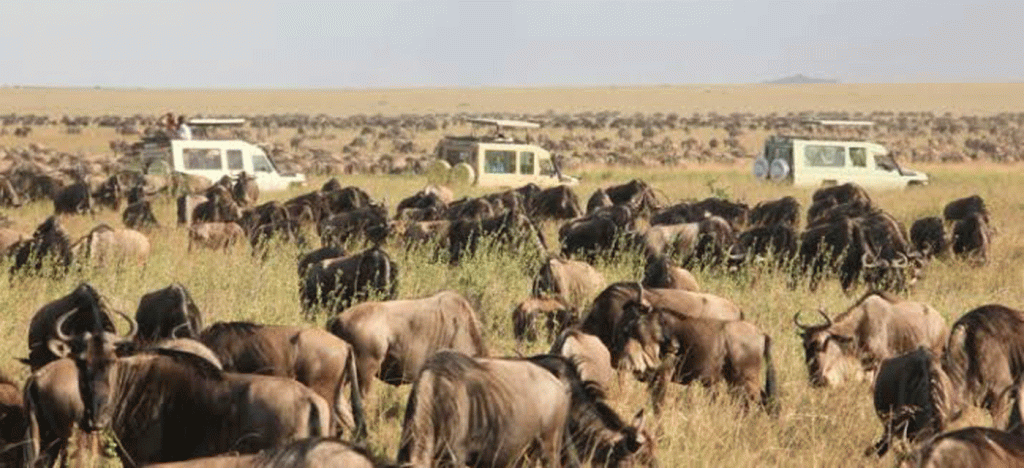
Different months create different photographic opportunities. The dry season can provide clear skies, golden grass, open landscapes and easier wildlife visibility. The wet season offers green landscapes, dramatic clouds, rainbows, flowers and striking atmospheric conditions.
January and February can provide opportunities to photograph wildlife against lush southern landscapes.
June through September can produce strong golden light across dry grasslands.
October and November can create dramatic scenes as the first rains transform the landscape. Therefore the best month depends on the type of photography you want rather than one universally ideal period.
What Should You Pack for Serengeti Weather?
Packing for the Serengeti requires flexibility because temperatures can change significantly between morning and afternoon. Bring lightweight breathable clothing for warm daytime conditions. Add a fleece or light jacket for early morning and evening drives.
A waterproof jacket becomes especially useful during the rainy periods. Comfortable closed shoes work well for safari activities, while sunglasses and a hat provide protection from strong sunlight. Sunscreen remains important throughout the year.
Travelers carrying cameras should also bring protection against dust and rain. A simple waterproof camera cover or protective bag can be useful during sudden showers.
Neutral-colored clothing can help reduce visual disturbance during wildlife viewing and works well with the dusty safari environment.
What to Wear on an Early Morning Game Drive
Early morning drives can feel much cooler than the afternoon. Wear layers that you can remove as temperatures rise. A lightweight shirt underneath a fleece or jacket provides flexibility. Long trousers can provide additional comfort against cool air, dust and vegetation.
As the sun rises, you can remove outer layers and remain comfortable in lightweight clothing. A hat and sunglasses become increasingly useful later in the morning.
Is the Serengeti Worth Visiting During the Rainy Season?
Yes. The rainy season offers a completely different Serengeti experience. The landscape becomes green and colorful, wildlife benefits from abundant food and the skies can create dramatic photographic conditions.
Travelers can also encounter fewer visitors in some areas compared with the busiest periods. The main consideration is flexibility. Rain can affect roads and travel times particularly after heavier storms.
Choosing an experienced safari operator helps because guides understand local conditions and can adapt routes when weather changes.
Serengeti Weather and Safari Costs
Weather and season can also influence safari prices. Peak travel periods often experience stronger demand for accommodation and safari services. Certain migration periods can also attract more visitors.
Wet-season travel may provide opportunities for travelers seeking lower-season rates although prices vary according to accommodation category, itinerary, park fees, transportation and demand.
Rather than choosing a month based only on price, compare the weather, wildlife objectives, accommodation availability and overall safari experience. A well-planned safari should match the traveler’s priorities with the seasonal conditions.
Weather Differences Across the Serengeti
The Serengeti is enormous so weather is not identical everywhere. The southern plains can experience different rainfall conditions from the northern Serengeti.
The western corridor can also experience different local conditions compared with Seronera. Elevation, landscape, vegetation and localized storms all influence weather. This matters when planning a safari around specific wildlife movements.
For example someone planning a calving-season safari should consider the southern Serengeti and Ndutu area while someone following northern migration movements should focus on the northern Serengeti and surrounding ecosystem.
Your safari route should therefore reflect both the season and the specific region you want to visit.
Best Months for Different Safari Experiences
For the Great Migration
The Great Migration occurs throughout the year, but different stages occur in different areas.
January and February can be important for the southern plains and calving season.
June and July can be associated with movement toward western and northern areas.
August and September can provide opportunities in the northern Serengeti, depending on herd movements.
Because rainfall determines grass availability, exact migration locations can change annually.
For Calving Season
January and February are particularly important for travelers interested in calving activity in the southern Serengeti and Ndutu region.
Fresh grass supports large concentrations of herbivores, creating opportunities to observe young animals and predator activity. The landscape also remains green and visually attractive.
For Dry-Season Safaris
June through September generally provides drier conditions. Roads can be easier to navigate, vegetation becomes less dense and wildlife can become more concentrated around water. These conditions make the period popular for classic safari experiences.
For Green Landscapes
November through May generally provides the greenest conditions. The landscape can become particularly vibrant after rainfall.
Photographers can enjoy dramatic skies, lush vegetation, flowers, and reflections in temporary pools.
For Birdwatching
The wetter and greener months can provide excellent birdwatching opportunities. Migratory birds add diversity to the resident bird population, while vegetation and water create favorable conditions for many species.
Travelers interested in birds should communicate this priority to their safari guide so the itinerary can include suitable habitats and more time for observation.
Month-by-Month Serengeti Weather Planning Guide
January offers warm temperatures, green landscapes and important wildlife activity in the southern Serengeti.
February continues the green season and can provide excellent opportunities around the calving areas.
March becomes wetter, with lush scenery and changing road conditions.
April usually brings some of the heavier rainfall producing dramatic green landscapes and quieter safari conditions in some areas.
May remains relatively wet but begins moving toward the drier season.
June introduces increasingly dry conditions, comfortable daytime temperatures and cooler mornings.
July generally offers dry weather, clear skies and excellent classic safari conditions.
August remains dry and warm, with northern Serengeti activity potentially associated with the Great Migration.
September continues the dry season and often provides clear skies and golden landscapes.
October begins the transition toward the short rains.
November brings short rains, fresh green vegetation and increased bird activity.
December provides warm conditions, renewed greenery and occasional rainfall.
Tips for Planning Your Serengeti Safari Around the Weather
The first step is to identify your main safari goal.
If your priority is calving season focus your planning around the southern Serengeti and the appropriate months.
For those want dry-season game viewing consider the June-to-September period.
If you prefer green scenery, flowers, dramatic skies and fewer visitors in some areas, consider the wetter months.
If your priority is the Great Migration avoid choosing dates based solely on a fixed calendar. Instead consider how rainfall influences animal movements and select a safari operator that monitors current migration conditions.
You should also allow some flexibility in your itinerary. Weather can change travel times, road conditions and wildlife locations.
Finally, pack for both warm and cool conditions. A safari day can begin with chilly air before becoming hot under the midday sun.
Frequently Asked Questions About Serengeti Weather
1. What is the weather like in Serengeti National Park?
The Serengeti has a warm climate throughout the year with distinct wet and dry periods. Days can be warm, while early mornings and evenings can feel cool.
2. What is the best month to visit the Serengeti for good weather?
There is no single best month for everyone. June to September generally brings drier conditions while November to May offers greener landscapes and seasonal wildlife activity.
3. What is the hottest month in the Serengeti?
The warmest conditions generally occur around the warmer periods before or during wet-season transitions. Temperatures vary depending on location, elevation, cloud cover and time of day.
4. What is the coldest month in the Serengeti?
June and July can bring some of the coolest conditions particularly during early morning game drives. Afternoons usually become considerably warmer.
5. Does it rain every day during the wet season in the Serengeti?
No. Wet-season rainfall varies considerably. Some days may have brief showers while others can experience heavier rain.
6. What is the weather like in January and February in the Serengeti?
January and February are generally warm and green with occasional rainfall. February is particularly important for travelers interested in the calving season around the southern Serengeti and Ndutu.
7. Is April a good time to visit the Serengeti?
April is one of the wetter months, producing lush landscapes, dramatic clouds and colorful scenery. Travelers should prepare for possible muddy roads and heavier rainfall.
8. What is the weather like during June to September?
June to September generally brings drier conditions, clearer skies and thinner vegetation. Wildlife may become easier to see around reliable water sources while mornings can remain cool.
9. What is the weather like in October and November?
October marks a transition toward the short rains while November usually brings short showers and increasingly green landscapes. These months can also offer dramatic photography and increased bird activity.
10. How does weather affect wildlife viewing in the Serengeti?
Weather influences water availability, vegetation and animal movements. During dry periods animals may gather around dependable water sources while wet periods provide widespread fresh grass that allows herbivores to spread across larger areas.
11. How does weather affect the Great Migration?
Rainfall influences the availability of fresh grass and water, which in turn affects where wildebeest, zebras and other grazing animals move. Exact migration locations can change from year to year.
12. Which months are best for Serengeti photography?
Different months offer different photographic conditions. June to September can provide golden grasslands and clear skies, while January and February offer green landscapes. October and November can bring dramatic skies and changing scenery.
13. What should I pack for Serengeti weather?
Pack lightweight clothing, a fleece or light jacket, a waterproof jacket, comfortable closed shoes, sunglasses, a hat and sunscreen. Camera protection is also useful during rain and dusty conditions.
14. Is the Serengeti worth visiting during the rainy season?
Yes. The rainy season creates green landscapes, abundant vegetation, dramatic skies and interesting wildlife activity. Travelers should remain flexible because heavy rain can affect roads and travel times.
15. Does weather affect Serengeti safari prices?
Seasonal demand can influence safari and accommodation prices. Wet-season travel may offer lower-season rates, although costs also depend on accommodation, itinerary, park fees, transportation and demand.
16. Is the weather the same throughout the Serengeti?
No. The Serengeti is a large ecosystem so rainfall and temperatures can differ between the southern plains, Seronera, western corridor and northern Serengeti.
17. Which months are best for the Serengeti calving season?
January and February are particularly important for calving activity in the southern Serengeti and Ndutu area, where fresh grass supports large concentrations of herbivores.
18. Which months are best for a dry-season Serengeti safari?
June through September generally provides drier conditions, thinner vegetation and easier road conditions making this period suitable for travelers seeking classic dry-season game viewing.
19. Which months offer the greenest Serengeti landscapes?
November through May generally provides the greenest conditions with lush vegetation, flowers, dramatic skies and temporary pools after rainfall.
20. How should I plan my Serengeti safari around the weather?
Start by identifying your main goal such as the Great Migration, calving season, dry-season game viewing, photography or green landscapes. Then consider the region, seasonal conditions, road accessibility, accommodation availability and budget.
Conclusion
A Month-by-Month Guide to Weather in Serengeti National Park shows why there is no single month that offers the same experience for every traveler. The Serengeti changes throughout the year. Rain transforms dry grasslands into green plains while the dry season opens up views across golden landscapes. Wildlife movements respond to rainfall and fresh grass while temperatures shift between cool mornings and warm afternoons.
June to September generally provides drier conditions while October and November bring shorter rains. The wetter months from around November through May can produce lush landscapes and important wildlife activity particularly in the southern Serengeti during the calving period.
For travelers planning a safari with Serengeti Travels the most useful approach is to match the month with your personal priorities. Consider wildlife movements, photography, weather comfort, road conditions, accommodation availability and budget before choosing your travel dates. As a local Tanzania safari company Serengeti Travels can help you select a route and travel period that fits your interests.
The Serengeti remains a year-round safari destination. Every month brings a different combination of weather, landscapes, wildlife behavior and photographic opportunities.
Instead of asking only, “What is the best month to visit the Serengeti?” ask which month provides the type of experience you want.
With careful planning and guidance from Serengeti Travels you can choose the right season and create a more rewarding, comfortable and realistic Serengeti safari experience.