 English
 Deutsch
 Italia
May 21, 2026
When to Visit Serengeti for Predator Action
Introduction
When to Visit Serengeti for Predator Action is an important consideration for travelers who want to experience thrilling wildlife encounters. Predator behavior in the Serengeti is closely connected to prey movement, seasonal weather, vegetation and water availability. Lions, cheetahs, leopards and hyenas live in the ecosystem year-round, but their visibility and hunting opportunities can change depending on the season and location of the Great Migration.
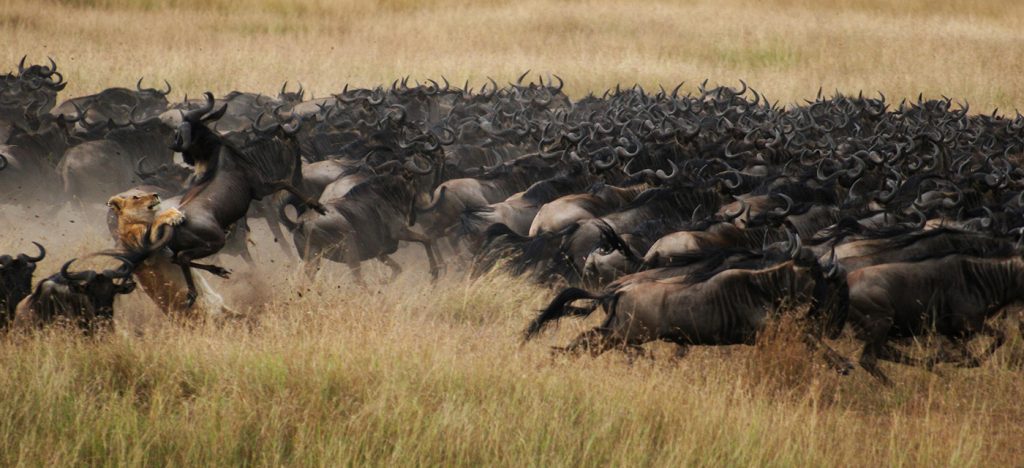
The Serengeti is a constantly changing ecosystem rather than a static destination. The Great Migration involving more than a million wildebeest together with zebras and gazelles, plays a major role in predator activity. As large herds move through different regions predators often follow them because they provide a reliable food source. When prey becomes concentrated, hunting activity can increase and wildlife encounters may become more predictable.
Vegetation is another important factor. During the calving season the short grass plains of the southern Serengeti provide excellent visibility, making it easier to spot predators and observe natural hunting behavior. During wetter periods, taller grass and thicker vegetation can make animals harder to see.
Water availability also influences predator behavior. In the dry season wildlife gathers around fewer water sources, creating opportunities for predators to hunt near predictable gathering points. Lions, leopards and other predators can take advantage of these conditions.
Although seasonal timing matters, predators can be active throughout the year. Early mornings and late afternoons are generally the best times for wildlife viewing. Combining the right travel season with experienced guiding and flexible game drives can greatly improve your chances of witnessing memorable predator action in the Serengeti.
Table of contents
January to March Calving Season
This period stands out as the most reliable time for witnessing predator action in the Serengeti ecosystem. The southern Serengeti and Ndutu plains become the center of activity as the Great Migration settles here to give birth. Over a short span of weeks hundreds of thousands of wildebeest calves are born, creating one of the most predator-rich environments in Africa. The sheer number of newborn animals means predators do not need to search far for food and this leads to frequent and often visible hunts.
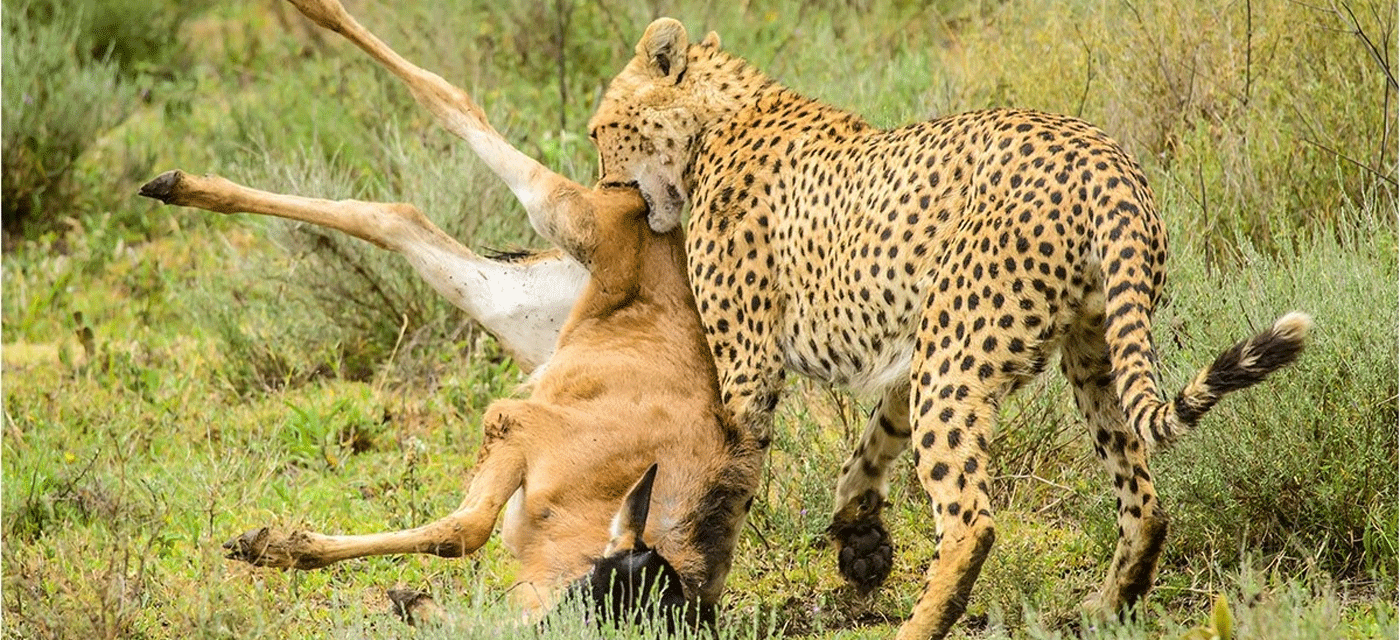
A key advantage of this season is the landscape itself. The grass is short which significantly improves visibility. Cheetahs benefit the most from these conditions because they rely on speed and open ground to hunt effectively. You are more likely to see daytime chases and successful kills compared to other times of the year.
Lions on the other hand take advantage of the abundance of prey and often hunt in groups sometimes multiple times within a single day. Hyenas are extremely active and opportunistic often stealing kills or hunting calves themselves creating dramatic interactions between predator species.
Another important factor is predictability. Because prey animals are concentrated in a relatively small area predators remain nearby instead of roaming widely. This allows guides to track them more easily and increases your chances of repeated sightings. Leopard sightings are less common than lions or cheetahs in this open environment but they are still present around riverine areas.
This season is ideal if your goal is not just to see predators resting but to witness real hunting behavior. The frequency of predator-prey interaction is unmatched making it the top choice for wildlife enthusiasts, photographers and anyone seeking intense safari action.
June to October – Dry Season
The dry season offers a different but equally rewarding predator experience. During this time, water becomes limited and prey animals are forced to gather around rivers, waterholes and remaining grazing areas. This concentration creates natural ambush points for predators especially in central and northern Serengeti. Unlike the calving season where prey is abundant everywhere here predators rely more on strategy and positioning.
Lions are particularly dominant during these months. They often rest near water sources during the day and become active in the early morning or evening waiting for animals to approach for drinking. Because vegetation is thinner and less dense visibility improves significantly making it easier to spot both predators and ongoing hunts.
Leopards are also easier to find often seen resting in trees or guarding their kills which they store off the ground to avoid scavengers like hyenas. One of the biggest highlights of this season is the river crossing period especially between July and September in the northern Serengeti.
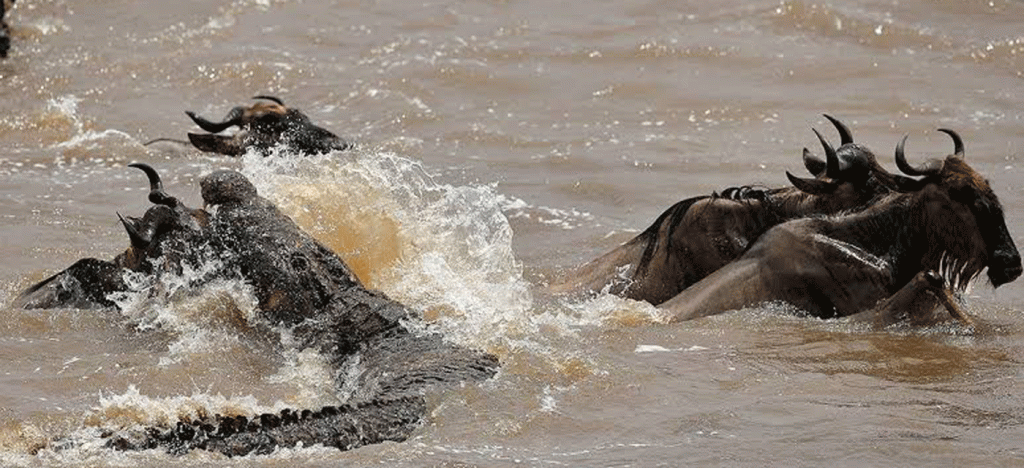
While river crossings are famous for dramatic scenes involving crocodiles predator action extends beyond the water. Animals that survive the crossing are often exhausted and disorganized making them vulnerable to lions and hyenas waiting nearby. This creates a chain of events where multiple predators interact with weakened prey.
Cheetahs are still present but may be slightly less visible depending on grass height in certain areas. However open plains in central Serengeti still provide good opportunities to see them hunt. Hyenas remain highly active often competing with lions and scavenging from kills.
This season is ideal for travelers who want a balance of strong predator sightings, dramatic landscapes and excellent visibility without relying solely on calving events.
April to May – Green Season
April and May are considered the rainy or green season in the Serengeti and while predator activity does not stop it becomes significantly harder to observe. The landscape transforms into a lush green environment with tall grass and widespread water availability. This changes the behavior of both prey and predators in important ways.
One of the main challenges during this period is dispersion. Prey animals no longer need to gather in large numbers around specific areas because food and water are abundant everywhere. As a result predators spread out as well reducing the chances of concentrated sightings. Even when predators are nearby the tall grass makes it difficult to see them clearly especially during hunts.
However it is important not to misunderstand this season as inactive. Lions, leopards, cheetahs and hyenas continue to hunt regularly. In fact the taller grass can sometimes give ambush predators like lions an advantage allowing them to get closer to prey before attacking. The issue is not lack of action it is reduced visibility and predictability.
Leopards may be slightly easier to spot in wooded areas but overall sightings require more patience and experienced guiding. Cheetahs can struggle in taller grass because it limits their ability to run at full speed and spot prey from a distance. Hyenas remain adaptable and continue scavenging and hunting regardless of conditions.
Despite the challenges this season has unique benefits. There are fewer tourists, lower costs and dramatic scenery with green landscapes and stormy skies. It is suitable for travelers who prioritize atmosphere and exclusivity over constant predator sightings.
November to December – Transition Season
This period marks the transition between the dry season and the calving season. Short rains begin to fall and the Great Migration starts moving back toward the southern Serengeti. As prey animals begin to regroup in certain regions predator activity gradually increases.
One of the main advantages of this season is improving conditions. The grass begins to grow but is not yet as tall as in the peak rainy season allowing for better visibility compared to April and May. At the same time, prey animals start concentrating again which naturally attracts predators. Lions become more active as they follow herds and cheetahs begin to benefit from more open spaces in certain areas.
This is not the most intense predator period but it offers a good balance. You can still witness hunts and predator-prey interactions, especially in areas where herds are gathering. Hyenas remain active and often take advantage of transitional movement patterns while leopards continue their solitary hunting behavior in riverine habitats.
Another key benefit is fewer crowds compared to peak seasons like July to September or January to February. This allows for a more relaxed safari experience while still maintaining decent chances of seeing predator action. Weather conditions are generally manageable with occasional rain that does not heavily disrupt game drives.
This season is ideal for travelers who want a quieter experience without completely sacrificing wildlife activity. It also serves as a buildup period leading into the highly active calving season that follows.
Frequently Asked Questions for When to Visit Serengeti for Predator Action
What is the best time to visit the Serengeti for predator action?
January to March is generally the best time to visit the Serengeti for predator action. The calving season concentrates large numbers of wildebeest, zebras and gazelles in the southern Serengeti and Ndutu areas, attracting lions, cheetahs, hyenas and other predators.
Is predator activity good in the Serengeti all year?
Yes. Predators such as lions, cheetahs, leopards and hyenas live in the Serengeti throughout the year. However, the frequency and visibility of hunting activity change depending on prey movements, vegetation, rainfall and water availability.
Why is January to March good for seeing predators?
January to March brings the Great Migration calving season when large numbers of newborn wildebeest are concentrated in the southern Serengeti. The abundance of prey can increase hunting opportunities for predators while short grass provides excellent visibility.
Can I see lions hunting during the dry season?
Yes. June to October is an excellent period for lion sightings and hunting activity. Limited water sources concentrate prey around rivers and waterholes while thinner vegetation can make lions easier to locate.
Is June to October a good time for predator sightings?
Yes. The dry season offers excellent visibility and strong predator-viewing opportunities. Northern and central Serengeti can be particularly rewarding, especially when migrating herds move through the region.
Can I see predators during the Serengeti river crossing season?
Yes. During the July to September river crossing period predators may be found around areas where migrating herds gather. Lions and hyenas can take advantage of vulnerable or separated animals creating opportunities for dramatic wildlife encounters.
Is April and May a good time for predator action in the Serengeti?
April and May can still provide predator sightings, but viewing may be more challenging because rainfall, taller grass and dispersed prey can reduce visibility. These months can appeal to travelers seeking greener scenery, fewer visitors and a quieter safari.
What is the best time to see cheetahs hunting in the Serengeti?
January to March can be particularly good for seeing cheetahs hunt because the southern Serengeti offers open plains and short grass. These conditions provide cheetahs with better visibility and space to pursue prey.
When is the best time to see leopards in the Serengeti?
Leopards can be seen throughout the year, particularly around riverine and wooded habitats. During the dry season from June to October thinner vegetation can make leopard sightings easier in some areas.
What time of day is best for seeing predators in the Serengeti?
Early morning and late afternoon are generally the best times for predator sightings. Cooler temperatures encourage wildlife activity while predators may be more active during these periods than during the hotter middle of the day.
Does the Great Migration affect predator activity?
Yes. The Great Migration strongly influences predator activity because millions of wildebeest, zebras and gazelles move through different parts of the Serengeti. Predators often follow these herds because they provide an important and reliable food source.
Which predators can I see in the Serengeti?
The main predators include lions, cheetahs, leopards and spotted hyenas. Depending on the area and season visitors may also encounter other carnivorous species such as African wild dogs although sightings are less predictable.
What is the best season for a Serengeti predator safari?
For the highest concentration of predator-prey interactions January to March is generally the strongest choice. June to October is another excellent option, offering good visibility, dry conditions and opportunities to observe predators around concentrated wildlife.
Can Serengeti Travels help me plan a predator-focused safari?
Yes. Serengeti Travels can help travelers plan their safari around seasonal wildlife movements, preferred regions and the type of predator experience they want to experience in the Serengeti.
Conclusion
Selecting the best time to visit the Serengeti for predator action depends on the experience you want, but January to March is generally the strongest period for frequent predator activity. During the calving season the southern Serengeti becomes a major wildlife hotspot as thousands of newborn animals attract lions, cheetahs, leopards and hyenas. The concentration of prey creates excellent opportunities to observe natural predator-prey interactions making this period ideal for photographers and travelers seeking dramatic wildlife encounters.
The June to October dry season also offers exceptional predator viewing. With shorter grass, less vegetation and limited water sources, wildlife becomes easier to locate. Prey often gathers around predictable water sources giving predators opportunities to use stalking and ambush strategies. The northern Serengeti can be particularly exciting when migrating herds move through the region, adding opportunities for memorable wildlife encounters.
The November to December transition period provides a quieter alternative. As seasonal rains return and herds begin moving south predator activity remains interesting while visitor numbers may be lower. This can be a rewarding period for travelers who prefer a more peaceful safari experience.
April to May can be more challenging because heavier rainfall, taller vegetation and dispersed wildlife can reduce visibility. However, the Serengeti remains active and patient travelers can still enjoy excellent sightings.
Planning your safari with Serengeti Travels can help you choose the right season and wildlife areas based on your interests. Overall January to March is best for concentrated predator action, while June to October offers excellent visibility and opportunities to observe strategic hunting behavior.