 English
 Deutsch
 Italia
December 16, 2025
By kelvingaspar
Serengeti vs Maasai Mara Which Safari Destination is Better?
Serengeti vs Maasai Mara: Which Safari Destination is Better?
Table of contents
- Serengeti vs Maasai Mara: Which Safari Destination is Better?
- Introduction to the Serengeti and Maasai Mara
- Wildlife Comparison: Who Has the Edge?
- Landscape and Scenery: A Visual Treat
- Migration Timing: The Great Wildebeest Migration Explained
- Crowd Levels: Finding Your Peace in the Wilderness
- Overall Safari Experience: Activities and Amenities
- Budget Considerations: Cost of Visiting Each Destination
- Travel Accessibility: Getting to Serengeti and Maasai Mara
- Conclusion: Choosing the Right Safari for You
Introduction to the Serengeti and Maasai Mara
The Serengeti National Park and the Maasai Mara National Reserve stand as two of the most iconic safari destinations in Africa. Located in Tanzania and Kenya, respectively, these remarkable wildlife habitats play a vital role in the ecological balance of the region, attracting thousands of tourists each year. The Serengeti spans approximately 14,763 square kilometers, making it one of the largest national parks in Africa. In contrast, the Maasai Mara encompasses around 1,510 square kilometers, yet its compact size does not diminish its exceptional wildlife offerings.
Both the Serengeti and the Maasai Mara are renowned for their diverse ecosystems and the spectacular annual migration of wildebeest and zebras, which is often referred to as one of nature’s grandest spectacles. This migration draws thousands of tourists eager to witness the breathtaking sights of vast herds traversing these landscapes in search of greener pastures. The Serengeti is marked by its sprawling savannahs, woodlands, and riverine forests, providing a diverse range of habitats for various species. Meanwhile, the Maasai Mara features open grasslands punctuated by acacia trees, creating an ideal environment for predators and prey alike.
Moreover, both destinations hold significant cultural importance, with the Maasai people being traditional custodians of the land in the Mara region, while the Serengeti is home to various ethnic groups. The unique attributes of each location contribute to their distinction in the safari tourism scene. While they share similar wildlife experiences and are often compared, each destination offers distinct opportunities for adventure and exploration, making the choice between the two a matter of personal preference and desired experiences. Through this blog post, we will delve deeper into each aspect to help you determine which safari experience might be better suited for you.
Wildlife Comparison: Who Has the Edge?
When comparing the Serengeti and the Maasai Mara, the diverse and abundant wildlife is a key factor that distinguishes these iconic safari destinations. Both parks are noteworthy for their extensive ecosystems, but they each offer unique experiences in terms of biodiversity and animal interactions. The Serengeti is famed for its vast open plains, where large herds of wildebeest, zebras, and antelope roam. This region supports a tremendous variety of wildlife, including elephants, giraffes, and diverse bird species, making it a prime location for observing the Great Migration.
In contrast, the Maasai Mara, though smaller in size, boasts a rich tapestry of wildlife. It is often highlighted for its exceptional density of predators, such as lions, leopards, and cheetahs, providing various opportunities for thrilling predator-prey interactions. The Maasai Mara is also an integral part of the Great Migration, where millions of wildebeest and zebras traverse the terrain, often encountering crocodiles in the rivers during their crossing.
Both parks are home to several members of the ‘Big Five’—the lion, elephant, buffalo, leopard, and rhinoceros. However, the Maasai Mara has gained a reputation for offering more reliable sightings of lions due to its stable population and the ease of spotting them in the open savannah. Conversely, the Serengeti, with its expansive landscapes, allows for breathtaking views of large herds and migratory patterns over the open plains.
Seasonal changes also play a crucial role in wildlife dynamics. In the Serengeti, the timing of the Great Migration attracts different species throughout the year, while in the Maasai Mara, the concentration of wildlife during the dry season provides a unique opportunity for visitors to witness dramatic predation events. Considering these contrasting traits, both destinations undeniably enhance the safari experience, catering to a myriad of wildlife enthusiasts.
Landscape and Scenery: A Visual Treat
The Serengeti and Maasai Mara present two distinct yet captivating landscapes, each offering a unique safari experience. The Serengeti, spanning over 14,000 square kilometers, is characterized by its extensive savannahs, which stretch endlessly toward the horizon. This vast openness allows for remarkable wildlife viewing, especially during the Great Migration, where millions of wildebeest and zebras traverse the plains in search of greener pastures. The golden grasses of the Serengeti not only provide an iconic backdrop for breathtaking photographs but also play a crucial role in attracting a diverse array of wildlife.
In contrast, the Maasai Mara is defined by its rolling hills and riverine forests, creating a more varied topography. The Mara River, with its lush banks, provides a vital source of water for the local wildlife, particularly during the dry season. These riverine forests offer a shaded retreat for various species, making the Mara an excellent location for spotting elusive big cats like leopards and lions. The interplay of light filtering through the trees against the backdrop of the hills enhances the visual appeal, making it an ideal location for photography enthusiasts.
Both landscapes influence the overall safari experience, where the Serengeti entices visitors with its expansive views and open skies, while the Maasai Mara offers an intimate glimpse into the diverse ecosystems found within its boundaries. The contrasting sceneries amplify the allure of a safari adventure, as each location provides unique opportunities for capturing stunning wildlife imagery. Ultimately, the choice between the two should consider not only the visual aesthetics they offer but also the types of wildlife encounters that photographers desire. In conclusion, the landscapes of the Serengeti and Maasai Mara each create a distinctive atmosphere, significantly impacting photography and the overall safari journey.
Migration Timing: The Great Wildebeest Migration Explained
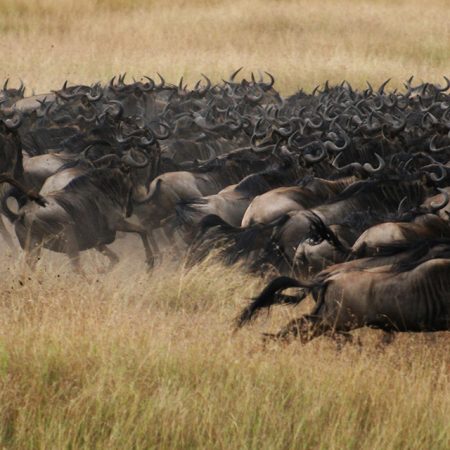
The Great Wildebeest Migration stands as one of nature’s most awe-inspiring spectacles, drawing numerous safari enthusiasts to witness this exceptional event. Every year, approximately 1.5 million wildebeests, alongside thousands of zebras and other wildlife, embark on a journey spanning the Serengeti in Tanzania and the Maasai Mara in Kenya. The timing of this migration is a critical factor for visitors aiming to experience the full marvel of this event.
The migration is primarily influenced by seasonal rainfall patterns and the subsequent availability of grazing pastures. Typically, the wildebeests begin their migration from the southern Serengeti in December, where they give birth during the calving season, creating a stunning sight as new life emerges in the lush grasslands. This period lasts until March, when the herds start to make their way north, following the rains in search of fresh grass, sustainably grazing through the Serengeti.
Crowd Levels: Finding Your Peace in the Wilderness
The Serengeti and Maasai Mara are two of Africa’s premier wildlife destinations, each drawing tourists from around the globe. However, the experiences offered by these parks can vary significantly depending on the crowd levels present during the year. Understanding when to visit is crucial for those seeking tranquility and an intimate connection with nature.
In the Serengeti, peak tourist season typically occurs during the dry months from June to October. This period coincides with the Great Migration, when hundreds of thousands of wildebeest and zebras traverse the plains in search of greener pastures. While witnessing this spectacular event can be awe-inspiring, it also attracts a high volume of visitors, leading to crowded viewing points and potential traffic jams during game drives. For travelers seeking a more serene experience, visiting during the shoulder seasons of late October to November or April to June can provide a more peaceful atmosphere, allowing for better wildlife sightings without the interruptions of larger crowds.
Conversely, the Maasai Mara experiences its peak season during the same months as the Serengeti, with July through October being particularly busy. The Mara is renowned for its close proximity to the migration trails and offers spectacular views of river crossings. However, this can also lead to an influx of tourists, which may detract from the immersive experience of the African landscape. For those looking to escape the crowds, visiting the Maasai Mara during the low season from November to June offers a more tranquil setting. Wildlife remains abundant during these months, and the absence of large groups allows for more personal interactions with nature and wildlife.
Furthermore, both regions are actively engaged in conservation efforts that aim to manage tourism impact. These initiatives can help mitigate overcrowding and enhance the overall safari experience. By choosing the right time to visit, tourists can appreciate the breathtaking beauty of the Serengeti and Maasai Mara while enjoying a more peaceful and intimate connection with the wild.
Overall Safari Experience: Activities and Amenities
The overall safari experience in the Serengeti and Maasai Mara can vary significantly, mainly due to the range of activities and amenities offered in these iconic destinations. Both parks provide guests with exhilarating game drives, allowing visitors to witness the diverse wildlife that inhabits these regions. The Serengeti is particularly renowned for its vast herds of wildebeest and zebras during the Great Migration, granting an awe-inspiring viewing opportunity. In contrast, the Maasai Mara, being a part of the migration route, allows visitors a chance to see predators actively hunting, adding an element of adventure to their safari experience.
Apart from traditional game drives, walking safaris are available in both locations, providing a unique way to explore the terrain and immerse oneself in the surrounding nature. Expert guides lead these excursions, sharing insights about the flora and fauna, enriching the overall educational experience for safari-goers. Hot air balloon rides are an exclusive offering in the Maasai Mara, enabling guests to take in sweeping views of the landscape and observe wildlife from an unprecedented vantage point, often followed by a celebratory champagne breakfast upon landing.
Accommodation options are also a key aspect of the safari experience, with the Serengeti offering luxurious lodges and tented camps often equipped with modern amenities and stunning views. Conversely, the Maasai Mara features rustic yet comfortable accommodations, frequently owned and operated by local communities, which fosters a sense of cultural connection. The quality of service is generally high in both parks, with knowledgeable staff dedicated to enhancing the overall experience for tourists. Cultural interactions with the Maasai communities in the Mara add depth to the experience, allowing guests to engage with local traditions, crafts, and customs, further enriching their safari adventure.
Budget Considerations: Cost of Visiting Each Destination
When planning a safari, understanding the budget is essential to ensure a fulfilling experience without incurring unexpected expenses. The cost of visiting the Serengeti and Maasai Mara can significantly vary based on several factors, including entry fees, accommodation, guiding services, and transportation. Both destinations offer a range of prices, catering to various budgets, which can influence a traveler’s choice.
The entry fees for the Serengeti National Park are typically higher than those for the Maasai Mara. As of recent data, the Serengeti charges approximately $70 for non-residents per day, while the Maasai Mara’s charges hover around $80 per day. Although these charges cover park access, they are essential to factor into the overall cost of your trip. Additionally, visitors should note that both parks offer different rates periodically for residents and children, potentially affording savings.
Accommodation choices also impact the overall budget. The Serengeti presents a wide range of options, from luxury lodges priced at over $1,000 per night to budget camping experiences that may start as low as $20 per night. Conversely, the Maasai Mara hosts a similar range of pricing. However, exclusive deals and offers can frequently be found, especially during the shoulder seasons when fewer tourists visit. Travelers should be proactive in searching for packages that include accommodations, meals, and safari experiences.
Guide services are another variable in budgeting for each destination. Prices for experienced guides can differ significantly, depending on the time of year and group size. Transportation also remains a significant expense, with options ranging from charter flights to land transport. Considering all these factors will assist in making an informed decision about a safari experience that aligns with your budgetary constraints. Strategic planning and researching options can facilitate a memorable journey in either the Serengeti or Maasai Mara.
Travel Accessibility: Getting to Serengeti and Maasai Mara
When planning a safari adventure, understanding the travel logistics involved in reaching the Serengeti National Park and Maasai Mara National Reserve is crucial for an enjoyable experience. Both destinations, renowned for their breathtaking landscapes and rich wildlife, offer distinct travel routes and options that cater to various preferences and budgets.
For those traveling to the Serengeti, the main entry point is through Kilimanjaro International Airport (JRO) or Ndutu Airstrip. Regular charter flights operate from these airports directly to various airstrips within the Serengeti, providing quick access to the park. Alternatively, travelers can choose to embark on road safaris from Arusha, which typically take about 8-10 hours. While road travel allows for scenic views and potential wildlife sightings, it can be time-consuming compared to flying.
On the other hand, the Maasai Mara is well-connected through both air and road transport. The nearest airport is Wilson Airport in Nairobi, from where daily flights whisk tourists to several airstrips within the reserve. These flights are usually short, taking around 45 minutes to an hour. For those preferring to travel overland, road trips from Nairobi to the Maasai Mara can range from 5 to 6 hours. However, this journey can also be enhanced with stops at local attractions and cultural experiences along the way.
It is essential to note the varying visa requirements and local travel regulations when planning your journey. Most travelers will need a visa to enter Kenya and Tanzania, which can often be obtained online. Additionally, it is advisable to stay informed about any current health guidelines, travel restrictions, or safety advisories issued by local authorities. Armed with this information, tourists can navigate their way to these iconic safari destinations effectively and enjoy the diverse wildlife they offer.
Conclusion: Choosing the Right Safari for You
When considering a safari experience in East Africa, the choice between the Serengeti National Park and the Maasai Mara National Reserve can significantly impact the nature of your adventure. Both destinations boast unique characteristics and distinct offerings, making them appealing to different kinds of travelers. To determine which safari suits you best, it is imperative to evaluate your personal priorities.
If wildlife viewing is your primary objective, the Serengeti’s vast landscapes and diverse ecosystems might be more appealing. Known for its large herds of migratory wildebeest and extensive predator populations, this national park provides an excellent opportunity to observe wildlife in their natural setting throughout the year. On the other hand, the Maasai Mara is famous for its dramatic game viewing during the Great Migration and tends to offer a more intimate experience, particularly in the months when the migration crosses into Kenya.
Additionally, the natural landscapes of both regions present varying experiences. The Serengeti features rolling grasslands and iconic kopjes, while the Maasai Mara is characterized by open savannas and occasionally densely wooded areas. This can influence your choice if your safari interests include photography or simply enjoying breathtaking scenery. Furthermore, consider the crowd levels; the Maasai Mara can become quite busy during peak migration seasons, while the Serengeti, being larger, often allows for more remote experiences with fewer tourists.
Ultimately, whether you opt for the Serengeti or the Maasai Mara, both locations promise unforgettable experiences rich in wildlife and stunning landscapes. By reflecting upon your safari preferences, you will be equipped to make an informed decision that aligns with your expectations, ensuring a memorable journey through the African wilderness.