 English
 Deutsch
 Italia
May 18, 2026
How to Get to Serengeti National Park
Introduction
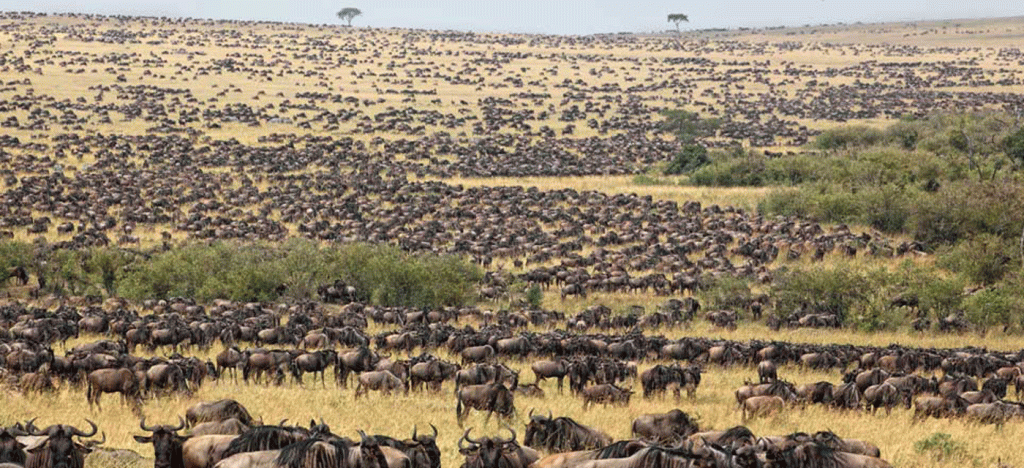
How to Get to Serengeti National Park is an important part of planning a successful Tanzania safari. Located in northern Tanzania, Serengeti National Park is one of Africa’s most famous wildlife destinations, celebrated for its endless plains, abundant wildlife, dramatic predator-prey encounters and the spectacular Great Migration. Although the park is internationally renowned it is a remote wilderness area so travelers need to understand the available transportation options before starting their safari.
Most international visitors arrive in Tanzania through Kilimanjaro International Airport, Dar es Salaam or connect through Nairobi in Kenya. From these gateways travelers can continue to the Serengeti by road or domestic flight. Arusha is the main starting point for many northern Tanzania safaris and provides convenient access to the Serengeti and other major attractions.
Flying is the fastest option with scheduled bush flights connecting travelers to several airstrips within the Serengeti. This option saves considerable travel time and allows visitors to reach different regions of the park more efficiently. Road travel takes longer but offers a more immersive experience with opportunities to explore Tanzania’s countryside and visit destinations such as Ngorongoro Crater along the way.
The best way to reach Serengeti depends on your budget, available time, preferred comfort level and safari itinerary. Serengeti Travels can help travelers choose a suitable route and organize transportation as part of a well-planned Tanzania safari.
Understanding your transportation options before departure helps reduce logistical challenges and allows you to spend more time enjoying wildlife, landscapes and unforgettable safari experiences in the Serengeti.
Table of contents
- Introduction
- International Flights to Tanzania
- Flying to Serengeti National Park
- Traveling to Serengeti by Road
- Serengeti National Park Main Gates and Entry Points
- Serengeti Airstrips: Where Do Flights Land?
- How to Get to Serengeti from Arusha
- How to Get to Serengeti from Kilimanjaro International Airport
- How to Get to Serengeti from Zanzibar
- How to Get to Serengeti from Dar es Salaam
- How Long Does It Take to Reach Serengeti?
- Best Travel Option for Different Travelers
- Best Way to Get to Serengeti for First-Time Visitors
- Best Route to Serengeti for the Great Migration
- Should You Drive or Fly to Serengeti?
- What to Know Before Entering Serengeti National Park
- How Serengeti Travels Can Help You Get There
- Important Travel Tips for Getting to Serengeti National Park
- Frequently Asked Questions for How to Get to Serengeti National Park
- Conclusion
International Flights to Tanzania
Most international travelers begin their journey to Serengeti National Park by flying into Tanzania through Kilimanjaro International Airport (JRO) the most convenient international gateway for the northern safari circuit. Located between Arusha and Moshi, JRO provides easy access to Serengeti, Ngorongoro Crater and Tarangire National Park making it a practical starting point for a Tanzania safari.
Kilimanjaro International Airport is connected to several major international cities through direct and connecting flights. Travelers can commonly reach JRO through hubs such as Doha, Istanbul, Addis Ababa and Amsterdam. The airport is relatively easy to navigate, with immigration, visa procedures and baggage collection generally straightforward for international visitors.
After arriving at JRO many travelers continue to Arusha which is about one hour away by road. Known as the safari capital of northern Tanzania Arusha is where visitors often meet their safari guide, organize their itinerary or connect to domestic flights heading directly into Serengeti National Park. Serengeti Travels can help travelers arrange transfers and safari connections from Arusha to Serengeti.
Other international entry points include Julius Nyerere International Airport (DAR) in Dar es Salaam and Abeid Amani Karume International Airport (ZNZ) in Zanzibar. These airports offer useful alternatives, especially for travelers combining a Serengeti safari with coastal or island experiences although an additional domestic flight is usually required.
Travelers may also enter through Nairobi’s Jomo Kenyatta International Airport (NBO) but this involves additional travel arrangements. Overall Kilimanjaro International Airport remains the most practical gateway for reaching Serengeti National Park.
Flying to Serengeti National Park
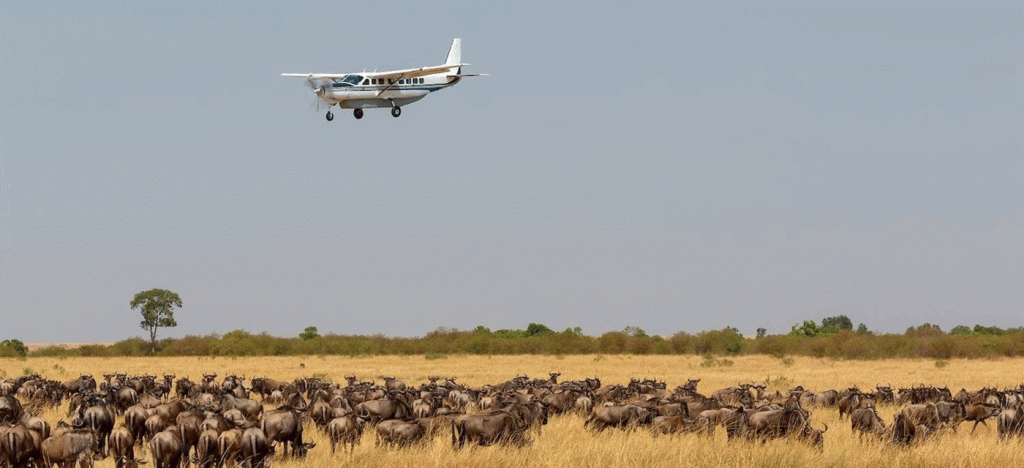
Flying to Serengeti National Park is one of the fastest, most convenient and comfortable ways to reach this remote safari destination. For travelers who want to spend more time enjoying wildlife and less time traveling on long, sometimes rough roads, taking a domestic flight is an excellent option. Flights commonly depart from Arusha Airport or Kilimanjaro International Airport and connect with several airstrips across Serengeti. Depending on the destination airstrip the flight usually takes about 45 minutes to 1.5 hours.
Flying to Serengeti National Park also provides a spectacular introduction to Tanzania’s wilderness. As the aircraft leaves the areas around Arusha, passengers can enjoy aerial views of vast savannahs, winding rivers, woodland and open plains. This unique perspective allows travelers to appreciate the enormous scale of Serengeti before landing.
Serengeti has several airstrips serving different regions. Seronera Airstrip provides convenient access to Central Serengeti and is popular for year-round wildlife viewing. Kogatende Airstrip serves Northern Serengeti and is especially useful during the Great Migration. Grumeti Airstrip provides access to the Western Corridor, while Lobo and Klein’s Camp airstrips serve northern and northeastern areas.
After landing most lodges and camps arrange airstrip transfers and the journey can often become an early game drive. Domestic airlines such as Coastal Aviation, Auric Air, Regional Air and Flightlink operate flights to Serengeti. Travelers should check luggage limits before departure as soft-sided bags and restricted baggage weights are commonly required. Overall flying saves valuable time while adding an exciting aerial experience to your Serengeti safari.
Traveling to Serengeti by Road
Traveling to Serengeti National Park by road is a popular choice for travelers who want an immersive journey through northern Tanzania. Unlike flying which takes you directly into the park a road safari allows you to experience changing landscapes, local communities and wildlife along the way. For many visitors the journey becomes an important part of the safari experience rather than simply transportation.
Most road safaris begin in Arusha Tanzania’s main northern safari hub. The classic route travels through Karatu and the Ngorongoro Conservation Area before continuing into Serengeti National Park. Travelers may also include Tarangire National Park along the way depending on their itinerary. This route connects several major attractions and provides opportunities to experience different ecosystems during one trip.
The drive from Arusha to the Ngorongoro area usually takes around three to four hours while continuing from Ngorongoro to Central Serengeti can take another three to four hours. In total reaching Serengeti by road may take seven to eight hours or longer depending on road conditions, weather and planned stops.
Because the journey can be long some travelers choose an overnight stay in Karatu or near the Ngorongoro highlands before continuing to Serengeti. This makes the journey more comfortable and allows more time to enjoy the surrounding attractions.
Although self-driving is possible first-time visitors generally benefit from using a professional safari operator. Serengeti roads can be rough, navigation challenging and mobile coverage limited in remote areas. A professional guide provides reliable transportation, local knowledge and assistance with safari logistics.
For travelers seeking an authentic northern Tanzania adventure, road travel offers a memorable and scenic way to reach the heart of Serengeti.
Serengeti National Park Main Gates and Entry Points
Because the Serengeti covers a huge area it has several access points rather than one central entrance. The gate you use depends largely on your route and the part of the park you are visiting. TANAPA lists access points including Naabi Hill, Ndutu, Handajega, Ikoma, Tabora B, Lamai, Ndabaka, Machochwe and Klein’s.
Naabi Hill is the best-known southern gateway and is commonly used for classic road safaris approaching from the Ngorongoro area. Ndabaka provides access from the western side making it relevant to travelers approaching from the Lake Victoria and Mwanza direction.
Klein’s Gate serves the northeastern side and is associated with routes toward the northern Serengeti and surrounding areas. Fort Ikoma and other western access points are useful for itineraries focused on the Western Corridor.
You do not normally need to choose a gate yourself when booking a guided safari. Your safari company selects the appropriate entry point according to your route, accommodation and destination sector.
Serengeti Airstrips: Where Do Flights Land?
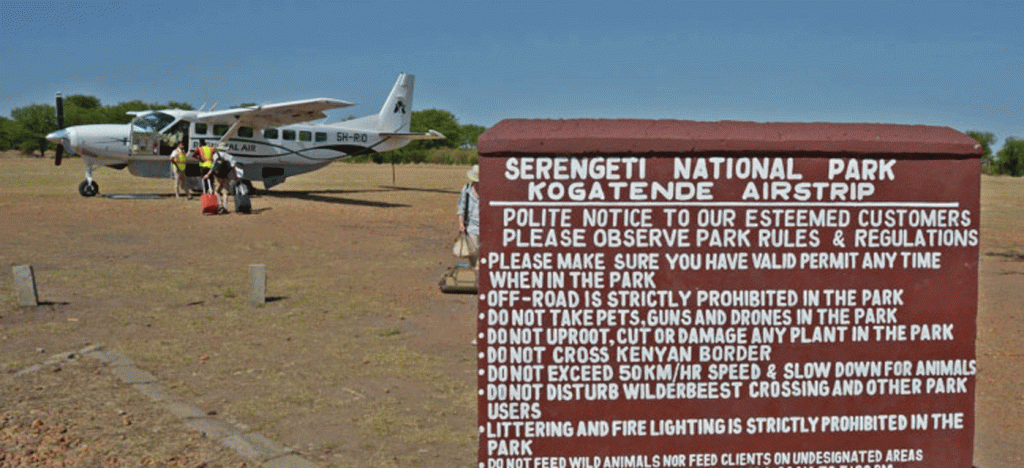
Serengeti’s internal airstrips make flying into the park possible without needing a major airport. TANAPA identifies several all-weather airstrips distributed across the park, including Seronera in the center, Kusini in the south, Lobo in the east, Kirawira in the west and Kogatende and Lamai in the north.
Seronera Airstrip is particularly important because it provides access to the central Serengeti and the surrounding Seronera Valley. It is a convenient choice for travelers staying in central camps and lodges.
Kogatende Airstrip is particularly useful for northern Serengeti itineraries especially when travelers want to explore the northern migration areas and Mara River region.
Kusini and southern airstrips provide access to the southern Serengeti making them useful for certain seasonal itineraries.
The best airstrip is therefore not necessarily the one with the most flights. It is the airstrip that minimizes the distance between your arrival point and accommodation while matching the wildlife region you want to explore.
How to Get to Serengeti from Arusha
Arusha is one of the most important starting points for a Serengeti safari. Travelers staying in Arusha can choose either a road safari or a domestic flight into the park. The road journey normally travels west through the northern Tanzania safari circuit before entering Serengeti through the southern access area commonly Naabi Hill.
Traveling from Arusha by road is particularly suitable for multi-day safaris. Instead of treating the journey as a simple transfer your itinerary can include other major attractions along the way. Many travelers visit Tarangire National Park and Ngorongoro Crater before reaching the Serengeti.
The alternative is to fly from Arusha Airport to an airstrip inside Serengeti. This can save substantial travel time and is particularly useful for short safaris, luxury trips, honeymoon itineraries or travelers who want to maximize their time on game drives.
The choice between road and air ultimately depends on what you value most. Road travel provides a classic safari journey and allows you to see more of northern Tanzania while flying provides greater efficiency and reduces the amount of time spent traveling between destinations.
How to Get to Serengeti from Kilimanjaro International Airport
Kilimanjaro International Airport commonly known as JRO is one of the main international gateways for travelers visiting northern Tanzania. After arriving at JRO travelers can continue to Arusha and begin a road safari or arrange a domestic flight toward the Serengeti.
For visitors with a longer itinerary transferring from JRO to Arusha before starting an overland safari is a practical option. Arusha provides access to the northern safari circuit and is a common meeting point for safari operators.
Travelers with limited time can instead choose a fly-in safari. A scheduled or charter flight can take travelers from the Arusha or Kilimanjaro area toward a Serengeti airstrip reducing the amount of road travel required.
The most appropriate option depends on your arrival time at JRO and the location of your Serengeti accommodation. It is important to coordinate international and domestic flights carefully rather than assuming that every connection will be available at a convenient time.
When booking with Serengeti Travels, your airport transfer, safari vehicle, accommodation and internal flights can be coordinated as part of one itinerary.
How to Get to Serengeti from Zanzibar
Travelers visiting Zanzibar can reach Serengeti National Park by air making a Zanzibar beach and safari combination particularly convenient. Instead of returning to an international airport and traveling through the northern mainland by road travelers can arrange a domestic flight from Zanzibar toward an airstrip serving the Serengeti.
This option is especially attractive for travelers who want to combine a beach holiday with a wildlife safari without losing an entire day to road transfers. Depending on the airline schedule and itinerary flights can connect Zanzibar with safari destinations in northern Tanzania.
The correct Serengeti airstrip depends on where you plan to stay. Travelers staying in central Serengeti may use Seronera while those visiting the northern region during the migration season may prefer an airstrip closer to Kogatende. Southern Serengeti itineraries may use airstrips serving the Ndutu or Kusini areas.
Flight schedules can change so your safari operator should confirm the available routing for your travel dates. Serengeti Travels can combine your Zanzibar stay with a Serengeti safari to create a practical fly-in and fly-out itinerary.
How to Get to Serengeti from Dar es Salaam
Dar es Salaam is Tanzania’s largest city and an important international and domestic transport hub. Although it is not located close to Serengeti National Park travelers arriving in Dar es Salaam can continue north by domestic flight or connect through another Tanzanian gateway.
TANAPA lists Dar es Salaam among the locations from which scheduled and private charter flights can serve the Serengeti.
For many safari travelers flying from Dar es Salaam toward the northern safari circuit is more practical than undertaking a very long overland journey. Travelers who want to experience Tanzania beyond the Serengeti can also arrange a domestic connection toward Arusha and begin their safari there.
If your trip starts in Dar es Salaam and ends in Zanzibar, for example, a carefully planned combination of domestic flights and safari flights can reduce unnecessary backtracking.
The best arrangement depends on your international arrival, number of safari days and whether you are planning to visit other destinations such as Arusha, Ngorongoro or Zanzibar.
How Long Does It Take to Reach Serengeti?
The travel time to Serengeti depends heavily on whether you fly or drive and which part of the park you are visiting. A road safari from Arusha can take most of a day particularly when stops and wildlife viewing are included. The exact duration also changes according to the final destination within the Serengeti.
Flying is considerably faster and can put travelers inside the park within a relatively short period after departure from Arusha or another connected destination. However the total journey still depends on flight schedules, possible intermediate stops, airstrip location and the transfer from the airstrip to your camp.
The important point is that Serengeti is extremely large. Saying that you are “going to Serengeti” does not describe one fixed travel time. Seronera, Ndutu, Western Corridor and Kogatende can involve very different travel arrangements.
When planning your safari consider the location of your accommodation rather than simply the name of the park. Serengeti Travels can use this information to recommend whether a road transfer or fly-in safari makes more sense for your itinerary
Best Travel Option for Different Travelers
Choosing the best way to reach Serengeti National Park depends on your travel style, budget, available time and safari expectations. Flying and traveling by road both offer unique advantages while combining the two can provide a convenient and well-rounded experience.
For luxury travelers flying directly into Serengeti National Park is often the most comfortable choice. Domestic flights from Arusha or Kilimanjaro International Airport can save many hours of road travel allowing visitors to reach the park quickly and begin game drives sooner. This option is especially convenient for travelers staying at premium lodges or camps located near Serengeti airstrips.
For budget-conscious travelers a road safari from Arusha provides excellent value. Shared group safaris allow travelers to divide costs such as transportation, fuel and guide services. Although the journey takes longer driving offers the opportunity to enjoy Tanzania’s changing landscapes and combine Serengeti with other destinations along the Northern Safari Circuit.
Photographers may benefit from combining both options. Traveling by road in one direction provides opportunities to photograph landscapes, villages and wildlife along the route while flying in the opposite direction saves time and offers spectacular aerial views.
For Great Migration travelers choosing the right route is particularly important. Migration patterns change throughout the year, with calving generally occurring in the southern Serengeti from January to March, movement through the Western Corridor around May and June and northern Serengeti activity including Mara River crossings typically occurring from July to October.
Ultimately, the best way to reach Serengeti depends on whether you prioritize comfort, affordability, photography, time or seasonal wildlife experiences.
Best Way to Get to Serengeti for First-Time Visitors
For first-time visitors the best way to reach Serengeti depends on the type of safari they want. A road safari from Arusha is usually the most comprehensive choice for travelers who have enough time and want to experience several destinations in northern Tanzania.
A fly-in safari is often better for travelers with only a few days. Flying allows you to spend more of your limited vacation time inside the Serengeti instead of traveling long distances by road.
For a classic Tanzania safari a combination of road and air can also work well. For example travelers can drive from Arusha through the Ngorongoro area into Serengeti and then fly from Serengeti to another destination. This avoids unnecessary backtracking.
The best option should also reflect the location of your accommodation. A northern Serengeti camp may be better reached by air, while a central or southern itinerary can be incorporated naturally into an overland safari.
Best Route to Serengeti for the Great Migration
The best route for the Great Migration depends on where the herds are expected to be during your travel dates. The migration moves through different areas of the Serengeti ecosystem throughout the year so there is no single route that is best in every month.
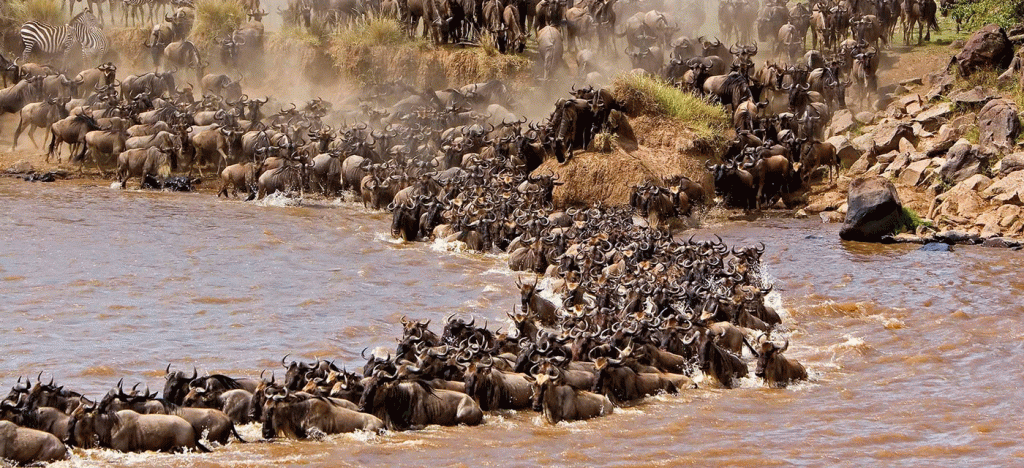
During the calving period the southern Serengeti and Ndutu area are important areas to consider. Later in the year the migration generally moves northward with the Western Corridor and northern Serengeti becoming particularly significant at different stages.
Travelers interested in river crossings often focus on the northern Serengeti during the appropriate migration period. Flying directly toward northern airstrips such as Kogatende can save significant road travel compared with driving from Arusha.
However wildlife movements are natural events and cannot be guaranteed on an exact date. A good safari itinerary should therefore consider recent wildlife movements, seasonal patterns, accommodation location and the length of your stay rather than promising a particular sighting.
Should You Drive or Fly to Serengeti?
Choosing between driving and flying to Serengeti comes down to time, budget, comfort and the experience you want. Driving is usually the better option for travelers who want a traditional safari journey and the opportunity to combine several northern Tanzania destinations.
Flying is more suitable when time is limited or when your accommodation is located in a remote section of the park. It can also be an excellent choice for travelers who prefer shorter transfers and more time for wildlife viewing.
Road travel provides greater flexibility for stopping at viewpoints and wildlife areas along the route. Flying by comparison is primarily about efficiency.
There is also the possibility of combining both. A traveler could drive into Serengeti as part of a multi-park itinerary and fly out afterward. This provides the experience of an overland safari while avoiding a long return drive.
Serengeti Travels can help match the transport option to your itinerary, accommodation, budget and available vacation time.
What to Know Before Entering Serengeti National Park
Before traveling to Serengeti make sure your safari itinerary has been properly arranged and that your transportation corresponds with your accommodation. Park access is regulated through established entry points and park fees and operational requirements can change so travelers should confirm the current requirements with TANAPA or their safari operator before departure. TANAPA’s current trip-planning information covers permits, fees, routes, safety and travel planning.
Travelers should also consider the season. Roads can become slower during rainy periods while dry-season travel can produce dusty conditions and high demand for certain camps and flights.
If you are driving a suitable 4×4 safari vehicle and an experienced driver-guide are important. If you are flying check baggage restrictions because small safari aircraft generally have different luggage requirements from international airlines.
Most importantly, do not plan your route independently without considering the location of your camp. Serengeti is vast and an apparently short distance on a map can take much longer on safari roads.
How Serengeti Travels Can Help You Get There
Serengeti Travels can organize the complete journey to Serengeti National Park based on your preferred travel style. Whether you want a private road safari from Arusha, a fly-in safari from Zanzibar or a combination of road and air travel the itinerary can be structured around your available time and the region of Serengeti you want to explore.
For travelers visiting the central Serengeti a road journey through the Ngorongoro area or a flight to Seronera can provide convenient access. Travelers targeting the northern Serengeti can consider flights toward Kogatende or other northern airstrips, while southern and western itineraries can use the appropriate access routes and airstrips.
Planning transportation together with accommodation is particularly important because Serengeti is a vast destination. The right arrival point can reduce unnecessary driving and give you more time for game drives.
By working with a local safari operator such as Serengeti Travels travelers can coordinate airport transfers, safari vehicles, domestic flights, park entry arrangements, accommodation and the overall itinerary in one plan.
Important Travel Tips for Getting to Serengeti National Park
Planning how to get to Serengeti National Park requires careful preparation to make your journey comfortable and stress-free. Start by choosing the right transportation based on your time, budget and safari plans. Driving from Arusha is ideal for travelers who want to enjoy a classic overland safari and combine Serengeti with destinations such as Ngorongoro Crater. Flying is a better choice for travelers with limited time or those staying in remote areas of the park.
Before booking transport confirm the location of your lodge or camp. Serengeti is a vast destination and the best entrance or airstrip depends on whether you are visiting the central, northern, southern or western areas.
If traveling by road, choose a reliable 4×4 safari vehicle and an experienced driver-guide. Carry drinking water, snacks, sunscreen, sunglasses, a hat and comfortable clothing because some journeys can take several hours.
Travelers flying into Serengeti should check luggage restrictions before departure. Small safari aircraft often have stricter baggage limits, so soft-sided bags are usually more practical than large hard-shell suitcases.
It is also important to book your safari, accommodation, flights and park arrangements early, particularly during peak seasons and the Great Migration. Keep your itinerary flexible because weather, road conditions, wildlife movements and flight schedules can change.
Finally working with a trusted local safari company such as Serengeti Travels can simplify transportation arrangements and help you choose the most suitable route to Serengeti National Park.
Frequently Asked Questions for How to Get to Serengeti National Park
What is the best way to get to Serengeti National Park?
The best way to get to Serengeti National Park depends on your budget, available time and safari itinerary. Flying is the fastest option, while driving from Arusha offers a more immersive Northern Tanzania safari experience.
How do I get to Serengeti National Park from Arusha?
You can reach Serengeti from Arusha by road or domestic flight. Road safaris commonly pass through the Ngorongoro area before entering Serengeti through Naabi Hill while flights connect Arusha with several Serengeti airstrips.
How long does it take to drive from Arusha to Serengeti?
Driving from Arusha to Serengeti can take around seven to eight hours or longer depending on the route, road conditions, stops and your final destination within the park.
Can I fly directly to Serengeti National Park?
Yes. Domestic flights connect Arusha, Kilimanjaro and other Tanzanian destinations with several airstrips inside Serengeti National Park. This is a convenient option for travelers who want to reduce road travel time.
Which airport is best for Serengeti National Park?
Kilimanjaro International Airport (JRO) is one of the most convenient international gateways for Serengeti because it provides easy access to Arusha and the Northern Tanzania safari circuit.
Can I get to Serengeti from Zanzibar?
Yes. Travelers can fly from Zanzibar to safari destinations in northern Tanzania and connect with Serengeti airstrips. The best route depends on your accommodation and the Serengeti region you plan to visit.
How do I get to Serengeti from Dar es Salaam?
Travelers from Dar es Salaam can use domestic flights toward the northern safari circuit or connect with flights serving Serengeti. Flying is generally more practical than making the long journey by road.
What are the main entry gates to Serengeti National Park?
Serengeti has several entry points including Naabi Hill, Ndabaka, Fort Ikoma, Klein’s, Lamai, Ndabaka and other access gates. The appropriate gate depends on your route and the area of the park you are visiting.
Which airstrip should I use in Serengeti?
Your best airstrip depends on where you are staying. Seronera is convenient for Central Serengeti, Kogatende is useful for Northern Serengeti while other airstrips serve southern, western and eastern areas.
Is it better to drive or fly to Serengeti?
Driving is ideal for travelers who want to experience a classic overland safari and visit other destinations such as Ngorongoro and Tarangire. Flying is better for travelers with limited time or those staying in remote areas of Serengeti.
What is the best route to Serengeti for the Great Migration?
The best route depends on the migration season and where the herds are moving. Southern Serengeti and Ndutu are important during calving while Northern Serengeti becomes particularly important during the migration period associated with Mara River crossings.
Can I combine driving and flying on a Serengeti safari?
Yes. Many travelers drive into Serengeti as part of a Northern Tanzania safari and then fly out from a Serengeti airstrip. This combination provides an overland experience while reducing return travel time.
Do I need a 4×4 vehicle to travel to Serengeti?
A suitable 4×4 safari vehicle is recommended for road travel because some Serengeti routes are rough, remote and affected by seasonal weather conditions. A professional driver-guide can also help with navigation and safari logistics.
What should I know before traveling to Serengeti?
Before traveling confirm your accommodation location, transportation, park entry arrangements, flight schedules and baggage restrictions. Planning these details together helps you choose the most efficient route and entry point.
Can Serengeti Travels arrange transportation to Serengeti?
Yes. Serengeti Travels can coordinate airport transfers, private safari vehicles, domestic flights, accommodation and park arrangements according to your itinerary, budget and preferred travel style.
Conclusion
How to Get to Serengeti National Park ultimately depends on your safari itinerary, budget, travel time and the part of the park you want to explore. Travelers can reach the Serengeti by road or air with Arusha and Kilimanjaro International Airport serving as important gateways and numerous internal airstrips providing access to different regions of the park. TANAPA officially confirms both road and air access to Serengeti.
For a classic multi-day Tanzania safari driving from Arusha through the Ngorongoro area into Serengeti is an excellent choice. For short trips, luxury safaris or remote northern and western camps flying can save valuable time. The most important consideration is to match your transportation with your accommodation and the Serengeti region you intend to visit.
With careful planning through Serengeti Travels your journey to the Serengeti can be more than simply getting from one destination to another. It can become the beginning of an unforgettable Tanzania safari experience.