 English
 Deutsch
 Italia
May 22, 2026
How to Do a Cheap Serengeti Safari Without Sacrificing Experience
Introduction
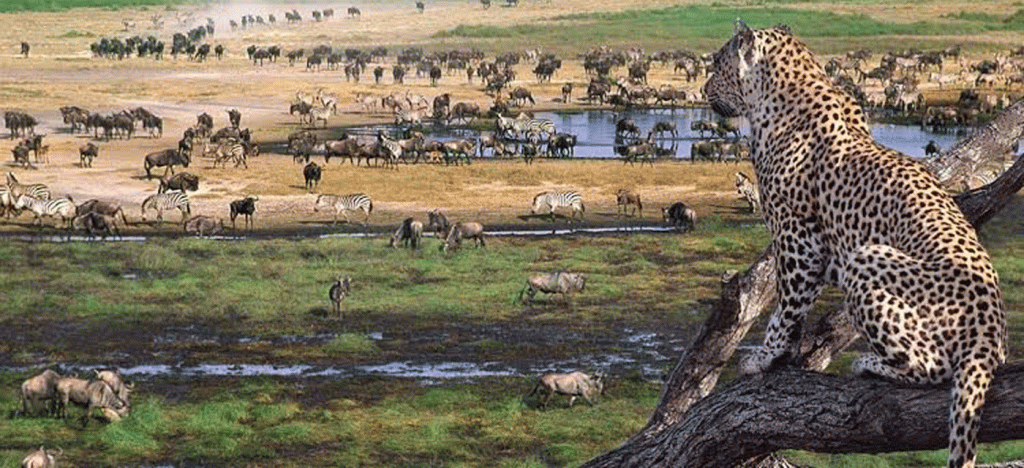
How to Do a Cheap Serengeti Safari Without Sacrificing Experience starts with understanding that a Serengeti safari is not only a luxury experience reserved for high-end travelers. While it is true that safari costs can rise quickly the reality is that a well-planned trip does not need to be expensive to be extraordinary. The Serengeti is defined not by luxury lodges or premium add-ons but by its vast landscapes, abundant wildlife and the raw unforgettable moments it offers in nature.
The key to an affordable safari lies in strategy not sacrifice. Many travelers overspend simply because they focus on the wrong elements, such as luxury accommodation, unnecessary upgrades or poorly timed travel. In contrast those who understand how the ecosystem works how tourism pricing is structured and where true value lies can significantly reduce costs without missing out on the core experience.
This guide is built on that principle. Instead of cutting corners, it focuses on making smarter decisions, choosing the right season, prioritizing location over luxury, working with local experts and aligning your trip with wildlife movement. These are the factors that truly shape your safari not how much you spend per night.
A cheap Serengeti safari should never mean a lesser experience. In fact with the right approach it can often be more authentic, less crowded and more rewarding than an expensive alternative. By applying the strategies outlined in this guide you will not only control your budget but also ensure that every part of your journey is meaningful, efficient and deeply connected to the natural environment.
Table of contents
- Introduction
- Travel in the Shoulder Season for Maximum Value
- Prioritize Location Over Luxury Every Time
- Use Local Operators to Eliminate Middleman Costs
- Share Costs Through Small Group Safaris
- Shorten Duration but Increase Efficiency
- Replace Flights with Strategic Road Transfers
- Stay Near Park Borders to Reduce Accommodation Costs
- Align Your Trip with Wildlife Movement Not Calendar Dates
- Book Early for Control or Late for Discounts
- Avoid Unnecessary Luxury Add-Ons
- Pack Smart to Eliminate Hidden Costs
- Choose Camps with Full-Board Packages
- Combine Serengeti with Nearby Parks Strategically
- Choose the Right Vehicle Setup
- Focus on Guide Quality Above All Else
- Frequently Asked Questions for How to Do a Cheap Serengeti Safari Without Sacrificing Experience
- Conclusion
Travel in the Shoulder Season for Maximum Value
Travel timing is one of the most powerful cost-control tools when planning a Serengeti safari. The shoulder season which falls around March to May and again in November offers a unique balance between affordability and experience quality. During these months the number of tourists drops significantly leading to reduced prices for accommodations, safari packages and even transportation.
Despite common misconceptions wildlife does not disappear during this period. The Serengeti ecosystem remains active year-round and animals continue their natural movements regardless of tourist seasons. In fact the shoulder season often provides a more natural viewing environment because there are fewer vehicles competing for space around wildlife sightings.
Another advantage is the scenery. The rains transform the plains into lush, green landscapes making the environment more visually appealing and ideal for photography. Dramatic skies and vibrant vegetation enhance the overall safari atmosphere. Weather concerns are often exaggerated. Rain typically falls in short bursts rather than lasting all day allowing for well-timed game drives. Experienced guides adjust schedules to maximize viewing opportunities between showers.
From a strategic perspective this period allows travelers to enjoy premium locations and services at discounted rates. You are essentially accessing a high-quality safari environment without the premium pricing. Choosing the shoulder season is not about compromise it is about understanding value. You spend less while often gaining a quieter, more immersive and visually stunning safari experience.
Prioritize Location Over Luxury Every Time
One of the biggest misconceptions about safaris is that higher-priced accommodation guarantees a better experience. In reality the most critical factor in a successful safari is location. Wildlife movement in the Serengeti is driven by water, food availability and seasonal migration patterns not by the presence of luxury lodges.
A modest camp positioned near active wildlife zones can provide far more sightings than an expensive lodge located in a quieter area. This is why experienced travelers and guides emphasize geography over comfort. Being close to migration routes or predator territories significantly increases your chances of seeing animals in action.
Mid-range and budget camps often deliver everything necessary for a comfortable stay including proper beds, meals and essential facilities. The difference in price usually reflects added luxury features rather than improvements in wildlife access. Another benefit of smaller less expensive camps is their flexibility. They often adapt more easily to changing wildlife patterns allowing you to stay closer to where the action is happening.
By focusing your budget on strategic positioning rather than luxury branding you ensure that your money directly enhances your safari experience. This approach avoids unnecessary spending on features that do not influence what truly matters wildlife encounters. In simple terms a well-located affordable camp can outperform an expensive lodge in delivering unforgettable moments. Smart travelers invest in proximity to wildlife not in decorative comfort.
Use Local Operators to Eliminate Middleman Costs
Booking your safari through international travel agencies often adds unnecessary layers of cost. These agencies typically act as intermediaries increasing prices through commissions while outsourcing the actual safari operations to local companies. By booking directly with Tanzanian tour operators you remove this extra layer and gain better value for your money.
Local operators usually own or directly manage safari vehicles employ experienced guides and maintain relationships with camps and lodges. This allows them to offer competitive pricing without reducing the quality of service. In many cases you are receiving the exact same experience that international agencies sell but at a significantly lower price.
Another major advantage is local expertise. Guides who live and work within the region often have a deeper understanding of animal behavior, seasonal movements and hidden wildlife areas. This knowledge translates into better sightings and a richer overall experience. Communication is also more flexible when dealing directly with local providers. You can customize your itinerary, adjust your budget and request specific preferences without dealing with rigid agency structures.
Choosing local operators is both a financial and experiential advantage. You save money, gain deeper insights and contribute directly to the local economy. This approach reflects smart planning cutting unnecessary costs while strengthening the quality of your safari experience rather than reducing it.
Share Costs Through Small Group Safaris
A safari involves several fixed costs, including vehicle hire, fuel, guide services and park logistics. When traveling privately you cover all these expenses yourself which can significantly increase the overall cost. Joining a small group safari allows you to share these expenses with other travelers, making it one of the most effective ways to reduce costs.
Well-organized group safaris maintain high standards while keeping group sizes small typically between four and six people. This ensures that everyone has adequate space, good visibility and access to window seating. The wildlife experience remains unchanged because all participants visit the same areas and benefit from the same guide expertise.
Beyond cost savings group safaris can enhance the social aspect of travel. Sharing sightings, discussing observations and experiencing wildlife together often add an extra layer of enjoyment. The key is choosing quality over overcrowding. Avoid large groups that compromise comfort and visibility. A well-managed small group maintains the balance between affordability and experience quality.
While you may sacrifice some flexibility in scheduling the core safari experience observing wildlife in its natural habitat remains intact. This strategy works because it spreads cost without reducing value. It is a practical and efficient way to access a high-quality safari experience at a fraction of the price.
Shorten Duration but Increase Efficiency
Many travelers assume that a longer safari automatically results in a better experience but this is not always true. Costs increase significantly with each additional day due to accommodation, park fees and operational expenses. However, the quality of wildlife encounters depends more on timing and location than on duration.
A well-planned safari lasting three to four days can provide exceptional wildlife viewing if structured efficiently. Early morning and late afternoon game drives coincide with peak animal activity increasing the chances of sightings. Midday periods which are often less active can be used for rest or travel.
Focusing on high density wildlife areas ensures that each game drive is productive. Instead of covering large distances a strategic itinerary concentrates effort in regions where animals are most active during your visit. Shorter safaris also help maintain energy and excitement. Extended trips can lead to fatigue and reduced engagement especially when sightings become repetitive.
Efficiency is the key principle here. By aligning your schedule with animal behavior and minimizing unnecessary travel you maximize the value of each day. This approach demonstrates that a shorter well-planned safari can deliver the same or even better experience than a longer more expensive trip.
Replace Flights with Strategic Road Transfers
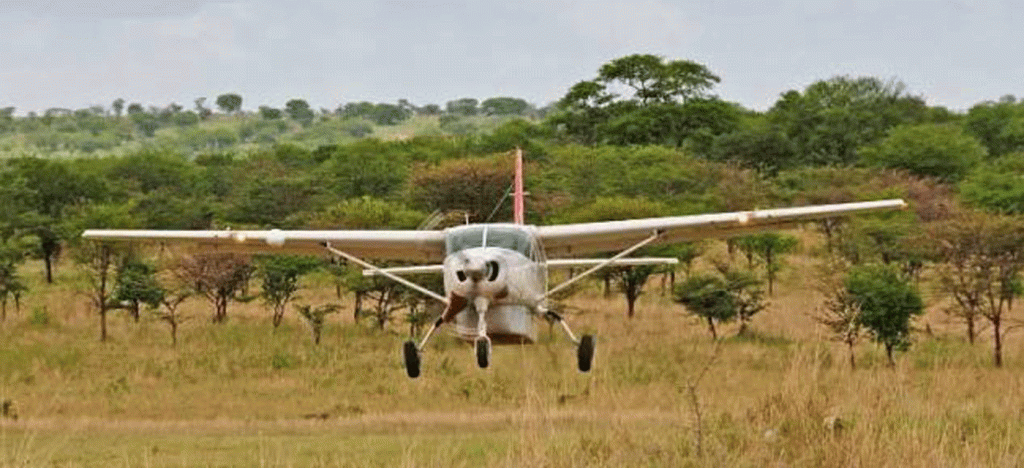
Domestic flights to the Serengeti are convenient but come at a high cost. For budget-conscious travelers replacing flights with road transfers offers significant savings without removing the core safari experience.
Traveling by road from Arusha or nearby areas takes longer typically several hours but it introduces additional value. The journey passes through diverse landscapes, rural communities and sometimes wildlife areas such as the Ngorongoro Conservation Area. This transforms the transfer itself into part of the safari experience.
Road travel also allows for flexibility. Stops can be made for scenic views, rest breaks or even spontaneous wildlife sightings. This adds depth to the journey and creates a more immersive understanding of Tanzania beyond the Serengeti. Comfort can be maintained by using well-equipped safari vehicles designed for long distances. With proper planning the journey becomes manageable and even enjoyable.
From a cost perspective eliminating flights reduces expenses significantly while maintaining access to the same destinations. This strategy reflects a smart trade-off exchanging time for savings while preserving and sometimes enhancing the overall experience.
Stay Near Park Borders to Reduce Accommodation Costs
Accommodation within the Serengeti National Park tends to be more expensive due to park fees, logistics and exclusivity. Staying near park borders or just outside designated areas provides a practical way to reduce costs without sacrificing access to wildlife.
These accommodations are often more affordable while still being located within reasonable driving distance of key safari zones. Early departures allow you to enter the park during peak wildlife activity hours ensuring that you do not miss important sightings. Another advantage is reduced congestion. Border areas can be quieter offering a more relaxed environment compared to busy central locations.
The main trade-off is slightly longer travel time at the start and end of game drives. However with proper planning this has minimal impact on the overall experience. This approach allows you to allocate more of your budget toward guiding, game drives and park access rather than accommodation costs.
It is a strategic compromise that maintains experience quality while lowering expenses.
Align Your Trip with Wildlife Movement Not Calendar Dates
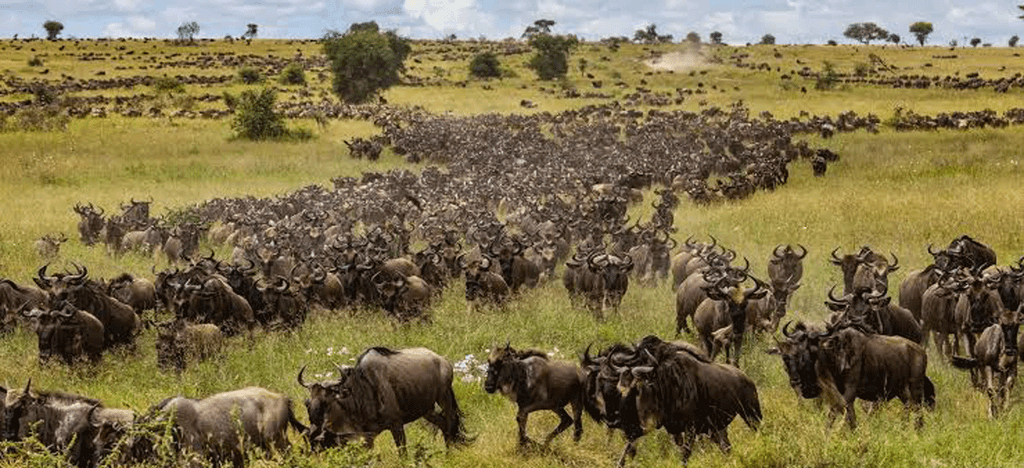
One of the most overlooked strategies in planning a cost-effective Serengeti safari is aligning your travel with wildlife movementrather than fixed calendar dates. Many travelers pick travel dates based on holidays availability or general “best time to visit” advice but this often leads to higher costs and less efficient wildlife viewing.
The Serengeti is not static. It is a dynamic ecosystem where animals especially during the Great Migration move continuously in search of water and fresh grazing. This means that at any given time one part of the park may be full of life while another may be relatively quiet. If you travel without considering this movement, you may need extra days (and extra money) just to find the action.
By contrast planning your safari around where animals are expected to be during your travel period allows you to maximize sightingswithin a shorter timeframe. For example the southern Serengeti is ideal during calving season while the northern regions are more active during river crossing months. Matching your location to these patterns increases efficiency dramatically.
This strategy reduces the need for long drives across the park saving both time and fuel costs. It also ensures that each game drive is productive rather than exploratory. Working with knowledgeable guides or local operators is especially valuable here. They track animal movements and can recommend the best areas for your specific dates.
In essence this approach replaces guesswork with strategy. Instead of spending more money to improve your chances you plan smarter toguarantee better results making your safari both cheaper and more rewarding.
Book Early for Control or Late for Discounts
Booking strategy plays a major role in determining the total cost of your Serengeti safari. There are two effective approaches booking early or booking last-minute. Each method offers distinct advantages and choosing the right one depends on your flexibility and travel priorities.
Booking early typically three to six months in advance gives you access to a wider range of accommodation options and better control over your itinerary. Camps and lodges often release lower rates before demand increases allowing you to secure quality stays at more affordable prices. Early booking also ensures availability in well-located camps which directly impacts your wildlife experience.
On the other hand last-minute booking can lead to significant discounts particularly during low or shoulder seasons. Operators may reduce prices to fill unsold spots creating opportunities for budget travelers. However this approach requires flexibility. You may need to adjust your travel dates, accept limited accommodation choices or follow pre-set itineraries.
The key to using this strategy effectively is understanding your priorities. If you want certainty and control early booking is the safer option. If your schedule is flexible and you are comfortable adapting plans last-minute deals can provide excellent value.
Both methods are valid and can lead to a high-quality safari experience. The mistake is not choosing one intentionally. Smart travelers decide their strategy in advance and use it to balance cost, convenience and experience quality.
Avoid Unnecessary Luxury Add-Ons
A common reason safari costs escalate quickly is the inclusion of luxury add-ons that do not enhance the core experience. While high-end lodges often promote features such as spa services, premium dining or elaborate room designs these elements have little to no impact on wildlife viewing.
The essence of a Serengeti safari lies in the game drives seeing animals in their natural habitat guided by knowledgeable experts. Whether you sleep in a luxury suite or a comfortable tent does not change where lions hunt or where elephants gather. Luxury add-ons increase costs because they require additional infrastructure, staffing and logistics. These expenses are passed on to the traveler often doubling or tripling the price of a safari without improving its main purpose.
A smarter approach is to focus on functional comfort. Choose accommodations that provide essential needs clean rooms, good food and proximity to wildlife areas without paying for unnecessary extras. This allows you to allocate your budget toward aspects that truly matter such as better guiding or more strategic locations.
Avoiding luxury add-ons also simplifies decision-making. Instead of being distracted by non-essential features you concentrate on building a safari that delivers strong wildlife experiences. This strategy is not about sacrificing comfort it is about recognizing what adds value and what does not. By cutting out unnecessary upgrades you maintain a high-quality safari while keeping costs under control.
Pack Smart to Eliminate Hidden Costs
Proper preparation is a simple yet powerful way to control safari expenses. Many travelers underestimate how small unplanned purchases can accumulate during a trip. In remote areas like the Serengeti basic items are often sold at higher prices due to limited availability and transportation costs.
Packing smartly allows you to avoid these unnecessary expenses. Essential items such as sunscreen, insect repellent, reusable water bottles and appropriate clothing should be brought with you. Neutral-colored clothing is especially important as it helps you blend into the environment and stay comfortable during game drives.
Binoculars are another valuable item. While some guides may provide them having your own ensures better viewing quality and convenience. Similarly, carrying a light jacket, hat and comfortable footwear improves your overall comfort without requiring additional purchases.
Preparation also reduces reliance on rentals or lodge-provided items, which can be costly. For example buying bottled water repeatedly can add up quickly whereas a reusable bottle significantly lowers daily expenses. Beyond financial savings packing smart enhances your experience. Being comfortable and well-prepared allows you to focus fully on wildlife viewing rather than dealing with avoidable inconveniences.
This strategy may seem minor compared to others, but its impact is consistent. By eliminating hidden costs and improving comfort you create a smoother more enjoyable safari experience without increasing your budget.
Choose Camps with Full-Board Packages
Food is an essential part of any safari but it can also become an unexpected expense if not planned properly. Choosing camps that offer full-board packages meaning breakfast lunch and dinner are included helps control costs and simplifies your overall experience.
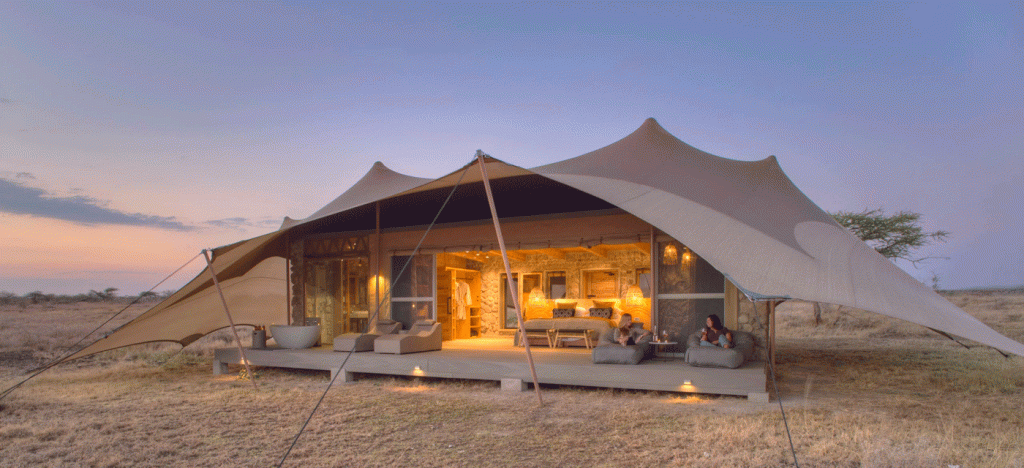
In remote safari locations dining options are limited. Purchasing meals separately often leads to higher costs due to transportation and supply challenges. Full-board packages eliminate this uncertainty by providing all meals at a fixed price. This approach also adds convenience. You do not need to worry about where or when to eat allowing you to focus entirely on your safari activities. Meals are usually scheduled around game drives ensuring that you maximize your time in the field.
Another advantage is consistency. Camps with full-board services typically maintain a standard level of quality ensuring that you receive reliable meals throughout your stay. This is especially important during long safari days when energy and comfort matter.
Combine Serengeti with Nearby Parks Strategically
A smart way to increase the value of your safari without significantly raising costs is to combine the Serengeti with nearby parks such as Ngorongoro. This approach creates a more diverse experience while making efficient use of your travel time and budget.
Each park offers unique features. The Serengeti is known for its vast plains and migration patterns while Ngorongoro provides a concentrated wildlife experience within a crater environment. By visiting both you gain exposure to different landscapes and animal behaviors without needing separate trips.
Strategic combination also reduces redundancy. Instead of spending many days in one area with similar scenery and wildlife you diversify your experience. This keeps the safari engaging and maximizes what you gain from each day. Cost-wise combining parks can be efficient because they are geographically close. Travel between them is relatively short reducing fuel and logistical expenses. Many safari itineraries are designed to include both locations seamlessly.
This approach ensures that you are not just spending money you are maximizing the return on each day of your safari. It transforms your trip into a richer and more varied experience without requiring a significantly larger budget.
Choose the Right Vehicle Setup
The safari vehicle is one of the most important elements of your experience yet it is often overlooked when planning a budget trip. A well-equipped vehicle directly affects your ability to see wildlife clearly and comfortably. Key features to look for include a pop-up roof for better visibility, comfortable seating and enough space to move freely. These factors determine how easily you can observe animals, take photos and enjoy long game drives.
In group safaris ensuring a guaranteed window seat is critical. Without it your viewing experience may be limited regardless of how good the wildlife sightings are. A poorly configured vehicle can reduce the quality of your safari, even if everything else is well planned. On the other hand a good vehicle enhances every moment making sightings more accessible and enjoyable.
This does not necessarily require extra spending. Many budget and mid-range operators provide excellent vehicles as part of their packages. The key is to confirm these details in advance. Choosing the right vehicle is a high-impact decision that directly influences your experience. It ensures that your investment no matter how modest delivers maximum enjoyment and value.
Focus on Guide Quality Above All Else
The quality of your guide is the single most important factor in determining the success of your safari. A skilled guide can transform an ordinary trip into an exceptional one by locating wildlife efficiently interpreting animal behavior and positioning the vehicle for the best possible views.
Guides rely on experience, knowledge and communication with other drivers to track animals. This network and expertise significantly increase your chances of witnessing rare or exciting moments. A good guide also enhances your understanding of the environment. They explain ecosystems, animal interactions and subtle behaviors that you might otherwise miss. This turns the safari into an educational and immersive experience not just a visual one.
Even on a tight budget prioritizing guide quality is essential. It is better to save money on accommodation than to compromise on guiding. A poor guide can limit your experience regardless of how much you spend elsewhere. When choosing a safari ask about guide qualifications, experience and reputation. Reviews and recommendations can provide valuable insights.
Ultimately the guide connects you to the Serengeti. Investing in a knowledgeable and passionate guide ensures that your safari is rich, engaging, and memorable proving that quality experience depends more on expertise than on spending.
Frequently Asked Questions for How to Do a Cheap Serengeti Safari Without Sacrificing Experience
1. Can I do a cheap Serengeti safari without sacrificing the experience?
Yes. A well-planned budget Serengeti safari can still provide excellent wildlife viewing. Focusing on timing, location, guide quality and efficient travel can reduce costs without compromising the core safari experience.
2. What is the cheapest time to visit the Serengeti?
The shoulder seasons around March to May and November can offer better value because tourist numbers and prices may be lower. The Serengeti remains active during these periods with fewer vehicles around wildlife sightings.
3. Is it cheaper to stay outside Serengeti National Park?
Yes, staying near the park borders can reduce accommodation costs. Although you may spend slightly more time traveling to and from game-drive areas this can allow more of your budget to go toward park access, guiding and game drives.
4. Is a group safari cheaper than a private Serengeti safari?
Generally, yes. Group safaris allow travelers to share fixed costs such as vehicle hire, fuel and guide services. Small groups of around four to six people can provide a good balance between affordability and comfort.
5. Can I visit the Serengeti without taking a flight?
Yes. Road transfers from Arusha or nearby areas can be used instead of domestic flights. Road travel takes longer but can significantly reduce transportation costs while adding opportunities to experience Tanzania’s landscapes and communities.
6. How many days do I need for a budget Serengeti safari?
A three- to four-day safari can provide excellent wildlife viewing when the itinerary is planned efficiently. Concentrating on productive wildlife areas and scheduling game drives around periods of high animal activity can make a shorter safari worthwhile.
7. Should I book my Serengeti safari early or at the last minute?
Both approaches can work. Booking three to six months ahead provides more accommodation choices and itinerary control while last-minute bookings may offer discounts during lower-demand periods.
8. How can I save money on Serengeti accommodation?
Choose comfortable budget or mid-range camps, consider locations near park borders and avoid paying for luxury features that do not directly improve your wildlife experience. Location and access to wildlife can be more important than expensive accommodation.
9. Are local safari operators cheaper?
Booking directly with a Tanzanian local operator can help eliminate additional intermediary costs. Local operators can also provide regional knowledge and more flexibility when customizing an itinerary and budget.
10. What should I prioritize when planning a budget Serengeti safari?
Prioritize wildlife location, travel timing, guide quality and efficient transportation. The article emphasizes that these factors can have a greater impact on the safari experience than luxury accommodation and expensive add-ons.
11. How can I avoid hidden costs on a Serengeti safari?
Packing essential items such as sunscreen, insect repellent, reusable water bottles, suitable clothing, a hat and comfortable footwear can help avoid expensive purchases in remote areas.
12. Are full-board safari camps good for budget travelers?
Yes. Camps offering breakfast, lunch and dinner in the package can make budgeting easier by reducing unexpected meal expenses. Full-board accommodation also provides convenience during long safari days.
13. Is the safari guide important on a budget Serengeti safari?
Yes. Guide quality is one of the most important factors affecting the safari experience. An experienced guide can help locate wildlife, understand animal behavior and make game drives more productive.
14. How can Serengeti Travels help with a budget safari?
Serengeti Travels helps travelers plan practical safari experiences by focusing on factors such as timing, location, guide quality and overall efficiency. This can help travelers control unnecessary costs while maintaining a rewarding Serengeti experience
Conclusion
A budget-friendly Serengeti safari is not about reducing quality it is about understanding where value truly lies and making decisions that support it. Serengeti Travels helps travelers plan practical safari experiences by focusing on the factors that matter most, including timing, location, guide quality and overall efficiency. The difference between an expensive safari and a smart safari is not always the level of comfort but the level of planning. When you focus on what genuinely improves the experience you begin to realize that the most important elements of a Serengeti safari are not necessarily tied to high costs.
The Serengeti does not change based on how much you spend. The same lions roam the plains the same herds migrate across the landscape and the same breathtaking sunsets unfold every evening. What changes is how effectively you position yourself to experience these moments. With thoughtful planning and local knowledge from a company such as Serengeti Travels travelers can enjoy an authentic safari experience without spending unnecessarily.
Each strategy in this guide works toward a single goal: maximizing experience while minimizing unnecessary expense. Whether it is choosing the shoulder season, staying in well-located camps, sharing costs through group safaris or relying on skilled local guides every decision can contribute to a more efficient and rewarding journey. Serengeti Travels can help travelers understand these options and choose arrangements that match their priorities and budget.
Ultimately the success of your safari depends on how well you understand the environment and how thoughtfully you approach your planning. When you prioritize what truly matters wildlife, timing and expertise you create an experience that is rich, immersive and unforgettable.