 English
 Deutsch
 Italia
December 16, 2025
By kelvingaspar
Fascinating Facts About Serengeti National Park
Fascinating Facts About Serengeti National Park
Table of contents
Introduction to Serengeti National Park
Serengeti National Park, located in Tanzania, is one of the most iconic and celebrated national parks in the world. Spanning approximately 14,750 square kilometers, this vast landscape is defined by its stunning vistas, diverse ecosystems, and abundant wildlife. The park was established in 1951 and is a UNESCO World Heritage Site, recognized for its ecological significance and the critical roles it plays in the preservation of wildlife.
One of the most fascinating aspects of Serengeti National Park is its unparalleled biodiversity. It is home to an array of species, including the African big five: lions, leopards, rhinoceros, elephants, and Cape buffalo. However, the park’s wildlife is not limited to these famous animals; over 500 species of birds, along with numerous plant species, contribute to the rich tapestry of life that thrives within its borders. Visitors to this remarkable park can experience the dynamic interplay of these species within their natural habitats.
Furthermore, the Serengeti is best known for the Great Migration, an annual event where millions of wildebeest, zebras, and other herbivores traverse the plains in search of fresh grazing grounds. This migration, often described as one of the greatest wildlife spectacles on Earth, attracts observers and researchers alike from around the globe, eager to witness the raw beauty and challenges of nature.
The park’s varied landscapes encompass open savannas, woodlands, and riverine forests, all contributing to its ecological complexity. This natural diversity not only supports an impressive array of wildlife but also offers visitors breathtaking views, making the Serengeti a vital destination for both conservation efforts and ecotourism. As this blog post unfolds, we will delve deeper into the park’s ecological importance, unique wildlife, and spectacular landscapes, shedding light on why Serengeti National Park remains a cherished global treasure.
Location and Size
Serengeti National Park, a premier wildlife conservation area in Tanzania, spans an impressive area of over 14,750 square kilometers. This vast expanse positions the park as one of the largest and most renowned protected areas in Africa. Geographically, it is located in the northeastern region of Tanzania, nestled between the Ngorongoro Conservation Area to the south and the Maasai Mara National Reserve in Kenya to the north. The park’s unique position allows it to encompass a variety of ecosystems, each contributing to the overall biodiversity that the Serengeti is famous for.
The landscape of the Serengeti is characterized by its rolling plains, savannas, riverine forests, and woodlands, which support an array of wildlife. This geographic diversity is crucial for sustaining the rich flora and fauna that thrive within the park. For instance, the open grasslands are teeming with herbivores such as wildebeests and zebras, which in turn attract predators like lions and hyenas. Additionally, the presence of the Grumeti and Mara Rivers provides essential water sources for both animals and plants, further enhancing the park’s ecosystems.
Not only does the size and location of Serengeti National Park make it a vital area for wildlife, but it also plays an important role in scientific research and conservation efforts. The vast terrain facilitates the movement and migration of species, allowing them to adapt to seasonal changes and environmental pressures. Through the implementation of various conservation programs, the park aims to protect these diverse habitats while balancing the interests of tourism and local communities. Overall, the geographical charm and expansive size of the Serengeti National Park significantly contribute to its reputation as a natural wonder and a key area for biodiversity in Africa.
UNESCO World Heritage Site Status
Serengeti National Park, nestled in Tanzania, holds the prestigious designation as a UNESCO World Heritage Site, recognized for its outstanding universal value. This status is not merely a badge of honor but reflects the park’s global significance, particularly in terms of biodiversity and ecosystems. The designation was granted due to the park meeting several key criteria set by UNESCO, which include the representation of a significant stage of Earth’s history and hosting outstanding natural phenomena. The Great Migration of wildebeest and zebra is arguably one of the most remarkable examples of this natural phenomenon, drawing attention from around the globe and underscoring the park’s ecological importance.
Beyond its breathtaking landscapes and diverse wildlife, Serengeti National Park is vital for conservation efforts aimed at protecting endangered species and their natural habitats. The UNESCO designation serves as a powerful tool that promotes international cooperation in safeguarding the park’s ecological integrity. This global recognition enhances efforts to mitigate threats such as poaching and habitat encroachment, which can jeopardize the delicate balance of the ecosystem. By increasing awareness and attracting funding for conservation initiatives, UNESCO status ensures that the vital conservation actions can be sustained over the long term.
Furthermore, the UNESCO World Heritage designation fosters a greater appreciation among visitors and local communities for the park’s natural beauty and wildlife. It encourages sustainable tourism, which benefits the local economy while ensuring that the environment is preserved for future generations. As such, the designation plays a crucial role in both promoting environmental stewardship and enhancing the educational aspects of conservation, creating a dual impact that extends beyond the borders of Serengeti National Park.
The Great Wildebeest Migration
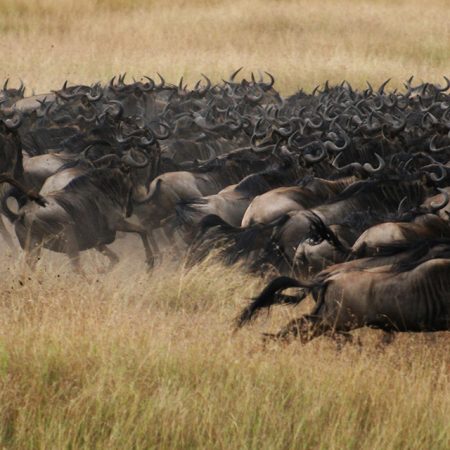
The Great Wildebeest Migration stands as one of the most remarkable natural phenomena on the planet, attracting thousands of visitors to the Serengeti National Park each year. This breathtaking event involves the annual movement of over a million wildebeests, along with hundreds of thousands of zebras and gazelles, as they travel across the plains in search of greener pastures and better grazing conditions. The migration primarily occurs between the Serengeti in Tanzania and the Maasai Mara in Kenya, with the animals undertaking an arduous journey that spans approximately 1,800 miles.
The timing of the migration is crucial, typically peaking from June to July when the wildebeests make their way northward, following the rains that rejuvenate the grasslands. They return south around October as the rainy season concludes. During this period, the herds face numerous challenges including crossing rivers teeming with crocodiles, navigating through predator territories, and enduring harsh weather conditions. These obstacles not only test the animals’ physical endurance but also significantly shape the behaviors and survival strategies of other wildlife in the Serengeti ecosystem.
This constant flux of animals creates a dynamic environment that influences the local wildlife. Predators such as lions, cheetahs, and hyenas benefit significantly from this migration, as they have a reliable source of food during this event. Additionally, the movement of such a large herd helps maintain the ecological balance by promoting the growth of new vegetation, which is essential for the entire ecosystem’s health. Moreover, the migration fosters biodiversity, supporting various species that depend on this unique interaction. In conclusion, the Great Wildebeest Migration exemplifies the intricate connections between species and the varying challenges they face within the Serengeti National Park. This awe-inspiring journey continues to be a fascinating aspect of wildlife conservation and the natural world.
The Big Five and Other Wildlife
Serengeti National Park, renowned for its breathtaking landscapes and rich wildlife, offers an extraordinary glimpse into one of the most diverse ecosystems on the planet. At the heart of its wildlife narrative are the iconic ‘Big Five’ – a term that refers to five of the most formidable and sought-after species in the realm of safari adventures: lions, leopards, elephants, buffalo, and rhinoceros.
Lions are undoubtedly one of the star attractions of the Serengeti, where their regal presence dominates the savannah. These remarkable carnivores live in prides that often consist of a few related females, their young, and a coalition of males. The sheer power and social structure of these big cats captivate visitors, making it a highlight of any wildlife viewing experience.
Leopards, known for their elusive nature, showcase impressive hunting skills and adaptability, thriving in diverse habitats within the park. Their stunning spotted coats allow them to blend seamlessly into the environment, adding to the thrill of stumbling upon one during a safari.
Among the largest land mammals, elephants roam freely across the Serengeti. Their complex social structures and intelligence are a source of fascination, while their significant presence signifies the health of the ecosystem. Together with elephants, African buffalo contribute to the rich tapestry of wildlife. These large herbivores are often seen in groups and are known for their unpredictable nature, which can sometimes pose a challenge for predators.
Lastly, the endangered rhinoceros, while more elusive, is equally significant within the park’s biodiversity. Although less frequently sighted, they play a critical role in maintaining the balance of their habitats.
Beyond the Big Five, the Serengeti is home to thousands of other species, including giraffes, zebras, wildebeests, and a plethora of bird species, making it a vibrant destination for nature enthusiasts and photographers alike. The diverse wildlife and their interrelationships within this vast ecosystem render Serengeti National Park a remarkable treasure for conservation and tourism.
Rich Birdlife
Serengeti National Park, renowned for its vast savannas and exceptional wildlife, also boasts an impressive avian diversity that attracts birdwatchers from around the globe. Home to over 500 species of birds, the park presents a remarkable opportunity for observing both migratory and resident birds throughout the year. The park’s varied habitats—ranging from grasslands to woodlands and wetlands—provide ideal conditions for numerous bird species to thrive.
The migratory bird season, which typically peaks between November and April, brings an influx of species from Europe and northern Asia. This period sees the arrival of colorful swallows, martins, and various species of raptors that seriously enhance the park’s birdwatching appeal. Some notable migratory species include the European bee-eater and the white stork, both of which can be seen nesting and foraging in the park’s rich ecosystems.
In addition to the migratory birds, Serengeti National Park is also home to countless resident bird species, offering year-round birdwatching opportunities. These residents include iconic species such as the lilac-breasted roller, with its vibrant plumage, and the formidable African fish eagle, known for its distinctive call. The park’s wetlands attract both aquatic and semi-aquatic birds, such as the great white pelican and various stork species, contributing further to the richness of the avian life found here.
Birdwatching activities can be enjoyed in various parts of the park, with guided tours available for enthusiasts who wish to explore specific areas known for their bird populations. Whether one is a seasoned birder or a casual observer, the diverse birdlife at Serengeti National Park provides a captivating experience that enhances the overall allure of this UNESCO World Heritage Site. The rich birdlife contributes significantly to the park’s reputation as a top birdwatching destination in Tanzania.
Diverse Landscapes of the Serengeti
Serengeti National Park, renowned for its extraordinary wildlife, is equally captivating for its diverse landscapes. This UNESCO World Heritage site boasts a variety of habitats, including vast open plains, dense riverine forests, and striking rocky kopjes. Each of these unique environments plays a crucial role in sustaining the rich biodiversity that the park is famous for.
The open plains of the Serengeti are perhaps the most iconic feature of the park, stretching as far as the eye can see. They provide an ideal habitat for large herbivores, such as wildebeests and zebras, which migrate in search of fresh grazing areas. This annual migration not only supports these species’ survival but also attracts an array of predators, including lions and cheetahs, creating a dynamic ecosystem that draws wildlife enthusiasts from around the globe.
In contrast, the shaded riverine forests, located along the park’s rivers, offer a vastly different ecological niche. These lush green corridors are home to a myriad of bird species and primates, including baboons and monkeys. The thick foliage provides shelter and sustenance to countless animals, enhancing the park’s ecological complexity. Moreover, the interplay of light and shadow in these forests presents photographers with captivating opportunities to capture the park’s diverse wildlife.
Lastly, the rocky kopjes, with their bouldered formations rising from the plains, add another dimension to the Serengeti’s allure. These unique geological structures create microhabitats that house various species, including leopard, which often utilizes the high vantage points for observation. Additionally, the breathtaking views of the surrounding landscapes from the kopjes further highlight the park’s natural beauty, making them a must-visit for travelers.
In conclusion, the diverse landscapes of Serengeti National Park provide more than just breathtaking scenery; they are fundamental to the thriving ecosystems that support a wide array of wildlife. From open plains teeming with herbivores to shaded forests and rocky outcrops, each habitat contributes to the park’s reputation as a premier destination for nature lovers and adventure seekers alike.
Best Time to Visit for Safari Lovers
When planning a safari to the iconic Serengeti National Park, understanding the seasonal dynamics is crucial for maximizing wildlife viewing opportunities. The most favorable times for safari enthusiasts to visit largely hinge upon weather patterns and animal behaviors, particularly the famed Great Migration. This natural spectacle typically occurs between late June and early September, drawing countless tourists eager to witness the dramatic river crossings of wildebeest and zebra. These months feature dry weather and minimal vegetation, facilitating easier spotting of animals.
While the peak season, characterized by higher visitor numbers and more expensive accommodation rates, offers unparalleled wildlife experiences, the off-peak season presents its own unique advantages. The off-peak months, notably from late March to early May, coincide with the “green season”, when the landscape is lush and vibrant. Though rainfall can be frequent during this period, it is also when various species, including migratory birds and new offspring, can be best observed. Visitors during these months benefit from fewer tourists, enhanced accessibility, and potentially lower prices on travel packages.
Moreover, the transition months of November and December serve as a bridge between the wet and dry seasons. This time is characterized by moderate weather conditions and an abundance of wildlife, as animals tend to congregate around water sources. Thus, for safari enthusiasts seeking a rich experience without the crowds, visiting during these transitional periods can be both rewarding and cost-effective.
In essence, while the Serengeti National Park is a year-round destination, timing your visit in accordance with the seasonal wildlife patterns can significantly enhance your safari experience. Whether you choose the bustling peak season or the quieter off-peak months, the park’s allure remains constant, making it a must-visit location for any safari lover.
Conclusion: A Must-Visit Destination
Serengeti National Park stands as a remarkable testament to Africa’s biodiversity and natural beauty, making it a premier choice for travelers and safari enthusiasts alike. The park’s vast landscapes, which range from open plains to lush woodlands, are home to an extraordinary array of wildlife, including the famous Big Five – lions, elephants, buffaloes, leopards, and rhinoceroses. These iconic animals, along with countless other species, create an awe-inspiring backdrop that draws nature lovers from around the globe.
Moreover, one of the park’s most breathtaking events is the Great Migration, where millions of wildebeest and zebras traverse the Serengeti in search of fresh grazing grounds. This incredible phenomenon not only showcases the raw power of nature but also serves as a reminder of the delicate balance that exists within ecosystems. Witnessing this migration in person provides an unparalleled experience that underscores why the Serengeti is often referred to as the epitome of safari adventures.
The park’s commitment to conservation speaks volumes about its importance in preserving the rich wildlife and habitats found here. Efforts to maintain the delicate ecosystem ensure that future generations can enjoy the same stunning views and diverse animal life. Furthermore, the various accommodation options, ranging from luxury lodges to budget campsites, provide a range of choices for travelers, making it accessible for many.
In light of its captivating wildlife, breathtaking landscapes, and ongoing conservation efforts, Serengeti National Park is undoubtedly a must-visit destination for anyone seeking an authentic safari experience. A journey to this enchanting park promises not only a chance to observe magnificent creatures in their natural habitat but also an opportunity to connect with the essence of Africa itself. Therefore, consider planning your visit to this iconic national park and immerse yourself in its unique attributes firsthand