 English
 Deutsch
 Italia
December 16, 2025
Top Activities to Experience in the Serengeti Beyond Game Drives
Itroduction
The Serengeti is famous for unforgettable game drives but the park offers much more than watching wildlife from a safari vehicle. Top Activities to Experience in the Serengeti Beyond Game Drives allow travelers to experience Tanzania’s wilderness from different perspectives, whether floating above the plains in a hot air balloon, walking through the bush with a trained guide, photographing dramatic landscapes, watching birds or enjoying a peaceful African sunset. These experiences add variety to your safari and help you connect with the Serengeti in a more personal way.
The Serengeti landscape changes throughout the year. During the dry season golden grasslands create spectacular photographic conditions, while the green season brings fresh vegetation, colorful wildflowers, migratory birds and dramatic skies. The Great Migration also changes the atmosphere across different regions, making every season offer something different.
Serengeti Travels can help travelers combine traditional wildlife viewing with carefully planned experiences that match their interests, travel style and safari itinerary. Some activities operate only in specific areas or under particular regulations so travelers should confirm availability before booking.
Whether you want adventure, photography, relaxation, cultural connection or a completely different view of the wilderness exploring the Serengeti beyond game drives can make your Tanzania safari even more memorable.
Take a Hot Air Balloon Safari Over the Serengeti
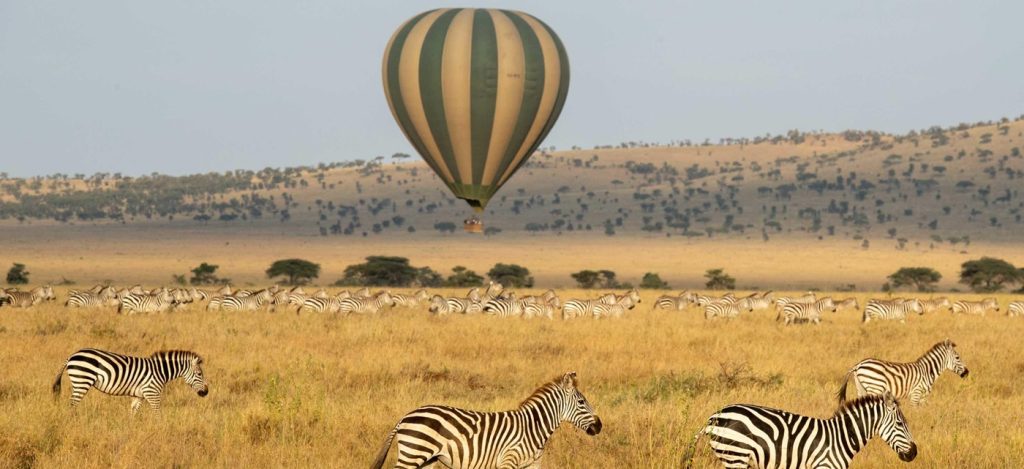
A hot air balloon safari offers one of the most spectacular ways to experience the Serengeti from above. Instead of following wildlife from a vehicle, you rise quietly above the plains and watch the landscape unfold beneath you. As the balloon moves with the wind you can see enormous grasslands, winding rivers, woodland patches, kopjes and wildlife moving across the open plains.
Most balloon experiences begin before sunrise. You leave camp early and travel to the launch area while the sky remains dark. Once the crew prepares the balloon you climb into the basket and begin your flight as the first light appears over the horizon. The changing colors of sunrise create excellent conditions for photography.
From the air, you gain a completely different understanding of the Serengeti ecosystem. Herds of wildebeest, zebra, antelope and other animals may appear as small moving groups across the landscape. The height also reveals patterns in the plains that you cannot easily appreciate from ground level.
After the flight operators commonly arrange a bush breakfast in the wilderness. Sitting outdoors and enjoying breakfast surrounded by the Serengeti landscape creates another memorable part of the experience.
Balloon safaris usually require advance booking because operators have limited capacity. Weather conditions can also affect flights. For travelers seeking a peaceful adventure beyond conventional safari vehicles a Serengeti balloon safari provides an extraordinary perspective on Tanzania’s wilderness.
Experience a Guided Walking Safari
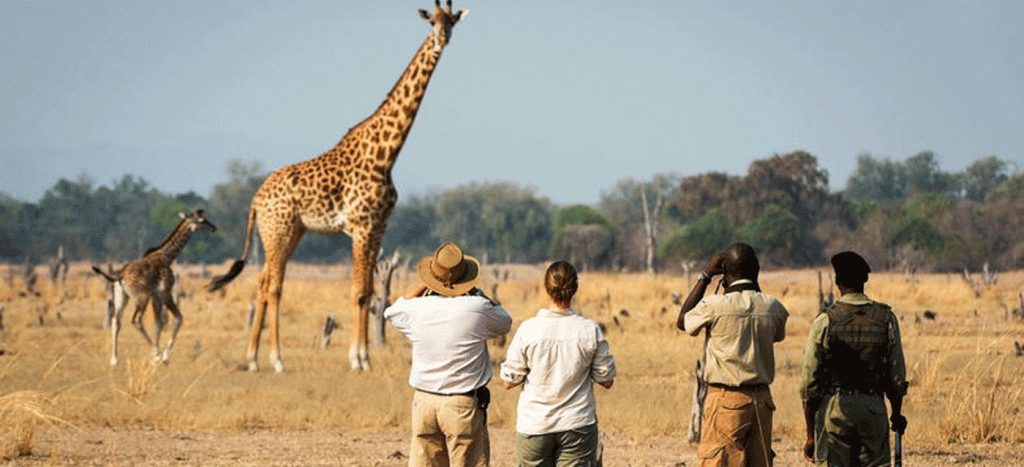
A guided walking safari allows you to experience the Serengeti at ground level and notice details that you might miss from a vehicle. Instead of covering large distances, you move slowly through the landscape with an experienced and appropriately qualified guide. This slower pace encourages you to observe animal tracks, insects, plants, birds, rocks and other signs of life.
Walking also changes how you experience the sounds of the wilderness. Without an engine running, you can hear birds calling, insects moving through vegetation and wind passing across the grass. Your guide can explain how animals use different habitats and how plants survive in the Serengeti environment.
Safety remains the most important consideration. Walking activities operate under specific rules and may take place only in suitable areas, such as designated zones, private concessions or surrounding conservation areas. Guides assess conditions and wildlife activity before deciding where and how to walk. Travelers should always follow their guide’s instructions and maintain appropriate distances from wildlife.
A walking safari can also teach you about animal tracks and signs. You may learn to identify footprints, droppings, feeding marks, broken branches and other clues that reveal what animals recently passed through an area.
This experience works particularly well for travelers who enjoy nature, photography, ecology and adventure. It does not replace a traditional game drive because you cover less ground but it provides a more intimate understanding of the ecosystem.
Adding a guided walk to your Serengeti itinerary can therefore transform your safari from simply observing wildlife into actively discovering how the entire landscape functions.
Enjoy a Serengeti Bush Breakfast
A bush breakfast turns an ordinary morning into a memorable wilderness experience. After an early wildlife activity your safari team can arrange breakfast in a carefully selected outdoor location where you can enjoy fresh food while surrounded by the Serengeti landscape.
The experience usually begins early because mornings offer cooler temperatures and beautiful light. Your guide chooses a suitable location while following park regulations and safety requirements. Once the team prepares the breakfast area you can sit outdoors and enjoy your meal while looking across the plains.
Unlike breakfast at a lodge or tented camp a bush breakfast places you directly within the natural environment. You may hear birds calling nearby, watch distant wildlife or simply enjoy the peaceful atmosphere of the open savannah.
A bush breakfast also creates an excellent opportunity for photography. Morning light produces softer shadows and warm tones across the landscape. Photographers can capture images of the plains, trees, kopjes, birds and distant animals while enjoying a relaxed meal.
Travelers often combine a bush breakfast with an early morning safari or balloon experience. This combination allows you to start the day with adventure before slowing down for a peaceful outdoor meal.
The experience works especially well for couples, families, honeymoon travelers and visitors celebrating a special occasion. However it does not need to be reserved only for special events. Anyone who wants to experience the Serengeti differently can enjoy the simple pleasure of eating breakfast surrounded by Tanzania’s wilderness.
For Serengeti Travels guests adding a bush breakfast can bring another memorable dimension to a safari itinerary without requiring an entire extra day.
Explore Serengeti Landscapes Through Photography
The Serengeti provides exceptional opportunities for photography far beyond traditional wildlife portraits. The enormous plains, dramatic skies, rocky kopjes, acacia trees, changing light and seasonal landscapes give photographers countless subjects to explore.
Early morning and late afternoon provide particularly attractive natural light. During sunrise soft light spreads across the grasslands and creates long shadows. Later in the day sunset can transform the sky and landscape into a dramatic scene. Photographers can use these periods to capture landscapes, silhouettes, wildlife and environmental portraits.
You do not need professional equipment to enjoy Serengeti photography. A smartphone can capture impressive images when you use good light and compose carefully. Travelers with cameras can experiment with wide-angle lenses for landscapes and longer lenses for distant wildlife.
Photography also encourages you to slow down. Instead of simply moving from one wildlife sighting to another, you begin paying attention to composition, background, light, movement and atmosphere. A lone tree against an open horizon can become as interesting as a large animal encounter.
Your guide can also help identify locations and positions that provide better photographic opportunities while respecting park rules and wildlife distances. Patience remains essential because wildlife rarely follows a photographer’s schedule.
The green season offers lush landscapes and dramatic cloud formations while the dry season can produce golden grass and clear visibility. Each period creates a different photographic style.
For travelers interested in documenting their journey, a dedicated Serengeti photography experience can turn an ordinary safari into a collection of memorable visual stories.
Go Birdwatching in the Serengeti
Birdwatching provides another rewarding way to experience the Serengeti beyond focusing exclusively on large mammals. The ecosystem supports a remarkable variety of resident and migratory birds, making the park interesting for both experienced birders and casual wildlife enthusiasts.
Birdwatching encourages travelers to explore smaller details within the ecosystem. Instead of searching only for lions, elephants, leopards or cheetahs you begin noticing colorful bee-eaters, eagles, vultures, storks, rollers, hornbills, weavers and many other species.
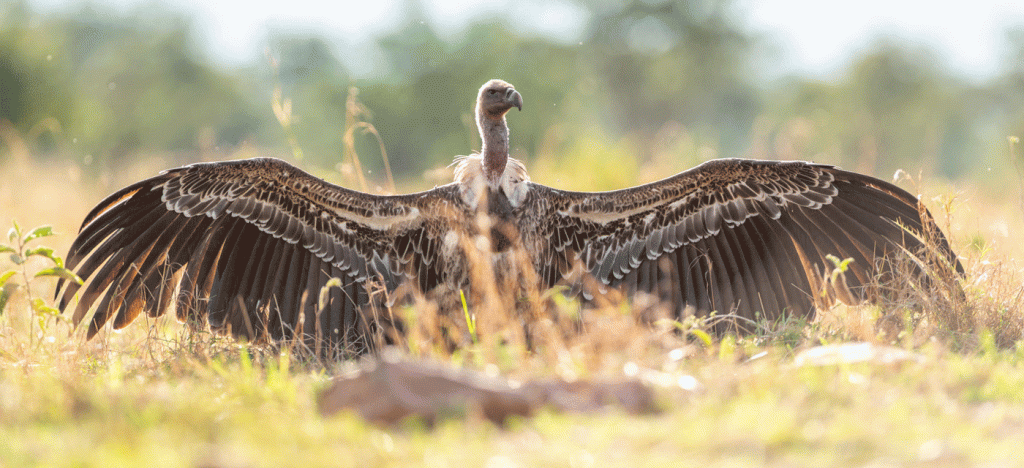
Different habitats support different bird communities. Open grasslands, woodland areas, riverine environments, wetlands and rocky landscapes each attract different species. Your guide can help identify birds by appearance, behavior, calls and habitat.
The green season can provide particularly interesting birdwatching conditions because migratory species join resident birds, while fresh vegetation supports increased insect activity and other food sources. However birdwatching remains possible throughout the year.
A pair of binoculars can significantly improve the experience. You can observe birds from a safe distance without disturbing them while a camera with a suitable lens can help record sightings.
Birdwatching also teaches you about the ecological relationships within the Serengeti. Birds may act as predators, scavengers, seed dispersers or indicators of environmental conditions. Vultures, for example, play an important role in removing animal remains while insect-eating species help regulate insect populations.
If you already plan several game drives adding dedicated birdwatching time can create a welcome change of pace. It gives you another reason to appreciate the Serengeti’s biodiversity and discover wildlife that many first-time visitors overlook.
Visit Maasai Communities Near the Serengeti
A cultural experience near the Serengeti can help travelers learn about local communities and understand how people interact with the surrounding environment. When arranged responsibly a visit can provide opportunities to learn about traditions, daily life, crafts, livestock keeping, food, music and community history directly from local people.
Respect should remain at the center of any cultural visit. Travelers should choose experiences that involve genuine community participation and avoid treating people or traditions as entertainment. Ask permission before taking photographs and listen to local hosts rather than making assumptions about their lives.
A community visit can introduce you to traditional knowledge that connects closely with the surrounding environment. Local residents may explain how they identify plants, manage livestock, interpret weather patterns and use natural resources. These conversations can provide perspectives that you cannot gain from a conventional wildlife safari.
Some experiences may include demonstrations of traditional crafts or opportunities to purchase locally produced items. Buying directly from community members can support local livelihoods when the activity operates fairly and transparently.
Travelers should also recognize that cultural experiences differ between communities. There is no single lifestyle that represents every person living around the Serengeti. Each community has its own history, customs and contemporary experiences.
For Serengeti Travels guests a carefully arranged cultural visit can complement wildlife activities and provide a broader understanding of northern Tanzania.
Rather than simply passing through the region travelers can spend meaningful time learning from local hosts. This creates a more complete safari experience by connecting the natural environment with the people who live around and interact with it.
Watch a Serengeti Sunset
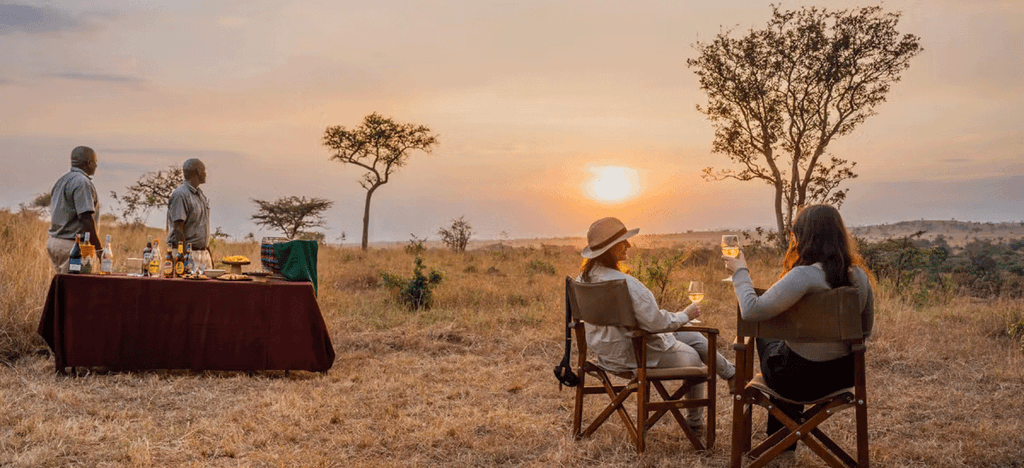
Watching the sunset across the Serengeti provides one of the simplest yet most memorable activities beyond conventional game viewing. As the sun moves toward the horizon the open grasslands change color creating warm golden tones across the landscape.
A sunset experience does not require constant movement. Instead, you can stop at an appropriate location and allow yourself time to appreciate the surroundings. Your guide can select a suitable and permitted viewpoint while maintaining the necessary safety considerations.
The Serengeti landscape becomes particularly atmospheric during the final hours of daylight. Acacia trees can form striking silhouettes, distant hills create layered horizons and clouds can reflect changing shades as the sun disappears.
Photography enthusiasts can use this period to experiment with silhouettes and landscape compositions. Travelers without cameras can simply enjoy the view and take a break from the day’s activities.
A sunset stop also provides an opportunity to reflect on the experiences of the day. After hours of exploring wildlife habitats, you can slow down and appreciate the scale of the Serengeti itself.
Some safari camps and lodges also organize sundowners in appropriate locations allowing guests to enjoy refreshments while watching the changing sky. These experiences depend on location, regulations and the operator’s arrangements.
Sunset experiences work particularly well for couples, families, photographers and anyone who enjoys landscapes. They require little physical effort but can become one of the most memorable moments of a safari.
The Serengeti does not always need dramatic wildlife action to impress visitors. Sometimes, the endless horizon, changing light and quiet atmosphere provide the perfect safari experience.
Discover the Serengeti Through Stargazing
The Serengeti’s remote location provides excellent opportunities to experience the African night sky. Away from major cities and intense artificial lighting many safari camps offer travelers the chance to observe stars after sunset.
Stargazing provides a completely different perspective on the Serengeti. During the daytime, you focus on wildlife, landscapes and activities. At night you can turn your attention toward the sky and observe constellations, planets, the Moon and countless stars.
Some camps organize guided astronomy experiences where staff explain visible celestial objects and share information about the night sky. Other travelers simply enjoy sitting outside their camp and looking upward after dinner.
The experience can become particularly memorable during clear nights when the sky remains free from clouds. The surrounding darkness also reminds travelers how different the wilderness feels after sunset compared with the busy activity of daytime safari.
Safety remains essential. Travelers should never walk around camp alone at night unless the accommodation specifically permits it. Many camps provide escorts between tents and common areas because wildlife can move through the surrounding environment after dark.
Photography enthusiasts can also attempt night-sky photography when conditions and equipment allow. A tripod, suitable camera settings and patience can help capture stars above the Serengeti landscape.
Stargazing works well as a peaceful complement to an active safari schedule. After spending the day exploring you can end the evening quietly beneath a vast African sky.
For travelers seeking something beyond wildlife sightings Serengeti stargazing offers a memorable reminder that the destination’s natural beauty continues long after the sun disappears.
Explore the Serengeti Kopjes and Rock Formations
The Serengeti’s kopjes provide some of the most distinctive landscapes in the ecosystem. These large granite rock formations rise above the surrounding grasslands and create dramatic viewpoints across the plains.
Exploring kopjes can add geological and photographic interest to a safari. From a safe and permitted location travelers can observe how vegetation grows around the rocks and how animals use these formations for shelter, resting and observation.
Kopjes also provide an opportunity to understand how geology influences wildlife habitats. Their elevated surfaces can offer animals shade while cracks and crevices provide shelter for smaller creatures. During certain periods predators may use rocky environments as strategic locations for observing their surroundings.
Photographers often appreciate kopjes because they create strong visual contrasts against the open plains. The rocks can frame distant wildlife, sunrise scenes, sunset silhouettes and wide landscape photographs.
Your guide can explain the geological features and identify appropriate viewing areas. Travelers should avoid climbing restricted formations or approaching wildlife too closely. The goal is to appreciate the landscape while protecting the natural environment.
Some famous kopje areas can become interesting highlights during a broader safari route particularly when combined with wildlife viewing and photography.
Although kopjes may not involve a separate organized activity like ballooning or walking intentionally exploring these formations can give your Serengeti itinerary more variety.
They demonstrate that the Serengeti experience extends beyond animals. The landscape itself tells an important story about geology, vegetation, weather and wildlife. Taking time to appreciate these formations can therefore make your safari more educational and visually rewarding.
Enjoy a Slow Safari Experience at Your Camp
Sometimes the best way to experience the Serengeti beyond game drives is to slow down and enjoy your camp or lodge. Safari itineraries can become busy when travelers schedule activities from early morning until evening so setting aside time to relax can improve the overall experience.
Many camps provide peaceful spaces where guests can sit, read, photograph the surroundings or simply listen to the sounds of nature. Some properties offer swimming pools, outdoor seating areas, cultural talks, wellness treatments or other leisure experiences depending on the accommodation.
Relaxing at camp does not mean missing the Serengeti. Wildlife may move through nearby areas, birds may visit trees around the property and changing weather can create beautiful views across the surrounding landscape.
Camp time also provides an opportunity to interact with guides and staff. Conversations can help you understand local wildlife, conservation, travel conditions and the geography of the region. Staff often have valuable knowledge about seasonal changes and recent wildlife activity.
Travelers celebrating honeymoons, anniversaries, birthdays or other special occasions may particularly appreciate a slower afternoon at camp. Instead of rushing between activities you can enjoy the atmosphere and give yourself time to absorb the experience.
A balanced safari does not need to fill every hour with activities. Rest can make early mornings and long wildlife-viewing days more enjoyable.
Serengeti Travels can help build an itinerary that combines active experiences with enough downtime. By allowing space for relaxation you can experience both the adventure and tranquility that make the Serengeti special.
How to Choose the Right Serengeti Activities for Your Safari
Choosing activities depends on your interests, available time, travel season, accommodation and the specific area of the Serengeti you plan to visit. Travelers who enjoy adventure may prefer guided walking experiences while photographers may want more time for landscapes, wildlife and sunrise or sunset photography.
A hot air balloon safari works well for travelers seeking a memorable aerial perspective while birdwatchers can dedicate more time to identifying resident and migratory species. Cultural experiences suit travelers who want to learn more about communities living around the ecosystem while stargazing provides a peaceful evening activity.
Your itinerary also matters. A short safari may require you to prioritize a few experiences while a longer itinerary gives you more flexibility to combine activities without rushing. Seasonal conditions can also influence what you experience. Green-season landscapes can look dramatically different from the dry-season plains.
You should also confirm whether an activity operates in your chosen location. Some experiences require specific permissions, designated areas, private concessions or suitable weather conditions. Your safari operator can explain what is available and how each activity fits into your route.
The best approach is to combine different experiences rather than trying to do everything. For example you could pair traditional game drives with a balloon safari, a bush breakfast, photography time and a cultural experience.
This combination allows you to experience the Serengeti through wildlife, landscapes, culture, food and adventure rather than relying on one activity alone.
Why Go Beyond Game Drives in the Serengeti?
Game drives remain one of the most popular ways to explore the Serengeti but they represent only one part of the destination’s wider experience. Going beyond game drives allows you to experience the ecosystem from different perspectives and create a more varied itinerary.
A balloon safari lets you see the plains from above. A walking experience brings you closer to the smaller details of nature. Photography encourages you to study light and landscapes while birdwatching introduces you to species that many visitors overlook. Cultural experiences can help you learn from communities around the ecosystem, while sunset viewing and stargazing reveal the Serengeti’s beauty at different times of day.
These activities also help travelers slow down. Instead of constantly searching for the next animal sighting, you can appreciate the landscape, sounds, sky, geology and people connected to the region.
The Serengeti changes throughout the year so returning travelers can discover different experiences during different seasons. Rain can transform the landscape, migratory birds can arrive and wildlife movements can shift according to changing environmental conditions.
For travelers planning a Tanzania safari combining game drives with carefully selected additional experiences can create a richer and more personal journey. Serengeti Travels can help you plan an itinerary that balances wildlife viewing, adventure, relaxation, photography and cultural experiences according to your interests.
The Serengeti is more than a place to watch animals. It is a living ecosystem with landscapes, skies, communities and natural experiences waiting to be explored.
Conclusion
The Top Activities to Experience in the Serengeti Beyond Game Drives show that this iconic destination offers far more than traditional wildlife viewing. A hot air balloon safari reveals the endless plains from above, while guided walking experiences bring you closer to the smaller details of the ecosystem. Bush breakfasts, sunset viewing, stargazing, photography, birdwatching, cultural visits and time spent relaxing at camp add new dimensions to your safari.
Each activity allows you to experience the Serengeti from a different perspective. Whether you want adventure, photography, nature, culture, relaxation or unforgettable scenery, you can build an itinerary that reflects your interests and travel style. Seasonal changes also create different opportunities from vibrant green landscapes and migratory birds to golden grasslands and dramatic sunsets.
At Serengeti Travels we help travelers combine classic game drives with carefully selected experiences that make their Tanzania safari more diverse and memorable. By adding activities beyond game drives you can discover not only the incredible wildlife but also the landscapes, sounds, culture and atmosphere that make the Serengeti truly special.