 English
 Deutsch
 Italia
May 26, 2026
Best Safari Routes for Wildlife Viewing in Serengeti.
Introduction
The Best Safari Routes for Wildlife Viewing in Serengeti offer travelers an exceptional opportunity to experience one of the world’s most iconic wildlife destinations. The Serengeti provides an unmatched safari experience shaped by vast landscapes, seasonal wildlife movements and extraordinary biodiversity. However what many travelers do not realize is that the Serengeti is not a single uniform area it is a complex ecosystem divided into distinct regions, each with its own unique wildlife patterns, scenery and safari routes.
Understanding these routes is essential for anyone who wants to experience the best of what the Serengeti has to offer. From the predator-rich plains of Central Serengeti to the dramatic river crossings in the north every route tells a different story of survival, movement and natural balance. Some areas are known for year-round wildlife viewing while others come alive during specific seasons such as the Great Migration or the calving period.
This means that choosing the right safari route is not just about location it is about timing, expectations and the type of wildlife encounters you want to witness. A well-planned safari often involves combining multiple routes to experience different aspects of the ecosystem.
Whether you are interested in seeing big cats in action, witnessing thousands of wildebeest crossing rivers or enjoying quieter, less crowded landscapes, each route offers something valuable. By understanding how these safari routes function, travelers can make informed decisions and maximize their chances of unforgettable wildlife sightings.
In this guide the Best Safari Routes for Wildlife Viewing in Serengeti are explored in detail, helping you plan a journey that matches your interests and delivers a rich and rewarding safari experience.
Table of contents
- Introduction
- Central Serengeti (Seronera Valley Route) Best Safari Routes for Wildlife Viewing in Serengeti.
- Western Corridor (Grumeti River Route) Best Safari Routes for Wildlife Viewing in Serengeti.
- Northern Serengeti (Mara River Route)
- Southern Serengeti (Ndutu Plains Route)
- Eastern Serengeti (Namiri Plains Route) Best Safari Routes for Wildlife Viewing in Serengeti.
- Lobo Area Route (Northeastern Serengeti)
- Kogatende Route (Far Northern Serengeti) Best Safari Routes for Wildlife Viewing in Serengeti.
- Moru Kopjes Route (Central-Southern Serengeti)
- Ndabaka Gate to Western Serengeti Route
- Seronera to Namiri Plains Route (Central to Eastern Transition)
- Conclusion
Central Serengeti (Seronera Valley Route) Best Safari Routes for Wildlife Viewing in Serengeti.
The Seronera Valley in Central Serengeti is widely regarded as the heart of wildlife viewing in the entire ecosystem. This route is ideal for first-time visitors because it offers consistent animal sightings throughout the year. The reason for this reliability is the presence of permanent water sources especially the Seronera River which attracts animals even during the dry season when other areas become sparse.
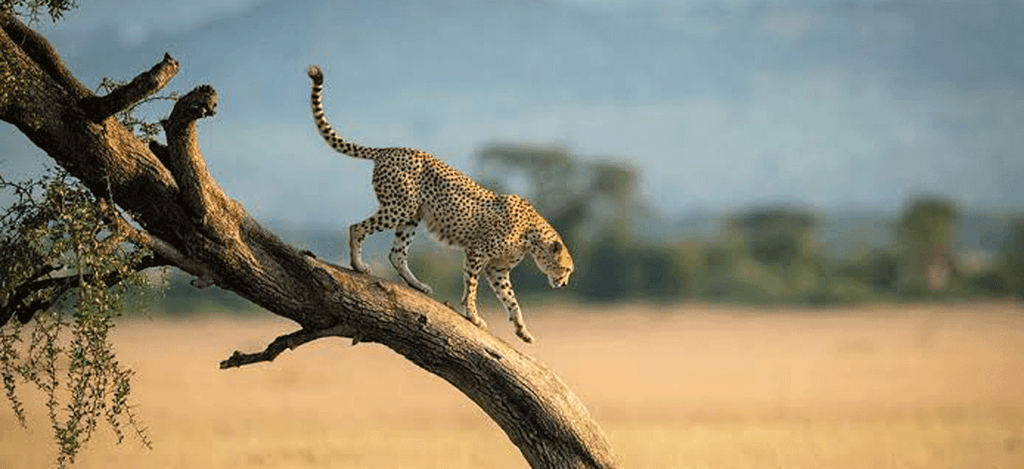
Driving through this route, you are likely to encounter large populations of lions, leopards and cheetahs. The area is particularly famous for its leopard sightings often seen resting on acacia trees along riverbanks. Hyenas, jackals and other predators are also commonly spotted making it one of the best places to witness predator-prey interactions.
In addition to carnivores the plains surrounding Seronera host thousands of herbivores such as zebras, gazelles and wildebeest. During the migration season massive herds pass through this region creating dramatic scenes of movement and survival. Even outside migration months resident wildlife ensures that game drives remain rewarding.
The road network in Central Serengeti is well-developed compared to other regions, making navigation easier and allowing guides to access key wildlife hotspots efficiently. This also means you can enjoy both morning and afternoon game drives without spending too much time traveling between locations.
Overall, the Seronera route offers a balanced safari experience combining accessibility high wildlife density and diverse landscapes. It is often considered the best all-around route for travelers who want to maximize their chances of seeing a wide variety of animals in a limited time.
Western Corridor (Grumeti River Route) Best Safari Routes for Wildlife Viewing in Serengeti.
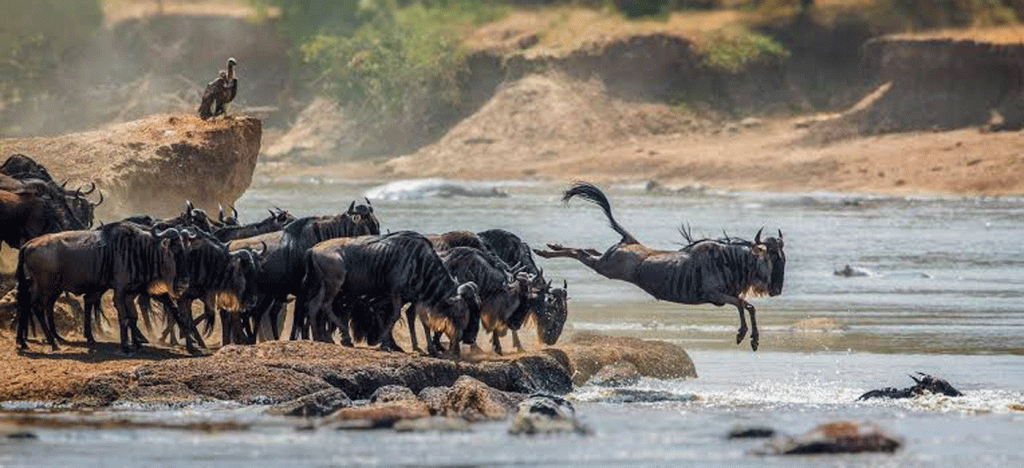
The Western Corridor route stretching toward the Grumeti River is one of the most dramatic safari paths in Serengeti especially during the migration season. This route is best visited between May and July when the wildebeest herds move westward in search of fresh grazing and water sources.
One of the main highlights of this route is the Grumeti River crossings. Although not as famous as the Mara River crossings they are equally intense and often less crowded. Here large crocodiles lie in wait as thousands of wildebeest attempt to cross the river creating powerful scenes of survival and instinct. These moments are unpredictable but incredibly rewarding for those lucky enough to witness them.
The landscape along this route differs from the central plains. It features dense riverine forests, open grasslands and rolling hills which support a different mix of wildlife. Elephants are commonly seen in this area along with giraffes and large herds of buffalo. Lions are also abundant often following migration herds.
Because this region is less visited than Central Serengeti it offers a more remote and exclusive safari experience. You can enjoy long game drives without encountering many other vehicles which enhances the feeling of being immersed in the wild.
However access to the Western Corridor can be more challenging, especially during the rainy season when roads become muddy and difficult to navigate. This makes it important to plan your visit carefully and rely on experienced guides. Overall, the Grumeti route is perfect for travelers seeking dramatic migration scenes, fewer crowds and a slightly more adventurous safari experience.
Northern Serengeti (Mara River Route)
The Northern Serengeti route particularly around the Mara River is one of the most sought-after safari experiences in Africa. This route becomes especially active between July and October when the Great Migration reaches this region and prepares for the famous river crossings.
The Mara River crossings are among the most iconic wildlife events in the world. Thousands of wildebeest gather at the riverbanks hesitating before making the dangerous leap into crocodile-infested waters. The tension, movement and chaos create unforgettable scenes that attract photographers and wildlife enthusiasts from around the globe.
Beyond the migration Northern Serengeti is also rich in resident wildlife. Lions, leopards, elephants and giraffes are commonly seen and the region is known for its relatively untouched wilderness. The vegetation here includes rolling hills, riverine forests and open savannahs providing a scenic and diverse backdrop for game drives.
One of the key advantages of this route is its exclusivity. Due to its remote location it receives fewer visitors compared to Central Serengeti. This allows for more intimate wildlife encounters and a quieter safari experience. Game drives in this area often involve longer distances so planning is essential. Many visitors choose to stay in mobile camps that follow the migration ensuring proximity to wildlife action.
In summary the Mara River route is ideal for those who want to witness one of nature’s greatest spectacles while also enjoying a peaceful and less crowded safari environment.
Southern Serengeti (Ndutu Plains Route)
The Southern Serengeti, particularly the Ndutu area offers a completely different safari experience focused on the calving season of the Great Migration. This route is best visited between December and March when wildebeest gather in large numbers to give birth.
During this period the plains transform into a nursery for wildlife. Thousands of calves are born within a short time, attracting predators such as lions, cheetahs and hyenas. This creates intense predator-prey interactions making it one of the best times to witness hunting behavior.
The landscape here consists of vast open plains with short grass making it easier to spot animals from a distance. Unlike other parts of Serengeti off-road driving is permitted in the Ndutu area allowing guides to follow wildlife more closely and provide better viewing opportunities.
Cheetahs are particularly active in this region due to the abundance of young prey. Lions also take advantage of the easy hunting conditions while scavengers remain close by to benefit from kills.
Birdlife is another highlight especially around Lake Ndutu and Lake Masek, where flamingos and other water birds can be seen. This route is ideal for photographers and wildlife enthusiasts who want to capture dramatic scenes of life and survival. It also offers a unique perspective on the migration focusing not on movement but on reproduction and growth.
Overall the Ndutu Plains route provides one of the most dynamic and emotionally engaging safari experiences in Serengeti.
Eastern Serengeti (Namiri Plains Route) Best Safari Routes for Wildlife Viewing in Serengeti.
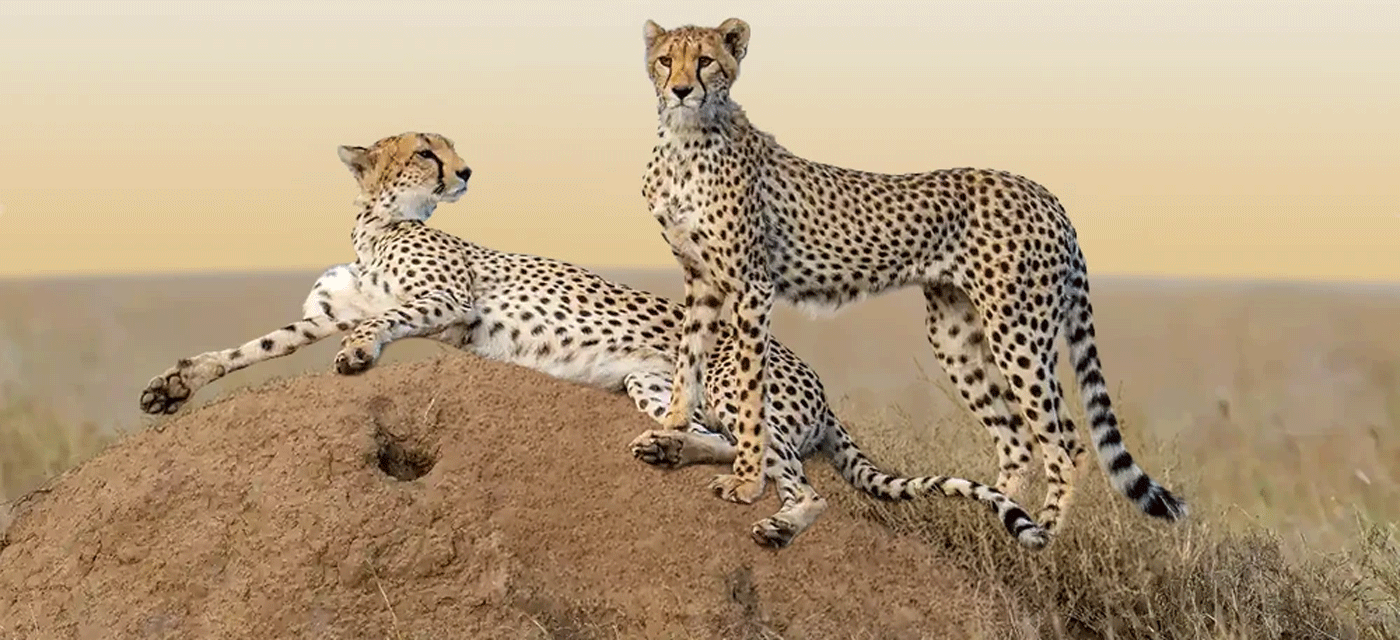
The Eastern Serengeti particularly the Namiri Plains is a hidden gem that has gained popularity in recent years due to its exceptional predator sightings. This route is especially known for its high concentration of cheetahs making it one of the best places in Africa to observe these fast and elusive animals.
For many years this area was closed to tourism to allow cheetah populations to recover. As a result, it remains relatively untouched and offers a pristine wilderness experience. The open plains provide perfect conditions for spotting wildlife with minimal vegetation obstructing views.
In addition to cheetahs, visitors can see lions, leopards and hyenas. The area also supports a variety of antelope species, which serve as prey for predators. Because of the lower number of visitors wildlife tends to be less disturbed allowing for more natural behavior and better viewing opportunities.
The scenery in Namiri Plains is characterized by wide, open landscapes and rocky outcrops known as kopjes. These rocky formations are often used by predators as vantage points for spotting prey. This route is ideal for travelers who want to avoid crowded areas and experience a quieter more exclusive safari. It is also perfect for those specifically interested in predator behavior particularly cheetahs.
In conclusion the Namiri Plains route offers a unique combination of solitude, stunning landscapes and exceptional wildlife viewing making it a must-consider option for a Serengeti safari.
Lobo Area Route (Northeastern Serengeti)
The Lobo area located in the northeastern part of the Serengeti is a less-traveled route that offers a unique combination of scenic beauty and diverse wildlife. This region acts as a transition zone between Central Serengeti and Northern Serengeti making it an excellent choice for travelers who want to explore beyond the more popular areas while still enjoying strong wildlife sightings.
The landscape in Lobo is more varied compared to the open plains of the south. It features rolling hills, woodlands and granite kopjes, which create natural habitats for a wide range of animals. These rocky outcrops are often used by lions and leopards as resting and observation points making predator sightings relatively common. Visitors can frequently see lions resting on rocks or watching prey in nearby grasslands.
This route becomes especially interesting during the migration season when herds pass through the area on their way to the Mara River. While it may not host dramatic river crossings it offers a quieter opportunity to observe the migration without heavy crowds. Large groups of wildebeest, zebras and gazelles can be seen moving across the landscape.
Elephants and giraffes are also common in this region, taking advantage of the woodland areas for food and shelter. Birdlife is abundant adding another layer of interest for visitors. Overall, the Lobo route is ideal for travelers seeking a peaceful safari experience with varied scenery and reliable wildlife sightings away from busy tourist routes.
Kogatende Route (Far Northern Serengeti) Best Safari Routes for Wildlife Viewing in Serengeti.
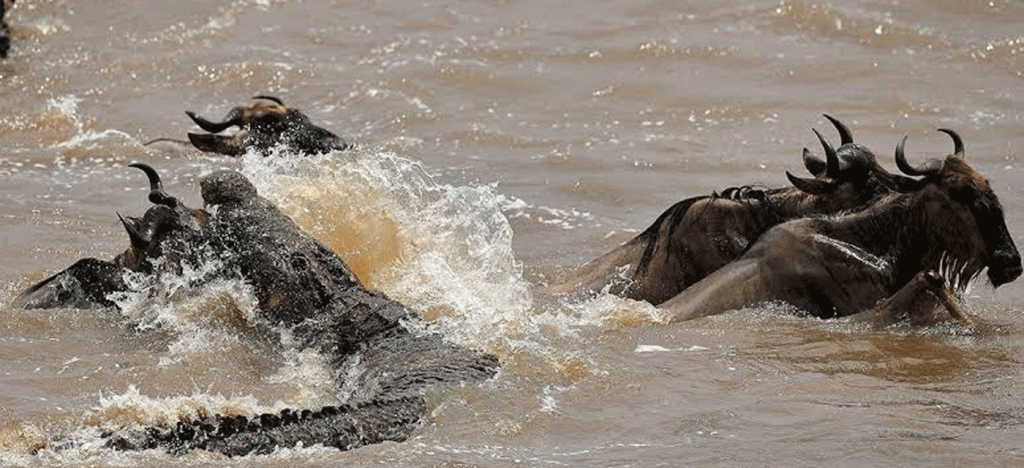
Kogatende located in the far north near the Mara River is one of the most premium safari routes in Serengeti. This area is famous for its proximity to some of the most dramatic river crossing points in the entire migration cycle making it a top destination for wildlife enthusiasts and photographers.
During the peak migration months typically from July to October massive herds gather near the riverbanks in Kogatende. The tension builds as animals hesitate before crossing often resulting in sudden bursts of action when they finally move into the water. Crocodiles strong currents and steep riverbanks make these crossings extremely dangerous creating intense and unforgettable wildlife moments.
Beyond the migration Kogatende offers excellent year-round game viewing. The area is home to resident predators such as lions and leopards which take advantage of the steady supply of prey. The open landscapes and river systems provide ideal conditions for spotting animals while the relatively low number of visitors ensures a more exclusive experience.
The terrain includes open plains, riverine forests and gentle hills offering a beautiful and varied safari setting. Because of its remote location many visitors choose to fly into this area rather than drive, saving time and maximizing wildlife viewing opportunities. This route is best suited for travelers looking for high-impact wildlife experiences especially those focused on the Great Migration and river crossings.
Moru Kopjes Route (Central-Southern Serengeti)
The Moru Kopjes route is one of the most fascinating safari paths in Serengeti known for its unique rock formations and strong wildlife presence. Located in the central-southern part of the park this area offers a mix of scenic landscapes and excellent animal sightings.
Kopjes which are large granite rock formations define this route. These formations serve as natural shelters and lookout points for predators especially lions. It is common to see lion groups resting on top of the rocks watching the surrounding plains for prey. Leopards may also be found in this area although they are more difficult to spot.
One of the key highlights of this route is the chance to see black rhinos which are rare in Serengeti. While sightings are not guaranteed this is one of the few areas where they can occasionally be observed under protection.
The surrounding plains support many herbivores, including zebras, wildebeest and gazelles. These animals attract predators creating a balanced and active ecosystem that offers consistent wildlife viewing opportunities. In addition to wildlife the area also has historical importance with ancient rock paintings found in some kopjes. This adds an extra layer of interest to the safari experience.
Overall, the Moru Kopjes route is ideal for travelers who want a combination of wildlife, unique landscapes and a deeper connection to the environment.
Ndabaka Gate to Western Serengeti Route
The route from Ndabaka Gate into the Western Serengeti is an excellent entry option for those approaching from the Lake Victoria region. This path offers a gradual introduction to the Serengeti ecosystem with wildlife sightings increasing as you move deeper into the park.
The journey begins with a mix of woodland and savannah landscapes, which slowly open into wider plains. Along the way visitors can spot animals such as giraffes, elephants and various antelope species. As you continue toward the Western Corridor the number of animals increases significantly.
This route is especially rewarding during the migration season when herds move through the western region. Even outside migration periods permanent water sources attract animals throughout the year ensuring steady wildlife viewing. Birdlife is also abundant along this route especially near water areas and forest edges making it a great option for birdwatchers.
Because it is less commonly used than other routes, it offers a quieter and more relaxed safari experience. Travelers can enjoy long drives without many other vehicles creating a stronger sense of exploration. Overall, this route is ideal for those entering Serengeti from the west and looking for a scenic and less crowded safari experience.
Seronera to Namiri Plains Route (Central to Eastern Transition)
The route connecting Seronera in Central Serengeti to the Namiri Plains in the east offers a unique transition between two different safari environments. This journey allows travelers to experience both high wildlife density and remote quiet landscapes in a single route.
Starting in Seronera, visitors are likely to encounter a wide variety of animals, including lions, leopards and large herds of herbivores. As the route continues eastward the environment becomes more open and less crowded with fewer safari vehicles and a greater sense of isolation.
Namiri Plains is especially known for its cheetah population. The open terrain provides excellent conditions for spotting these fast predators as they hunt. Lions and hyenas are also present adding to the overall wildlife experience. The journey itself is part of the attraction offering changing scenery and a more peaceful atmosphere compared to central areas. It is a great option for travelers who want to move beyond the busiest parts of Serengeti.
This route is best suited for those who value both variety and exclusivity combining the richness of Central Serengeti with the quiet beauty of the eastern plains.
Conclusion
Exploring the Serengeti through its different safari routes is the key to unlocking the full depth of this remarkable ecosystem. Each route whether it is the wildlife-rich Central Serengeti, the dramatic Western Corridor, the iconic Mara River in the north, the calving grounds of the south or the remote plains of the east offers a distinct perspective on how nature operates in one of Africa’s most celebrated landscapes. Serengeti Travels helps travelers plan their safari around these diverse regions to make the most of their time in the Serengeti.
What makes the Serengeti truly special is its dynamic nature. Wildlife is constantly moving, adapting and responding to seasonal changes which means no two safaris are ever the same. This is why understanding the strengths of each route allows travelers to align their safari plans with the best possible opportunities for wildlife viewing. Instead of relying on chance you can strategically position yourself in the right place at the right time with guidance from an experienced local safari company such as Serengeti Travels.
It is also important to consider that the best safari experience often comes from diversity. Combining routes not only increases the variety of animals you may see but also enriches your understanding of the ecosystem as a whole. From intense predator-prey interactions to peaceful grazing scenes and dramatic migration events each route contributes to a complete Serengeti story.
In the end the best safari route is not just about where you go but how well you plan your journey. With the right approach and the support of Serengeti Travels the Serengeti becomes more than just a destination; it becomes an unforgettable experience filled with discovery, excitement and a deeper connection to the natural world.