 English
 Deutsch
 Italia
December 16, 2025
By kelvingaspar
A Month-by-Month Guide to Weather in Serengeti National Park
A Month-by-Month Guide to Weather in Serengeti National Park
Table of contents
- A Month-by-Month Guide to Weather in Serengeti National Park
- Introduction to Serengeti National Park’s Climate
- January: The Start of the Year in Serengeti
- February: Peak of the Wet Season
- March: Transitioning Weather and Wildlife Activity
- April: The Heart of the Wet Season
- May: Emerging Dry Season and Wildlife Dynamics
- June: Peak Dry Season Begins
- July: Safari Season in Full Swing
- August: Sustained Dry Conditions and Wildlife Viewing
- September to December: The Transition into Wet Season
Introduction to Serengeti National Park’s Climate
Serengeti National Park, renowned for its remarkable biodiversity, exhibits a unique climate that plays a crucial role in the ecosystem’s dynamics. Located in Tanzania, this expansive area experiences a tropical savanna climate, influenced significantly by its geographical setting and elevation. Understanding the seasonal weather patterns in Serengeti is essential when planning a visit, as these variations impact both wildlife behaviors and visitor activities throughout the year.
The park is primarily characterized by two distinct seasons: the dry season and the wet season. The dry season lasts from June to October, during which the weather is generally warm and dry. This period is favored by many tourists as the sparse vegetation makes wildlife spotting considerably easier. Animals are drawn to the remaining water sources, making it an opportune time for game drives and photography. Conversely, the wet season, spanning from November to May, is marked by lush landscapes and occasional heavy rains. This season typically sees the calving of wildebeests and other animals, offering a different yet equally captivating experience to visitors.
Moreover, temperatures in Serengeti National Park can vary significantly depending on the time of year and the area’s elevation. Days can be warm, but nights may become substantially cooler, particularly in the higher altitudes. By grasping these fundamental climatic conditions and seasonal shifts, visitors can strategically plan their excursions to fully appreciate the park’s diverse wildlife and breathtaking landscapes, ultimately leading to a more enriching experience in one of Africa’s premier conservation areas.
January: The Start of the Year in Serengeti
January marks the beginning of the year in Serengeti National Park, and it’s a month characterized by mild weather conditions, favorable for wildlife sightings. During this time, average temperatures typically range between 20°C to 30°C (68°F to 86°F). The weather is generally warm during the day, making it ideal for safari adventures, but cooler evenings are common, so visitors should consider bringing layers. Rainfall is relatively low in January, averaging around 60 mm, allowing for generally dry and pleasant safari experiences.
Wildlife viewing in January is particularly rewarding as many animals are active and visible against the lush savanna backdrop that follows the short rains of November to December. This is also the time when numerous herbivores, such as wildebeests and zebras, are seen in great numbers as they embark on their migration in search of greener pastures. Predators, including lions and cheetahs, can often be spotted trailing their herds, creating a captivating scene for safari-goers.
For visitors planning a trip in January, it is advisable to schedule early morning or late afternoon game drives, as these times offer the best opportunities for seeing wildlife. Additionally, these cooler hours provide more comfortable conditions for both visitors and animals. Travelers should also carry water and sun protection, as daytime safaris can be hot, even in January.
In summary, January is an excellent month for visiting Serengeti National Park, combining pleasant weather, vibrant wildlife activity, and optimal conditions for memorable safari experiences.
February: Peak of the Wet Season
February marks the peak of the wet season in Serengeti National Park, characterized by increased rainfall and elevated temperatures. During this month, the park experiences frequent showers, often coming in the form of short but intense bursts, significantly impacting the natural environment and wildlife behaviors. The average temperature typically ranges from 20°C to 30°C (68°F to 86°F), creating a warm and humid atmosphere that fosters the growth of lush vegetation.
The rainfall during February is crucial for the ecosystem in Serengeti, as it rejuvenates the landscape after the dry spell. Grasslands flourish, providing ample food for herbivores, which in turn draws predators to the area. This period coincides with the great wildebeest migration, as vast herds are often found on the southern plains, taking advantage of the new grass growth. The sight of thousands of wildebeests grazing in the vibrant, green savannah is a breathtaking experience, attracting numerous wildlife enthusiasts and photographers.
Furthermore, the wet conditions influence animal behavior significantly. Many animals partake in breeding during this time, partly due to the availability of resources. Predators, such as lions and hyenas, benefit from the higher concentrations of prey present in the park. However, February’s rains can make wildlife watching a bit more challenging; some areas may become less accessible due to muddy terrains, and the proximity of rain can limited visibility.
Overall, February in Serengeti National Park is a dynamic month; while the increased rainfall can present logistical challenges, it enriches the biological diversity of the park. Visitors during this time are often rewarded with extraordinary wildlife sightings and the opportunity to witness the profound effects of seasonal changes on the Serengeti ecosystem.
March: Transitioning Weather and Wildlife Activity
March marks a critical point in the climatic calendar of Serengeti National Park, representing the transition from the wet season to drier conditions. As the month progresses, the weather fluctuates, with temperatures starting to stabilize and precipitation gradually decreasing. Generally, daytime temperatures range between 25°C to 30°C (77°F to 86°F), offering comfortable conditions for both visitors and wildlife alike. Nights can be cooler, dropping to roughly 15°C (59°F), requiring layered clothing for early morning safaris.
During March, rainfall in the Serengeti is still a significant feature but begins to scarce as the month advances. Early in the month, sporadic showers can be expected, contributing to the lush greenery that blankets the park. These brief rains are vital for sustaining the vibrant flora, which in turn supports a wealth of wildlife. As vegetation flourishes, it creates excellent grazing grounds for herbivores, leading to inviting wildlife sightings for safari enthusiasts. Overall, March presents excellent opportunities for encountering various species, including wildebeests, zebras, and elephants, as they take advantage of the abundant food supply.
Another notable aspect of March is the movement and behavior of migratory animals. At this time, many herds begin to shift toward the central region of the Serengeti for greener pastures, enhancing wildlife viewing opportunities. Birdwatching also becomes particularly rewarding in March, as migratory birds return, and the skies are filled with a tapestry of colors and sounds. The dynamic interchange of weather patterns and wildlife activity creates a rich environment for both naturalists and tourists, ensuring memorable safari outings. Observers can delight in the interactions of the animals, the sounds of the park, and the beauty of the surrounding landscape, making March an exciting time to explore the Serengeti.
April: The Heart of the Wet Season
April marks a significant transition in Serengeti National Park as it sits at the heart of the wet season, which typically runs from March to May. During this month, the region experiences some of its heaviest rainfall, leading to lush greenery that transforms the landscape into a vibrant tapestry of flora. This increased precipitation not only shapes the environment but also profoundly impacts wildlife behavior and park accessibility.
The rainfall during April can be quite substantial, often resulting in muddy roads that can complicate travel within the park. While this may pose challenges for some visitors, it also creates an opportunity for intrepid travelers to witness the unique beauty of the Serengeti in its most verdant state. The lush surroundings play a critical role in attracting a diverse range of wildlife, which takes advantage of the abundant resources available during the wet season.
April is an opportune time for sighting migratory species, particularly as herds of wildebeest and zebras take advantage of the nutrient-rich grasses that flourish following the rains. The mud provides an excellent source of sustenance for herbivores, which in turn attracts a variety of predators, including lions and hyenas. Birdlife, too, is prolific during this month, with both resident and migratory species nesting and displaying vibrant feathered plumage, adding to the overall spectacle of life in the park.
For adventurous visitors who do not shy away from the wet conditions, April can be a rewarding month to experience the dynamic and pulsating life of Serengeti National Park. The unique perspective offered during this time – characterized by dramatic skies and flourishing wildlife – makes it an appealing destination for travelers seeking an unforgettable adventure amid the wonders of nature.
May: Emerging Dry Season and Wildlife Dynamics
As April concludes in Serengeti National Park, May marks a significant transition period as the region gradually shifts into the dry season. Known for its moderate temperatures and fluctuating weather, this month presents a unique opportunity for wildlife enthusiasts to witness the dynamic interactions of flora and fauna. Rainfall during May can still occur but tends to decrease, and the temperatures begin to stabilize, typically ranging between 15°C (59°F) at night and 25°C (77°F) during the day.
The transitional phase in May profoundly impacts animal behavior and movement within the park. As grasslands start to dry out, herbivores such as wildebeest, zebra, and buffalo begin to migrate toward areas where vegetation is still lush and water sources remain accessible. This migration creates optimal conditions for game viewing, allowing visitors to observe large herds congregating around watering holes and grazing on the remaining green pastures. Predators, too, such as lions and cheetahs, capitalize on this movement, increasing their chances of a successful hunt.
May also provides a fantastic opportunity for birdwatching as migratory species begin to arrive in the region. With the changing weather patterns, various bird species can be spotted, enriching the avian experience for visitors. The park’s diverse ecosystems, from savannas to woodlands, support a multitude of wildlife, and observers will appreciate the vibrant interactions between different species during this time.
Moreover, the overall ambiance of the park during May, with its mild temperatures and decreasing rainfall, creates a pleasant atmosphere for exploring the diverse landscapes. Therefore, travelers seeking a captivating wildlife experience should consider visiting Serengeti National Park in May, as the diminishing rains pave the way for remarkable adventures and unforgettable encounters with the rich biodiversity of the area.
June: Peak Dry Season Begins
June marks the onset of the dry season in Serengeti National Park, a crucial transition that significantly influences the region’s climate and wildlife activity. During this month, visitors can anticipate average daytime temperatures ranging from 25°C to 30°C (77°F to 86°F), providing a comfortable environment for safari excursions. Evening temperatures, however, can drop to around 12°C (54°F), so visitors are advised to bring layers for the cooler nights.
One of the most notable features of June is the minimal rainfall, typically amounting to less than 10mm throughout the month. This lack of precipitation leads to the gradual evaporation of water sources, compelling animals to congregate around the remaining rivers and watering holes. As the landscapes dry out, vegetation becomes sparse, enhancing the visibility of wildlife, making it easier for safari-goers to spot various species. Consequently, the chances of encountering large herds of wildebeest, zebras, and elephants increase significantly during this time.
The dry conditions also trigger remarkable wildlife behaviors. Predators, including lions and cheetahs, become more active, taking advantage of the dehydration of prey species. This heightened activity offers visitors unique opportunities for wildlife photography and viewing. Additionally, the clearer skies and bright sunlight enhance the overall safari experience, allowing for breathtaking views and memorable sunset scenes.
Moreover, June serves as an excellent time for birdwatching, with migratory species present and nesting behaviors observable. Overall, the dry season, beginning in June, provides an unparalleled chance to experience the rich biodiversity and stunning landscapes of the Serengeti, making it a preferred month among wildlife enthusiasts and photographers alike.
July: Safari Season in Full Swing
July marks a significant point in the year for visitors to Serengeti National Park, as it heralds the commencement of the safari season in full swing. During this month, the weather is characterized by dry conditions and moderate temperatures, creating an ideal environment for wildlife exploration. Travelers can expect daytime temperatures to range from 20°C to 28°C (68°F to 82°F), making it comfortable for extended excursions.
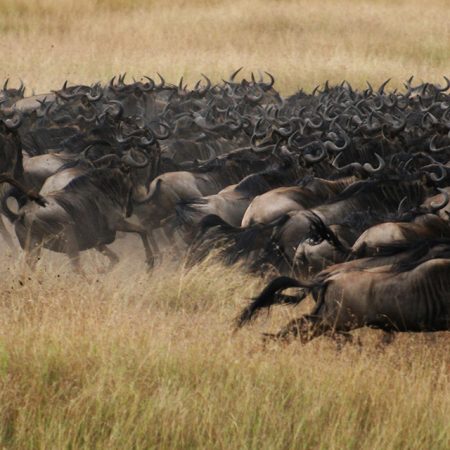
One of the most remarkable phenomena during July is the great wildebeest migration. As thousands of wildebeests begin their journey towards the northern regions of the Serengeti, they congregate around water sources, offering unparalleled opportunities for wildlife sightings. The dramatic gathering of these majestic creatures attracts a plethora of predators, including lions, cheetahs, and hyenas, all drawn by the sizable herds. This dynamic ecosystem allows visitors to observe the intricate relationships between the various species as they navigate the challenges of survival.
Moreover, the absence of heavy rainfall during July enhances visibility across the plains, allowing wildlife enthusiasts ample opportunities to capture stunning photographs of the diverse fauna. It is a time when migratory birds are also present, as the region serves as a stopover for various species making their way across the continent. As such, birdwatchers will find themselves equally enthralled by the rich avifauna.
In addition to the spectacular wildlife, July offers comfortable conditions for camping and lodgings within the park. Whether staying at luxurious lodges or participating in guided camping tours, visitors can relish the experience of being close to nature. Overall, July stands as one of the most captivating months to visit Serengeti National Park, combining favorable weather, incredible wildlife activity, and unforgettable safari experiences.
August: Sustained Dry Conditions and Wildlife Viewing
In August, Serengeti National Park experiences one of its driest months, contributing to optimal wildlife viewing opportunities. The weather during this period is predominantly characterized by warm and sunny days, with average temperatures ranging from approximately 10°C (50°F) at night to 28°C (82°F) during the day. The lack of rain often results in clearer skies, allowing for excellent visibility and stunning photographic conditions, particularly during the golden hours of sunrise and sunset.
The dry conditions lead to the depletion of water sources in the park, prompting wildlife to congregate around remaining waterholes and riverbanks. This natural behavior facilitates outstanding game viewing as visitors can observe various species, including elephants, lions, and wildebeests, much more easily than in wetter months. Moreover, August is a crucial time in the Great Migration, as large herds of wildebeests and zebras move towards the northern regions in search of greener pastures, providing an unforgettable spectacle.
For optimal photography, early mornings or late afternoons are highly recommended, as this is when animals are most active and the lighting is ideal. Additionally, employing a quiet and respectful approach during wildlife encounters is important to ensure minimal disturbance to the animals. Visitors should also consider using binoculars for closer inspection, thus enhancing their safari experience.
Ultimately, August not only offers favorable weather conditions for exploring the beauty of Serengeti National Park but also presents a myriad of opportunities to engage with its diverse wildlife. Adhering to ethical guidelines and being mindful of the natural environment can significantly enrich the overall safari adventure.
September to December: The Transition into Wet Season
As the Serengeti National Park transitions from September to December, the weather begins to change significantly, marking the end of the dry season and the onset of the wet season. This period is characterized by increasing rainfall, with October often experiencing a notable uptick in precipitation. The days become warmer, as temperatures can reach up to 30°C (86°F) during the day, while nights may cool down to around 17°C (63°F). These climatic shifts foster a dynamic environment for both flora and fauna.
Wildlife behavior adapts to the changing weather, as the diminishing water sources compel many herbivores, such as zebras and wildebeests, to seek greener pastures. In fact, the iconic wildebeest migration typically follows this trend, moving into the southern areas of the park. The lush vegetation that begins to flourish as rains begin is not only vital for these animals but also attracts predators like lions and cheetahs, making this a compelling time for safari enthusiasts.
By late November and into December, rainfall amounts increase, and the landscape transforms into a vibrant tapestry of greenery. This transition also gives rise to the birth of many young animals, presenting excellent wildlife viewing opportunities. Birdwatchers will find this period particularly exciting, as migratory bird species return, adding to the park’s avian diversity. Therefore, while safari experiences may vary depending on the specific time within these months, the entire period offers unique insights into the intricate relationships between weather patterns and wildlife behaviors.
In conclusion, visitors to Serengeti National Park from September to December can anticipate fluctuating weather and dynamic wildlife experiences. Those looking to witness both the last throes of the dry season and the first showers of the wet season will find ample opportunities for memorable safaris, whether they are drawn to the great migration or the captivating reproduction of various species.