 English
 Deutsch
 Italia
December 16, 2025
Why Serengeti is a Top Safari Destination for Travelers
Introduction
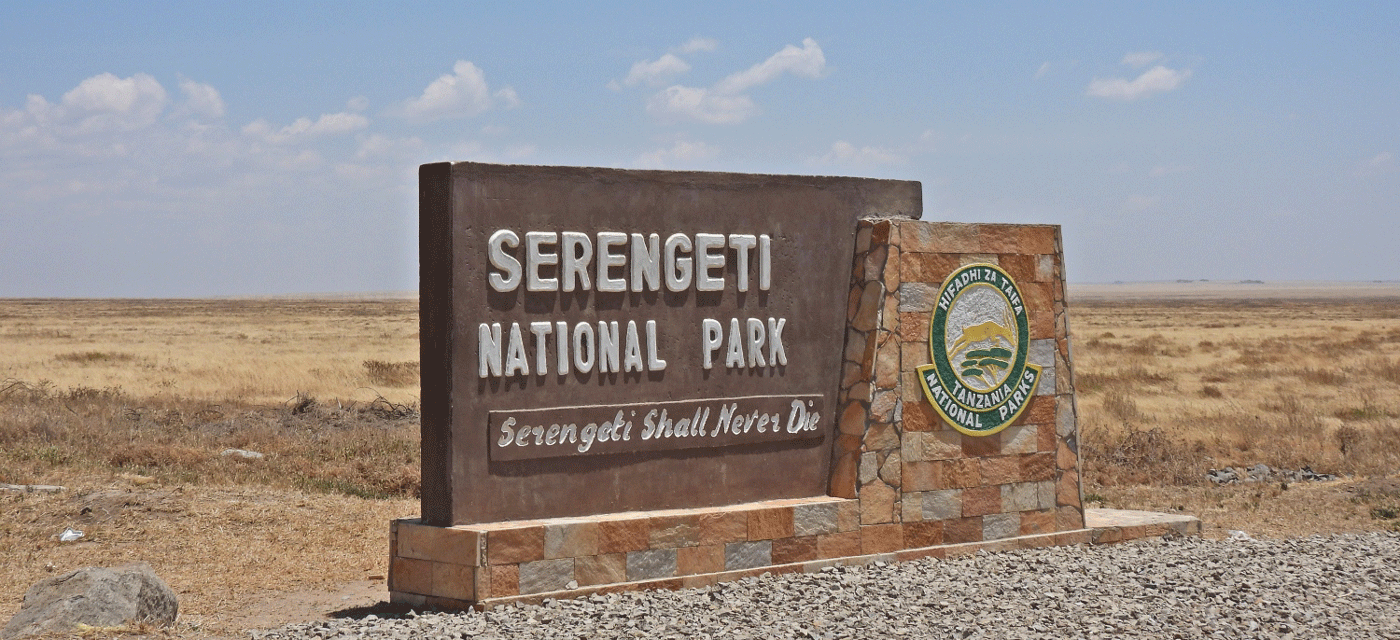
Why Serengeti is a Top Safari Destination for Travelers becomes clear when you experience its vast plains, exceptional wildlife, dramatic landscapes and remarkable seasonal movements. Located in northern Tanzania Serengeti National Park offers one of Africa’s most celebrated safari experiences. The park stretches across an enormous ecosystem where grasslands, woodlands, rivers, kopjes and seasonal wetlands support an extraordinary variety of wildlife.
Travelers visit the Serengeti to experience nature on a remarkable scale. Lions patrol open plains, elephants move through woodland, giraffes browse among acacia trees and large herds of zebra and wildebeest cross the landscape. Every game drive can reveal something different because wildlife behavior changes with the season, weather, location and availability of water and fresh vegetation.
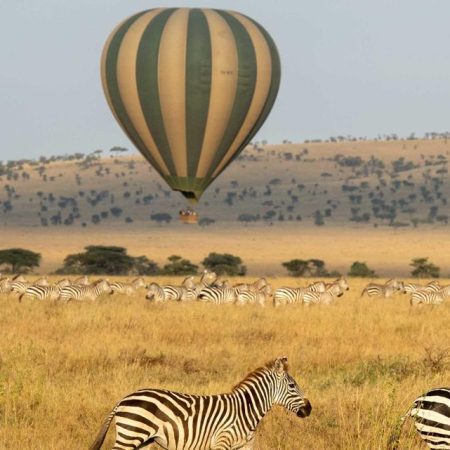
The Serengeti also provides opportunities beyond traditional game drives. Visitors can experience sunrise over the plains, photograph wildlife from specially designed safari vehicles, explore different regions of the ecosystem and where permitted and available enjoy activities such as hot-air balloon safaris. The surrounding conservation areas also create opportunities to understand Tanzania’s landscapes and communities.
For travelers planning a safari, the Serengeti combines abundant wildlife, spectacular scenery, seasonal experiences and excellent safari infrastructure. Whether you are planning your first African safari, returning for another adventure, traveling with family or pursuing wildlife photography the park offers experiences that can create lasting memories. Its combination of scale, biodiversity and seasonal wildlife activity explains why the Serengeti remains one of Tanzania’s most important safari destinations.
Table of contents
- Introduction
- The Serengeti Offers Exceptional Wildlife Viewing
- The Great Wildebeest Migration Creates an Extraordinary Spectacle
- The Serengeti Has Diverse and Beautiful Landscapes
- The Serengeti Provides Excellent Big Cat Viewing
- Travelers Can Experience Wildlife Throughout the Year
- The Serengeti Is Home to the Big Five
- The Serengeti Provides Outstanding Photography Opportunities
- Different Serengeti Regions Offer Different Safari Experiences
- Safari Drives Reveal Natural Wildlife Behavior
- The Serengeti Supports an Extraordinary Birdlife Experience
- The Serengeti Connects Travelers With Conservation
- The Serengeti Offers Memorable Luxury and Budget Safari Options
- The Serengeti Combines Naturally With Other Tanzania Destinations
- Travelers Can Choose Private or Group Safari Experiences
- The Serengeti Creates Experiences for Families and First-Time Travelers
- The Serengeti Delivers a True Sense of Wilderness
- Frequently Asked Questions
- 1. Why Serengeti is a Top Safari Destination for Travelers?
- 2. What makes the Serengeti special for a safari?
- 3. Can I see the Big Five in the Serengeti?
- 4. When is the best time to visit the Serengeti?
- 5. Can I see the Great Wildebeest Migration in the Serengeti?
- 6. Is the Serengeti good for wildlife photography?
- 7. Which part of the Serengeti is best for wildlife viewing?
- 8. Can I visit the Serengeti on a budget?
- 9. Is the Serengeti suitable for families?
- 10. Can I combine the Serengeti with other Tanzania destinations?
- 11. Should I choose a private or group Serengeti safari?
- 12. How many days do I need for a Serengeti safari?
- 13. What animals can I see in the Serengeti?
- 14. Is the Serengeti worth visiting outside the Great Migration?
- Conclusion
The Serengeti Offers Exceptional Wildlife Viewing
One of the strongest reasons travelers choose the Serengeti is its remarkable concentration and diversity of wildlife. The park supports large populations of mammals creating frequent opportunities for visitors to observe animals in their natural environment. Instead of relying on a single species to define the safari experience travelers can encounter many different animals during the same journey.
Lions remain among the most sought-after animals in the Serengeti. They live across different habitats and often rest beneath trees, near rocky outcrops or in areas with good visibility across the plains. Leopards also inhabit the park although they usually require more patience to locate because they spend considerable time in trees or dense vegetation. Cheetahs favor open grasslands where they can use their speed while hunting.
Elephants, giraffes, buffaloes, hippos, warthogs, zebras, gazelles and numerous antelope species add further diversity. Smaller creatures also contribute to the safari experience. Birds fill the landscape with movement and sound, while reptiles and other wildlife occupy rivers, wetlands, rocky areas and woodland habitats.
The Serengeti’s varied habitats allow travelers to experience different wildlife communities during one safari. Central Serengeti often provides year-round wildlife opportunities while other regions become particularly interesting during specific seasons. This variety means that visitors do not simply travel through one uniform landscape. They explore a living ecosystem where wildlife interacts with changing environmental conditions.
For travelers seeking a classic African safari experience, this combination of wildlife diversity and natural behavior makes the Serengeti especially memorable.
The Great Wildebeest Migration Creates an Extraordinary Spectacle
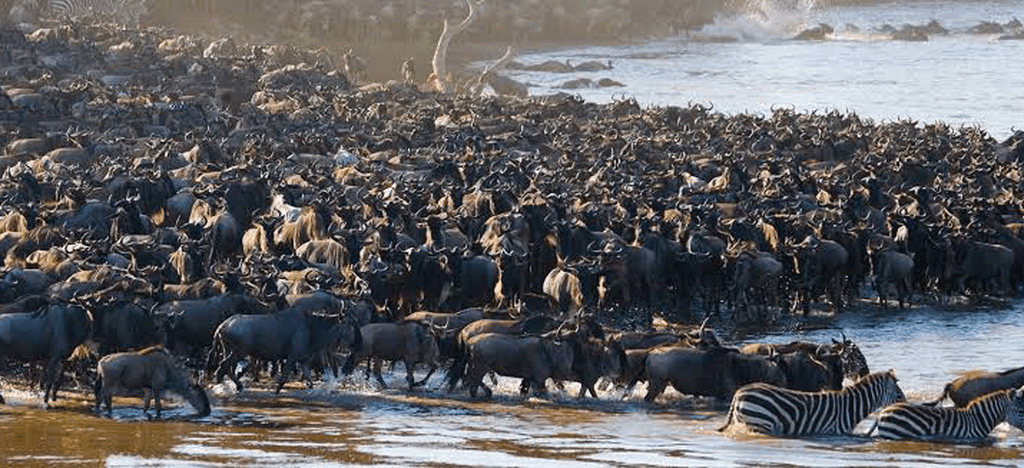
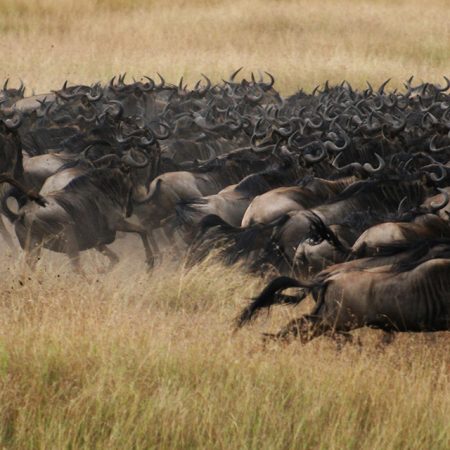
The Great Wildebeest Migration represents another major reason travelers place the Serengeti high on their safari wish lists. Each year enormous numbers of wildebeest, accompanied by zebras and other grazing animals, move through the Serengeti-Mara ecosystem in response to changing rainfall, fresh grass, water availability and breeding conditions.
The migration does not follow one perfectly predictable route or calendar. Rainfall patterns can influence the timing and location of herds which makes each season different. This natural movement creates several distinct experiences throughout the year. During the calving period large numbers of wildebeest gather around the southern Serengeti and Ndutu area where travelers may witness newborn animals and intense predator activity.
As the year progresses herds gradually move toward other parts of the ecosystem. During later months travelers may have opportunities to witness dramatic river crossings in northern Serengeti and the wider Mara ecosystem. These moments can become particularly powerful because large groups of animals navigate challenging terrain and waterways.
The migration also demonstrates how closely wildlife depends on environmental conditions. Herds continually search for fresh grazing areas and water while predators follow the concentrations of prey. Lions, cheetahs, hyenas, crocodiles and other predators participate in this complex ecological cycle.
Travelers should remember that migration viewing depends on natural conditions rather than a fixed schedule. No responsible safari company can guarantee a specific animal encounter or river crossing. However experienced guides can use seasonal knowledge, recent wildlife movements and local conditions to improve opportunities for meaningful sightings.
The Serengeti Has Diverse and Beautiful Landscapes
The Serengeti does not consist only of endless grasslands. Its landscape changes dramatically across different regions creating a diverse setting for wildlife and photography. Travelers can encounter open plains, rocky kopjes, riverine areas, wooded habitats, seasonal wetlands and areas of thicker vegetation.
The famous grasslands create some of the park’s most recognizable scenery. During favorable seasons fresh green vegetation transforms the plains while drier periods can produce golden landscapes stretching toward the horizon. These changing conditions give the Serengeti a different appearance throughout the year.
Rocky kopjes provide another distinctive feature. These ancient granite formations rise above the surrounding plains and create shelter, lookout points, and resting places for wildlife. Lions may use elevated rocks to observe their surroundings, while reptiles and smaller animals find shelter among the stones.
River systems and drainage areas create additional habitats. Vegetation grows more densely around permanent and seasonal water sources, attracting animals that depend on water and shade. These areas can also provide excellent opportunities for observing birds and mammals.
The landscape contributes directly to the safari experience because wildlife does not occupy every area equally. Different species prefer different habitats and seasonal changes can alter where animals gather.
For photographers the variety of scenery provides countless opportunities to capture wildlife against changing backgrounds. Morning light can illuminate open plains while evening light can transform rocky formations and distant hills.
This combination of wildlife and scenery means travelers experience more than animal sightings. They experience a constantly changing African landscape that forms an important part of the Serengeti adventure.
The Serengeti Provides Excellent Big Cat Viewing
The Serengeti has earned a strong reputation for big cat encounters making it especially attractive to travelers fascinated by predators. Lions remain one of the most commonly sought animals, while cheetahs and leopards provide different experiences because of their behavior, habitat preferences and hunting strategies.
Lions can often be found across the Serengeti because the ecosystem provides abundant prey. Travelers may see prides resting after feeding, adults caring for cubs or groups moving across open grasslands. Watching lions interact naturally provides insight into their social structure and survival strategies without requiring a staged wildlife experience.
Cheetahs offer a different type of encounter. These fast predators favor open areas where they can scan the landscape for prey. Travelers may observe them resting on small rises, moving through grasslands or carefully watching nearby herds. Their behavior can change quickly making patient observation particularly rewarding.
Leopards are usually more challenging to find because they often remain concealed within trees, rocky areas or thicker vegetation. However their elusive nature makes a successful sighting particularly memorable. Experienced guides know the landscapes and often recognize clues such as unusual bird activity, alarm calls, tracks or potential resting locations.
The presence of these major predators demonstrates the Serengeti’s ecological richness. Predators depend on healthy prey populations, functioning habitats and sufficient space to hunt and reproduce. Travelers therefore experience more than individual animal sightings. They witness relationships between species that help maintain the balance of the ecosystem.
Travelers Can Experience Wildlife Throughout the Year
The Serengeti remains attractive throughout the year because different seasons create different wildlife experiences. Rather than having only one short period when visiting makes sense travelers can choose a season according to their interests, schedule and preferred safari style.
The dry season often provides favorable conditions for wildlife viewing because vegetation becomes less dense and animals may concentrate around reliable water sources. This can make certain species easier to locate during game drives. Clearer skies can also create excellent conditions for photography and scenic views.
The green season brings a different atmosphere. Rainfall encourages vegetation growth transforming parts of the landscape into vibrant green environments. Migratory animals respond to these changing conditions and birdlife can become especially interesting during wetter periods.
The calving season provides another distinctive experience. In the southern Serengeti and Ndutu region wildebeest gather to give birth, creating opportunities to observe newborn animals and the predators that follow the herds. Travelers interested in wildlife behavior often find this period particularly fascinating.
Later in the year northern Serengeti can become important for travelers interested in migration movements and river-crossing opportunities. However exact timing remains influenced by rainfall and herd movements.
Because conditions vary naturally travelers should select their travel dates based on the experience they want rather than assuming one universal “best” month. A knowledgeable safari operator can help match an itinerary to seasonal interests.
This year-round flexibility makes the Serengeti suitable for travelers with different schedules and wildlife priorities.
The Serengeti Is Home to the Big Five
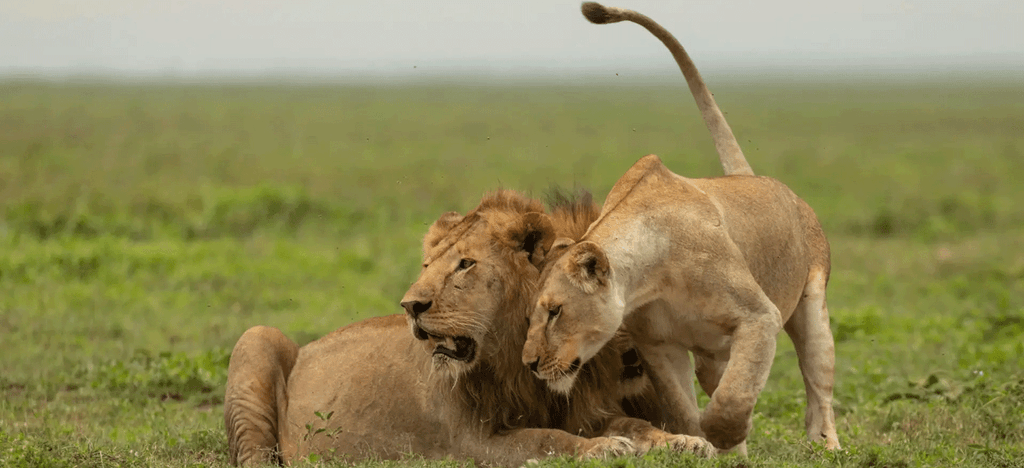
The opportunity to see Africa’s Big Five adds another major attraction to a Serengeti safari. The term refers to lion, leopard, elephant, buffalo and rhinoceros. Although wildlife sightings can never be guaranteed the Serengeti provides habitat for these iconic species.
Lions are widespread across the park and often live in prides. Their social behavior creates fascinating viewing opportunities because travelers can observe adults resting, cubs playing or groups moving through their territory. Leopards are more elusive and often require careful observation particularly around trees and areas with dense vegetation.
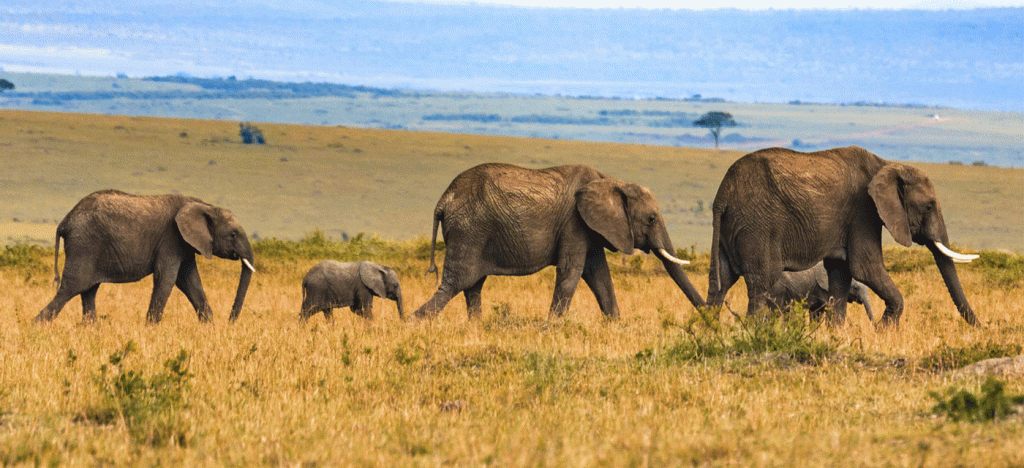
Elephants contribute a powerful presence to the landscape. Travelers may encounter individual elephants, family groups or larger gatherings depending on the area and season. Their interactions can reveal complex social behavior and strong family relationships.
Buffaloes often gather in large herds, particularly around suitable grazing and water areas. Their size and social structure create impressive scenes during game drives.
Rhinoceros sightings require more patience because their numbers and distribution are more limited. Travelers should approach such encounters with realistic expectations and rely on guides who understand local wildlife patterns.
The Big Five should not represent the entire purpose of a Serengeti safari. The park contains many other fascinating species, including cheetahs, giraffes, zebras, wildebeest, hippos, hyenas, gazelles and hundreds of bird species.
For travelers the value lies in observing these animals within their natural ecosystem rather than simply collecting a checklist of species. Every sighting can provide an opportunity to understand animal behavior, habitat relationships and the broader ecological system.
The Serengeti Provides Outstanding Photography Opportunities
The Serengeti offers exceptional conditions for wildlife and landscape photography because it combines open scenery, abundant animals, changing light and dramatic seasonal landscapes. Travelers carrying cameras can find opportunities from the moment they enter the park until their final game drive.
Early morning often provides soft light across the plains and active wildlife behavior. Animals may move, hunt, feed or interact as temperatures remain cooler. The combination of morning light and open landscapes can create powerful photographs without requiring elaborate setups.
During the day travelers can focus on behavioral moments and environmental compositions. A lion resting on a kopje, elephants moving across a grassland, giraffes silhouetted against the horizon or zebras crossing an open plain can each tell a different story.
Evening creates another photographic atmosphere. As the sun approaches the horizon warm light can emphasize the textures of grass, rocks, trees and animals. Silhouettes can also create striking images when conditions allow.
The Great Wildebeest Migration provides additional photographic opportunities. Large herds create patterns across the landscape, while zebras and wildebeest can form powerful compositions when moving together.
Good wildlife photography requires patience and responsible behavior. Travelers should follow park regulations, maintain appropriate distances, avoid disturbing animals and listen carefully to their guides.
The Serengeti rewards photographers because the environment itself constantly changes. Clouds, light, vegetation, wildlife movements and seasonal conditions can transform the same location into a completely different photographic scene.
Different Serengeti Regions Offer Different Safari Experiences
Another reason the Serengeti appeals to travelers is its regional diversity. The park covers a huge area and each region can provide a different safari atmosphere. Choosing where to stay can therefore influence the type of experience travelers receive.
Central Serengeti particularly the Seronera area remains one of the most popular safari regions. Its combination of grasslands, rocky areas, rivers and woodland supports wildlife throughout much of the year. Travelers often choose this region because it provides access to diverse habitats and strong game-viewing opportunities.
Southern Serengeti and the Ndutu area become particularly important during the calving season. Short-grass plains provide important grazing areas for migratory wildebeest while the concentration of prey can attract numerous predators.
Western Serengeti offers a different landscape influenced by rivers and woodlands. Depending on the season wildlife movements can create excellent opportunities for travelers exploring this less uniform environment.
Northern Serengeti attracts travelers interested in the migration’s northern movements and the broader ecosystem toward the Mara River. The region also offers scenic landscapes and a more remote safari atmosphere in some areas.
These regional differences allow safari operators to design itineraries around seasonal wildlife movements rather than keeping travelers in one location.
For travelers planning a Serengeti safari, understanding regional differences can help create a more purposeful itinerary. A short safari may focus on one region while a longer journey can combine several areas to provide a broader understanding of the ecosystem.
Safari Drives Reveal Natural Wildlife Behavior
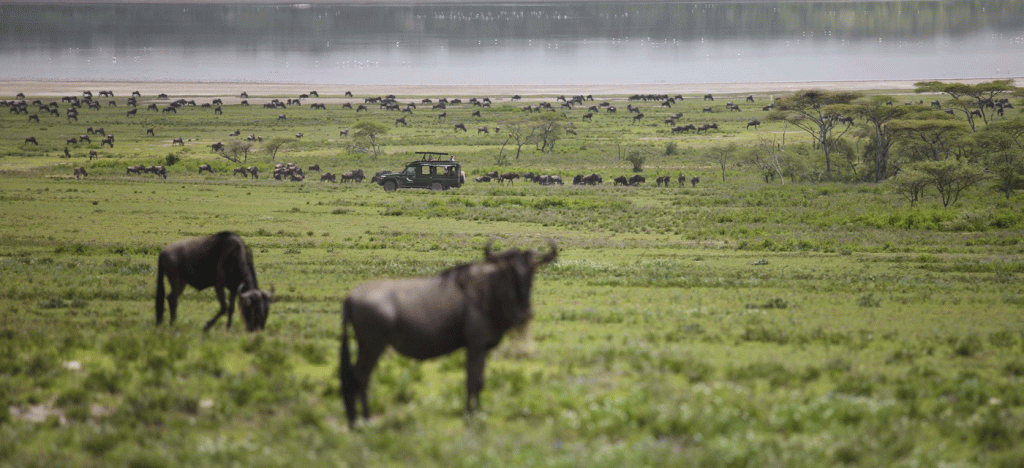
A Serengeti safari is not simply about reaching a destination where animals are waiting to be seen. Game drives allow travelers to observe wildlife behavior as it naturally unfolds across the landscape.
Experienced guides read tracks, animal movements, vegetation, weather conditions and other environmental clues to understand where wildlife may be active. They also interpret animal behavior for travelers explaining why animals gather in particular areas or how predators interact with prey.
A game drive might begin with a distant herd of zebras and gradually reveal other species nearby. A guide may notice vultures circling overhead and investigate the area potentially discovering evidence of predator activity. Another drive might reveal elephants feeding peacefully while giraffes browse nearby.
These experiences encourage travelers to observe rather than simply photograph. The most memorable moments may involve behavior rather than rarity. Watching a pride of lions interact, elephants communicate or young animals play can provide insight into the social structure of wildlife.
The open safari vehicle also provides excellent visibility. Pop-up roofs allow travelers to stand safely and observe animals from different angles while remaining inside the vehicle according to park rules.
Safari drives can vary considerably from one day to another. Wildlife movements remain unpredictable and that uncertainty contributes to the excitement.
For travelers the experience becomes a combination of exploration, interpretation, patience and discovery. Instead of moving through a fixed attraction visitors explore a living ecosystem where every turn can reveal something unexpected.
The Serengeti Supports an Extraordinary Birdlife Experience
Although many travelers visit the Serengeti primarily for mammals the park also offers remarkable opportunities for birdwatching. Its diverse habitats support resident and migratory bird species making the destination attractive to both dedicated birders and general safari travelers.
Open grasslands provide habitats for birds that hunt, forage or nest close to the ground. Woodlands support species that depend on trees and dense vegetation, while rivers and wetlands attract birds associated with water.
Large birds of prey can become particularly noticeable during game drives. Eagles, vultures, kites and other raptors use the open landscape to search for food. Their presence also plays an important ecological role by helping regulate populations and clean up remains.
Colorful species add another dimension to the safari. Travelers may encounter bee-eaters, rollers, starlings, hornbills, weavers and other birds displaying distinctive colors and behaviors.
Migratory birds can increase the diversity during certain periods of the year. Their presence demonstrates that the Serengeti ecosystem extends beyond the mammals that receive the most attention.
Birdwatching also encourages travelers to slow down. While a large predator can immediately attract attention smaller birds often require careful observation and patience.
For photographers birdlife offers additional subjects when large mammals are resting or difficult to locate. Travelers with binoculars can also enjoy identifying different species throughout the day.
This diversity means that a Serengeti safari can appeal to more than traditional big-game enthusiasts. Bird lovers, photographers, families and first-time safari travelers can all discover something interesting in the park’s birdlife.
The Serengeti Connects Travelers With Conservation
A visit to the Serengeti can also provide an opportunity to understand the importance of wildlife conservation. Protecting such a large ecosystem requires cooperation between government authorities, conservation organizations, tourism operators, local communities, researchers and travelers.
The Serengeti supports wildlife populations that depend on extensive habitats and seasonal movements. Maintaining ecological connections across the broader ecosystem remains important because animals do not recognize administrative boundaries when searching for food, water or breeding areas.
Tourism can contribute to conservation through park fees, employment, accommodation operations, guiding services, transportation and other tourism-related activities. Responsible travelers can strengthen these positive effects by respecting park regulations and supporting businesses that operate responsibly.
Conservation also involves protecting habitats from pressures that can affect wildlife and ecosystems. Researchers continue studying animal movements, ecological processes and environmental changes to improve understanding and management.
Travelers can contribute through simple actions. Following guide instructions, avoiding litter, keeping appropriate distances from wildlife, respecting restricted areas and choosing responsible safari operators all help protect the environment.
The conservation story makes the Serengeti more than a place to photograph animals. It becomes an opportunity to understand how protected areas function and why maintaining healthy ecosystems matters.
For visitors learning about conservation can make wildlife encounters more meaningful. Seeing a large herd moving across open plains becomes not only an impressive visual experience but also a reminder of the ecological systems that allow such wildlife populations to survive.
The Serengeti Offers Memorable Luxury and Budget Safari Options
Travelers with different budgets can experience the Serengeti because accommodation and safari styles range from budget-oriented camping to comfortable lodges and luxury tented camps. This flexibility makes the destination accessible to a wider range of visitors.
Budget safaris can use public campsites or affordable tented accommodation while maintaining access to excellent wildlife areas. Travelers may share vehicles and guides which can reduce overall costs and create opportunities to meet other safari enthusiasts.
Mid-range safaris provide additional comfort through lodges and tented camps with private rooms, en-suite facilities, dining services and other amenities. These options suit travelers who want comfort without choosing the highest accommodation category.
Luxury safaris offer premium tented camps, lodges, private vehicles, personalized guiding and in some itineraries bush flights that reduce driving time. Travelers can combine remote locations with high levels of comfort while spending more time exploring wildlife areas.
Accommodation location can matter as much as accommodation category. Staying near areas where wildlife activity occurs can reduce unnecessary driving and provide more time for game viewing.
Safari duration also affects the experience. Short itineraries can focus on central Serengeti while longer journeys can explore multiple regions and include other northern Tanzania destinations.
For travelers planning their budget, the most useful approach is to compare what each package includes. Park fees, accommodation, meals, vehicle use, guide services, transfers and internal flights can significantly affect the total cost.
This range of options allows travelers to build a Serengeti safari around their available budget, preferred comfort level and desired wildlife experience.
The Serengeti Combines Naturally With Other Tanzania Destinations
Another advantage of choosing the Serengeti is its position within Tanzania’s northern safari circuit. Travelers can combine a Serengeti visit with other destinations to create a broader safari experience.
Ngorongoro Conservation Area provides a dramatically different landscape and an opportunity to explore the Ngorongoro Crater. The crater’s enclosed environment supports a rich concentration of wildlife and creates a striking contrast with the expansive Serengeti plains.
Tarangire National Park offers another distinctive experience. Large elephant populations, baobab trees, seasonal wetlands and varied vegetation give Tarangire its own character.
Travelers with more time can also consider Lake Manyara National Park, where groundwater forests, open areas and the lake environment create additional habitat diversity.
Combining destinations allows visitors to experience different landscapes and wildlife communities during one Tanzania journey. A seven-day safari for example can incorporate several northern circuit destinations while allowing sufficient time for game drives.
Travel logistics should influence itinerary design. Travelers should consider driving distances, accommodation locations, park entry requirements and the amount of time available for game viewing.
A well-designed itinerary does not simply add as many parks as possible. It balances travel time with wildlife exploration so visitors can enjoy each destination without spending most of their safari on the road.
The Serengeti works particularly well as the centerpiece of a northern Tanzania safari because its scale and wildlife experiences complement the contrasting environments found elsewhere in the circuit.
Travelers Can Choose Private or Group Safari Experiences
The Serengeti accommodates different travel styles including private safaris and shared group journeys. Each format creates a different experience and allows travelers to choose based on their preferred level of flexibility, privacy and budget.
Private safaris allow travelers to create a more personalized schedule. A private vehicle can provide greater flexibility over departure times, wildlife viewing duration, photography stops and itinerary adjustments. Families, couples, photographers and small groups often choose this style when they want more control over their journey.
Group safaris can provide a more affordable way to explore the Serengeti. Travelers share a vehicle with other visitors, which can reduce costs while creating opportunities to meet people from different countries.
The guide remains an important part of both experiences. A knowledgeable guide can explain wildlife behavior, identify species, interpret tracks and help travelers understand the ecosystem.
Vehicle quality also influences comfort. Safari vehicles designed for wildlife viewing typically provide elevated seating and pop-up roofs, allowing travelers to observe animals while remaining safely inside the vehicle.
Travelers should consider group size, itinerary structure, accommodation category and included services when comparing safari packages.
There is no single format that suits every traveler. Some visitors prioritize flexibility and privacy while others value affordability and social interaction.
By choosing the safari style that matches their expectations, travelers can create a Serengeti experience that fits their interests and practical needs.
The Serengeti Creates Experiences for Families and First-Time Travelers
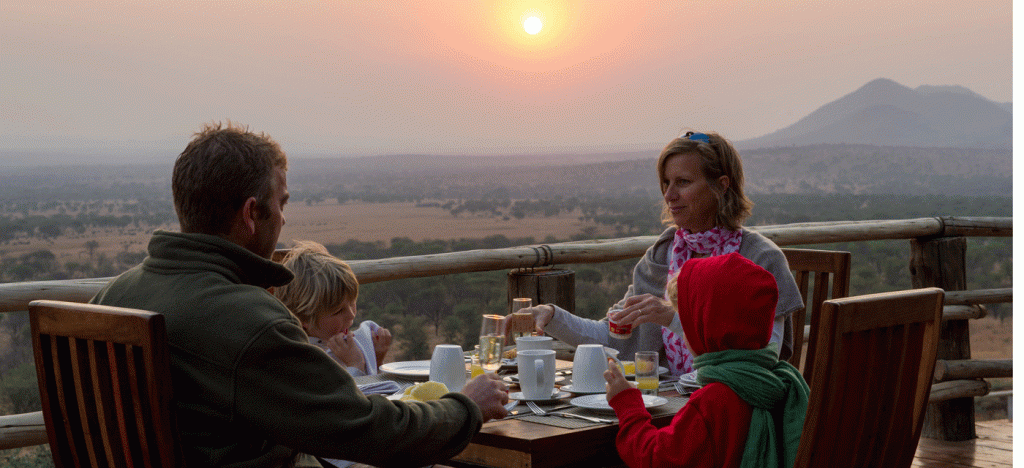
The Serengeti can also work well for families and travelers experiencing their first African safari. Wildlife viewing provides an engaging way for visitors of different ages to learn about animals, habitats, geography and conservation.
Children can observe elephants, giraffes, zebras, lions, hippos and other wildlife while learning how animals survive in their natural environment. Guides can adapt explanations to the interests and ages of family members turning game drives into educational experiences.
Families should consider safari duration, driving times, accommodation facilities and daily schedules when planning. Younger travelers may benefit from shorter drives combined with suitable rest periods. Choosing accommodation with family-friendly facilities can also make the experience more comfortable.
First-time safari travelers can benefit from working with an experienced local operator. Before departure, travelers should understand what the package includes, what type of vehicle they will use, where they will stay and how daily game drives operate.
Packing also matters. Comfortable clothing, sun protection, binoculars, cameras and suitable footwear can make game drives more enjoyable.
Travelers should also prepare for changing temperatures. Early mornings can feel cool while afternoons may become warm.
The Serengeti introduces visitors to wildlife in a direct and memorable way. Instead of seeing animals only in books, documentaries or zoos, travelers can observe them in the environments where they naturally live.
For families and first-time visitors, this combination of education, adventure, scenery and wildlife can create a meaningful introduction to African safari travel.
The Serengeti Delivers a True Sense of Wilderness
Perhaps the most powerful quality of the Serengeti is its enormous sense of space. The landscape stretches toward distant horizons often creating the feeling that travelers have entered a world operating according to its own natural rhythms.
Open plains provide uninterrupted views across large distances. Wildlife can appear as small silhouettes on the horizon before gradually becoming clearer as the safari vehicle approaches. At other times animals may remain hidden until a guide notices movement among the grass.
The sounds of the wilderness also contribute to the experience. Birds call from trees, insects fill the air and distant animal sounds can become part of the atmosphere. At night the environment changes again as many animals become active under cooler conditions.
The absence of dense urban development across much of the park creates a powerful contrast with everyday life. Travelers can spend hours away from traffic, buildings and city noise while focusing on landscapes and wildlife.
Sunrise and sunset add further drama. The changing light can transform the plains from cool morning tones to bright daytime scenery and finally warm evening colors.
This sense of wilderness makes the Serengeti particularly memorable. Travelers do not simply visit a wildlife attraction; they enter a vast ecosystem where natural processes continue to shape animal movements and landscapes.
For many visitors that feeling of space and connection with nature becomes one of the defining memories of their Tanzania safari.
Frequently Asked Questions
1. Why Serengeti is a Top Safari Destination for Travelers?
Why Serengeti is a Top Safari Destination for Travelers becomes clear through its exceptional wildlife, diverse landscapes, Great Wildebeest Migration, year-round safari opportunities and strong sense of wilderness. Travelers can experience lions, elephants, leopards, cheetahs, giraffes, zebras, wildebeest and many bird species in their natural habitats.
2. What makes the Serengeti special for a safari?
The Serengeti combines abundant wildlife with vast grasslands, rocky kopjes, woodlands, rivers and seasonal wetlands. Its changing landscapes and wildlife movements create different experiences throughout the year.
3. Can I see the Big Five in the Serengeti?
Yes, the Serengeti provides habitat for the Big Five: lions, leopards, elephants, buffaloes and rhinoceros. However, wildlife sightings are never guaranteed because animals move naturally through the ecosystem.
4. When is the best time to visit the Serengeti?
The best time depends on the experience you want. Different periods offer different opportunities, including dry-season wildlife viewing, green-season scenery, calving in southern Serengeti and migration movements in northern Serengeti.
5. Can I see the Great Wildebeest Migration in the Serengeti?
Yes. The Serengeti forms a major part of the Great Wildebeest Migration ecosystem. The location of the herds changes throughout the year according to rainfall, fresh grass, water availability and breeding conditions.
6. Is the Serengeti good for wildlife photography?
Yes. Open plains, abundant wildlife, changing seasonal landscapes and varied lighting create excellent photography opportunities. Early mornings and late afternoons can provide particularly favorable natural light.
7. Which part of the Serengeti is best for wildlife viewing?
Different regions offer different experiences. Central Serengeti provides strong year-round wildlife opportunities, southern Serengeti and Ndutu become important during calving season, while northern Serengeti attracts travelers interested in northern migration movements and the Mara River area.
8. Can I visit the Serengeti on a budget?
Yes. Travelers can choose from budget camping, mid-range lodges and tented camps, or luxury accommodation. Shared group safaris can also reduce costs compared with private safari arrangements.
9. Is the Serengeti suitable for families?
Yes. Families can enjoy wildlife viewing while learning about animals, ecosystems and conservation. When traveling with children, it is useful to consider driving distances, accommodation facilities, safari duration and suitable daily schedules.
10. Can I combine the Serengeti with other Tanzania destinations?
Yes. Travelers commonly combine the Serengeti with destinations such as the Ngorongoro Conservation Area, Tarangire National Park and Lake Manyara National Park. Combining destinations provides opportunities to experience different landscapes and wildlife habitats.
11. Should I choose a private or group Serengeti safari?
Both options are available. Private safaris generally provide more flexibility over schedules and wildlife-viewing time, while group safaris can provide a more affordable experience and opportunities to travel with other visitors.
12. How many days do I need for a Serengeti safari?
The ideal duration depends on your itinerary and interests. Shorter safaris can focus on one Serengeti region, while longer journeys allow travelers to explore multiple regions and combine the Serengeti with other northern Tanzania destinations.
13. What animals can I see in the Serengeti?
Travelers may encounter lions, leopards, cheetahs, elephants, buffaloes, giraffes, zebras, wildebeest, hippos, hyenas, gazelles and many other mammals. The park also supports a remarkable variety of resident and migratory bird species.
14. Is the Serengeti worth visiting outside the Great Migration?
Yes. The Serengeti offers wildlife experiences throughout the year. Resident wildlife, diverse habitats, changing landscapes and seasonal conditions mean travelers can enjoy meaningful safari experiences even when the migratory herds are in another part of the ecosystem.
Conclusion
Why Serengeti is a Top Safari Destination for Travelers ultimately comes down to the extraordinary combination of wildlife, landscapes, seasonal experiences, conservation and authentic wilderness. The park provides opportunities to observe lions, elephants, leopards, cheetahs, buffaloes, giraffes, zebras, wildebeest, hippos and countless bird species within their natural habitats.
The Great Wildebeest Migration adds another remarkable dimension while the different Serengeti regions allow travelers to experience changing landscapes and wildlife patterns throughout the year. From the calving season in the south to migration movements in the north and year-round wildlife viewing around central Serengeti each period offers its own character.
Travelers can also choose from budget camping, mid-range lodges, luxury tented camps, private safaris and shared group journeys. This flexibility makes it possible to design an itinerary around different budgets, travel styles and interests.
For travelers planning their first or next Tanzania safari Serengeti Travels can help create a practical Serengeti itinerary based on season, accommodation preference, safari duration and wildlife interests. As a local Tanzania safari company based in Arusha Serengeti Travels can help travelers explore the Serengeti while connecting their safari with other northern Tanzania destinations.
The Serengeti remains more than a place to see famous African animals. It is a vast living ecosystem where wildlife, landscapes, weather, migration and conservation interact continuously. That combination gives every journey the potential to become a distinctive safari experience