 English
 Deutsch
 Italia
December 16, 2025
By kelvingaspar
Why Serengeti is a Top Safari Destination
Why Serengeti is a Top Safari Destination for Travelers
Introduction to the Serengeti
Serengeti National Park, located in northern Tanzania, is often heralded as one of the world’s premier safari destinations. Covering an impressive area of approximately 14,763 square kilometers, the park is characterized by its vast savannahs, woodlands, and riverine forests, making it a biodiverse habitat for a myriad of wildlife species. The park’s geographical location is alluring, bordered by the Ngorongoro Conservation Area to the south and the Maasai Mara National Reserve in Kenya to the north, positioning it within a crucial ecosystem for migratory animals.
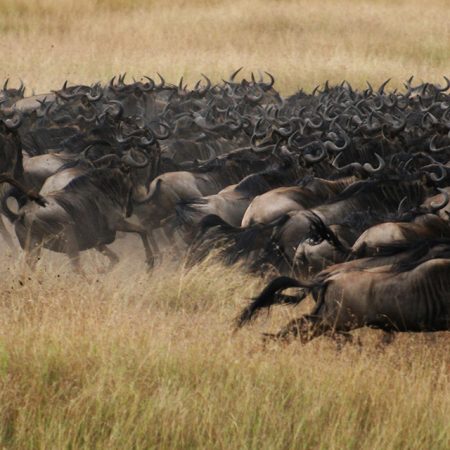
One of the most distinctive features of the Serengeti is the Great Migration, an annual event that witnesses over a million wildebeest, along with hundreds of thousands of zebras and antelopes, traversing the plains in search of greener pastures and water sources. This remarkable phenomenon occurs primarily between January and March, drawing wildlife enthusiasts from around the globe eager to witness the spectacular sight of herds and the predators that follow them, including lions, leopards, and cheetahs. The constant movement of such large numbers of animals enriches the Serengeti’s ecological tapestry and underscores its importance as a wildlife conservation area.
In addition to the famed Great Migration, the Serengeti is home to an extensive variety of species, including elephants, giraffes, and numerous bird species. This biodiversity, combined with stunning landscapes and unique ecosystems, creates unparalleled opportunities for exploration and discovery. The allure of the Serengeti lies not only in its wildlife but also in the sense of adventure and connection with nature that it offers to visitors. It is a quintessential destination for those looking to immerse themselves in the raw beauty and wildlife that Africa has to offer.
The Great Wildebeest Migration
The Great Wildebeest Migration is often described as one of the most remarkable natural spectacles on the planet, drawing thousands of safari enthusiasts to the Serengeti National Park each year. This awe-inspiring event involves over a million wildebeests, accompanied by zebras and other herbivores, as they traverse a circular route between the Serengeti in Tanzania and the Maasai Mara in Kenya. The migration typically unfolds from late April through early July, when the animals move north to seek greener pastures and water sources, before returning south between October and December for calving season.
Witnessing the Great Wildebeest Migration is an experience like no other. The sight of vast herds crossing the plains, battling predators such as lions and crocodiles, and navigating treacherous river crossings captivates and astounds all who attend. This remarkable journey underscores the intricate connections within the ecosystem. The migrations not only sustain the wildebeests and their counterparts but also play a critical role in regulating plant growth, which ultimately impacts the habitats of countless other species, promoting biodiversity within the region.
However, to fully appreciate this extraordinary event, tourists should plan their safaris strategically. Considering the timing and locations of the herds is vital for optimal viewing, as they can be elusive at times. Expert local guides often provide invaluable insights into the migration’s patterns, ensuring that safari-goers get the most of their experience. The Great Wildebeest Migration, with its dramatic showcases of survival and adaptation, not only represents the raw beauty of nature but also highlights the importance of wildlife conservation efforts in preserving these magnificent species and their natural habitats. The splendor of this migration is an unforgettable aspect of any safari and reinforces the Serengeti’s status as a premier destination for wildlife enthusiasts.
Diverse Wildlife in Serengeti
The Serengeti National Park, located in Tanzania, is renowned for its impressive diversity of wildlife, which plays a crucial role in the ecological balance of the region. The park is home to an unparalleled variety of species, including the iconic “Big Five”—lion, elephant, buffalo, leopard, and rhinoceros. However, the richness of Serengeti’s wildlife extends far beyond these well-known animals.
Visitors to the Serengeti can encounter over 500 species of birds, ranging from vibrant flamingos and majestic eagles to tiny sunbirds. This avian diversity makes the park a paradise for birdwatchers and naturalists alike. Moreover, the intricate relationships among different species contribute to the overall biodiversity that characterizes the Serengeti ecosystem. Smaller mammals such as the serval, hyena, and numerous antelope species also thrive in this habitat, showcasing the breadth of wildlife present.
The Serengeti is equally notable for its seasonal migrations, which occur when vast herds of wildebeest, zebras, and other grazing animals traverse the landscape in search of fresh grass and water. This annual event, often referred to as the Great Migration, attracts followers from around the globe—both tourists and predators alike—creating dynamic interactions within the ecosystem. The movements of these herds have significant implications for the park’s flora and fauna, ensuring a constant cycle of life that sustains various species.
Moreover, the Serengeti encompasses various habitats, including grasslands, woodlands, and riverine forests, each supporting distinct wildlife communities. This habitat diversity, combined with the wide array of species coexisting within the park, underscores the ecological importance of the Serengeti as a critical area for wildlife conservation and biodiversity. The ongoing preservation efforts in the region are essential to maintain this intricate web of life for generations to come.
The Famous Big Five
The term “Big Five” refers to five of the most iconic game animals sought after by safari enthusiasts: lions, leopards, rhinos, elephants, and buffalo. These species are not only significant for their size and majesty but also for their cultural importance and unique behaviors, making them a highlight of any safari. The Serengeti National Park, known for its vast savannahs and biodiverse ecosystems, offers unparalleled opportunities to observe these magnificent creatures in their natural habitat.
Lions, often referred to as the king of the jungle, are among the most sought-after sightings. In the Serengeti, lion prides can frequently be spotted lounging under acacia trees or hunting their prey in the vast grasslands. Their social dynamics and hunting strategies provide a fascinating insight into the wildlife of the region.
Leopards, with their elusive nature and beautiful spotted coats, are another must-see. The dense shrubbery of the Serengeti provides the perfect environment for leopards, allowing them to exhibit their remarkable climbing skills and stealth while hunting. Visitors often find themselves captivated by this unique predator as it navigates the terrain with grace.
Meanwhile, elephants are considered the gentle giants of the animal kingdom. The Serengeti is home to vast herds of African elephants, known for their complex social structures and intelligence. Observing these majestic creatures engage in social interactions or care for their young is truly a remarkable experience.
Rhinos, although rarer due to poaching threats, can still be encountered in the Serengeti. Their significance in the ecosystem cannot be overstated, as they play a crucial role in maintaining habitat balance. Lastly, the African buffalo, known for their robust build and herd mentality, can often be seen grazing alongside other herbivores in the park. Together, these animals form the backbone of the Serengeti’s wildlife offerings, making it a premier safari destination for nature enthusiasts around the globe.
Year-Round Safari Opportunities
The Serengeti National Park, renowned for its remarkable biodiversity and stunning landscapes, presents an exceptional environment for wildlife enthusiasts year-round. Each season in the Serengeti showcases unique wildlife experiences, making it a versatile destination for safari adventures. The choice of the season significantly influences the type of wildlife encounters that travelers can expect, thereby enhancing their safari experience.
The dry season, typically spanning from June to October, is a particularly popular time to visit. During these months, animals are drawn to water sources, allowing visitors to witness wildlife congregating in large numbers around rivers and watering holes. This is particularly true for the famed Great Migration, where millions of wildebeest and zebras traverse the savannah in search of greener pastures. Observing this extraordinary movement provides travelers with a once-in-a-lifetime spectacle of nature in action.
With its diverse seasons, the Serengeti allows travelers to tailor their safari experience according to their interests, whether it be witnessing the dramatic wildlife migrations or observing the nurturing behaviors of mothers and their young. This adaptability, coupled with the stunning scenery, makes the Serengeti a premier safari destination that guarantees unforgettable moments throughout the year.
Wide Open Plains for Wildlife Viewing
The Serengeti National Park, located in northern Tanzania, is renowned for its vast, open plains that stretch as far as the eye can see. This expansive geography is pivotal in creating an ideal environment for wildlife viewing. The park covers an area of approximately 14,763 square kilometers, characterized by a mix of grasslands, savannahs, and woodlands. This diverse landscape not only supports a rich variety of flora but also harbors a plethora of fauna, making it a premier safari destination.
The open plains of the Serengeti are particularly advantageous for spotting wildlife, as they provide unobstructed views of the animals in their natural habitat. Visitors can easily observe large herds of wildebeest, zebras, and gazelles as they traverse the savannah, especially during the Great Migration—one of the most spectacular natural events on the planet. This seasonal movement involves millions of animals following the rain patterns in search of fresh grazing lands, providing an unforgettable experience for safari-goers.
The absence of dense vegetation in the plains allows for enhanced visibility, enabling tourists to track predators such as lions, cheetahs, and hyenas during their hunts. This open environment not only heightens the thrill of wildlife encounters but also facilitates photography opportunities, as the expansive vistas create stunning backdrops for capturing the majesty of these animals. In addition, the wide-open landscape fosters a sense of tranquility, making it easier for visitors to connect with nature and appreciate the serene beauty of the Serengeti.
In essence, the geography of the Serengeti National Park, with its expansive open plains, significantly enhances the wildlife viewing experience. This unique characteristic is a key reason why the Serengeti remains a top destination for those seeking the thrill of a true African safari.
Comparing Serengeti with Other Safari Parks
The Serengeti National Park in Tanzania is often hailed as one of the premier safari destinations in Africa. While there are several renowned parks across the continent, like Kruger National Park in South Africa and Maasai Mara in Kenya, the Serengeti offers unique experiences that frequently enhance its appeal to both seasoned travelers and first-time visitors. The vast landscapes, diverse wildlife, and annual migration of millions of wildebeest and zebras create an environment that is unmatched by other parks.
One of the most distinctive features of the Serengeti is its vastness. Spanning approximately 5,700 square miles, the park provides expansive habitats for a variety of wildlife. This scale allows for a feeling of seclusion that contrasts with the often more crowded experiences reported in the Maasai Mara during peak migration seasons. While the Maasai Mara is celebrated for its stunning wildlife interactions, particularly during the Great Migration, the Serengeti offers an equally impressive spectacle. The same migration occurs here, but it is often more spread out across the larger landscape, enabling visitors to experience the event with fewer crowds.
Kruger National Park, another notable safari destination, is known for its road accessibility and well-established infrastructure. However, the Serengeti’s unique landscape, characterized by its endless plains and rugged terrain, offers a more quintessential safari experience that resonates emphatically with nature enthusiasts. The diverse ecosystems within the park, ranging from grasslands to woodlands, support a vast array of species, including big cats, elephants, and rhinos, further setting the Serengeti apart.
Additionally, the Serengeti’s rich cultural history, along with the opportunity to encounter the Maasai people, adds to its allure for visitors seeking a holistic safari experience. Altogether, these factors contribute to why the Serengeti often emerges as the preferred choice for those looking to immerse themselves in Africa’s natural beauty and wildlife heritage.
Tips for First-Time Safari Travelers
Embarking on a safari in the Serengeti is an exhilarating adventure that requires careful planning to maximize the experience. For first-time travelers, knowing the best time to visit is paramount. Typically, the dry season, from June to October, is considered ideal due to reduced vegetation and easier animal spotting. During this time, wildlife congregates around water sources, providing excellent opportunities for observation and photography. However, the wet season, which runs from November to May, presents a different but equally rewarding experience, as it brings the stunning calving season, attracting various migratory animals.
Packing appropriately is another crucial aspect of safari preparation. Visitors should aim for lightweight, breathable clothing in neutral tones to blend seamlessly into the environment. These colors not only enhance the safari experience by reducing the chances of startling wildlife but also help in staying cool under the sun. Additionally, consider packing a wide-brimmed hat, sunglasses, and sunscreen to protect against UV rays. Binoculars, a good camera with a zoom lens, and a spotting scope can significantly enrich your experience, allowing for detailed observation of animals in the distance.
To maximize the safari experience, it is wise to engage with knowledgeable guides who can provide valuable insights about wildlife behavior and local ecology. Joining guided tours rather than self-driving can enhance the likelihood of encountering the Big Five and witnessing unique animal interactions. Moreover, maintaining a respectful distance from wildlife, following park guidelines, and being patient allows for memorable moments during the safari. Lastly, be prepared for varying weather conditions. Carrying a waterproof jacket or poncho can safeguard against unexpected rain showers, ensuring that you remain comfortable throughout your adventure.
Conclusion: The Serengeti Experience
The Serengeti National Park, famed for its breathtaking landscapes and extraordinary wildlife, undoubtedly ranks among the premier safari destinations worldwide. Throughout this blog post, we have explored various facets that contribute to the park’s allure, from the spectacular Great Migration to the diverse range of flora and fauna that inhabit this pristine environment. Each aspect of the Serengeti embodies its significance as a bucket-list location, attracting countless visitors annually who seek adventure and connection with nature.
Moreover, the unique opportunity to witness the Big Five—lions, elephants, buffalo, leopards, and rhinoceros—against the backdrop of the park’s iconic savannahs enhances the overall Serengeti experience. The balance of professional wildlife guides and self-driving tours allows for personalized exploration, catering to both novice and seasoned travelers. Visitors can engage deeply with the intricacies of the ecosystem, appreciating the delicate interactions between various species while enjoying the serenity that the undisturbed wilderness provides.
Additionally, the cultural interactions offered by local communities enrich the experience further, providing insights into the traditions and lifestyles of the Maasai people who inhabit the region. This connection between the wildlife and the local culture manifests a profound understanding of the importance of conservation efforts in maintaining the natural habitat. As visitors engage with the park’s rich heritage, they contribute to the ongoing sustainability initiatives, making their journey even more meaningful.
In conclusion, the unforgettable experiences that the Serengeti offers make it an exceptional choice for any safari enthusiast. Its remarkable landscapes, diverse wildlife encounters, and cultural richness solidify its reputation as a top destination. Encourage your plans to experience the Serengeti for yourself and create lasting memories in this iconic wilderness.