 English
 Deutsch
 Italia
May 16, 2026
Where to stay in Serengeti national park
Introduction
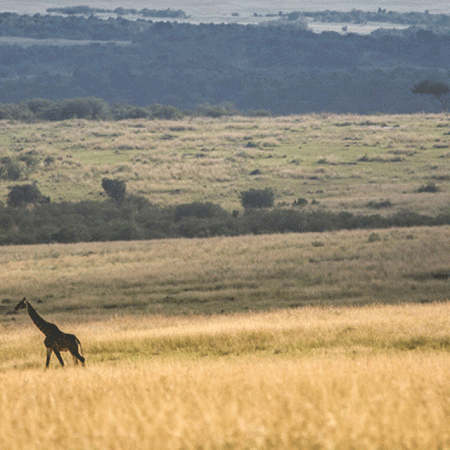
The Where to stay in Serengeti national park guide helps travelers choose the right accommodation while exploring one of Tanzania’s most famous wildlife destinations. The Serengeti covers more than 14,000 square kilometers and offers diverse landscapes, abundant wildlife and unforgettable experiences throughout the year.
Choosing where to stay plays an important role in your safari experience. Your accommodation affects your comfort, travel time, wildlife viewing opportunities and access to seasonal events such as the Great Wildebeest Migration, river crossings and calving season.
Central Serengeti provides excellent year-round wildlife viewing especially for big cats around the Seronera area. Northern Serengeti brings you closer to the Mara River and seasonal migration crossings while Southern Serengeti offers excellent opportunities to witness wildebeest calving and predator activity.
You can choose from several accommodation options including luxury lodges and tented camps, mid-range camps, budget campsites and mobile tented camps. Luxury properties provide premium comfort and services, while mid-range camps offer a balance between comfort and cost. Budget camps provide a more basic experience and mobile camps follow the migration to keep travelers close to wildlife.
Season also influences the best place to stay. Wildlife movements change with rainfall and grazing conditions so the ideal location in January may differ from the best choice in July.
Ultimately choosing the right Serengeti accommodation helps you reduce unnecessary driving, improve wildlife viewing and enjoy a more comfortable and memorable safari.
Table of contents
Luxury lodges and tented camps
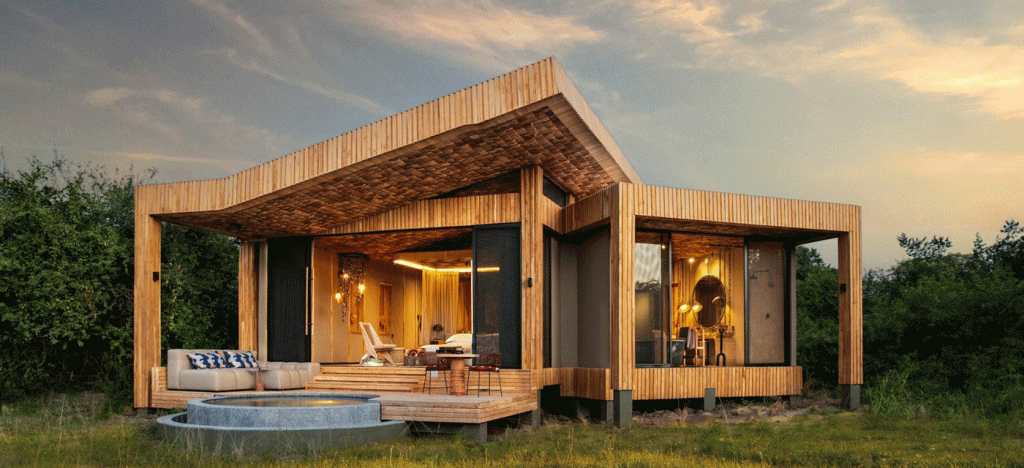
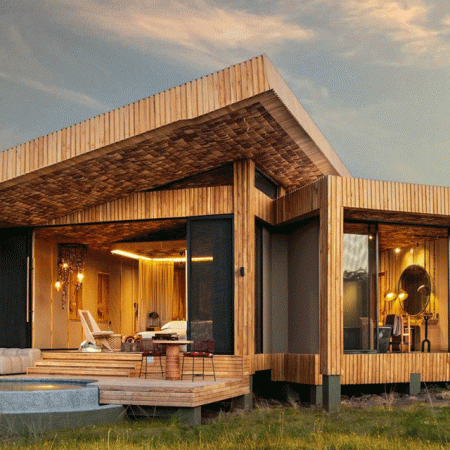
Luxury lodges in the Serengeti represent the highest level of comfort available in the African wilderness. These properties are carefully located in prime wildlife regions such as Central Serengeti, Northern Serengeti near the Mara River and exclusive private concessions. The goal is to combine five-star comfort with direct access to wildlife-rich areas.
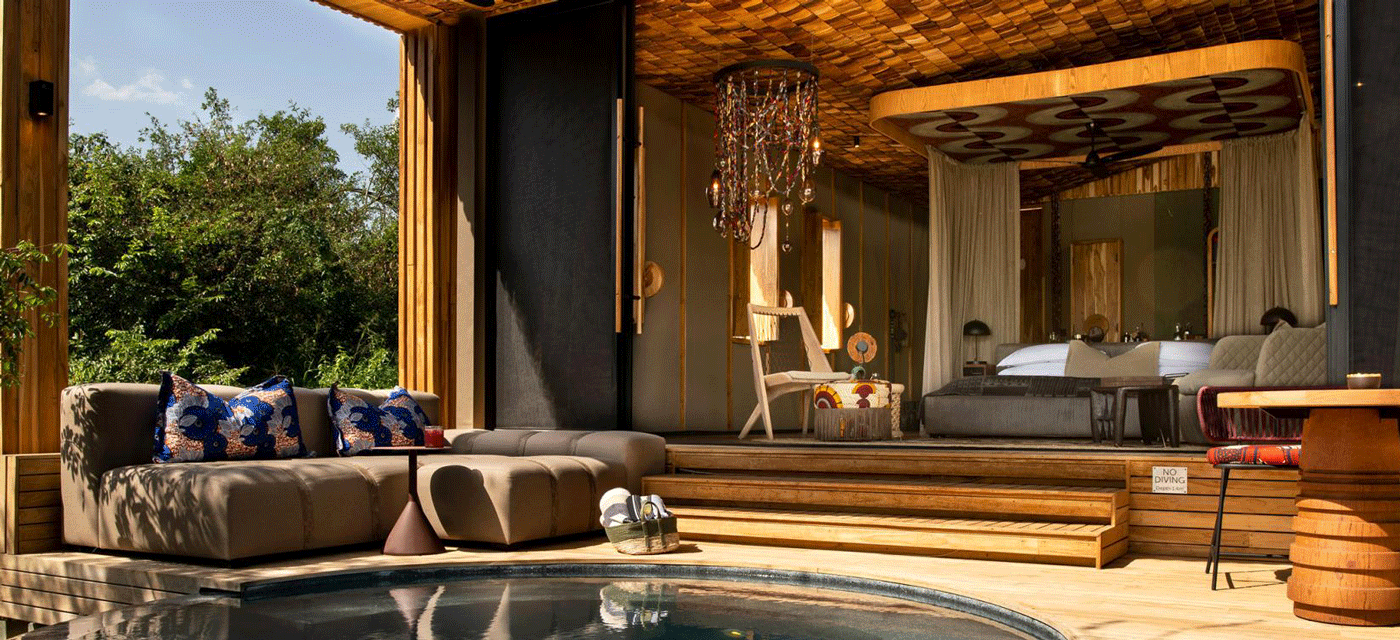
Accommodation in this category includes spacious suites or luxury canvas tents with en-suite bathrooms, hot showers, king-size beds, private verandas and panoramic views of the savannah. Many luxury camps also include swimming pools, spas, wine cellars and fine dining restaurants offering international cuisine prepared by professional chefs.
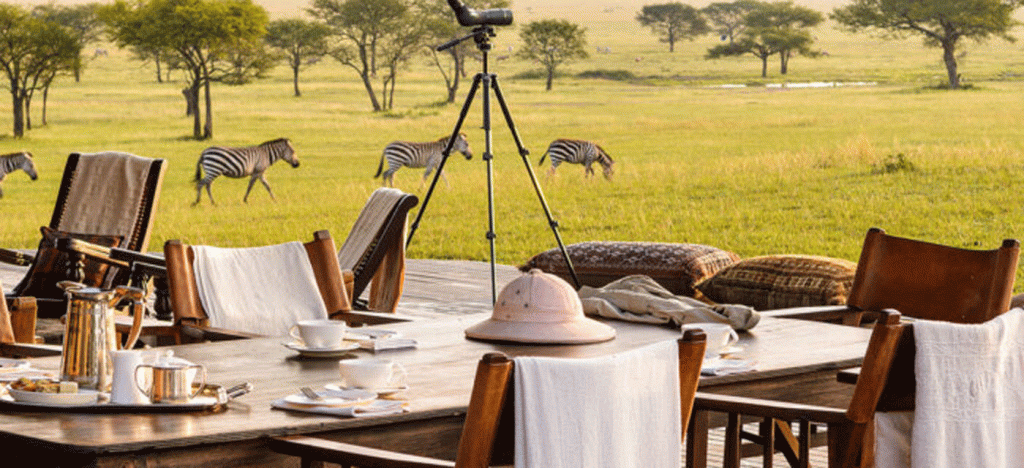
Service is highly personalized. Guests often enjoy private game drives, flexible schedules and expert safari guides who tailor each experience based on wildlife movement. Additional activities such as bush breakfasts, sundowner drinks in the wild and guided walking safaris may also be included depending on the lodge.
One of the biggest advantages of luxury accommodation is its strategic positioning in high-density wildlife zones. In Central Serengeti, wildlife is present year-round, including lions, leopards, elephants and hyenas. In Northern Serengeti luxury camps provide front-row access to the dramatic Mara River crossings during migration season one of the most intense wildlife spectacles in the world.
However this level of comfort comes at a high price. Costs typically range from several hundred to over a thousand dollars per person per night depending on the season and exclusivity of the camp. Despite the cost, many travelers choose luxury lodges for privacy, convenience and a stress-free safari experience.
Luxury camps are ideal for honeymooners, photographers, families seeking comfort and travelers who want the best possible safari experience with no compromise on service or comfort.
Mid-range lodges and tented camps
Mid-range lodges and tented camps are the most popular accommodation option in the Serengeti because they offer an excellent balance between comfort, cost and authentic safari experience. These camps are designed for travelers who want a quality safari experience without paying luxury prices.
Accommodation typically consists of permanent lodges or semi-permanent safari tents. Rooms usually include comfortable beds, en-suite bathrooms, hot showers, mosquito nets and basic electricity often powered by solar energy or generators. While not luxurious they provide all essential comforts needed for a safe and enjoyable stay in the bush.
Most mid-range camps are located in Central Serengeti especially the Seronera region. This area is known as the wildlife hub of the park and offers consistent game viewing throughout the year. Visitors regularly see lions, cheetahs, elephants, giraffes and large herds of herbivores.
Mid-range camps also offer a social and relaxed atmosphere. Guests often share dining areas and evening campfires creating a friendly environment where travelers exchange safari stories and experiences. This adds a unique communal feeling to the safari journey. Game drives are usually included or easily arranged. Professional guides lead safaris and are skilled at tracking wildlife and explaining animal behavior. While vehicles may be shared sightings remain excellent due to the high density of wildlife in the region.
Prices are moderate making this category ideal for couples, families and small groups. It is especially popular among first-time safari travelers who want a balanced experience of comfort and adventure. Overall mid-range lodges offer strong value by combining good accommodation, excellent locations and immersive safari experiences at a reasonable cost.
Budget camps and public campsites
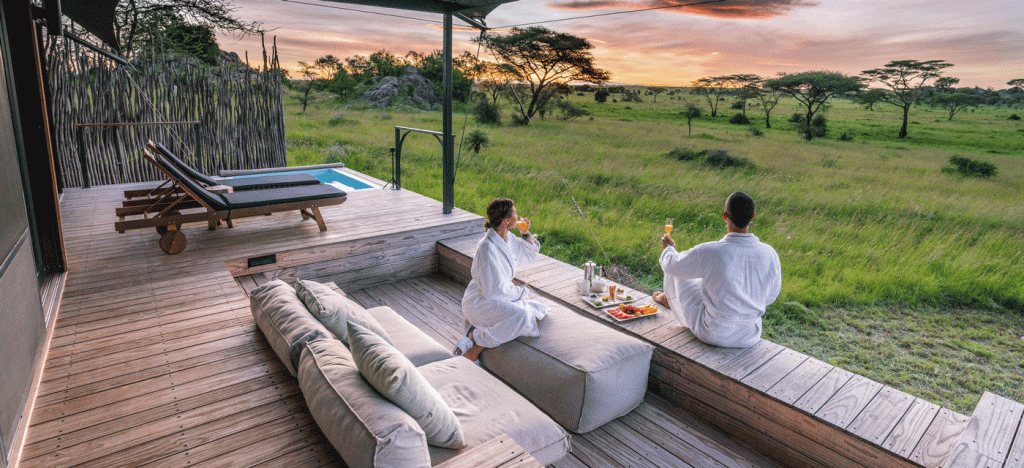
Budget accommodation in the Serengeti is designed for travelers who prioritize adventure, nature and affordability over luxury and comfort. This category includes public campsites and basic tented camps located inside or near the park. Public campsites are very simple. Travelers may need to bring their own camping gear or use basic tents provided by tour operators. Facilities are shared and minimal, usually consisting of communal bathrooms, washing areas and simple dining or cooking spaces. Electricity is limited or not available at all.
Some budget tented camps provide slightly more comfort, including basic beds, canvas tents and limited en-suite facilities. However they remain simple compared to mid-range and luxury options. The main advantage of budget camping is affordability and closeness to nature. It allows travelers to experience the Serengeti at a very low cost while still staying inside or near the park. This makes it ideal for backpackers, students and adventure-focused travelers.
One of the most memorable aspects of budget camping is the raw wilderness experience. At night, the sounds of lions roaring, hyenas calling and elephants moving nearby create a powerful and unforgettable atmosphere. However, this category requires flexibility and an adventurous mindset. Comfort is limited, food is simple and facilities are basic. Despite this safety is ensured through park regulations and ranger protection.
Budget camps are usually located in Central Serengeti or designated camping zones which still provide excellent access to wildlife-rich areas during game drives. In summary, budget accommodation is ideal for travelers who want a raw, immersive and cost-effective safari experience focusing more on nature than comfort.
Mobile tented camps
Mobile tented camps are one of the most unique accommodation experiences in the Serengeti. Unlike permanent lodges, these camps move seasonally to follow the Great Wildebeest Migration ensuring guests are always close to wildlife action.
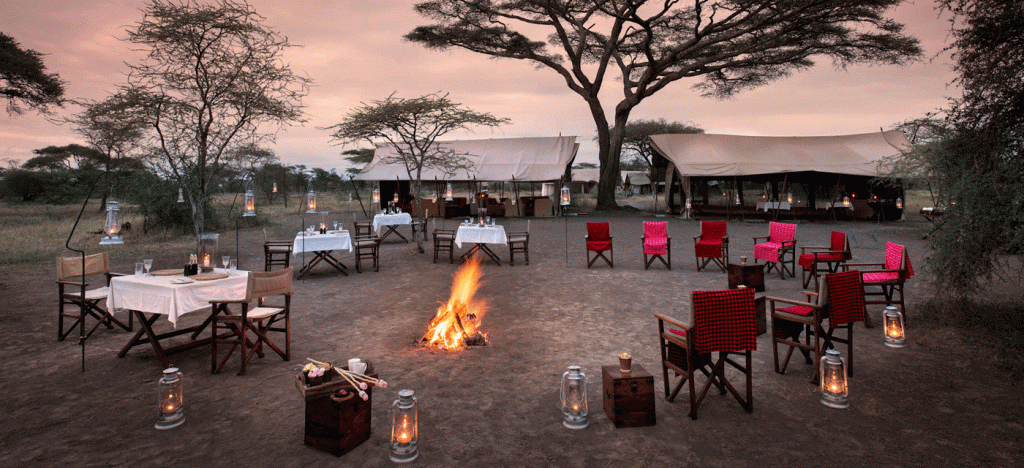
These camps consist of high-quality canvas tents that are fully set up in different locations throughout the year. Despite being temporary, they offer impressive comfort, including proper beds, en-suite bathrooms, bucket showers with warm water and full dining service. The biggest advantage of mobile camps is proximity to wildlife. Guests may find themselves waking up near massive herds during calving season in the south or close to dramatic river crossings in the north where predators and crocodiles are active.
Service in mobile camps is highly personalized because they are smaller in size. Guides continuously track migration movement and reposition camps to maximize wildlife encounters, ensuring guests are always in the right place at the right time. Mobile camps are especially popular among photographers, wildlife enthusiasts and experienced safari travelers who want a deeper and more dynamic safari experience. Each stay feels different depending on the season and wildlife movement.
Prices vary depending on comfort level, ranging from mid-range to luxury. However the value lies in the experience rather than just accommodation quality. Overall, mobile camps offer flexibility, exclusivity and unmatched access to the Great Migration making them one of the most exciting ways to experience the Serengeti.
Frequently Asked Questions for Where to stay in Serengeti national park
Where is the best place to stay in Serengeti National Park?
Central Serengeti especially the Seronera area is one of the best places to stay for year-round wildlife viewing. Northern Serengeti is ideal for Mara River crossings, while Southern Serengeti and Ndutu are excellent during calving season.
What types of accommodation are available in Serengeti National Park?
Travelers can choose from luxury lodges, luxury and mid-range tented camps, budget campsites and mobile tented camps. The right option depends on your budget, preferred comfort level, travel dates and safari goals.
Is it better to stay inside Serengeti National Park?
Yes. Staying inside the park can reduce driving time and give you earlier access to wildlife areas. It also allows you to spend more time exploring the Serengeti rather than traveling between the park and accommodation outside it.
Where should I stay in Serengeti for the Great Migration?
Northern Serengeti is a popular choice from around July to October for travelers hoping to see Mara River crossings. During the calving season, Southern Serengeti and Ndutu provide excellent access to newborn wildebeest and increased predator activity.
Where should I stay in Serengeti for the best wildlife viewing?
Central Serengeti around Seronera offers excellent wildlife viewing throughout much of the year. The area supports large populations of lions, leopards, cheetahs, elephants, hyenas and other wildlife.
What is the best accommodation for a luxury Serengeti safari?
Luxury lodges and tented camps provide spacious accommodation, private bathrooms, quality dining, personalized service and premium safari experiences. They are particularly suitable for honeymooners, families and travelers seeking comfort and privacy.
Are there budget places to stay in Serengeti National Park?
Yes. Public campsites and basic tented camps provide more affordable accommodation options. These camps offer fewer facilities than luxury properties but allow travelers to experience the Serengeti more affordably and closer to nature.
Are mobile camps worth staying in the Serengeti?
Mobile camps can be an excellent choice for travelers who want to follow the Great Migration. They move seasonally according to wildlife movements helping guests stay closer to important migration areas.
How much does accommodation in Serengeti cost?
Serengeti accommodation prices vary significantly depending on the season, location, accommodation category and level of service. Budget camps cost less, while mid-range and luxury properties can cost several hundred dollars or more per person per night.
What is the best area to stay in Serengeti for first-time visitors?
Central Serengeti is a practical choice for first-time visitors because Seronera offers strong wildlife viewing and convenient access to several parts of the park. It also works well for itineraries covering different safari areas.
Should I choose a lodge or a tented camp in Serengeti?
Both can provide excellent safari experiences. Lodges generally offer more permanent facilities while tented camps often create a stronger connection with the surrounding wilderness. Your choice should depend on comfort, budget and preferred safari style.
Can I stay in Serengeti during the Great Migration?
Yes. You can stay in permanent lodges, seasonal camps or mobile tented camps during the Great Migration. Mobile camps are particularly useful for travelers who want accommodation positioned close to changing migration routes.
Which part of Serengeti is best for calving season?
Southern Serengeti and the Ndutu area are among the best places to stay during the calving season, generally from January to March. This region attracts large wildebeest herds and predators during this important period.
How do I choose where to stay in Serengeti National Park?
Consider your travel dates, safari goals, budget and preferred comfort level. You should also consider wildlife movements because the best accommodation location can change throughout the year. A local safari operator such as Serengeti Travels can help match your accommodation with your itinerary.
Conclusion
Choosing where to stay in Serengeti National Park plays an important role in shaping your safari experience. The Serengeti is a vast and dynamic ecosystem so your accommodation can determine how easily you reach wildlife areas, seasonal events and scenic landscapes. Serengeti Travels helps travelers select accommodation that matches their itinerary, budget, travel dates and safari expectations.
Luxury lodges provide exceptional comfort, privacy, fine dining and personalized service while keeping guests close to the wilderness. Mid-range lodges and tented camps offer a practical balance between comfort and cost making them a popular choice for many safari travelers. Budget camps provide a more affordable way to experience the Serengeti while focusing on adventure, nature and authentic surroundings. Mobile camps offer an especially immersive experience because they move with the Great Migration and position travelers close to seasonal wildlife activity.
Location also matters when deciding where to stay. Central Serengeti particularly the Seronera area provides excellent wildlife viewing throughout much of the year. Northern Serengeti works well for travelers planning to witness dramatic river crossings during the migration season. Southern Serengeti and Ndutu offer outstanding opportunities during the calving season while mobile camps follow changing migration routes.
Ultimately the best place to stay depends on your budget, travel dates, comfort preferences and safari goals. With guidance from Serengeti Travels travelers can choose accommodation that improves wildlife viewing, reduces unnecessary driving and makes the entire Serengeti safari more enjoyable.