 English
 Deutsch
 Italia
October 7, 2026
When to Visit Serengeti National Park for a Safari
Introduction
When to Visit Serengeti National Park for a Safari depends on the wildlife experience, weather conditions, migration activity and scenery you want to enjoy. The Serengeti offers exceptional safari opportunities throughout the year but each season creates a different experience. Rainfall changes the landscape, fresh grass influences herbivore movements and water availability affects where animals gather. Understanding these seasonal patterns helps you choose travel dates that match your safari expectations.
The Serengeti remains one of Tanzania’s most remarkable wildlife destinations because it supports large populations of lions, elephants, buffaloes, giraffes, zebras, wildebeest, cheetahs, leopards and many other species. The park also forms part of the wider Serengeti-Mara ecosystem where millions of animals move across enormous plains in response to seasonal environmental conditions.
For many travelers June to October represents the most popular period because the dry season generally improves visibility and creates favorable conditions for game drives. However the green season also provides outstanding experiences. January to March can be especially rewarding for travelers who want to experience the wildebeest calving season in the southern Serengeti and Ndutu area.
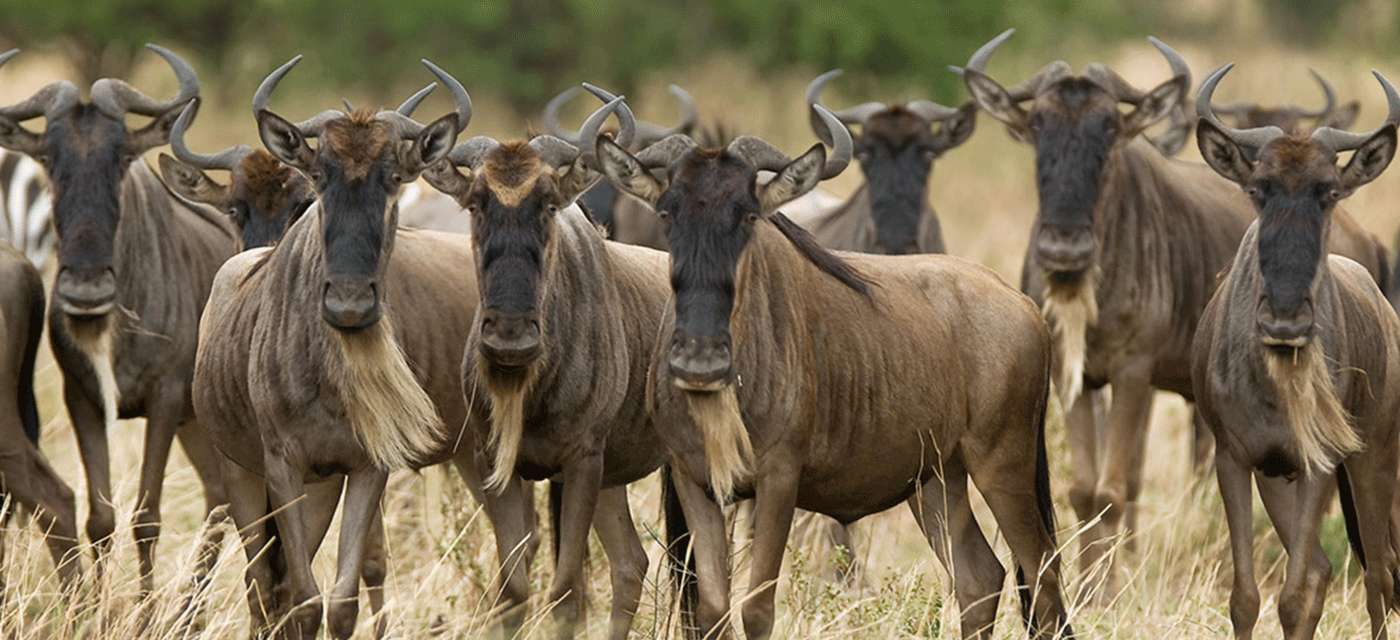
Travelers interested in the Great Wildebeest Migration should choose their dates carefully because the herds do not follow a fixed calendar. Their movements depend primarily on rainfall, fresh grazing and water availability.
Therefore the best time to visit Serengeti depends on your personal priorities. Whether you want migration action, newborn animals, predator encounters, photography, green landscapes or fewer visitors every season offers something special.
Table of contents
- Introduction
- Best Time to Visit Serengeti National Park
- Visiting Serengeti in January
- Visiting Serengeti in February
- Visiting Serengeti in March
- Visiting Serengeti in April
- Visiting Serengeti in May
- Visiting Serengeti in June
- Visiting Serengeti in July
- Visiting Serengeti in August
- Visiting Serengeti in September
- Visiting Serengeti in October
- Visiting Serengeti in November
- Visiting Serengeti in December
- Best Time to See the Great Wildebeest Migration
- Best Time for Wildlife Viewing in Serengeti
- Best Time for a Family Safari in Serengeti
- Best Time for Photography in Serengeti
- Best Time for a Quiet Serengeti Safari
- How Weather Affects a Serengeti Safari
- How to Choose the Right Month for Your Serengeti Safari
- Conclusion
Best Time to Visit Serengeti National Park
The best time to visit Serengeti National Park depends on the experience you want but June through October generally provides some of the most reliable conditions for traditional wildlife viewing. During these months, rainfall usually decreases, vegetation becomes shorter and animals increasingly depend on permanent water sources. These conditions can make wildlife easier to locate and photograph during game drives.
June provides an attractive transition between the wetter period and the main dry season. The landscape can still retain green vegetation while wildlife viewing conditions begin to improve. July, August and September normally bring drier conditions shorter grass and excellent visibility across many areas of the park. October continues the dry-season experience but may also bring the first signs of changing weather.
The dry season attracts many visitors because it combines favorable game-viewing conditions with relatively predictable safari logistics. However, popular areas can become busier especially when travelers follow the Great Wildebeest Migration.
The green season provides an equally interesting alternative. January through March can produce spectacular wildlife experiences around the southern Serengeti and Ndutu area especially during the calving season. November and December can also transform the landscape with fresh vegetation following seasonal rains.
Consequently there is no single month that represents the perfect time for every traveler. Your ideal travel period should reflect whether you prioritize dry weather, migration, calving, photography, scenery, wildlife density or a quieter safari experience.
Visiting Serengeti in January
January offers an exciting opportunity to explore the Serengeti during the green season. Seasonal rainfall encourages fresh grass growth across the plains creating a beautiful landscape that looks dramatically different from the dry-season environment. The southern Serengeti and Ndutu ecosystem can become particularly interesting as wildebeest begin gathering in areas with nutritious grazing.
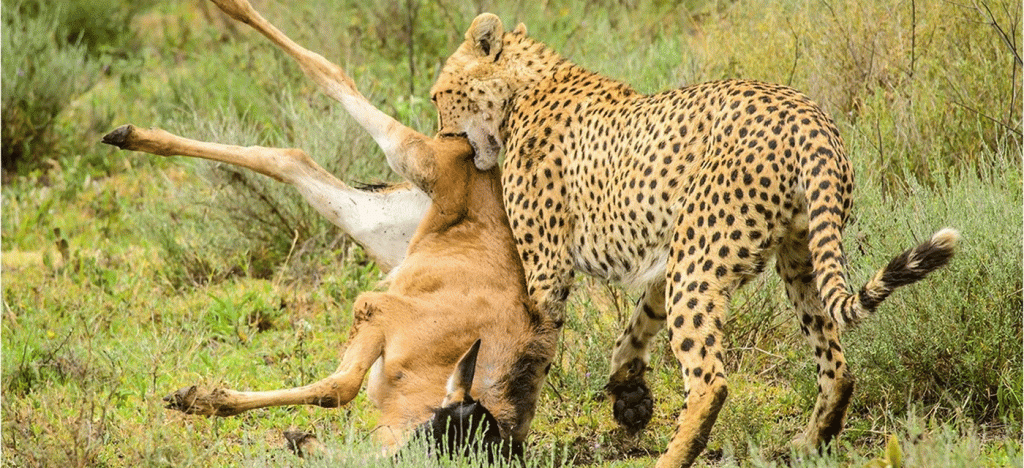
Herbivores respond quickly to fresh vegetation and their movements can attract predators. Lions, cheetahs and hyenas may follow concentrations of wildebeest and zebra creating opportunities for exciting wildlife encounters. January therefore provides much more than beautiful scenery because the ecosystem becomes highly active as animals respond to changing environmental conditions.
The green landscape also creates excellent photographic opportunities. Fresh grass, dramatic clouds and wildlife provide colorful backgrounds while morning and evening light can produce impressive images. Rain showers may occur but they often arrive intermittently rather than preventing safari activities throughout the day.
January can suit travelers who want to avoid the busiest dry-season period while still enjoying excellent wildlife. The month also provides a strong introduction to the calving season that develops further during February and March.
Travelers should remember that wildlife movements vary each year. Rainfall patterns influence where herds gather, so an experienced safari guide should monitor local conditions and adjust game-drive routes accordingly.
For travelers who enjoy green landscapes, active wildlife and the beginning of the calving season January can provide a rewarding Serengeti safari experience.
Visiting Serengeti in February
February stands among the most exciting months for visiting the southern Serengeti because the calving season can reach remarkable levels of activity. Large concentrations of wildebeest gather around the southern plains and Ndutu ecosystem where fresh grass provides valuable nutrition for mothers and their young.
During this period, travelers can encounter large herds accompanied by newborn calves. The abundance of young animals also attracts predators, including lions, cheetahs and hyenas. This interaction creates one of the most dynamic wildlife experiences in the Serengeti as predators take advantage of the concentration of prey.
The landscape usually remains green because seasonal rainfall supports fresh vegetation. Short grass across some areas can provide relatively open views making February particularly appealing to wildlife photographers. Dramatic clouds, golden sunlight and green plains can create powerful photographic backgrounds.
February can also provide excellent birdwatching opportunities because many bird species take advantage of the productive ecosystem. Travelers who enjoy combining large mammals with diverse birdlife can find plenty to observe.
The popularity of the calving season means some areas can become busy. However careful itinerary planning can help travelers spend more time in productive areas while avoiding unnecessary vehicle congestion.
If your primary goal involves seeing newborn wildebeest and experiencing predator activity against beautiful green landscapes, February can rank among the strongest months for a Serengeti safari.
Visiting Serengeti in March
March continues the green-season experience and can remain highly rewarding for travelers interested in the southern Serengeti and Ndutu calving areas. Wildebeest and other herbivores continue taking advantage of nutritious grass while predators remain active around large concentrations of prey.
The landscape can remain vibrant and green creating excellent conditions for photography. Travelers can capture wide environmental scenes as well as close wildlife portraits especially during the softer morning and evening light.
Rainfall becomes an important consideration during March. Showers can occur more frequently than during the dry season and conditions can vary from one year to another. However rainfall also maintains the vegetation that supports the large herbivore populations.
March offers an appealing combination of wildlife activity and beautiful scenery. Travelers who prefer green landscapes may enjoy it more than the dusty conditions that characterize parts of the dry season.
The month can also provide opportunities to experience the final stages of the main calving period. Predator activity can remain high because lions, cheetahs and hyenas continue taking advantage of vulnerable young animals.
Travelers should prepare for changing weather and remain flexible with game-drive schedules. A knowledgeable guide can use local conditions to determine where to explore each day.
For visitors who want calving-season wildlife, green scenery, photography and potentially fewer visitors than the peak dry months, March can provide an exceptional Serengeti experience.
Visiting Serengeti in April
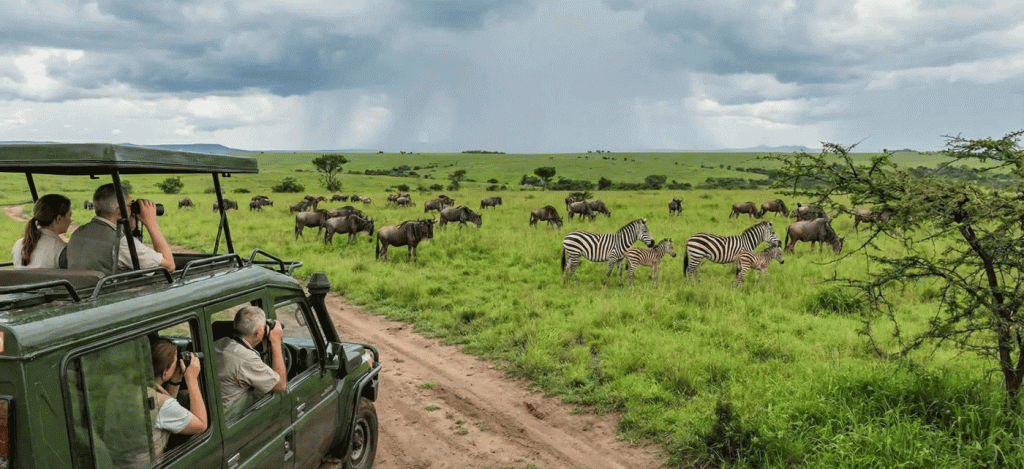
April generally falls within the long-rain period making it one of the wetter times to visit Serengeti National Park. Nevertheless, travelers who appreciate green landscapes, dramatic weather and a quieter atmosphere can discover a completely different side of the ecosystem during this month.
Rainfall supports abundant vegetation and replenishes water sources across the plains. The landscape can appear exceptionally fresh while clouds and occasional storms create dramatic photographic conditions.
Road conditions require greater consideration during April. Heavy rainfall can make some tracks muddy or challenging particularly in areas with poor drainage. Experienced safari operators monitor local conditions and adjust routes when necessary.
One advantage of April involves lower visitor numbers compared with the busiest dry-season months. Travelers can sometimes enjoy a more peaceful experience and spend longer observing wildlife without encountering large numbers of other vehicles.
Wildlife remains present throughout the month. Elephants, buffaloes, giraffes, zebras, wildebeest, lions and numerous other species continue using the ecosystem according to food and water availability.
April therefore should not automatically receive the label of a “bad” safari month. Instead it suits a different type of traveler. Visitors who prioritize predictable weather and dry roads may prefer another period while photographers and travelers seeking green landscapes and fewer crowds may appreciate April.
Visiting Serengeti in May
May provides another opportunity to experience the Serengeti during the transition between the wetter period and the developing dry season. The landscape can remain lush and green creating excellent scenery for photography and wildlife viewing.
Rainfall can continue during the month although conditions gradually begin changing as the long rains decline. Wildlife continues responding to food and water availability and herbivores can move across different parts of the ecosystem in search of fresh grazing.
May can offer a quieter safari atmosphere compared with the popular dry-season months. Travelers who prefer peaceful game drives may appreciate this period, especially when they choose less crowded areas of the park.
The green scenery also creates strong photographic opportunities. Fresh vegetation, cloud formations and changing light can produce images that differ significantly from the classic dry-season safari photographs.
As conditions gradually become drier game viewing can improve in certain areas because vegetation begins to become less dense. However, local weather can vary considerably so travelers should remain flexible.
May can therefore provide a good balance for travelers who want attractive landscapes, wildlife, fewer visitors and improving safari conditions. It particularly suits travelers who do not need to target a specific migration event.
Visiting Serengeti in June
June represents one of the most attractive transition months for a Serengeti safari. The long rains have generally reduced while parts of the landscape can still retain green vegetation. This combination creates favorable conditions for both wildlife viewing and photography.
As the dry season develops water availability becomes increasingly important to wildlife. Animals begin concentrating around dependable water sources while shorter vegetation can make them easier to see.
June can also provide interesting opportunities for travelers following the Great Wildebeest Migration. Depending on rainfall and grazing conditions, herds may occupy central, western or northern areas of the Serengeti ecosystem.
Travelers should remember that migration movements change naturally from year to year. Rainfall determines the growth of fresh grass and the animals follow the food rather than a predetermined itinerary.
June can provide an excellent balance between wildlife opportunities and visitor levels. Travelers who want strong game viewing without necessarily choosing the busiest months may find this period especially attractive.
The weather can also make game drives comfortable, particularly during morning and late-afternoon periods.
For first-time visitors June provides a strong introduction to the Serengeti because it combines changing seasonal landscapes, active wildlife and the beginning of the classic dry-season safari experience.
Visiting Serengeti in July
July remains one of the most popular months for a Serengeti safari. Dry conditions generally improve visibility while the Great Wildebeest Migration attracts travelers who want to follow large herds through the ecosystem.
Northern Serengeti can become particularly important during this period as wildebeest and zebra move toward areas with fresh grazing. Travelers may also hope to witness river crossings although these events remain unpredictable.
No responsible safari operator should guarantee a river crossing on a particular date. Herds can remain near a river for extended periods before crossing, while weather, water levels and animal behavior can influence the timing.
July also provides strong predator-viewing opportunities. Lions, cheetahs, leopards and hyenas continue following concentrations of herbivores, while elephants and buffaloes remain active across suitable habitats.
The dry landscape provides classic safari scenery with golden grasslands and clear views. Early morning game drives can produce particularly beautiful light and active wildlife.
Because July attracts high demand travelers should plan accommodation and safari routes well in advance. Private safari arrangements can also provide greater flexibility and reduce dependence on fixed group schedules.
For travelers who prioritize dry weather, wildlife visibility and potential migration activity July remains one of the strongest months to visit Serengeti National Park.
Visiting Serengeti in August
August continues the dry season and remains a highly popular time to visit Serengeti National Park. Wildlife viewing can become excellent as vegetation becomes shorter and animals continue searching for reliable water and grazing.
Northern Serengeti attracts particular interest from travelers following the Great Wildebeest Migration. Depending on seasonal conditions large herds may move through northern areas and approach major river systems.
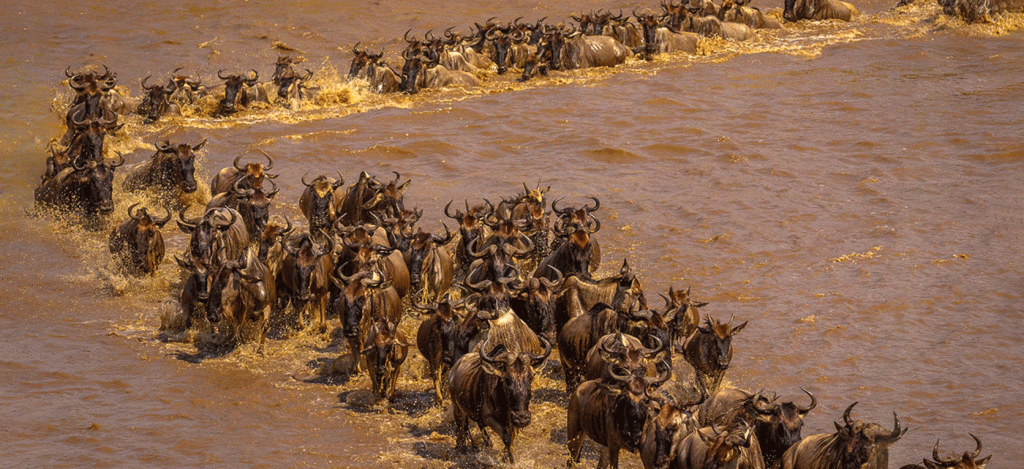
River crossings can create spectacular wildlife experiences, but they require patience and luck. Animals may gather near a crossing point without crossing immediately and some herds may choose different routes altogether.
August also provides strong predator opportunities. Large herbivore concentrations can support lions, cheetahs and hyenas while open vegetation makes animals easier to observe.
Photographers can benefit from dry golden grasslands, dramatic wildlife silhouettes and excellent morning and evening light.
The main disadvantage of August involves increased visitor numbers. Popular areas can become busy, particularly around major migration sightings. Travelers who value privacy should consider carefully selected accommodation and less crowded areas.
August works particularly well for travelers who prioritize dry weather classic safari scenery and the possibility of witnessing major migration activity.
Visiting Serengeti in September
September continues to offer excellent dry-season conditions. Rainfall generally remains limited, vegetation stays relatively short and wildlife can concentrate around reliable sources of water.
Northern Serengeti may continue attracting migration activity depending on the year’s environmental conditions. Large herds can move through different areas while searching for grazing and water.
Predator encounters can also remain rewarding. Lions often follow concentrations of herbivores while cheetahs benefit from open terrain that allows them to hunt effectively.
September provides strong photographic opportunities because dry golden grass, clear visibility and soft morning and evening light create classic safari scenes.
Although visitor numbers can remain significant travelers can improve their experience by selecting less crowded areas and working with experienced local guides who understand the park’s seasonal patterns.
September suits travelers who want dry-season wildlife viewing and potential migration experiences while avoiding the need to travel specifically in July or August.
Visiting Serengeti in October
October represents the later stage of the dry season and can provide excellent wildlife viewing. Animals continue responding to water availability and shorter vegetation can make game easier to locate.
As the month progresses the first rains may begin arriving in some areas. These rains can quickly stimulate new grass growth and begin transforming the landscape.
October therefore provides an interesting transition between the dry and green seasons. Travelers can experience classic dry-season scenery while potentially witnessing the first signs of ecological change.
Wildlife remains abundant and predators continue following herbivores across the ecosystem. Elephants, giraffes, buffaloes, zebras, wildebeest and numerous antelope species can all provide memorable encounters.
The month can also provide a useful balance between safari conditions and visitor levels depending on the exact location and dates.
Travelers who want excellent wildlife viewing but do not need to target a specific migration event can consider October a strong option.
Visiting Serengeti in November
November introduces the short rains and begins another important seasonal transformation in the Serengeti. Fresh rainfall stimulates vegetation creating new grazing opportunities for herbivores.
The landscape can quickly become greener, while dramatic clouds and rain showers create excellent photographic conditions.
Wildlife continues moving according to food and water availability. Herbivores follow fresh grazing while predators track their movements.
November can also provide a quieter atmosphere than the peak dry-season months. Travelers who prefer fewer vehicles and greener scenery may appreciate the experience.
Birdwatching can become particularly rewarding because seasonal conditions support increased bird activity and food availability.
Rain does not necessarily prevent safari activities. Showers can arrive for short periods leaving long stretches of suitable conditions for game drives.
November therefore provides a rewarding alternative for travelers who want to experience the Serengeti outside the busiest months.
Visiting Serengeti in December
December offers another attractive green-season safari experience. Seasonal rains can transform the plains, creating fresh vegetation and dramatic skies.
The southern Serengeti and Ndutu area can become increasingly important as wildebeest prepare for the calving season. Toward the end of December concentrations can increase depending on rainfall and grazing conditions.
The green landscape provides excellent opportunities for photography while wildlife remains active across the ecosystem.
December can become busy around Christmas and New Year so travelers planning holiday safaris should arrange accommodation and transportation well in advance.
Weather can change quickly but experienced guides can adjust routes according to local conditions.
December provides an appealing combination of wildlife, green landscapes and the beginning of the southern migration cycle.
Best Time to See the Great Wildebeest Migration
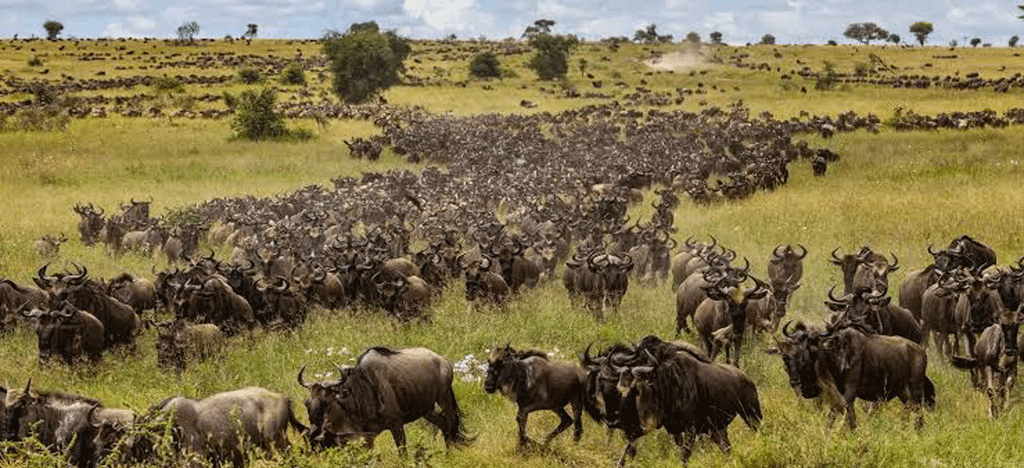
The Great Wildebeest Migration moves continuously through the Serengeti ecosystem rather than following a strict annual timetable. Rainfall fresh grass and water availability influence where wildebeest and zebra travel throughout the year.
January through March usually brings major concentrations into the southern Serengeti and Ndutu area. During this period calving activity can create exceptional wildlife encounters.
As the season progresses herds gradually move toward central and western areas before continuing northward. Around July through September northern Serengeti becomes particularly important for travelers hoping to experience migration activity and potential river crossings.
However river crossings remain unpredictable. Herds may gather near rivers without crossing immediately and different groups can follow different routes.
Later in the year the animals continue moving toward areas offering fresh grazing before the cycle begins again.
The best strategy involves choosing travel dates according to the migration stage you want to experience while accepting that nature does not follow a fixed schedule.
Best Time for Wildlife Viewing in Serengeti
Wildlife viewing remains possible throughout the year but June through October often provides particularly favorable conditions. Shorter vegetation improves visibility while limited water availability can encourage animals to gather around permanent water sources.
The Serengeti supports wildlife throughout all seasons. Lions, elephants, buffaloes, giraffes, zebras, wildebeest, cheetahs and leopards remain part of the ecosystem even when their exact locations change.
The green season can provide excellent wildlife viewing as herbivores take advantage of fresh vegetation. During the calving period predator activity can increase because young animals provide abundant prey opportunities.
Early morning and late afternoon usually provide excellent conditions for game drives because animals often become more active when temperatures are cooler.
The quality of wildlife viewing also depends heavily on the guide’s knowledge. Experienced guides understand animal behavior, tracks, habitats, seasonal patterns and water availability.
Therefore the month matters, but safari planning, guide expertise and the amount of time you spend in the ecosystem can make an equally important difference.
Best Time for a Family Safari in Serengeti
Families can enjoy Serengeti throughout the year but June through October can provide convenient conditions for travelers who prefer dry weather and predictable game drives.
January through March can also provide an excellent family experience because children can see young animals and large concentrations of wildebeest during the calving season.
Families should consider the length of daily drives when planning a safari. Spending several nights in the same region can reduce unnecessary transfers and give children more time to relax between game drives.
Comfortable accommodation, flexible schedules and experienced guides can make the safari more enjoyable.
Parents should also consider temperatures, rainfall and children’s individual preferences when choosing travel dates.
A successful family safari should prioritize meaningful wildlife experiences rather than trying to visit too many destinations within a short period.
Best Time for Photography in Serengeti
Photography enthusiasts can find excellent opportunities throughout the year but each season produces a different visual character.
The dry season provides golden grasslands, clear visibility and dramatic wildlife portraits. Animals often stand out against open landscapes, making it easier to compose clean photographs.
The green season provides lush vegetation, dramatic clouds and colorful landscapes. January through March can be particularly rewarding because newborn animals and large herbivore concentrations create diverse photographic subjects.
July through September can appeal to photographers interested in migration activity especially in northern Serengeti.
Regardless of the month early mornings and late afternoons usually provide beautiful natural light. Experienced guides can also position safari vehicles carefully to create better viewing and photography opportunities while respecting wildlife.
The best photography season therefore depends on the type of images you want to create.
Best Time for a Quiet Serengeti Safari
Travelers seeking fewer crowds can consider the green and shoulder seasons. April and May can provide lush scenery and fewer visitors although rainfall may affect road conditions.
November can also provide a quieter experience as short rains transform the landscape.
A quieter safari does not mean a wildlife-free safari. Animals continue moving throughout the year according to food, water and seasonal conditions.
Traveling outside peak periods can allow travelers to spend more time observing wildlife without encountering large numbers of safari vehicles.
Private safari arrangements can further increase flexibility because guides can adjust routes according to wildlife sightings and visitor concentrations.
For travelers who value peace, scenery and photography as much as major migration events, the quieter seasons can provide an exceptionally rewarding Serengeti experience.
How Weather Affects a Serengeti Safari
Weather influences the Serengeti ecosystem throughout the year. Rainfall determines vegetation growth, water availability and the movement of herbivores.
During dry months vegetation becomes shorter and animals often concentrate around reliable water sources. Roads can become dusty but game viewing can become easier.
During rainy periods, the landscape becomes greener and wildlife responds to fresh grazing. Some roads may become muddy after heavy rainfall but experienced safari operators can adjust routes according to local conditions.
Temperatures also change throughout the day. Early mornings can feel cool while afternoons may become warm.
Weather patterns vary from year to year so travelers should use seasonal information as a planning guide rather than an absolute guarantee.
How to Choose the Right Month for Your Serengeti Safari
Choosing the right month starts with identifying your main safari goal. Travelers interested in calving should consider January through March. Travelers interested in dry-season wildlife viewing may prefer June through October.
Those interested in northern migration activity and potential river crossings can consider July through September while travelers who prefer green scenery can explore January through May or November through December.
Visitor levels and accommodation availability should also influence your decision. Popular months can require earlier booking, particularly for camps located in high-demand migration areas.
The best itinerary should match the season. A calving safari should focus on southern Serengeti and Ndutu, while a northern migration safari should allocate sufficient time to northern Serengeti.
Combining seasonal knowledge with current wildlife conditions provides the strongest approach to safari planning.
Frequently Asked Questions
What is the best time to visit Serengeti National Park for a safari?
The best time depends on the safari experience you want. June to October generally offers excellent dry-season wildlife viewing, while January to March is ideal for experiencing the wildebeest calving season in southern Serengeti and Ndutu.
Is January a good month to visit Serengeti?
Yes. January offers green landscapes, active wildlife and the beginning of the calving season. Southern Serengeti and the Ndutu area can be particularly rewarding during this period.
Is February the best month for the Serengeti calving season?
February can be one of the best months for the calving season. Large numbers of wildebeest gather around southern Serengeti and Ndutu, attracting predators such as lions, cheetahs and hyenas.
Is March a good time for a Serengeti safari?
Yes. March can provide excellent opportunities to see wildebeest during the calving season. The green scenery, active predators and good photography conditions make it an attractive month for a safari.
Is April a bad time to visit Serengeti?
No. April is wetter but it can be a rewarding month for travelers who enjoy green landscapes, dramatic skies, fewer visitors and a quieter safari experience. Heavy rainfall can sometimes make some roads challenging.
What is Serengeti like in June?
June marks an attractive transition into the dry season. Wildlife viewing conditions generally improve while parts of the landscape can still remain green. The Great Wildebeest Migration may also be moving through different areas depending on rainfall and grazing conditions.
Is July a good time to visit Serengeti?
Yes. July offers dry conditions, good visibility and potential Great Wildebeest Migration activity, particularly in northern Serengeti. River crossings can occur, but their timing is unpredictable and cannot be guaranteed.
Is August a good month for the Great Wildebeest Migration?
Yes. August can provide excellent opportunities to see migration activity in northern Serengeti. Large herds may approach river systems, although crossings depend on rainfall, water levels and animal behavior.
What is the best time to see the Great Wildebeest Migration in Serengeti?
January to March is important for the southern migration and calving season, while July to September can offer strong opportunities to see migration activity in northern Serengeti and potential river crossings.
What is the best time for wildlife viewing in Serengeti?
June through October often provides favorable wildlife-viewing conditions because shorter vegetation can improve visibility and animals may concentrate around reliable water sources. However, Serengeti offers wildlife viewing opportunities throughout the year.
What is the best time for a family safari in Serengeti?
June through October can suit families who prefer dry weather and predictable game drives. January through March can also provide a memorable family experience because travelers may see young wildebeest and large concentrations of animals during the calving season.
What is the best time for photography in Serengeti?
Photography can be excellent throughout the year. The dry season provides golden grasslands and clear visibility, while the green season offers lush landscapes, dramatic clouds and opportunities to photograph newborn animals.
What is the best time for a quiet Serengeti safari?
April, May and November can offer a quieter safari experience compared with the busiest dry-season months. These periods can provide green scenery and fewer visitors, although rainfall may affect road conditions.
How does weather affect a Serengeti safari?
Weather influences vegetation, water availability and wildlife movements. During dry months, shorter vegetation can improve visibility, while rainy periods create greener landscapes. Heavy rainfall can sometimes make certain roads muddy.
How do I choose the right month for my Serengeti safari?
Choose your travel month according to your main safari goal. January to March suits travelers interested in calving, June to October works well for dry-season wildlife viewing, July to September can be suitable for northern migration activity and the green seasons appeal to travelers who prefer lush scenery and fewer visitors.
Conclusion
The answer to When to Visit Serengeti National Park for a Safari ultimately depends on the experience you want to create. June through October generally provides excellent dry-season wildlife viewing while January through March can deliver extraordinary calving-season experiences in the southern Serengeti and Ndutu.
July through September can appeal to travelers following the Great Wildebeest Migration in northern Serengeti although river crossings remain unpredictable and should never be guaranteed.
Green-season months can reward visitors with lush scenery, dramatic skies, fewer crowds and excellent photography. April, May and November can suit travelers who prefer a quieter wilderness experience.
The Serengeti does not have one perfect month for everyone. Each season changes the landscape and influences wildlife behavior in different ways. The smartest approach involves matching your travel dates with your priorities rather than simply choosing the most popular month.
For travelers planning a Tanzania safari Serengeti Travels can help design an itinerary around seasonal wildlife movements, accommodation preferences and the experiences you want to enjoy. With the right timing and a carefully planned route every season can provide an unforgettable Serengeti safari.