 English
 Deutsch
 Italia
December 16, 2025
By kelvingaspar
Top Activities to Experience in the Serengeti Beyond Game Drives
Top Activities to Experience in the Serengeti Beyond Game Drives
Table of contents
Introduction to the Serengeti
The Serengeti National Park, a UNESCO World Heritage site located in Tanzania, is globally renowned for its rich biodiversity and stunning landscapes. This vast expanse of land stretches over 14,700 square kilometers, characterized by a mix of savannahs, woodlands, rivers, and hills. Its topography plays a vital role in supporting various wildlife species, making it a key destination for nature enthusiasts and researchers alike. The park serves as a critical habitat for some of the most iconic animals on the planet, including the Big Five—lion, leopard, elephant, buffalo, and rhinoceros.
Beyond the well-trodden paths of traditional game drives, the Serengeti offers an array of unique experiences that highlight the park’s diverse ecosystems and breathtaking scenery. This iconic landscape is not solely about spotting animals; it is about immersing oneself in an environment that holds both beauty and ecological significance. Visitors can find themselves gazing at the open plains dotted with acacia trees, shimmering wetlands teeming with birdlife, and the meandering rivers that serve as lifelines for animal migrations.
The significance of the Serengeti transcends its reputation as a safari hotspot; it is an essential area for ongoing conservation efforts, vital research, and cultural exchange. Various communities surrounding the park engage in sustainable practices that promote wildlife conservation while simultaneously enhancing their livelihoods. Therefore, the Serengeti stands as a testament to the harmonious balance between nature and humanity.
As we delve deeper into the diverse activities available in the Serengeti, it becomes evident that this incredible destination offers a plethora of ways for visitors to engage with and appreciate its natural wonders beyond the vehicle-centric approach typically associated with safari experiences.
Hot Air Balloon Safaris
Hot air balloon safaris over the Serengeti provide an exhilarating perspective on one of Africa’s most iconic destinations. As the sun begins to rise, casting a golden hue across the vast plains, guests ascend gracefully into the sky. This aerial adventure offers a unique vantage point to witness the diverse wildlife that roams the land below, including herds of elephants, graceful giraffes, and formidable lions. Observing the landscape from such altitudes allows for an appreciation of the Serengeti’s expanse and the intricate interplay of its ecosystems.
The serene experience of floating above the savanna is complemented by the thrill of landing in the untouched African wilderness. Once the balloon descends, guests are often greeted by the excitement of a traditional bush breakfast, set up in a picturesque location surrounded by nature. This is an opportunity to savor delicious local cuisine while basking in the tranquility of the surroundings, further enhancing the safari experience.
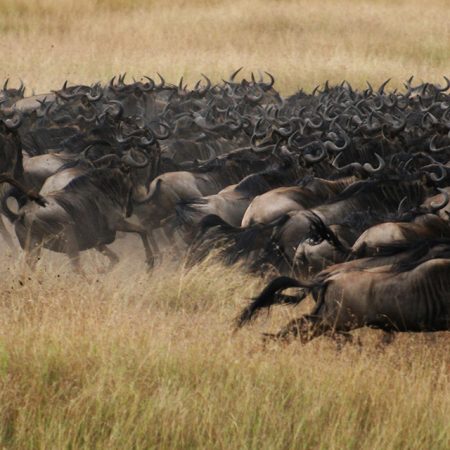
Timing is crucial for hot air balloon safaris, with early mornings being the ideal choice. The cooler temperatures and gentle winds of dawn ensure a smoother ascent and provide the best conditions for observing wildlife stirring with the onset of a new day. The months of June through October, coinciding with the Great Migration, are particularly spectacular, as vast herds of wildebeest and zebras traverse the plains.
The experience of seeing wildlife from such heights is both awe-inspiring and humbling. The ability to observe animals in their natural habitat from an aerial perspective adds a dimension to the safari experience that is simply unmatched. This combination of adventure, tranquility, and stunning views makes hot air balloon safaris a compelling alternative to traditional game drives in the Serengeti.
Walking Safaris in the Serengeti
Walking safaris in the Serengeti offer a unique and immersive experience, allowing visitors to connect with the natural environment in a way that game drives cannot match. This adventure involves guided walks that facilitate a deeper understanding of the complex ecosystem and its intricate relationships. Participants are led by experienced guides who are knowledgeable about the flora and fauna, ensuring a rich educational experience, while prioritizing safety throughout the journey.
During a walking safari, adventurers can expect to traverse various terrains, from open grasslands to wooded areas, all while observing the vibrant ecosystem up close. The thrill of encountering wildlife on foot heightens the sense of adventure. Guides may point out animal tracks, explain the significance of specific plants, and offer insights into animal behavior. Participants will find themselves attuned to the subtle sounds and movements in the great outdoors, providing a broader appreciation for the Serengeti’s biodiversity.
However, engaging in walking safaris requires adherence to specific safety protocols. Travelers should always remain close to their guides and maintain a calm demeanor if they encounter wildlife. It is also crucial to wear appropriate footwear and clothing that blends into the environment. Sun protection and hydration should be considered, as the climate can be harsh and demanding.
Some recommended trails for walking safaris include the areas surrounding the Seronera Valley and the eastern Serengeti’s hills, where wildlife viewing is particularly rewarding. These trails offer striking backdrops and opportunities for observing herds of wildebeest, zebras, and even elephants in their natural habitat. Walking safaris present a thrilling alternative to traditional game drives, enhancing the safari experience by fostering a deeper bond with the earth and its inhabitants.
Cultural Experiences with Local Tribes
Located in close proximity to the Serengeti, the Maasai and other tribal communities offer visitors a unique opportunity to explore their rich cultural heritage. Engaging with these communities goes beyond the traditional game drives, providing insights into their customs, traditions, and daily lives. Visitors are encouraged to participate in various activities that foster a deeper understanding of tribal cultures and their connection to the surrounding environment.
One of the most significant aspects of Maasai culture is their traditional customs, which can be experienced firsthand through organized visits to local villages. Tourists can witness remarkable ceremonies such as traditional dances, songs, and storytelling sessions. These cultural events not only showcase the vibrant lifestyle of the Maasai but also highlight the importance of community values and ancestral teachings. Engaging in these experiences allows visitors to appreciate the depth of Maasai beliefs and practices while deepening cultural exchange.
In addition, local tribes often offer visitors the chance to partake in activities such as beadwork and cattle herding. These opportunities present a hands-on approach to understanding the skills and knowledge that have been passed down through generations. It is vital for travelers to approach these experiences with respect and an open heart, ensuring that interactions are meaningful and considerate of the tribes’ way of life.
Responsible tourism plays a crucial role in supporting local communities. By participating in cultural experiences, travelers contribute to the sustainability of these traditions and help improve the livelihoods of the tribes involved. Income generated from tourism enables communities to invest in essential services like education and healthcare, encouraging the preservation of their culture. Therefore, engaging with local tribes in the Serengeti provides a mutually beneficial avenue for cultural enrichment while positively impacting the communities.
Photography Tours
Engaging in photography tours while exploring the Serengeti can significantly enhance one’s experience beyond traditional game drives. These specialized tours cater to photographers, both amateur and professional, by providing unique opportunities to capture the breathtaking wildlife and stunning landscapes of the region. The Serengeti is renowned for its remarkable diversity of fauna and flora, making it an ideal setting for photography enthusiasts to document their journeys.
The best times for capturing photographs are typically during the golden hours—early morning and late afternoon—when the soft light accentuates the natural beauty of the Serengeti. During these periods, wildlife is most active, allowing photographers to observe and photograph animal behavior, such as hunting, mating, or play. Additionally, the dramatic skies during sunrise and sunset can add striking colors to landscape photographs, creating a hushed backdrop that perfectly complements the region’s wildlife.
Photography tours often feature experienced guides who possess both wildlife knowledge and photography skills. These guides can provide valuable insights into animal behavior, enabling photographers to anticipate and capture those perfect moments. They can also advise on composition, lighting, and settings for different scenarios, ensuring that each participant has the tools necessary to enhance their photography skills. Moreover, many tours are designed specifically for small groups, allowing for a more personalized experience and increased flexibility in choosing locations.
Participating in photography tours in the Serengeti can transform the way one experiences this magnificent landscape. By immersing oneself in the art of capturing images, tourists can create lasting memories, telling stories through their photographs that reflect the essence of the Serengeti and its diverse inhabitants. Through these specialized tours, both the renowned wildlife and the stunning vistas can be immortalized through the lens, showcasing the unique beauty of this world heritage site.
Birdwatching Adventures
The Serengeti is renowned not only for its magnificent wildlife but also for its rich avifauna, making it a prime destination for birdwatching enthusiasts. Home to over 500 species of birds, visitors can experience a diverse array of avian life ranging from vibrant endemics to migratory visitors. Amongst the notable species, one can spot the elegant African fish eagle, the striking lilac-breasted roller, and the iconic Secretary bird, each contributing to the tapestry of life in this unique ecosystem.
Various habitats within the Serengeti support different bird populations. The open grasslands reveal ground-nesting birds like ostriches and various species of lapwings. Meanwhile, the woodlands and acacia trees are alive with chatter from colorful weavers and other inhabitants. For those interested in spotting migratory species, visiting during the rainy season is particularly rewarding as thousands of birds flock to the region, creating a spectacular avian display. Key locations for birdwatching include the wetlands around Lake Ndutu, the Seronera River, and the Lobo region, where unique species often gather.
Organized birdwatching tours offer an immersive experience, guided by experts who provide insights into avian behavior and habitats. These tours facilitate the identification of numerous bird species and encourage participants to log their observations. Such record-keeping not only enhances personal enjoyment but also contributes valuable data for ornithological studies in the Serengeti ecosystem, highlighting the importance of conserving bird populations.
The role of birdlife in the Serengeti’s ecology is significant; birds act as indicators of environmental health and contribute to seed dispersal and pollination. As enthusiasts engage in birdwatching, they gain a deeper appreciation for the interconnectedness of species within this remarkable landscape.
Night Game Drives
Night game drives present an exhilarating opportunity to engage with the Serengeti’s wildlife in a way that differs significantly from the traditional daytime excursions. As the sun fades and darkness envelops the savannah, a range of nocturnal animals emerges, providing a unique perspective on the ecosystem. During these drives, the use of spotlights and searchlights allows observers to locate animals that are active after sundown, such as leopards, hyenas, and various species of owls, which often remain hidden during daylight hours. This distinctive experience not only enhances the thrill of the safari but also adds layers to understanding the behavioral patterns of these creatures.
One of the foremost advantages of a night game drive is the opportunity to witness this rich tapestry of wildlife behavior as it unfolds under the cover of darkness. The serenity of the Serengeti at night, accompanied by the sounds of the wild, creates an ambiance that is both captivating and mysterious. The challenge of spotting animals with the aid of flashlights can intensify the adventure, as participants often find themselves on an exhilarating quest to catch glimpses of elusive wildlife in their natural habitat.
However, safety is paramount during night game drives. Participants are typically guided by experienced rangers who are trained to navigate the terrain while ensuring the well-being of guests and wildlife alike. Under the careful supervision of these professionals, the thrill of searching for wildlife is paired with a high level of safety awareness. While daytime game drives often lead to spectacular sightings of large mammals in action, night drives offer a contrasting experience that emphasizes the diverse ecosystem of the Serengeti, revealing nocturnal behaviors that are seldom seen in the daylight.
Stargazing and Night Experiences
The Serengeti National Park offers an unparalleled opportunity for stargazing, largely due to its remote location and minimal light pollution. Unlike urban areas where city lights drown out celestial visibility, the Serengeti provides a clear canvas of stars that inspires awe in visitors. On a cloudless night, it is possible to observe constellations, planets, and even the Milky Way in stunning detail. This pristine environment allows stargazers to appreciate the night sky in all its glory, creating a magical atmosphere that is simply unattainable in city settings.
With the vastness of the African sky stretching out above, guided night walks become a unique experience for those seeking to explore the park after sunset. During these nocturnal excursions, visitors can learn about the indigenous flora and fauna that thrive after dark. Experienced guides enhance this experience with insights into nocturnal wildlife behavior, giving guests the chance to possibly observe unique animals that are seldom seen during the day. This combination of education and exploration invites a deeper connection with the unique ecosystem of the Serengeti.
Additionally, many lodges and camps within the Serengeti organize campfire gatherings under the stars. These events often feature storytelling, traditional music, and cultural presentations, enhancing the experience of being one with nature. Guests can share stories while gazing at the filled night sky, listening to the sounds of nocturnal wildlife. Whether it is the distant roar of a lion or the chirping of crickets, these sounds are an integral part of the African night experience. Such gatherings promote not just relaxation but also a sense of community- one fostered by shared experiences under a starlit sky.
Conclusion: The Diverse Serengeti Experience
The Serengeti National Park, renowned for its iconic game drives, presents visitors with a rich tapestry of activities that extend far beyond traditional wildlife viewing. While game drives undeniably offer an exhilarating opportunity to witness the majestic Big Five and the spectacular Great Migration, the range of experiences available in this remarkable ecosystem invites travelers to engage with nature in multifaceted ways.
From guided walking safaris that allow for intimate encounters with the flora and fauna, to hot air balloon rides that provide a bird’s-eye perspective of the vast landscape, the Serengeti truly caters to diverse interests. Birdwatching enthusiasts can immerse themselves in the park’s vibrant avian life, where over 500 species inhabit the region, making it a paradise for ornithology lovers. Meanwhile, cultural tours offer visitors a chance to connect with the local Maasai communities, fostering an understanding of their traditions and customs, thereby enriching the overall travel experience.
Additionally, night drives provide a unique opportunity to observe nocturnal wildlife, revealing a side of the Serengeti that many have yet to experience. For those seeking adventure, camping beneath the stars or participating in conservation initiatives enables tourists to contribute positively to this precious environment while enjoying its natural beauty.
Overall, the Serengeti harmoniously blends unrivaled wildlife encounters with cultural insights and adventurous pursuits. Each visit can be molded into a distinct adventure, shaped by the interests and preferences of visitors. Thus, when planning a trip to this iconic destination, consider incorporating a variety of activities to ensure a well-rounded experience that leaves lasting impressions and cherished memories.