 English
 Deutsch
 Italia
May 27, 2026
Tanzania Safari vs Kenya Safari Which Is Better?
Introduction
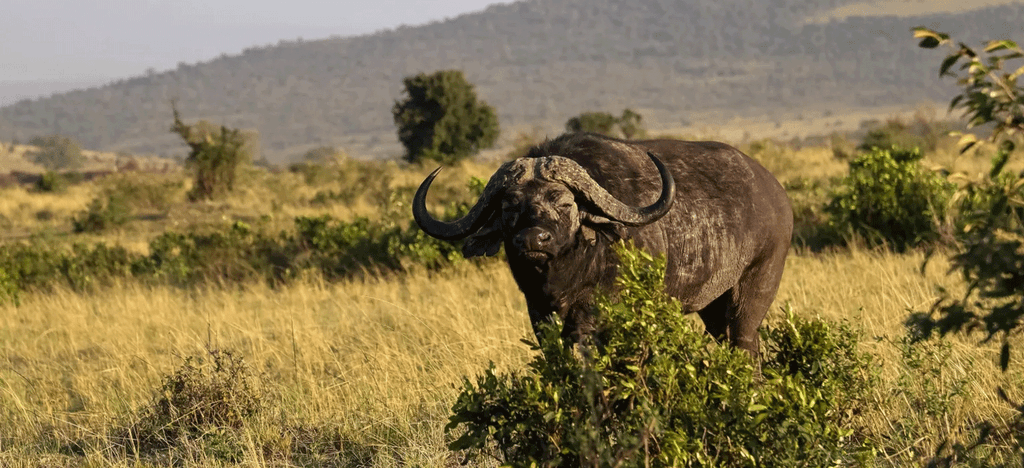
Tanzania Safari vs Kenya Safari Which Is Better? This is one of the most common questions travelers ask when planning an unforgettable wildlife adventure in East Africa. East Africa is one of the most famous safari destinations in the world, and two countries stand above the rest when travelers discuss exceptional wildlife experiences: Tanzania and Kenya. Both nations offer spectacular landscapes, incredible wildlife sightings, rich cultural experiences and world-famous national parks.
Travelers often struggle to decide which destination is better because each country provides unique safari opportunities that attract photographers, nature lovers, honeymooners, families and adventure travelers from around the world.
Tanzania is widely known for its vast wilderness areas, large national parks and iconic destinations such as Serengeti National Park, Ngorongoro Crater, Tarangire National Park and Mount Kilimanjaro. Kenya, on the other hand, is famous for Maasai Mara National Reserve, Amboseli National Park, Samburu and Lake Nakuru. Both countries share part of the Great Migration ecosystem and provide opportunities to witness lions, elephants, cheetahs, leopards, rhinos and many other African animals.
However, the safari experience in Tanzania can feel very different from the one in Kenya. Some travelers prefer Tanzania because of its larger protected areas and less crowded safari circuits, while others choose Kenya for easier accessibility, luxury lodges and shorter travel distances between parks. Budget, travel style, accommodation preferences, wildlife goals and photography interests all influence the decision.
This guide compares Tanzania safaris and Kenya safaris in detail. Each section explores an important factor travelers should consider before choosing between the two destinations. By understanding the differences in wildlife viewing, landscapes, migration experiences, accommodations, transportation, costs, beach extensions, cultural interactions and overall safari atmosphere, travelers can decide which country matches their dream African adventure.
Table of contents
- Introduction
- Wildlife Viewing Experience
- The Great Migration Experience
- Safari Costs and Budget Differences
- Landscape and Scenic Diversity
- Safari Crowds and Tourism Pressure
- Luxury Safari Experience
- Cultural Experiences and Local Communities
- Accessibility and Travel Logistics
- Best Safari for Families and First-Time Travelers
- Tanzania vs Kenya: Which One Is Better Overall?
- Frequently Asked Questions Tanzania Safari vs Kenya Safari Which Is Better?
- Conclusion
Wildlife Viewing Experience
Tanzania and Kenya both offer outstanding wildlife viewing experiences but the style and atmosphere of safari encounters can differ greatly between the two countries. Tanzania is often praised for its massive wilderness areas and remote safari feeling. National parks such as Serengeti, Ruaha, Nyerere National Park and Katavi provide huge open spaces where animals roam naturally with minimal human interference.
Many travelers enjoy the feeling of isolation and untouched nature while exploring Tanzania’s parks.Kenya also provides excellent wildlife viewing especially in Maasai Mara National Reserve, Amboseli National Park and Samburu National Reserve. Kenyan parks are famous for reliable sightings of lions, elephants, cheetahs and giraffes. Kenya’s safari industry is highly developed making wildlife viewing efficient and accessible even during shorter trips.
One major difference is park density and road networks. Kenya often has more developed roads inside safari areas allowing visitors to cover larger areas in less time. This can increase the chances of spotting animals quickly. Tanzania’s parks are generally larger and wilder which may require longer game drives but can reward visitors with more natural and peaceful wildlife encounters.
Tanzania is especially strong for large predator sightings in Serengeti where lions, cheetahs, hyenas and leopards thrive in huge numbers. Kenya’s Maasai Mara also has excellent predator action particularly during migration season when animals gather near the Mara River.
Bird lovers can enjoy both countries but Tanzania’s varied ecosystems provide excellent birdwatching opportunities in places such as Lake Manyara and Tarangire. Kenya’s Rift Valley lakes are also famous for flamingos and aquatic bird species.
Travelers who want remote wilderness and vast untouched landscapes often prefer Tanzania. Those who want efficient game drives and easier safari logistics may favour Kenya. In terms of pure wildlife quality both countries rank among the best safari destinations in Africa.
The Great Migration Experience
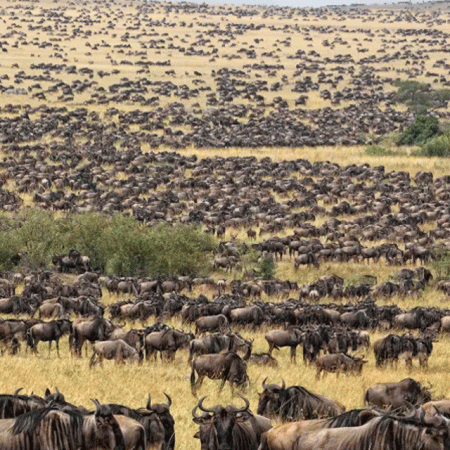
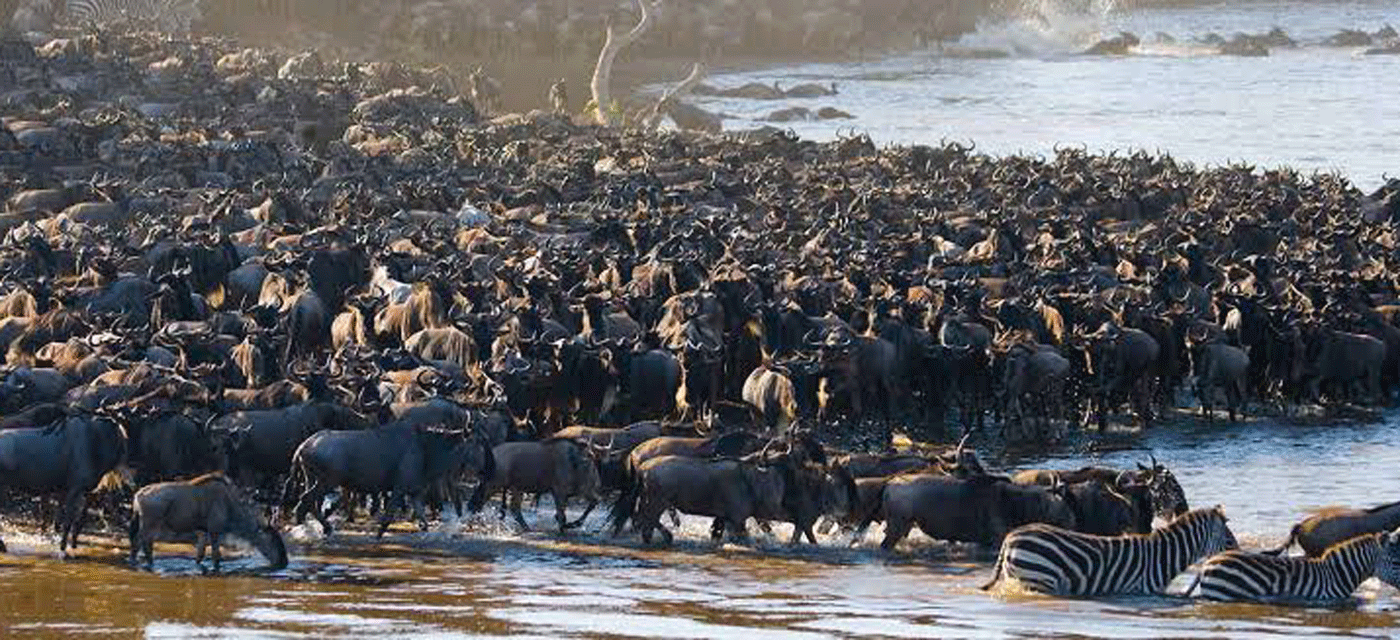
The Great Migration is one of the most spectacular wildlife events on Earth, involving millions of wildebeest, zebras and gazelles moving between Tanzania and Kenya in search of fresh grass and water. Both countries offer opportunities to witness this incredible natural event but the experience differs depending on location and season.
Tanzania hosts the majority of the migration throughout the year. The southern Serengeti is famous for the calving season between January and March when thousands of wildebeest babies are born every day. This period attracts predators such as lions, cheetahs and hyenas creating dramatic wildlife scenes. Central and western Serengeti become important migration areas later in the year as herds move northward.
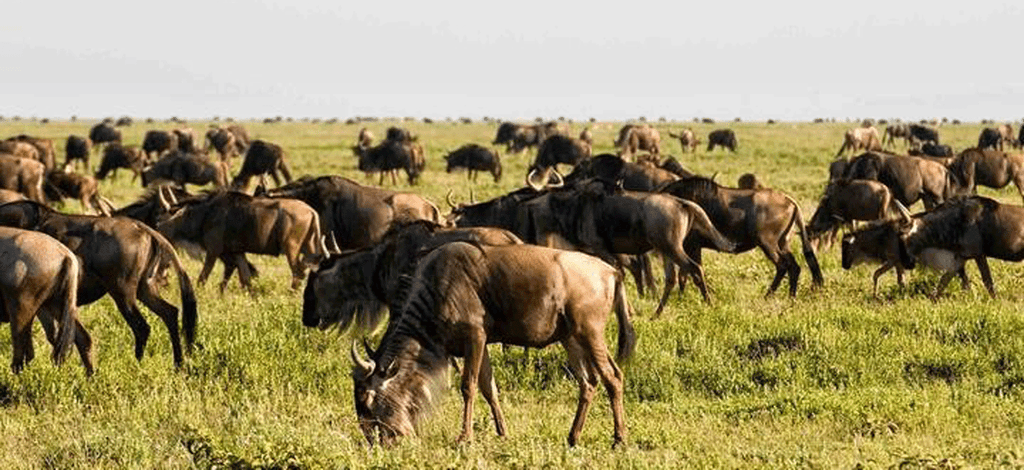
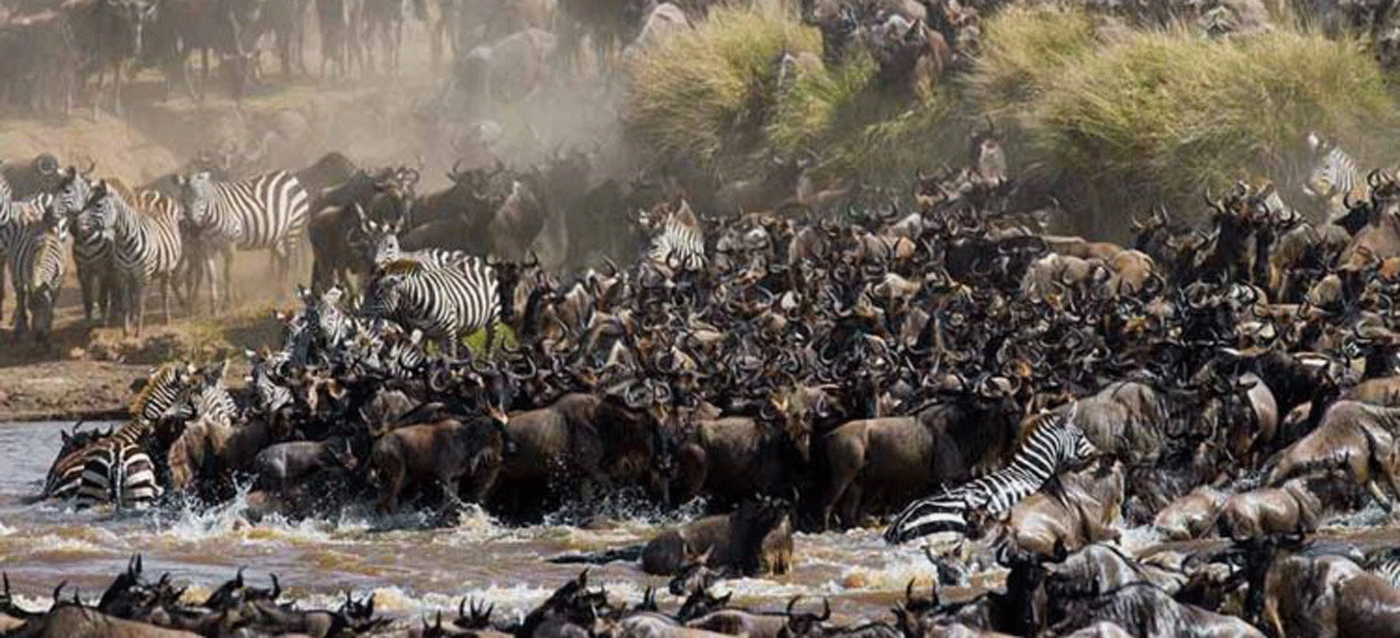
Kenya becomes the center of attention from around July to October when the migration reaches Maasai Mara. River crossings at the Mara River are especially famous because wildebeest must cross crocodile-filled waters while predators wait nearby. These crossings create some of the most iconic safari images in the world.
Many travelers believe Kenya offers the most dramatic migration moments because of the famous river crossings. However, Tanzania provides a much longer migration season because the herds spend more time inside Serengeti than in Maasai Mara.
Another difference involves crowd levels. Migration hotspots in Kenya can become crowded with safari vehicles especially during peak season. Tanzania’s Serengeti is also busy during migration periods but the larger ecosystem often allows visitors to spread out more easily.
Photography opportunities are excellent in both countries. Kenya’s open plains make it easier to photograph river crossings and predator interactions while Tanzania offers endless landscapes and huge herd movements across wide grasslands.
Travelers focused mainly on dramatic river crossings may choose Kenya. Those wanting to follow different stages of the migration over a longer period often prefer Tanzania. Both experiences are unforgettable and represent some of the greatest wildlife spectacles in the world.
Safari Costs and Budget Differences
Cost is one of the biggest factors travelers consider when choosing between a Tanzania safari and a Kenya safari. Both countries offer luxury, mid-range and budget safari options but pricing structures and overall expenses can vary significantly.
Tanzania is generally considered more expensive than Kenya for safaris. Park entry fees in Tanzania are often higher especially in famous destinations such as Serengeti and Ngorongoro Crater. Transportation costs can also increase because Tanzania’s parks are larger and farther apart. Travelers may spend more time on domestic flights or long road transfers.
Kenya often provides more affordable safari packages due to its highly developed tourism industry and shorter travel distances between parks. Budget travelers can find group tours, shared safari vehicles and lower-cost lodges more easily in Kenya. Nairobi also serves as a major international travel hub which sometimes reduces airfare costs.
Luxury safaris in both countries can be extremely expensive especially during migration season. High-end tented camps, private guides and fly-in safaris may cost thousands of dollars per person. However, Tanzania’s exclusive camps in Serengeti or private reserves often provide more remote and intimate wilderness experiences.
Accommodation choices strongly influence safari prices. Kenya has a wider range of budget-friendly safari camps near Maasai Mara and Amboseli. Tanzania’s luxury market is especially strong with elegant lodges overlooking endless plains and crater landscapes.
Travel seasons also affect pricing. Peak migration months usually increase accommodation rates in both countries. Traveling during shoulder seasons can significantly reduce expenses while still providing excellent wildlife viewing. Food, transportation, visas and tipping should also be included in safari budgeting. Some travelers find Kenya slightly easier for independent travel planning while Tanzania often works better through organized safari operators.
Travelers looking for lower-cost safaris and shorter trips may prefer Kenya. Those willing to spend more for larger wilderness areas and exclusive safari experiences often choose Tanzania.
Landscape and Scenic Diversity
One of the greatest differences between Tanzania and Kenya is the variety and scale of landscapes visitors experience during safari adventures. Both countries are visually stunning but Tanzania is often considered more geographically dramatic because of its enormous protected areas and diverse ecosystems.
Tanzania offers breathtaking scenery ranging from the endless plains of Serengeti to the volcanic beauty of Ngorongoro Crater. Travelers can also explore baobab-filled Tarangire National Park, the lush groundwater forests around Lake Manyara, the remote wilderness of Ruaha and the tropical beaches of Zanzibar. Mount Kilimanjaro Africa’s highest mountain adds another iconic feature to Tanzania’s landscape.
Kenya also has extraordinary scenery. Amboseli National Park is famous for elephant herds walking beneath snow-capped Mount Kilimanjaro. Maasai Mara features rolling grasslands filled with wildlife while Samburu provides semi-arid landscapes with unique northern species. Lake Nakuru and Lake Naivasha introduce freshwater ecosystems rich in birds and hippos.
Tanzania’s parks often feel larger and more untouched. The sheer size of Serengeti creates a sense of endless wilderness that many travelers find unforgettable. Kenya’s safari areas are generally more compact making it easier to experience multiple ecosystems in a shorter period.
Photographers enjoy both destinations because lighting, wildlife and scenery combine beautifully across East Africa. Tanzania is especially attractive for wide panoramic photography while Kenya offers dramatic mountain backdrops and easier access to varied habitats.
Another major advantage of Tanzania is the ability to combine safari with island relaxation. Zanzibar’s white-sand beaches and Indian Ocean waters create a perfect ending to a wildlife trip. Kenya also has coastal destinations such as Diani Beach and Watamu but Zanzibar remains one of Africa’s most famous beach escapes.
Travelers seeking huge wilderness areas and diverse natural landscapes may prefer Tanzania. Those wanting compact scenic variety with excellent accessibility often choose Kenya.
Safari Crowds and Tourism Pressure
Crowd levels can greatly affect safari experiences especially for travelers seeking peaceful wildlife encounters and authentic wilderness environments. Tanzania and Kenya both attract large numbers of tourists every year but the atmosphere inside their safari parks can feel very different.
Kenya’s Maasai Mara is one of the most famous safari destinations in Africa and during migration season it can become extremely busy. It is common to see many safari vehicles surrounding predator sightings or river crossings. Some travelers enjoy the excitement and shared experience while others feel the crowds reduce the feeling of wilderness.
Tanzania’s Serengeti also receives many visitors particularly during migration periods but its larger size allows vehicles to spread out more easily. In remote regions of Serengeti visitors may spend hours without seeing another safari vehicle. This creates a more peaceful and immersive safari atmosphere.
Other Tanzanian parks such as Ruaha, Katavi and Nyerere National Park remain far less crowded than most Kenyan reserves. These areas attract experienced safari travelers looking for solitude and untouched nature. Kenya’s tourism infrastructure is more developed and accessible, which naturally attracts more visitors. Roads, airstrips, lodges and safari operators are highly organized making Kenya ideal for first-time safari travelers or those with limited time.
Tanzania’s safari style often feels slower and more adventurous. Longer travel distances and remote locations can reduce crowd density while increasing the sense of exploration. Photographers usually prefer destinations with fewer vehicles because animals behave more naturally when not surrounded by large groups. Tanzania’s less crowded parks can provide better opportunities for patient wildlife observation.
However, Kenya’s popularity also means travelers can enjoy excellent guiding standards, fast access to wildlife areas and vibrant safari communities. Travelers who prioritize remote wilderness and fewer crowds often prefer Tanzania. Those who value convenience, accessibility and social safari environments may enjoy Kenya more.
Luxury Safari Experience
Both Tanzania and Kenya offer world-class luxury safari experiences but the style of luxury can differ depending on the country and safari region. Luxury travelers often compare the two destinations when planning honeymoons, family vacations or exclusive wildlife adventures.
Tanzania is famous for elegant tented camps located deep inside remote wilderness areas. Luxury camps in Serengeti, Ngorongoro and private concessions provide personalized service, gourmet dining, private game drives and stunning views across open plains. Many Tanzanian luxury lodges focus on privacy and exclusivity making guests feel completely immersed in nature.
Kenya also has exceptional luxury safari properties especially in Maasai Mara conservancies and Amboseli. Kenyan luxury camps often emphasize comfort, easy accessibility and personalized wildlife experiences. Some properties include spa facilities, swimming pools, fine dining and cultural interactions with Maasai communities.
Private conservancies are a major advantage in Kenya. These conservancies surrounding Maasai Mara allow off-road driving, night safaris and walking safaris which are restricted in some national reserves. This flexibility creates unique wildlife viewing opportunities for photographers and luxury travelers.
Tanzania’s luxury safaris often focus more on untouched wilderness and larger landscapes. Many travelers appreciate the sense of remoteness and exclusivity. Fly-in safaris between camps are popular for travelers wanting maximum comfort while avoiding long road journeys. Both countries provide luxury mobile camps that move seasonally with the Great Migration. These camps place travelers close to wildlife action while maintaining high-end service standards.
Food quality in both destinations is excellent, with international cuisine, local specialties and bush dining experiences becoming common in luxury camps. Travelers seeking ultra-exclusive wilderness and remote luxury often choose Tanzania. Those wanting flexible safari activities and highly polished conservancy experiences may prefer Kenya. In either country luxury safaris rank among the finest wildlife experiences available anywhere in the world.
Cultural Experiences and Local Communities
A safari is not only about wildlife. Cultural experiences also play an important role in understanding East Africa and both Tanzania and Kenya provide opportunities to connect with local traditions, communities and lifestyles.
Kenya is especially famous for Maasai cultural tourism. Many safari lodges organize visits to Maasai villages where travelers can learn about traditional dances, clothing, cattle culture and community life. The Maasai people are strongly connected to Kenya’s safari identity and remain one of the most recognized cultures in Africa.
Tanzania also has strong Maasai traditions particularly around Ngorongoro and northern safari circuits. However, Tanzania offers even greater ethnic diversity with more than 120 ethnic groups across the country. Visitors can learn about Hadzabe hunter-gatherers near Lake Eyasi, Datoga blacksmith communities and Swahili coastal culture in Zanzibar.
Cultural tourism in Tanzania often feels less commercialized in remote areas. Travelers may experience village life, local markets, farming communities and traditional lifestyles more naturally. Kenya’s tourism industry has longer experience with organized cultural programs making these interactions easier to access during short safari itineraries. Travelers with limited time can combine wildlife viewing and cultural visits efficiently.
Food culture also differs slightly. Tanzania’s coastal influence introduces spices, seafood and Swahili dishes while Kenya’s cuisine includes grilled meats, stews and regional specialties. Music, storytelling, handicrafts and traditional ceremonies enrich travel experiences in both countries. Many safari camps support community projects, schools and conservation initiatives that benefit local populations.
Travelers interested mainly in Maasai cultural encounters may find Kenya more accessible. Those seeking broader cultural diversity and less commercial experiences may prefer Tanzania. Ultimately both countries offer meaningful opportunities to connect with local people while learning how communities coexist with wildlife and conservation efforts.
Accessibility and Travel Logistics
Travel logistics can strongly influence safari planning especially for international visitors with limited vacation time. Kenya and Tanzania both have international airports and safari infrastructure but accessibility differs in several important ways.
Kenya is generally easier and faster for safari travel. Nairobi serves as a major international aviation hub with many global airline connections. From Nairobi, travelers can quickly reach Maasai Mara, Amboseli, Samburu and other safari destinations by road or domestic flights. Kenya’s safari parks are relatively close together making it easier to visit multiple destinations within a short itinerary. Well-developed road systems and domestic flight networks simplify transportation.
Tanzania also has excellent safari infrastructure but travel distances are often longer. International visitors commonly arrive through Kilimanjaro International Airport or Julius Nyerere International Airport in Dar es Salaam. Reaching parks such as Serengeti or Ruaha may require additional domestic flights or extended road journeys.
However, Tanzania’s longer travel times are often rewarded with more remote wilderness experiences. Fly-in safaris allow visitors to avoid long drives while enjoying spectacular aerial views of the landscape. Visa procedures, park regulations and travel documentation are relatively straightforward in both countries. Safari operators usually organize logistics efficiently for guests.
Kenya may be more suitable for first-time safari travelers because transportation systems are highly organized and safari routes are shorter. Tanzania can feel more adventurous because of its vast geography and remote conservation areas. Travelers combining safari with beach holidays should also consider logistics. Tanzania offers seamless connections to Zanzibar while Kenya provides access to Diani Beach and other coastal destinations.
People with limited travel time often choose Kenya because it allows efficient safari experiences within fewer days. Travelers seeking deeper exploration and larger wilderness circuits frequently prefer Tanzania.
Best Safari for Families and First-Time Travelers
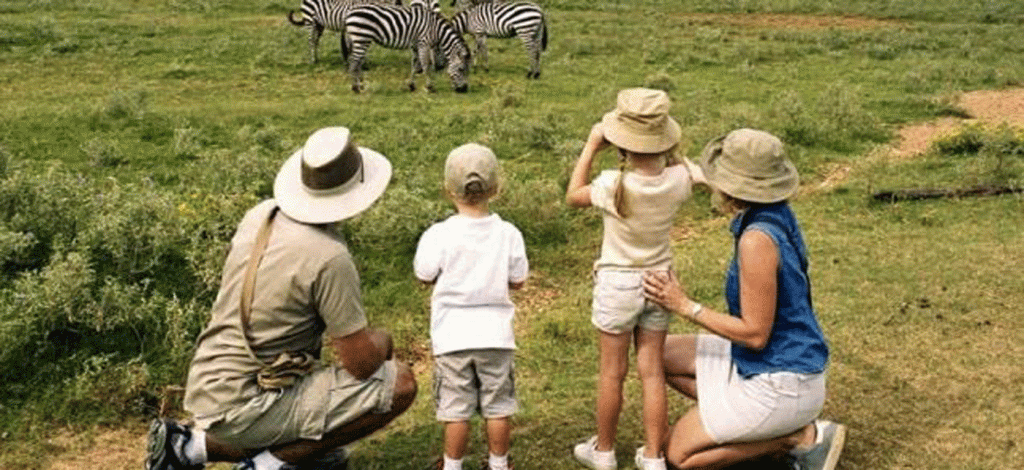
Families and first-time safari travelers often compare Tanzania and Kenya carefully because comfort, safety, wildlife reliability and travel convenience are extremely important for these groups. Kenya is frequently considered one of the best safari destinations for beginners. Nairobi provides easy international access, safari parks are relatively close together and many lodges cater specifically to families. Shorter travel distances reduce fatigue for children and older travelers.
Maasai Mara is especially popular for first-time visitors because wildlife sightings are reliable and guides are highly experienced. It is possible to see the Big Five within a relatively short safari. Kenya’s conservancies also offer flexible activities such as guided walks and night drives that keep safaris exciting for families.
Tanzania is equally rewarding but may require longer travel times between parks. However families who enjoy nature and adventure often appreciate Tanzania’s quieter atmosphere and larger wilderness areas. Ngorongoro Crater is an excellent destination for first-time safari travelers because wildlife density is extremely high. Visitors can often spot lions, elephants, rhinos and hippos in a single day.
Safety standards in both countries are generally strong when traveling with reputable safari operators. Luxury lodges and family camps provide secure environments and experienced guides. Educational experiences are another important factor. Children can learn about animal behavior, ecosystems, conservation and local cultures during safaris. Some lodges offer junior ranger programs and family-focused activities.
Families seeking shorter easier itineraries with efficient wildlife viewing often choose Kenya. Those wanting quieter parks and immersive nature experiences may prefer Tanzania. Both countries create unforgettable memories for first-time safari travelers and either destination can inspire lifelong appreciation for wildlife and conservation.
Tanzania vs Kenya: Which One Is Better Overall?
Choosing between Tanzania and Kenya ultimately depends on personal travel goals, budget, interests and safari expectations. There is no universal answer because both countries provide extraordinary wildlife experiences that rank among the best in the world.
Tanzania is often considered better for travelers seeking vast wilderness, remote safari experiences and dramatic natural landscapes. Serengeti, Ngorongoro Crater, Ruaha and Zanzibar create a combination of adventure, wildlife and relaxation that appeals to photographers, honeymooners and experienced safari travelers. Tanzania’s parks are larger and generally less crowded allowing visitors to feel deeply connected to nature.
Kenya is frequently preferred by travelers wanting convenience, accessibility and efficient safari planning. Maasai Mara offers incredible wildlife viewing especially during migration season while Amboseli and Samburu provide unique ecosystems and excellent photography opportunities. Kenya’s conservancy model also allows more flexible safari activities.
Budget travelers often find Kenya slightly more affordable and easier to organize independently. Tanzania can cost more but rewards visitors with larger wilderness areas and exclusive safari atmospheres. For migration lovers both countries are exceptional. Tanzania provides longer migration coverage throughout the year while Kenya offers world-famous Mara River crossings.
Families and first-time safari travelers may appreciate Kenya’s shorter travel distances and highly developed tourism infrastructure. Experienced travelers and wilderness enthusiasts often favor Tanzania for its remote feeling and quieter safari environment. Beach extensions are excellent in both countries although Zanzibar gives Tanzania a major advantage for tropical island experiences.
The truth is that neither destination is objectively better than the other. Instead each country offers a different style of safari adventure. Some travelers even combine both countries into one East African safari journey to experience the best of each destination. Whether you choose Tanzania or Kenya you will experience incredible wildlife, breathtaking landscapes, skilled safari guides and unforgettable memories that last a lifetime.
Frequently Asked Questions Tanzania Safari vs Kenya Safari Which Is Better?
1. Is Tanzania or Kenya better for a safari?
Tanzania is often better for travelers seeking vast wilderness, fewer crowds and longer Great Migration experiences, while Kenya is ideal for shorter trips, easy accessibility and famous Maasai Mara wildlife experiences. The better choice depends on your budget, travel style and safari goals.
2. Is Tanzania more expensive than Kenya for a safari?
Yes, Tanzania can be more expensive because of higher park fees, longer distances and premium safari experiences. Kenya generally offers more budget-friendly options although luxury safaris in both countries can be expensive.
3. Which country is better for the Great Migration?
Tanzania is better for experiencing more stages of the Great Migration because the herds spend much of the year in the Serengeti ecosystem. Kenya is particularly famous for dramatic Mara River crossings, usually between July and October.
4. Where is the best place to see the Great Migration?
The best location depends on the season. Southern Serengeti is excellent during the January to March calving season, while northern Serengeti and Maasai Mara are popular for river-crossing experiences later in the year.
5. Is Tanzania or Kenya better for seeing the Big Five?
Both Tanzania and Kenya offer excellent opportunities to see lions, elephants, leopards, buffalo and rhinos. Tanzania’s Serengeti and Ngorongoro Crater are particularly strong choices for travelers focused on diverse wildlife sightings.
6. Which country has fewer safari crowds, Tanzania or Kenya?
Tanzania generally offers more opportunities for a quieter safari because destinations such as Serengeti are extremely large. Kenya’s Maasai Mara can become crowded around popular wildlife sightings and during peak migration periods.
7. Is Kenya or Tanzania better for families?
Kenya can be a convenient choice for families because many safari destinations are relatively accessible and travel distances can be shorter. Tanzania is also excellent for families especially when visiting destinations such as Ngorongoro Crater and Serengeti.
8. Which is better for first-time safari travelers, Tanzania or Kenya?
Kenya is often easier for first-time travelers because of its international connections, developed safari infrastructure and compact wildlife destinations. Tanzania is an excellent alternative for travelers who want larger wilderness areas and a more remote safari atmosphere.
9. Which country is better for luxury safaris?
Both countries offer outstanding luxury safaris. Tanzania is particularly known for exclusive camps in Serengeti and other remote wilderness areas while Kenya’s private conservancies around Maasai Mara offer luxury accommodations and additional safari activities.
10. Which country is better for safari photography?
Both Tanzania and Kenya are excellent for photography. Tanzania is especially attractive for wide landscapes, large wildlife gatherings and Serengeti scenery while Kenya offers dramatic wildlife encounters and mountain backdrops such as Mount Kilimanjaro.
11. Is Tanzania or Kenya better for cultural experiences?
Both countries offer meaningful cultural experiences. Kenya is particularly well known for Maasai cultural experiences, while Tanzania provides opportunities to learn about several different communities, including Maasai, Hadzabe and Datoga communities.
12. Which country has better safari landscapes?
Tanzania offers exceptional landscape diversity, including the Serengeti plains, Ngorongoro Crater, Tarangire and Mount Kilimanjaro. Kenya also has beautiful landscapes, including Maasai Mara, Amboseli, Samburu and the Great Rift Valley.
13. Can I combine a Tanzania safari with Zanzibar?
Yes. Tanzania is especially convenient for combining a wildlife safari with a beach vacation in Zanzibar. Travelers can visit destinations such as Serengeti and Ngorongoro before flying to Zanzibar for a relaxing Indian Ocean beach experience.
14. Can I visit Tanzania and Kenya on the same safari?
Yes. It is possible to combine Tanzania and Kenya in one East African safari itinerary. A combined trip can include destinations such as Serengeti and Ngorongoro in Tanzania followed by Maasai Mara in Kenya.
15. Which safari is better for a short trip?
Kenya can be better suited to short safari trips because several major wildlife destinations are relatively accessible from Nairobi. Tanzania can also work for short safaris especially with domestic flights that reduce long road journeys.
16. Which country is better for a peaceful safari experience?
Tanzania may be preferable for travelers seeking a peaceful wilderness experience. Its large parks and remote safari areas can provide greater opportunities to explore away from busy wildlife-viewing locations.
17. Is Tanzania or Kenya better for wildlife viewing?
Both countries offer exceptional wildlife viewing. Tanzania is particularly strong for large predator populations and expansive wilderness while Kenya provides highly accessible wildlife viewing in destinations such as Maasai Mara and Amboseli.
18. Should I choose Tanzania or Kenya for my first African safari?
Both are excellent choices. Choose Tanzania if you prioritize vast wilderness, Serengeti, Ngorongoro and the Great Migration. Choose Kenya if you prefer easier logistics, shorter travel distances and the famous Maasai Mara experience.
Conclusion
Tanzania and Kenya remain two of the greatest safari destinations on Earth each offering unforgettable experiences for wildlife lovers and adventure travelers. While they share many similarities including abundant wildlife, rich cultures and the Great Migration ecosystem the safari atmosphere in each country feels unique.
Tanzania stands out for its enormous wilderness areas, remote safari experiences and scenic diversity. Serengeti’s endless plains, Ngorongoro Crater’s wildlife density and Zanzibar’s tropical beaches create a powerful combination that attracts travelers seeking both adventure and relaxation. Tanzania often appeals to photographers, honeymooners and travelers who want a deeper connection with untouched nature.
Kenya shines because of its accessibility, efficient safari logistics and famous wildlife reserves such as Maasai Mara and Amboseli. It is an excellent choice for first-time safari travelers, families and visitors with limited vacation time. Kenya’s conservancies provide flexibility and close wildlife encounters that many travelers enjoy.
Both countries offer exceptional opportunities to witness lions hunting, elephants crossing open plains, cheetahs chasing prey and millions of wildebeest moving across the savannah during the Great Migration. Cultural experiences with Maasai communities and other local groups add even more depth to safari adventures.
Budget, travel style, crowd preferences, photography goals and desired activities all influence which destination may feel better for an individual traveler. Some people prefer Tanzania’s remote wilderness while others appreciate Kenya’s convenience and safari infrastructure.
In the end choosing between Tanzania and Kenya is not about finding the perfect destination but about selecting the safari experience that matches your personal dream. No matter which country you choose, East Africa will provide breathtaking wildlife encounters, beautiful landscapes and memories that stay with you forever.
I created a detailed guide comparing Tanzania safaris and Kenya safaris with 10 major points each expanded to around 300 words, plus a full introduction and conclusion.