 English
 Deutsch
 Italia
May 28, 2026
Serengeti Safari Complete Booking Guide
Introduction
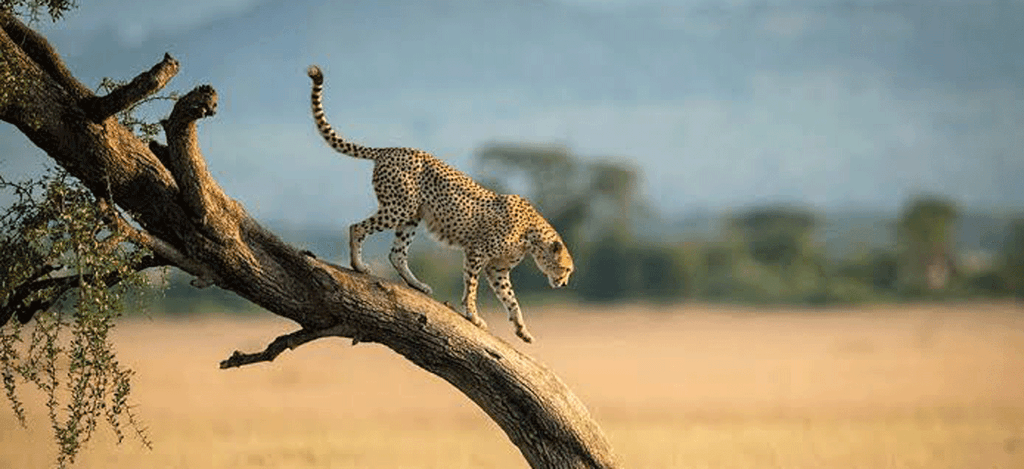
Booking a Serengeti Safari Complete Booking Guide is one of the most exciting steps for anyone planning to experience Tanzania’s world-famous wildlife, landscapes and cultural heritage. The Serengeti National Park is known for the Great Migration, the Big Five, endless savannah plains and unforgettable game drives.
However many travelers become confused during the reservation process because there are many tour operators, safari packages, accommodation categories and transportation options available. A proper booking guide helps travelers avoid mistakes, save money and choose the best safari experience based on their interests and budget.
The safari booking process involves several important stages, including selecting travel dates, comparing operators, choosing accommodations, reviewing itineraries, understanding park fees, confirming transportation and making payments securely. Every stage plays a major role in determining the quality of the safari experience. Travelers who book carefully often enjoy smoother trips, better wildlife sightings, professional guides and more comfortable accommodations.
A successful Serengeti safari reservation also depends on planning early especially during peak travel seasons when lodges and camps become fully booked months in advance. Luxury lodges near migration routes are especially competitive. Whether you are planning a budget camping safari, mid-range lodge safari, honeymoon safari, family trip or luxury wildlife adventure understanding the booking process will help you make informed decisions and reduce unnecessary stress before arrival in Tanzania.
This guide explains each booking step clearly so travelers can confidently reserve the right Serengeti safari package.
Table of contents
- Introduction
- Decide the Best Time to Visit Serengeti
- Determine Your Safari Budget
- Choose a Reliable Safari Tour Operator
- Select the Right Safari Package
- Review Accommodation Options Carefully
- Confirm Transportation and Safari Logistics
- Make Payments Securely and Confirm Reservations
- Prepare Travel Documents and Final Arrangements
- Conclusion
Decide the Best Time to Visit Serengeti
Choosing the right travel season is the foundation of a successful safari booking. Different months offer different wildlife experiences, weather conditions, crowd levels and accommodation prices. Before contacting safari, operators’ travelers should first understand what they want to experience inside Serengeti National Park.
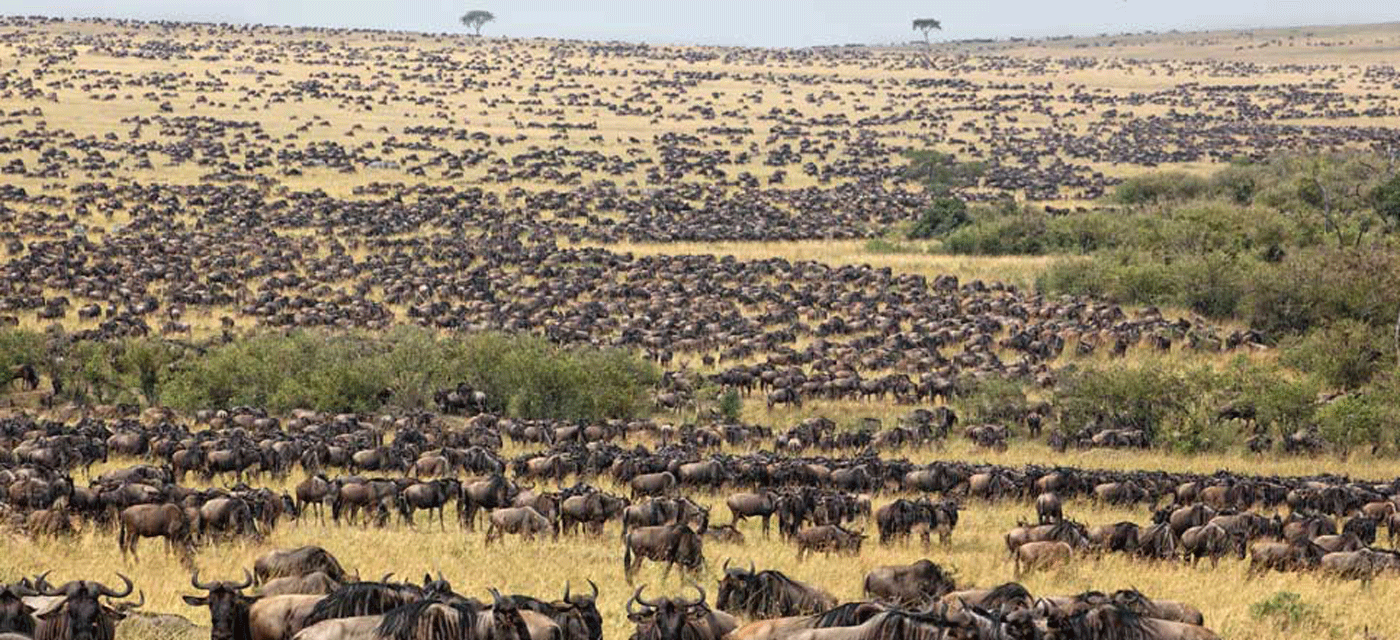
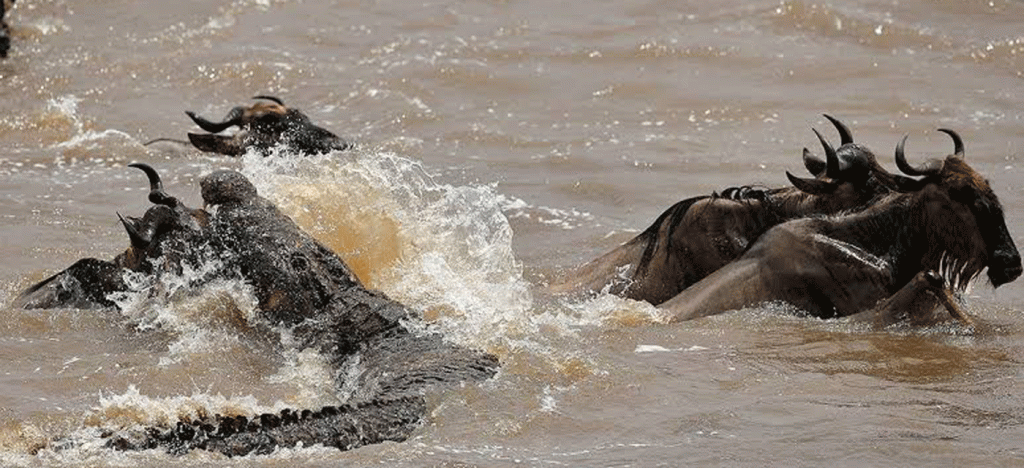
The dry season from June to October is considered the best period for wildlife viewing because animals gather around rivers and waterholes. Vegetation is shorter, making it easier to spot predators such as lions, cheetahs and leopards. This period is also ideal for witnessing dramatic river crossings during the Great Migration in northern Serengeti. However, this season is also the busiest and most expensive because international tourists visit in large numbers.
The green season from November to May offers fewer crowds, greener landscapes, lower safari prices and excellent birdwatching opportunities. Calving season in southern Serengeti between January and March attracts predators and photographers interested in dramatic wildlife action. Although occasional rain occurs game viewing remains excellent in many areas.
Important points when selecting safari dates include Migration movement patterns, Weather preferences, Budget considerations, School holiday periods, Accommodation availability, Photography interests, Desired wildlife experiences, Crowd tolerance, Road conditions during rainy months and Flight ticket prices
Travelers who understand seasonal differences can choose safari dates that match their expectations and avoid disappointment later during the booking process.
Determine Your Safari Budget
Budget planning is one of the most important parts of booking a Serengeti safari. Safari costs vary significantly depending on accommodation standards, transportation methods, season, group size and safari duration. Having a clear budget helps travelers narrow down options quickly and avoid overspending.
Budget safaris usually include camping accommodations, shared vehicles and basic facilities. Mid-range safaris often provide comfortable lodges or tented camps with private bathrooms and better dining services. Luxury safaris include high-end lodges, premium tented camps, charter flights, private guides, gourmet meals and exclusive wildlife experiences.
Travelers should understand that Serengeti safari prices normally include multiple components such as National Park entrance fees, Conservation fees, Accommodation, Meals, Safari vehicle, Professional driver-guide, Fuel costs, Airport transfers, Drinking water and Government taxes
Some packages may exclude international flights, travel insurance, visas, alcoholic beverages and gratuities. Carefully reviewing inclusions prevents misunderstandings after arrival.
Additional budgeting considerations include Balloon safari costs, Domestic flight expenses,Extra hotel nights, Personal shopping, Emergency funds, Photography equipment, Tips for guides and staff, Medical insurance and Visa application fees
Travelers should always request a detailed quotation showing all inclusions and exclusions before making reservations. A transparent safari budget helps compare operators fairly and ensures the chosen package matches personal financial expectations without hidden surprises later.
Choose a Reliable Safari Tour Operator
Selecting the right safari company is one of the most critical decisions during the reservation process. A professional safari operator directly affects safety, wildlife experience quality, accommodation standards, transportation reliability and customer service throughout the journey.
Travelers should research multiple tour companies before making decisions. Trusted operators usually have strong online reviews, professional websites, clear communication, experienced guides and legal business registrations within Tanzania. Reading testimonials from previous travelers helps reveal service quality and operational reliability.
Important factors to evaluate include Years of safari experience, Guide qualifications, Vehicle condition, Response speed to inquiries, Transparency in pricing, Local knowledge, Safety standards, Membership in tourism organizations, Emergency support systems and Flexibility in itinerary customization
Travelers should also confirm whether the operator specializes in Serengeti safaris or handles many unrelated tourism services. Specialized safari operators usually understand migration patterns, wildlife behavior and seasonal logistics more effectively.
Questions to ask safari operators include:
- What accommodations are included?
- Are game drives private or shared?
- What type of safari vehicle is used?
- Are airport transfers included?
- What happens during emergencies?
- Is drinking water provided?
- Are guides multilingual?
- What payment methods are accepted?
- What is the cancellation policy?
- Can dietary requirements be accommodated?
Comparing several operators allows travelers to identify fair pricing and professional service standards. Booking with a trusted operator greatly improves the chances of having a smooth, memorable and well-organized Serengeti safari experience.
Select the Right Safari Package
After choosing a tour operator the next step is selecting the safari package that matches your interests, travel style and available time. Serengeti safari packages differ greatly in duration, accommodation quality, destinations included and wildlife focus.
Some safaris focus mainly on Serengeti National Park while others combine multiple destinations such as Ngorongoro Crater, Tarangire National Park, Lake Manyara, Arusha National Park and Zanzibar beach holidays
Travelers should evaluate the number of safari days carefully. Short safaris may reduce costs but can limit wildlife viewing opportunities. Longer safaris provide more relaxed schedules and better chances of witnessing rare wildlife encounters.
Common safari package categories include. Budget camping safaris, Mid-range lodge safaris, Luxury tented camp safaris, Honeymoon safaris, Family safaris, Fly-in safaris, Migration safaris, Photographic safaris, Private safaris and Group joining safaris
Key considerations when selecting a package include. Accommodation comfort level, Number of game drives, Travel distances, Vehicle type, Private versus shared safari, Included activities, Child-friendly options, Guide experience, Internal flight arrangements and Seasonal wildlife focus
Travelers should request full itineraries before booking. A detailed itinerary should explain daily activities, driving hours, accommodation names, meal plans and wildlife expectations. Understanding every safari detail beforehand helps avoid confusion and ensures the selected package aligns with personal expectations and travel goals.
Review Accommodation Options Carefully
Accommodation selection significantly influences comfort, safari atmosphere and overall travel satisfaction. Serengeti offers a wide variety of lodging choices ranging from public campsites to ultra-luxury safari lodges with premium services.

Budget accommodations often involve public or private camping with shared facilities. Mid-range lodges provide comfortable rooms, good meals, hot showers and scenic locations. Luxury tented camps combine wilderness immersion with high-end hospitality, offering spacious suites, gourmet dining and personalized services.
Accommodation locations are also extremely important. Serengeti is very large and wildlife movement changes seasonally. Staying near migration routes improves chances of witnessing dramatic wildlife events without spending excessive time driving long distances.
Factors to consider when choosing accommodations include. Location inside Serengeti, Migration accessibility, Room comfort, Bathroom facilities, Electricity availability, Internet access, Dining quality, Wildlife safety measures, Family suitability and Photography opportunities
Travelers should also understand the difference between permanent lodges and mobile camps. Mobile camps relocate seasonally to follow the Great Migration offering closer wildlife access during specific periods of the year.
Before confirming reservations travelers should request Accommodation photos, Room descriptions, Meal details, Available amenities, Check-in procedures, Packing recommendations, Laundry availability and Wildlife viewing possibilities from camp
Reviewing accommodations carefully helps travelers match expectations with reality and ensures the safari experience remains enjoyable, comfortable and memorable throughout the journey.
Confirm Transportation and Safari Logistics
Transportation planning is another major step in the Serengeti safari reservation process. Travelers must understand how they will move between airports, hotels, national parks and safari camps during the journey.
Most Serengeti safaris begin from Arusha which serves as Tanzania’s primary safari gateway. Travelers usually arrive through Kilimanjaro International Airport before transferring to Arusha hotels or directly beginning safari activities.
Transportation options commonly include 4×4 safari vehicles, Domestic bush flights, Airport transfers, Shared transport and Private transport services
The most common safari vehicles are extended Land Cruisers with pop-up roofs for wildlife viewing and photography. Travelers should confirm vehicle condition, seating arrangements, charging systems and window access before booking.
Important logistical questions include:
- Who handles airport pickup?
- Are domestic flights included?
- What luggage limits apply?
- How many travelers share the vehicle?
- Are emergency supplies available?
- Is fuel included in the package?
- How long are daily drives?
- What roads will be used?
- Are backup vehicles available?
- Is Wi-Fi available during transfers?
Travelers booking fly-in safaris should carefully check baggage restrictions because small bush planes often allow limited luggage weight. Soft bags are usually preferred over hard suitcases.
Proper transportation planning reduces delays, confusion and unexpected costs during the safari. Clear logistics also improve safety, comfort and the overall organization of the Serengeti travel experience.
Make Payments Securely and Confirm Reservations
Once travelers finalize their itinerary, accommodations and safari details the next step is making secure payments and officially confirming reservations. This stage requires caution to protect travelers from fraud and booking misunderstandings.
Most safari companies request a deposit first followed by the remaining balance before arrival or upon arrival depending on company policy. Common payment methods include Bank transfers, Credit card payments, Online payment systems and Mobile payment options
Before sending payments travelers should verify Company legal registration, Official business contacts, Banking information accuracy, Written quotations, Reservation agreements, Cancellation policies and Refund conditions
Travelers should always request official invoices and payment receipts after each transaction. Keeping written communication records helps resolve potential disputes later.
After payment confirmation travelers should receive Booking confirmation documents, Safari itinerary, Accommodation confirmations, Airport transfer details, Emergency contact information, Packing recommendations, Visa guidance and Travel preparation instructions
Travel insurance is highly recommended before departure. Insurance may help cover medical emergencies, flight delays, baggage loss or safari cancellations.
Travelers should avoid making rushed payments without proper verification. Professional safari companies communicate clearly, provide detailed documentation and answer questions transparently. Secure payment procedures provide peace of mind and officially guarantee safari services before arrival in Tanzania.
Prepare Travel Documents and Final Arrangements
The final stage before departure involves organizing all travel documents and preparing for the actual safari journey. Proper preparation helps travelers avoid last-minute complications that could disrupt the experience.
Important travel documents include Passport, Tanzania visa, Flight tickets, Travel insurance, Vaccination certificates, Safari booking confirmations, Emergency contacts and Hotel reservations
Travelers should ensure passports remain valid for at least six months beyond travel dates. Visa requirements vary depending on nationality so checking Tanzania immigration regulations early is essential.
Packing preparation is also important for safari comfort. Recommended safari items include Neutral-colored clothing, Comfortable walking shoes, Sunscreen, Hat and sunglasses, Camera equipment, Binoculars, Power banks, Insect repellent, Light jackets and Personal medications
Travelers should also confirm final arrival details with safari operators several days before departure. This includes airport pickup timing, hotel reservations, guide contact information and emergency communication methods.
Health preparation is equally important. Some travelers may need vaccinations or malaria prevention depending on their travel history and medical advice. Carrying personal medications and basic first-aid supplies is recommended.
Careful preparation ensures travelers begin their Serengeti safari confidently and comfortably. Organized travel planning minimizes stress and allows visitors to focus fully on enjoying Tanzania’s extraordinary wildlife and landscapes.
Frequently Asked Questions About Booking a Serengeti Safari
1. How far in advance should I book a Serengeti safari?
It is best to book early especially during peak seasons from June to October, when popular lodges and camps can become fully booked months in advance.
2. What is the best time to book a Serengeti safari?
The dry season from June to October is excellent for wildlife viewing and migration experiences, while January to March is ideal for travelers interested in the calving season in southern Serengeti.
3. How much does a Serengeti safari cost?
The price depends on the safari duration, accommodation level, transportation, season and group size. Budget, mid-range and luxury safaris have different price ranges and inclusions.
4. What is usually included in a Serengeti safari package?
Packages commonly include park and conservation fees, accommodation, meals, a safari vehicle, professional driver-guide, fuel, airport transfers, drinking water and government taxes.
5. How do I choose a reliable Serengeti safari operator?
Compare several companies by checking their experience, reviews, guide qualifications, vehicle condition, pricing transparency, local knowledge, safety standards and emergency support.
6. What type of Serengeti safari package should I choose?
Travelers can choose from budget camping, mid-range lodge, luxury, honeymoon, family, fly-in, migration, photographic, private and group safaris. Your choice should match your budget, interests and available travel time.
7. Should I choose a lodge or a tented camp in the Serengeti?
Both options are available. Lodges generally provide comfortable rooms and facilities, while tented camps offer a closer-to-nature safari atmosphere. Mobile camps can also move seasonally to follow the Great Migration.
8. What transportation is used during a Serengeti safari?
Most safaris use 4×4 safari vehicles with pop-up roofs. Fly-in safaris may use domestic bush flights, while airport transfers and private or shared transportation can also be arranged.
9. Is it safe to pay for a Serengeti safari online?
Travelers should verify the operator’s legal registration, official contacts, banking information, quotation, cancellation policy and refund conditions before making payment. Always request an official invoice and payment receipt.
10. What documents do I need for a Serengeti safari?
Important documents include a valid passport, Tanzania visa, flight tickets, travel insurance, vaccination certificates where applicable, safari booking confirmation, emergency contacts and hotel reservations.
11. What should I pack for a Serengeti safari?
Useful items include neutral-colored clothing, comfortable shoes, sunscreen, a hat, sunglasses, camera equipment, binoculars, power banks, insect repellent, light jackets and personal medications.
12. Does Serengeti Travels help with safari bookings?
Yes. According to the guide Serengeti Travels helps travelers organize safari details, prepare itineraries and plan trips according to their interests, schedules and budgets.
Conclusion
Booking a Serengeti safari involves several important steps that require careful planning, research and organization. From choosing travel dates and setting budgets to selecting safari operators, accommodations, transportation and payment methods, every stage contributes to the overall safari experience. Serengeti Travels helps travelers organize these important details and plan a safari that matches their interests, schedule and budget.
Travelers who take time to compare options carefully usually enjoy smoother journeys, better wildlife experiences, safer travel conditions and greater value for their money. Understanding migration seasons, accommodation categories and safari logistics helps avoid costly mistakes and unrealistic expectations.
A successful reservation process also depends on working with professional and transparent safari operators who provide detailed itineraries, honest pricing and reliable customer support. Serengeti Travels provides clear safari information, organized itineraries and support throughout the booking process, helping travelers make informed decisions before their trip.
The Serengeti remains one of the world’s most remarkable safari destinations because of its incredible wildlife diversity, breathtaking landscapes and unforgettable natural events such as the Great Migration. Proper planning allows travelers to fully appreciate these experiences without unnecessary stress or confusion.
Whether planning a luxury safari, family adventure, honeymoon trip or budget wildlife expedition following a structured booking process ensures a more enjoyable and rewarding journey. With Serengeti Travels, travelers can confidently plan and reserve their Serengeti safari while preparing for an unforgettable Tanzanian wildlife experience.