 English
 Deutsch
 Italia
May 18, 2026
Serengeti National Park Travel Guide Costs, Tips and Itinerary
Introduction
Serengeti National Park Travel Guide Costs, Tips and Itinerary provides everything you need to plan an unforgettable safari in one of Africa’s most famous wildlife destinations. Located in northern Tanzania Serengeti National Park covers about 14,750 square kilometers and forms part of a much larger ecosystem that extends into Kenya’s Maasai Mara. The park features vast grasslands, acacia woodland, rocky kopjes, rivers, seasonal wetlands and an extraordinary concentration of wildlife.
The Serengeti is especially famous for the Great Migration when millions of wildebeest, zebras and gazelles move through the ecosystem in search of fresh grazing and water. However you do not need to visit during the migration to enjoy an excellent safari. Lions, leopards, cheetahs, elephants, giraffes, buffaloes, hippos, hyenas and many bird species live in the park throughout the year. The official Tanzania Tourism website identifies the Serengeti as a major destination for witnessing the annual movement of wildebeest and zebra.
Planning remains important because the Serengeti is enormous and different regions offer different experiences throughout the year. Your budget, travel dates, accommodation choice, preferred wildlife experiences and safari length will all influence the final cost.
This guide explains when to visit, how to reach the park, what a safari costs, where to stay, what to pack, which areas to explore and how to build a practical itinerary.
Table of contents
- Introduction
- Where Is Serengeti National Park?
- Best Time to Visit Serengeti National Park
- Serengeti National Park Safari Costs
- Serengeti National Park Park Fees
- How to Get to Serengeti National Park
- Best Areas to Visit in Serengeti National Park
- Serengeti Safari Accommodation
- Things to Do in Serengeti National Park
- Serengeti National Park Travel Tips
- What to Pack for a Serengeti Safari
- Sample 5-Day Serengeti Safari Itinerary
- Sample 7-Day Serengeti Safari Itinerary
- Serengeti National Park Wildlife
- Serengeti National Park Rules and Safety
- Why Visit Serengeti National Park?
- Planning Your Serengeti Safari with Serengeti Travels
- Frequently Asked Questions About Serengeti National Park
- 1. What is the best time to visit Serengeti National Park?
- 2. How much does a Serengeti safari cost?
- 3. How many days do you need in Serengeti National Park?
- 4. How do you get to Serengeti National Park?
- 5. What animals can you see in Serengeti National Park?
- 6. Is Serengeti National Park worth visiting outside the Great Migration?
- 7. What are the best areas to visit in Serengeti National Park?
- 8. What should I pack for a Serengeti safari?
- 9. What is included in a Serengeti safari package?
- 10. Can you visit Serengeti National Park by road?
- 11. Is Serengeti National Park safe for tourists?
- 12. Can you fly to Serengeti National Park?
- 13. What is the Great Migration in Serengeti National Park?
- 14. What is the best itinerary for a Serengeti safari?
- 15. Why should you book a Serengeti safari with Serengeti Travels?
- Conclusion
Where Is Serengeti National Park?
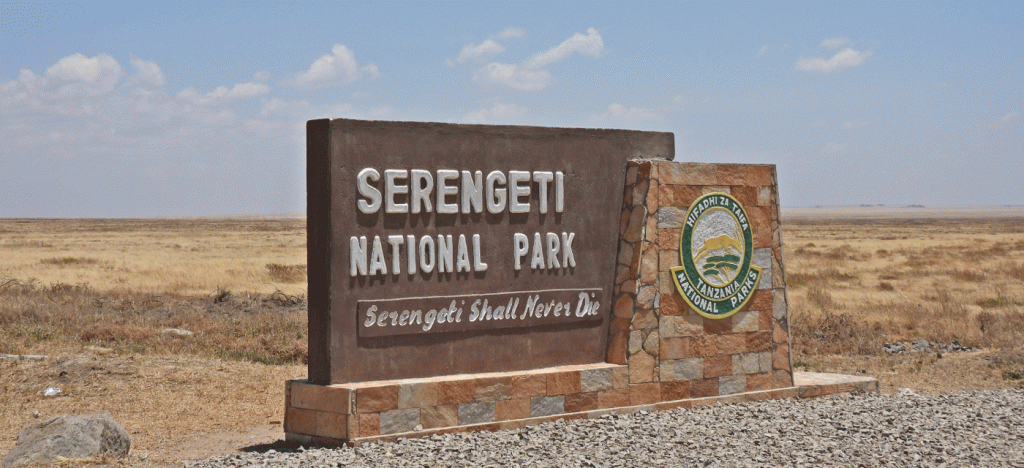
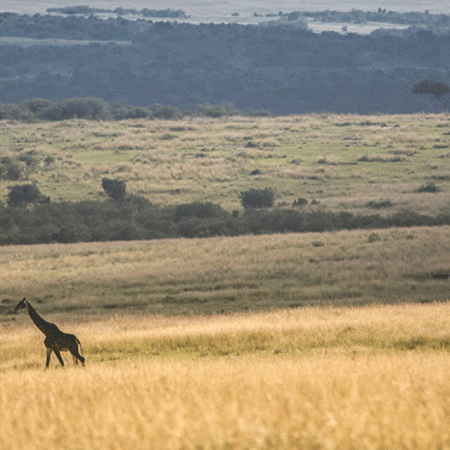
Serengeti National Park lies in northern Tanzania west of the Ngorongoro Conservation Area and south of the Kenya-Tanzania border. Its location places it at the heart of the Serengeti-Mara ecosystem one of the most important wildlife landscapes in East Africa.
The park stretches across a huge area so visitors should not think of the Serengeti as one small safari destination. Instead it contains several distinct wildlife regions. Central Serengeti particularly the Seronera area provides some of the most reliable year-round wildlife viewing. The Western Corridor becomes particularly interesting during parts of the migration season while the northern Serengeti attracts travelers hoping to follow herds moving toward the Mara River.
The southern plains around Ndutu sit mainly within the Ngorongoro Conservation Area rather than Serengeti National Park itself but they form an essential part of the wider ecosystem and the wildebeest breeding cycle.
The park has several access points and airstrips, allowing travelers to enter by road or fly directly into the Serengeti. TANAPA recommends planning routes, checking access conditions, arranging accommodation and using suitable transport when visiting its parks.
Most road safaris begin from Arusha the main tourism hub for Tanzania’s northern safari circuit. Travelers can combine Serengeti with Tarangire National Park and the Ngorongoro Conservation Area for a longer northern Tanzania safari.
Because driving distances can be substantial your route should match your available time. Spending several nights inside or near the park allows you to explore more areas instead of rushing between destinations.
Best Time to Visit Serengeti National Park
The best time to visit Serengeti National Park depends on the experience you want. June through October generally provides excellent wildlife viewing because the dry season concentrates animals around remaining water sources and vegetation becomes less dense. Tanzania tourism information also highlights June and July for major migration activity and late January to February for wildebeest calving.
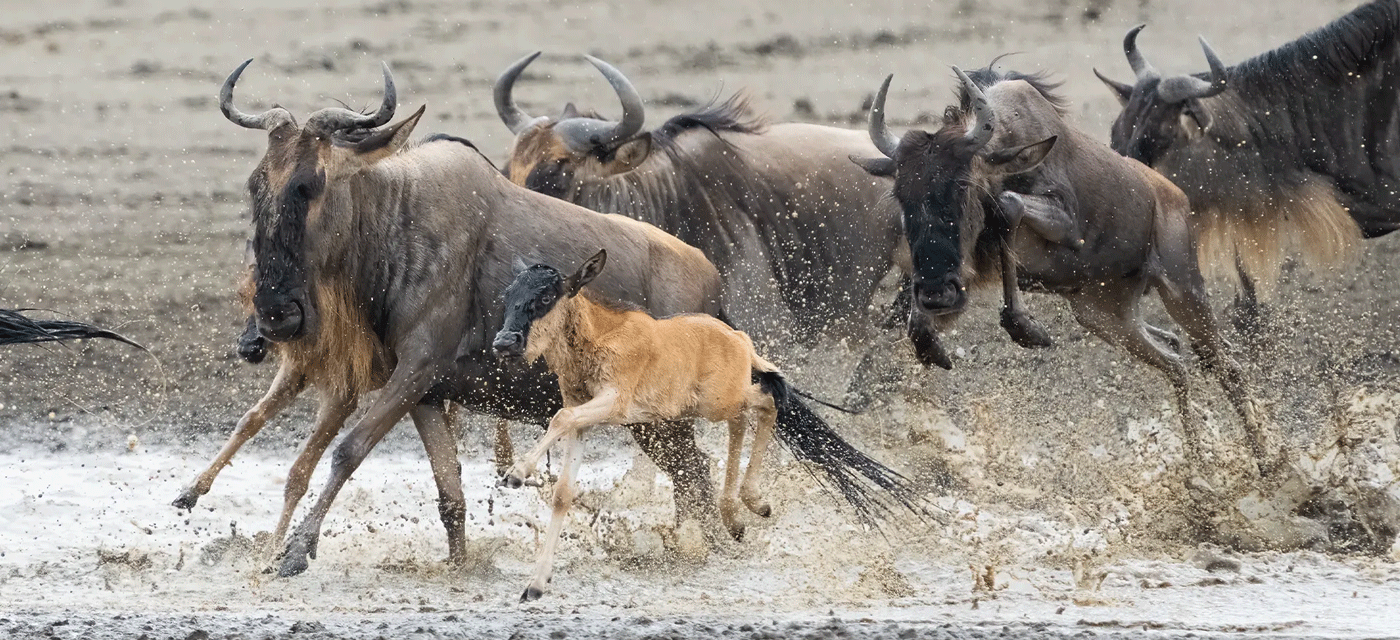
January and February offer an excellent opportunity to experience the calving season in the southern Serengeti ecosystem. Large numbers of wildebeest give birth, attracting predators such as lions, cheetahs and hyenas. This period can provide exceptional photography and predator activity.
From March into May the landscape becomes greener as seasonal rains transform the plains. April and May generally attract fewer visitors making this period appealing to travelers who prefer quieter conditions and potentially lower accommodation prices.
June and July can bring major migration movements toward the Western Corridor and northern Serengeti although the exact timing changes each year. August through October often attracts travelers interested in the northern Serengeti and Mara River area. River-crossing sightings remain unpredictable so visitors should avoid planning an entire safari around seeing one particular crossing.
November and December bring another period of seasonal rain and renewed vegetation. Wildlife remains present and the landscape becomes increasingly green.
There is therefore no single perfect month for every traveler. Choose January or February for calving June to October for generally strong dry-season wildlife viewing and the green seasons for landscapes, fewer crowds and a different safari atmosphere.
Serengeti National Park Safari Costs
Serengeti safari costs vary significantly depending on the season, accommodation standard, number of travelers, safari duration, transport and activities. A budget camping safari can cost considerably less than a private luxury safari using premium lodges and camps.
Your total budget normally includes several components. These can include park conservation fees, accommodation, meals, transportation, professional guide services, vehicle costs, airport transfers and activities. Some packages also include drinking water, game drives, camping equipment and selected transfers.
TANAPA publishes official park tariffs and explains that park fees vary according to park and visitor category. Its current visitor information also states that conservation fees are valid for 24 hours from the time of entry and that payments can be made through approved methods.
Accommodation creates one of the largest differences between safari prices. Budget travelers can choose campsites or simpler tented accommodation while mid-range travelers can select comfortable tented camps and lodges. Luxury travelers may choose high-end permanent camps with premium services and private vehicles.
Season also affects prices. Peak migration periods and popular dry-season months can increase accommodation demand while green-season travel may provide better value at some properties.
When comparing safari quotations check exactly what the operator includes. A cheaper quotation may exclude park fees, transfers, accommodation upgrades, drinks or optional activities.
For an accurate budget request a complete quotation that clearly separates included and excluded services. This approach helps you compare safari companies fairly and avoid unexpected expenses during your trip.
Serengeti National Park Park Fees
Park fees form an important part of the total Serengeti safari budget. Tanzania National Parks or TANAPA manages Serengeti National Park and publishes official tariff information for visitors. Fees can change between tariff periods so travelers should verify the current official rates before booking.
The amount you pay depends on factors such as nationality or residency category, age and the type of service or activity involved. TANAPA currently explains that children under five enter free of charge while child rates apply to children from five to fifteen years. Residents and East African citizens must also provide the required documentation to qualify for their applicable rates.
The park entry fee represents only one part of a safari budget. Other charges may apply depending on your accommodation, camping arrangements, vehicle, special activities and route.
For example travelers staying inside the park may encounter accommodation-related conservation or concession charges depending on the property and booking arrangement. A balloon safari also requires a separate activity payment.
Many organized safari packages include park fees in the advertised price but you should always confirm this before paying a deposit. Ask whether the quotation includes conservation fees for every day of your itinerary and whether any additional concession or camping charges apply.
TANAPA advises travelers to use official payment channels and retain receipts where applicable.
Because tariffs can change avoid relying on old blog posts when calculating your final budget. Use the current TANAPA tariff information or ask your safari operator to provide the applicable fees for your travel dates.
How to Get to Serengeti National Park
Most travelers reach Serengeti National Park from Arusha by road or by scheduled or chartered flight. The best option depends on your budget, available time and preferred safari style.
Road travel offers a classic Tanzania safari experience because the journey can connect several destinations. A common route travels from Arusha toward Tarangire or the Ngorongoro area before continuing into the Serengeti. The drive takes time because the distances are considerable but travelers can enjoy changing landscapes and combine multiple parks in one itinerary.
Flying provides a faster alternative. Several airstrips serve different Serengeti regions allowing travelers to fly closer to their accommodation. Tanzania’s national park planning information confirms that regional airstrips serve many parks and recommends arranging transfers with accommodation providers or tour operators.
Your choice of airstrip should match your itinerary. Seronera provides convenient access to central Serengeti, while northern and western airstrips can reduce driving time when your safari focuses on those regions.
International visitors commonly arrive through Kilimanjaro International Airport when planning a northern Tanzania safari. Some travelers also connect through other Tanzanian airports before continuing by road or domestic flight.
For a road safari allow enough time for the journey rather than trying to rush into the park and immediately start a long game drive. A well-planned itinerary balances driving time with wildlife viewing.
If you fly confirm your baggage allowance, arrival airstrip, pickup arrangements and accommodation transfer before departure.
Best Areas to Visit in Serengeti National Park
Serengeti National Park contains several regions and each offers a different safari experience. Choosing the right area can significantly improve your itinerary.
Central Serengeti and the Seronera Valley provide one of the strongest all-round wildlife experiences. Permanent water sources support wildlife throughout the year making this region particularly useful for shorter safaris. Visitors can encounter lions, leopards, cheetahs, elephants, giraffes, buffaloes, hyenas and numerous antelope species.
The Western Corridor becomes particularly attractive around the migration period. The Grumeti area contains rivers and woodland habitats that differ from the open plains of central Serengeti. Tanzania Tourism identifies the Western Corridor and Grumeti River as important parts of the annual migration route.
Northern Serengeti offers a more remote atmosphere and becomes particularly popular during the months when migrating herds move toward the Mara River. The landscape includes rocky hills, open plains and riverine areas.
The southern Serengeti ecosystem is especially important during the calving season. Ndutu is technically within the Ngorongoro Conservation Area but it forms part of the same broader ecological system and plays an important role in the migration cycle.
Lobo and other northern areas can provide excellent wildlife viewing while often feeling less crowded than central areas.
Rather than trying to cover every region on a short safari select one or two areas that match your travel dates. Spending more time in a wildlife-rich region usually produces a better experience than spending most of your safari driving between distant areas.
Serengeti Safari Accommodation
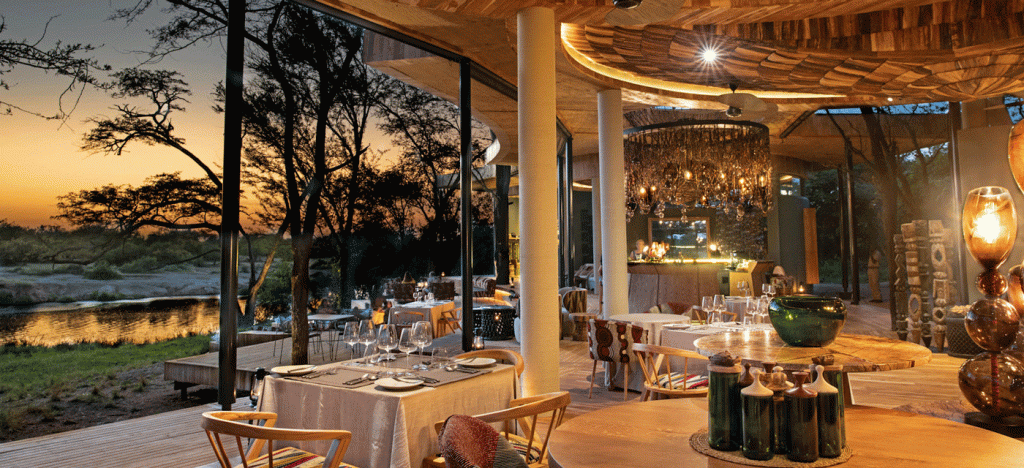
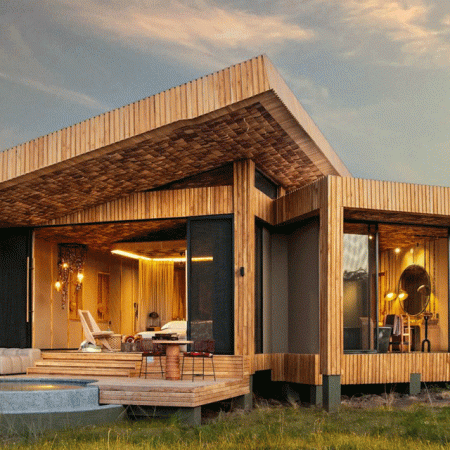
Serengeti accommodation ranges from public campsites and budget tented camps to comfortable lodges and luxury mobile or permanent camps. Your choice should reflect your budget, travel season, preferred location and desired level of comfort.
Budget travelers can choose camping options that provide a closer connection with the wilderness while keeping accommodation expenses under control. These options suit travelers who prioritize game drives and outdoor experiences over premium facilities.
Mid-range tented camps and lodges offer a balance between comfort and price. They generally provide private rooms or tents, beds, bathrooms, meals and common areas while keeping travelers close to wildlife areas.
Luxury lodges and camps provide additional services such as spacious accommodation, high-quality dining, private vehicles, premium guiding and carefully designed wilderness experiences. Prices can increase considerably during popular travel periods.
Location matters just as much as accommodation quality. Staying in central Serengeti can reduce travel time to wildlife areas around Seronera. Northern accommodation makes sense for travelers following the migration toward the Mara River while southern accommodation works well for calving-season itineraries.
TANAPA advises visitors to book early during peak periods and confirm the proximity of accommodation to park gates or planned safari areas.
When booking check whether the rate includes meals, park-related charges, transfers and activities. Some properties quote accommodation separately from park fees.
For the best overall experience choose accommodation based on your itinerary rather than selecting a property first and building the safari around it.
Things to Do in Serengeti National Park
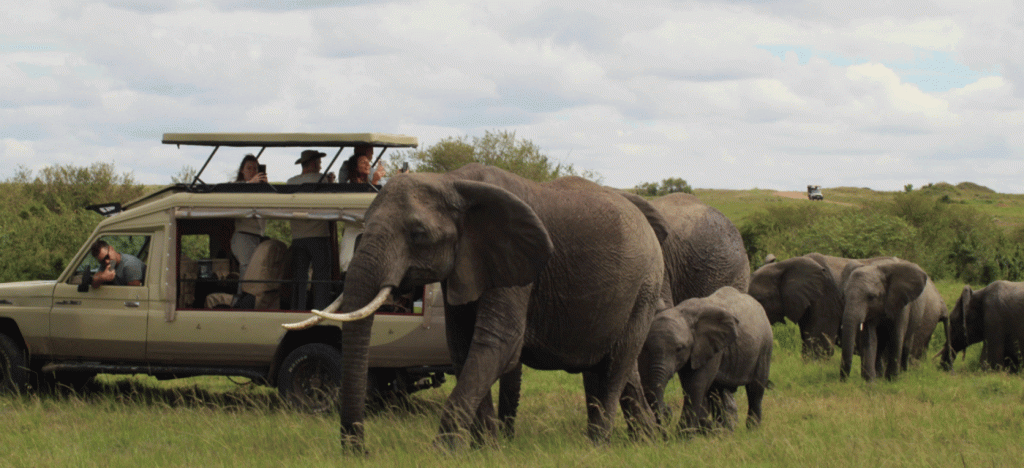
Game drives remain the main activity in Serengeti National Park. A professional guide can help you locate wildlife, understand animal behavior, identify birds and choose productive areas based on current conditions.
Morning game drives provide excellent opportunities to observe wildlife when temperatures remain cooler and many animals are active. Afternoon drives can reveal different behavior as animals become more active again later in the day.
Full-day game drives allow travelers to explore farther from their accommodation. They work particularly well when wildlife movements occur outside the immediate lodge area.
Birdwatching also offers rewarding experiences because the Serengeti supports a large variety of resident and migratory bird species. Photography enthusiasts can spend hours observing landscapes, predators, herbivores and birds.
A hot-air balloon safari provides a different perspective of the plains. TANAPA lists balloon safaris among activities available in Serengeti National Park although special activities can require additional arrangements and fees.
Visitors can also explore different habitats, watch predator-prey interactions, photograph kopjes and observe the seasonal movements of grazing animals.
The Great Migration remains one of the most famous experiences but wildlife viewing does not depend entirely on seeing migrating herds. Resident predators and herbivores make the Serengeti rewarding throughout the year.
Always follow your guide’s instructions and park regulations. TANAPA advises visitors to remain in vehicles during game drives unless an authorized activity specifically allows them to leave, avoid disturbing wildlife and keep noise low.
Serengeti National Park Travel Tips
Good preparation makes a Serengeti safari more comfortable and enjoyable. Start by choosing your travel dates according to the experience you want rather than simply selecting the most popular month.
Book early if you plan to travel during high-demand periods. Accommodation in popular wildlife areas can fill quickly particularly during major migration months.
Pack lightweight clothing that you can layer. Mornings can feel cool while afternoons become warm, so a light jacket, long-sleeved shirt, comfortable trousers, hat, sunglasses and rain protection can all prove useful. Neutral-colored clothing also works well for safari environments.
Bring sunscreen, insect repellent, personal medication, a reusable water bottle, binoculars, a camera, spare batteries and a power bank. TANAPA’s planning guidance recommends essentials such as identification, permits, water, sun protection, suitable clothing, insect repellent and a basic first-aid kit.
Carry your passport or required identification and keep important travel documents accessible. Confirm visa requirements before traveling to Tanzania.
Travel insurance provides valuable protection against unexpected travel disruptions and emergencies. TANAPA also recommends travel insurance as part of its park planning guidance.
Choose a licensed safari operator and confirm what the package includes. Ask about the vehicle, guide, accommodation, park fees, meals, transfers and emergency arrangements.
Finally remain flexible. Wildlife follows natural patterns and no responsible safari company can guarantee a specific animal sighting or exact migration event. A flexible itinerary gives your guide more opportunities to respond to current wildlife conditions.
What to Pack for a Serengeti Safari
Packing correctly can make your Serengeti safari much more comfortable. The goal is to carry practical items without bringing unnecessary luggage especially if you plan to use small aircraft between safari destinations.
Start with lightweight clothing that allows you to create layers. Early mornings can feel cool while midday temperatures can become warm. Include long trousers, T-shirts, long-sleeved shirts, a light fleece or jacket, comfortable walking shoes and a rain jacket.
A wide-brimmed hat or cap helps protect you from the sun. Sunglasses and high-SPF sunscreen are also useful during long game drives.
Bring insect repellent and any personal medication you normally require. A small personal first-aid kit can also help with minor everyday problems.
Photography equipment depends on your interests. A camera with a suitable telephoto lens can help capture distant wildlife while binoculars improve wildlife and birdwatching experiences even when you are not taking photographs.
Bring spare batteries, memory cards, charging cables and a power bank. Some camps have limited electricity or charging schedules so preparing ahead helps prevent problems.
A reusable water bottle is useful for staying hydrated. TANAPA’s official planning guidance specifically recommends carrying sufficient water and lists a reusable water bottle among essential items.
If you fly between destinations check baggage restrictions before packing. Soft-sided bags are often more practical for safari flights than large hard suitcases but always follow your airline’s current requirements.
Keep your passport, travel documents, insurance details and other important information in a secure accessible place.
Sample 5-Day Serengeti Safari Itinerary
A five-day Serengeti safari provides enough time to experience several wildlife areas without creating an excessively rushed schedule. The exact route should change according to the season and wildlife conditions.
Day 1: Arusha to Serengeti
Depart Arusha in the morning and travel toward Serengeti National Park. The journey takes much of the day by road but travelers can enjoy changing landscapes along the northern safari circuit. Enter the park and enjoy an afternoon game drive if time permits before checking into your accommodation.
Day 2: Central Serengeti
Start with an early morning game drive around Seronera. Search for lions, leopards, cheetahs, elephants, giraffes, buffaloes and other wildlife. After breakfast or lunch continue exploring the central Serengeti before returning to camp in the evening.
Day 3: Full-Day Serengeti
Spend the entire day exploring. Your guide can select the best area according to seasonal wildlife movements. A full-day drive provides flexibility and reduces the need to return to camp during the middle of the day.
Day 4: Serengeti to Ngorongoro
Enjoy a morning game drive before leaving Serengeti toward the Ngorongoro Conservation Area. Depending on the route and accommodation you can enjoy additional wildlife viewing during the journey.
Day 5: Ngorongoro and Return to Arusha
Descend into Ngorongoro Crater for a game drive before continuing toward Arusha. This combination provides a strong introduction to Tanzania’s northern safari circuit.
Travelers with more time should consider six to eight days to reduce driving pressure and explore additional Serengeti regions.
Sample 7-Day Serengeti Safari Itinerary
A seven-day itinerary gives travelers more flexibility and allows them to explore different Serengeti regions. It also works well for visitors who want to combine Serengeti with Tarangire and Ngorongoro.
Day 1: Travel from Arusha to Tarangire National Park and enjoy an afternoon game drive.
Day 2: Continue toward the Ngorongoro area enjoying wildlife viewing before overnighting near Karatu.
Day 3: Enter Serengeti National Park and enjoy an afternoon game drive after reaching the central region.
Day 4: Spend a full day exploring central Serengeti. Focus on Seronera and surrounding wildlife areas.
Day 5: Explore another Serengeti region based on the season. During appropriate months, your guide may focus on the Western Corridor or northern Serengeti.
Day 6: Enjoy another full game-drive day. This additional day provides valuable flexibility because wildlife movements remain unpredictable.
Day 7: Enjoy a final morning game drive before beginning the journey back toward Arusha or connecting to a domestic flight.
Travelers who want to focus heavily on the Great Migration can modify the itinerary according to the expected location of the herds. The northern Serengeti may require additional nights while calving-season trips can focus on the southern ecosystem.
The biggest advantage of seven days is flexibility. Instead of spending every day traveling between destinations you can dedicate multiple days to wildlife viewing. This increases your chances of experiencing different habitats and animal behaviors while creating a more relaxed safari pace.
Serengeti National Park Wildlife
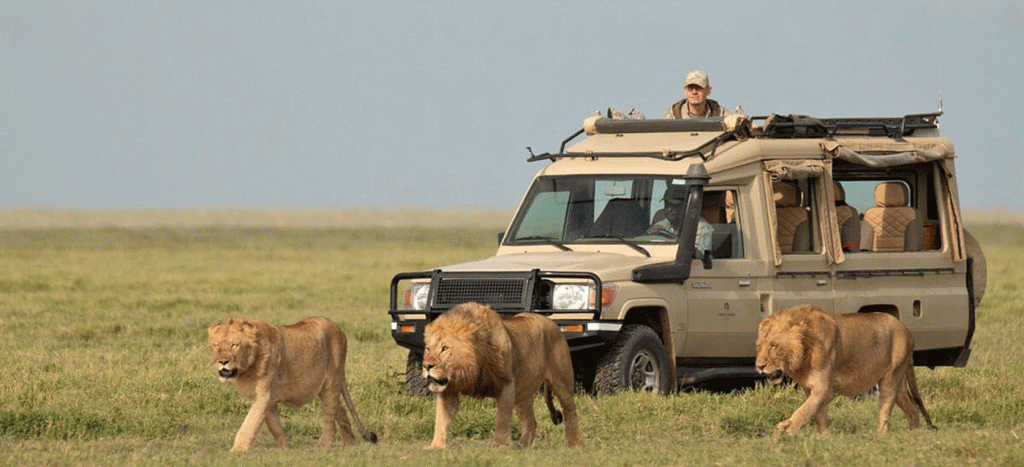
The Serengeti supports an exceptional variety of wildlife and provides some of Africa’s most famous predator-prey encounters. Large populations of wildebeest, zebra, gazelles, buffaloes, elephants, giraffes, hippos and other herbivores live across its diverse habitats.
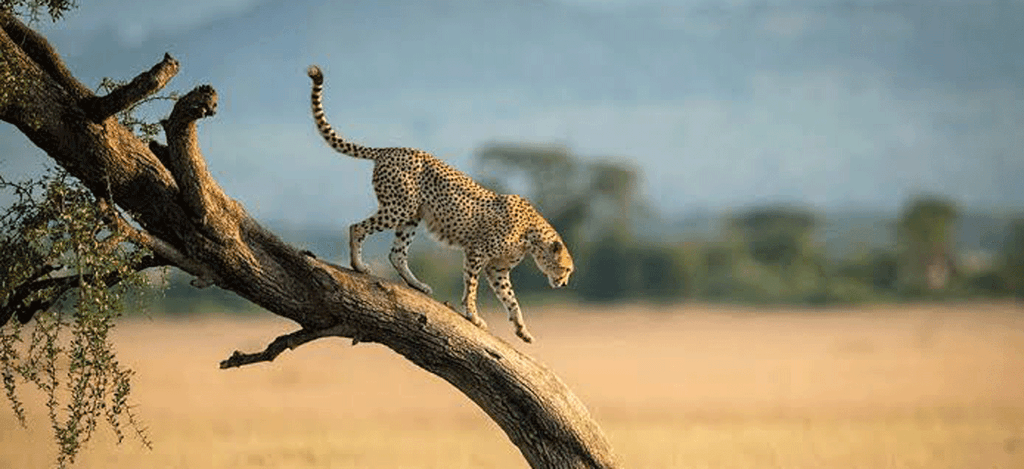
Lions are among the most frequently sought predators. They often hunt or rest near areas where prey concentrations remain high. Cheetahs favor open landscapes where their speed provides an advantage while leopards often remain more difficult to spot because they prefer secluded habitats.
Hyenas play an important role in the ecosystem and can be observed around many wildlife areas. Smaller predators and numerous antelope species add further diversity to game drives.
The Serengeti’s wildlife changes in distribution according to rainfall, food availability, water and seasonal movements. This explains why experienced guides often adjust game-drive routes instead of following a fixed path every day.
The Great Migration represents one of the ecosystem’s most spectacular natural processes. Wildebeest, zebra and gazelles move across large areas as they search for fresh pasture and water. Tanzania Tourism describes the annual movement as one of the defining attractions of Serengeti National Park.
Birdlife adds another dimension to the safari. Raptors, vultures, storks, rollers, hornbills, ostriches and many smaller species can appear throughout different habitats.
The Serengeti also supports important conservation populations, including black rhinos around areas such as the Moru Kopjes.
Rather than measuring a safari only by the number of species seen focus on the quality of encounters. Watching a pride of lions interact, observing elephants with young calves or following a leopard through the grass can become more memorable than simply checking animals off a list.
Serengeti National Park Rules and Safety
Safety should remain a priority throughout every Serengeti safari because the park is a wild environment where animals behave naturally. Follow your guide’s instructions and respect park regulations at all times.
Do not approach wildlife on foot unless you participate in an authorized activity that permits walking. During ordinary game drives, remain inside the vehicle unless your guide confirms that leaving the vehicle is safe and permitted.
Never feed animals, attempt to attract their attention or make unnecessary noise. These behaviors can disturb wildlife and create dangerous situations.
Stay inside designated routes and respect speed limits and park regulations. TANAPA specifically advises visitors not to drive off-road unless the activity or location explicitly permits it.
Keep food and personal belongings secure at camps and lodges. Follow accommodation instructions regarding wildlife around your tent or room.
Protect yourself from the sun by using sunscreen, wearing appropriate clothing, drinking enough water and taking breaks when necessary. Insect protection also remains useful.
Travelers should consult qualified medical professionals regarding vaccinations and malaria prevention before visiting Tanzania. TANAPA recommends discussing anti-malaria measures and vaccinations with a doctor as part of trip preparation.
Travel insurance provides additional protection against unexpected medical, travel or transportation problems.
Finally, remember that safari conditions can change. Rain may affect roads, wildlife can move unexpectedly and flight schedules may change. A reliable guide and operator can adjust plans when conditions require it.
Respecting park rules protects both travelers and wildlife while helping preserve the Serengeti for future generations.
Why Visit Serengeti National Park?
Serengeti National Park offers far more than a chance to see famous African animals. Its combination of enormous landscapes, diverse habitats, seasonal wildlife movements, predators, birdlife and cultural significance creates an experience that remains difficult to replicate elsewhere.
The Great Migration provides one of the strongest reasons to visit but the park does not depend entirely on migration. Resident wildlife makes the Serengeti a year-round safari destination and each season creates different opportunities.
The dry season can make wildlife easier to locate around water sources. The calving season creates intense predator activity in the southern ecosystem. The green seasons transform the landscape and can offer a quieter atmosphere.
The park also gives travelers the opportunity to experience different safari styles. You can choose a budget camping safari, a comfortable mid-range trip or a private luxury experience. You can travel by road for a traditional safari journey or fly into the park to maximize your wildlife-viewing time.
Tanzania’s tourism authorities continue to position Serengeti as one of the country’s signature wildlife destinations while TANAPA provides official guidance on planning, park fees, accommodation, safety and activities.
The most rewarding trips usually balance wildlife priorities with realistic travel times. Instead of trying to see everything, choose the regions and experiences that matter most to you.
Whether you want to follow the migration, photograph predators, explore the plains, enjoy a luxury safari or experience Tanzania for the first time Serengeti National Park offers exceptional opportunities.
Planning Your Serengeti Safari with Serengeti Travels
Planning a Serengeti safari becomes easier when you work with a local operator that understands the park, seasonal wildlife movements, road conditions, accommodation options and practical logistics.
Serengeti Travels can help travelers create private, family, honeymoon, budget, luxury and tailor-made safari itineraries based on travel dates, interests and available budget. A local Tanzania-based team can also help coordinate airport transfers, accommodation, safari vehicles, professional guides, park access and route planning.
The most important step involves matching the itinerary to the season. A traveler visiting during the calving period should consider the southern Serengeti ecosystem while someone visiting during the northern migration period may benefit from spending more nights in northern Serengeti. Travelers visiting outside migration periods can focus on central Serengeti and other wildlife-rich areas.
Your safari length also matters. Three or four days can provide a quick introduction while five to seven days allow more time for exploration. Longer safaris create additional opportunities to move between regions without rushing.
Before booking ask for a clear quotation showing accommodation, meals, transportation, guide services, park fees, transfers and optional activities. Confirm what remains excluded so you can prepare an accurate travel budget.
A well-planned Serengeti safari should prioritize realistic travel times, comfortable accommodation, responsible wildlife viewing and flexibility. With the right route and timing your trip can combine exceptional wildlife experiences with the comfort and support you need throughout your journey.
Frequently Asked Questions About Serengeti National Park
1. What is the best time to visit Serengeti National Park?
The best time depends on your safari goals. June to October generally offers excellent wildlife viewing during the dry season, while January and February are ideal for experiencing the wildebeest calving season. The timing of the Great Migration changes each year.
2. How much does a Serengeti safari cost?
A Serengeti safari can range from budget camping trips to luxury private safaris. The final price depends on the season, accommodation, safari duration, transportation, number of travelers, park fees and activities. Always check what your safari package includes before booking.
3. How many days do you need in Serengeti National Park?
A minimum of three days can provide a good introduction while five to seven days allows more time to explore different areas. Longer safaris offer greater flexibility and reduce the amount of time spent traveling between regions.
4. How do you get to Serengeti National Park?
Most visitors travel from Arusha to Serengeti by safari vehicle or fly from another Tanzanian destination. Road safaris allow travelers to combine Serengeti with destinations such as Tarangire and Ngorongoro while flights save time and provide access to different Serengeti airstrips.
5. What animals can you see in Serengeti National Park?
The Serengeti supports lions, leopards, cheetahs, elephants, buffaloes, giraffes, hippos, hyenas, wildebeest, zebras, gazelles and many other species. The park also supports a wide variety of resident and migratory birds.
6. Is Serengeti National Park worth visiting outside the Great Migration?
Yes. The Serengeti offers excellent wildlife viewing throughout the year. Resident predators and herbivores remain in the park, while different seasons provide different experiences, including calving, dry-season wildlife viewing and green landscapes.
7. What are the best areas to visit in Serengeti National Park?
Central Serengeti and the Seronera area provide reliable year-round wildlife viewing. The Western Corridor is important during parts of the migration while Northern Serengeti is popular during the northern migration period. The southern ecosystem around Ndutu is especially important during calving season.
8. What should I pack for a Serengeti safari?
Pack lightweight layered clothing, a light jacket, comfortable shoes, sunscreen, sunglasses, a hat, insect repellent, personal medication, binoculars, a camera, spare batteries, charging cables and a reusable water bottle. If flying between destinations check the airline’s baggage restrictions.
9. What is included in a Serengeti safari package?
Packages commonly include transportation, accommodation, meals, professional guiding and game drives. Depending on the operator, park fees, airport transfers, drinking water and camping equipment may also be included. Confirm all inclusions and exclusions before booking.
10. Can you visit Serengeti National Park by road?
Yes. Road safaris from Arusha are one of the most popular ways to reach the Serengeti. They allow travelers to experience Tanzania’s northern safari circuit and combine Serengeti with destinations such as Tarangire and Ngorongoro.
11. Is Serengeti National Park safe for tourists?
Serengeti is generally safe when visitors follow park regulations and their guide’s instructions. During game drives remain inside the vehicle unless your guide confirms that leaving is permitted and safe. Never feed or deliberately disturb wildlife.
12. Can you fly to Serengeti National Park?
Yes. Several airstrips serve different parts of Serengeti. Flying can significantly reduce travel time and works particularly well for travelers with limited time or those who want to focus on a specific region.
13. What is the Great Migration in Serengeti National Park?
The Great Migration is the seasonal movement of millions of wildebeest, zebras and gazelles across the Serengeti-Mara ecosystem in search of fresh grazing and water. The route and timing change throughout the year depending on rainfall and food availability.
14. What is the best itinerary for a Serengeti safari?
A five-day itinerary can combine Serengeti with Ngorongoro while a seven-day itinerary provides more flexibility and can include Tarangire, Ngorongoro and several Serengeti regions. Your ideal route should match your travel dates and wildlife priorities.
15. Why should you book a Serengeti safari with Serengeti Travels?
Serengeti Travels can help organize private, budget, luxury, family, honeymoon and tailor-made safaris. The team can match your itinerary with the season, accommodation preferences, wildlife interests and available travel time while coordinating transportation, guides and accommodation.
Conclusion
A journey to Serengeti National Park offers one of Tanzania’s most rewarding travel experiences giving travelers the opportunity to witness wildlife and nature in an authentic wilderness setting. The park combines vast plains, diverse wildlife, dramatic landscapes and constantly changing ecological processes that create memorable safari experiences. To enjoy these experiences fully, travelers should plan their journey carefully and understand how the Serengeti operates.
Understanding the cost structure provides an important starting point. A Serengeti safari usually includes park fees, transportation, accommodation, meals and professional guiding services. These expenses reflect the distance, conservation requirements and logistics involved in operating within a remote protected area. Travelers can compare accommodation levels and safari styles to create an experience that matches their expectations and budget. Serengeti Travels helps guests understand these costs and select practical safari options based on their travel plans.
Preparation also plays an important role. Travelers should pack suitable clothing for changing weather follow wildlife-viewing guidelines and respect the environment throughout their safari. A well-planned itinerary also helps visitors use their time efficiently while allowing flexibility when wildlife movements create unexpected opportunities. Experienced guides can adjust daily routes and activities according to seasonal conditions and animal activity.
Beyond logistics a Serengeti safari creates meaningful opportunities to connect with nature. Watching animals in their natural habitat, learning about their behavior and observing the ecosystem in action can provide a deeper appreciation of Tanzania’s wilderness. With careful planning and expert support from Serengeti Travels travelers can experience the Serengeti comfortably while making the most of every moment in this remarkable national park.