 English
 Deutsch
 Italia
May 14, 2026
Mistakes to Avoid in Serengeti safari
Introduction
Mistakes to Avoid in Serengeti safari can make the difference between a stressful trip and a memorable wildlife adventure. Many first-time visitors arrive in Tanzania with high expectations after watching documentaries, reading travel stories or viewing safari photos online. However the Serengeti operates as a wild ecosystem, so travelers must prepare for changing weather, long distances and unpredictable wildlife movements. Understanding these challenges before departure helps visitors plan realistically and enjoy their safari.
One common mistake involves choosing the wrong travel period without considering seasonal wildlife movements. Rainfall controls grazing patterns while animals move across different areas throughout the year. Travelers who understand these patterns can select the right region and increase their chances of finding the wildlife experiences they want.
Another mistake involves creating an overly ambitious itinerary. The Serengeti covers a huge area and long transfers can consume valuable safari time. Instead of trying to visit every region travelers should focus on areas that match their interests and travel dates. A knowledgeable safari operator can help create a practical route.
Packing incorrectly can also affect comfort. Travelers should bring lightweight clothing, warm layers for early mornings, comfortable shoes, sun protection and essential personal items. They should also prepare for dusty roads and changing temperatures.
Visitors should never ignore their guide’s instructions or wildlife regulations. Professional guides understand animal behavior and know how to maintain a safe distance from wildlife. Following their advice protects both travelers and animals.
Finally travelers should avoid expecting guaranteed sightings. Nature does not follow a schedule. Patience allows visitors to appreciate unexpected encounters and experience the Serengeti as a living ecosystem rather than a fixed checklist of attractions.
Table of contents
- Introduction
- Underestimating the Size of the Serengeti
- Ignoring Seasonal Wildlife Patterns
- Choosing the Cheapest Safari Without Research
- Packing Improper Clothing and Gear
- Neglecting Health and Safety Preparation
- Expecting Constant Action
- Not Listening to the Safari Guide
- Overloading the Itinerary
- Forgetting Hidden Costs
- Disrespecting Wildlife and Nature
- Frequently Asked Questions of Mistakes to Avoid in Serengeti safari
- Conclusion
Underestimating the Size of the Serengeti
One of the most common and costly mistakes first-time safari travelers make is underestimating the size of the Serengeti ecosystem. The Serengeti covers approximately 30,000 square kilometers, creating one of Africa’s largest and most diverse wildlife ecosystems. Unlike a small reserve that you can explore within a few hours, the Serengeti requires time, patience and careful planning. Long distances between wildlife areas can take several hours to cover even when they appear close on a map.
Many first-time visitors create overly ambitious itineraries because they want to experience as many areas as possible. However constantly moving between regions can keep you inside the safari vehicle for long periods and reduce the time available for game viewing. This approach can also cause fatigue and make the safari feel rushed instead of immersive.
A better strategy involves choosing fewer regions and exploring them more thoroughly. The Central Serengeti particularly Seronera provides excellent year-round wildlife viewing because permanent water sources attract animals throughout the seasons. The area also supports strong predator populations making it ideal for varied game drives. Northern Serengeti offers a different experience especially during the Great Migration when wildebeest and other herds move through the region.
By spending three to five nights in selected areas travelers can enjoy longer game drives without constantly changing locations. This approach allows more time for wildlife encounters and reduces unnecessary travel.
Understanding the Serengeti’s scale helps travelers set realistic expectations. Instead of trying to see everything, focus on quality experiences, observe nature patiently and allow the wilderness to unfold at its own pace.
Ignoring Seasonal Wildlife Patterns
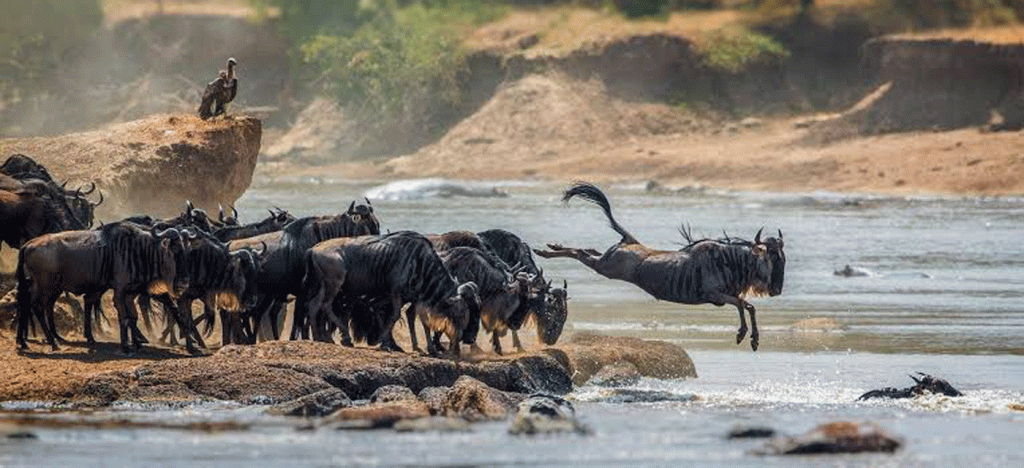
Another major mistake is failing to understand how strongly wildlife movement in the Serengeti depends on seasonal changes. Unlike many tourist destinations where attractions remain constant throughout the year, the Serengeti is shaped by rainfall patterns that directly influence animal migration, feeding behavior and predator activity.
The most famous example is the Great Migration, where millions of wildebeest, zebras and gazelles move across the ecosystem in search of fresh grazing land. This movement is not fixed in one place. It shifts throughout the year meaning that timing your visit is critical if you want to witness specific events such as river crossings or calving season.
First-time travelers often arrive without researching these patterns and end up missing the highlights they expected to see. For instance river crossings in the Northern Serengeti typically occur between July and October. If a traveler arrives outside this period expecting dramatic crossings, they may instead find scattered wildlife and quiet riverbanks. Similarly the calving season in the southern plains happens around January to March when thousands of wildebeest give birth within a short period.
Each season offers a different type of experience. The dry season concentrates animals around limited water sources making wildlife easier to spot. The green season brings lush landscapes, newborn animals and fewer tourists but wildlife can be more spread out.
Understanding these seasonal dynamics allows travelers to align expectations with reality. Instead of assuming every month offers the same experience visitors can choose travel dates based on what they most want to see. This simple adjustment dramatically improves satisfaction and ensures that the safari feels meaningful rather than disappointing.
Choosing the Cheapest Safari Without Research
Many first-time travelers are tempted to choose the lowest priced safari package available assuming all safari experiences are similar. This is a serious mistake that can negatively affect the entire trip. While affordability is important, the quality of a safari depends heavily on the operator, guides, vehicles and overall organization.
A very low cost safari often means compromises somewhere. Vehicles may be older and less reliable which can lead to breakdowns in remote areas. Guides may lack experience or deep knowledge of animal behavior reducing the chances of meaningful sightings. Accommodation may also be poorly located or below expected standards, affecting comfort and rest after long game drives.
Instead of focusing only on price travelers should focus on value and credibility. A reputable safari operator provides well maintained vehicles, experienced guides, proper safety standards and clear communication about what is included in the package. Reading reviews, checking customer feedback and asking detailed questions before booking can prevent disappointment later.
A skilled safari guide is especially important. The Serengeti is vast and unpredictable and spotting wildlife requires expertise. Experienced guides understand animal behavior, track movement patterns and know where to position vehicles for the best viewing opportunities. This expertise often makes the difference between a good safari and an unforgettable one.
Spending slightly more on a quality safari often results in significantly better experiences, better safety and more meaningful wildlife encounters. In the long run value matters more than saving a small amount of money.
Packing Improper Clothing and Gear
Packing mistakes can significantly affect comfort during a Serengeti safari. Many first-time travelers either overpack or bring unsuitable clothing that does not match the environmental conditions. The Serengeti has a unique climate where temperatures can change dramatically within a single day.
Early mornings and evenings can be cold, especially during game drives in open vehicles. Midday temperatures, however, can become hot and dry. This variation makes layering essential. Lightweight clothing that can be added or removed is the most practical choice.
Color choice also matters. Bright colors can disturb wildlife and attract unnecessary attention from insects. Neutral tones such as beige, khaki and olive green are more suitable because they blend naturally with the environment. Footwear should be comfortable and closed especially for walking around camps or lodges.
Another common mistake is bringing too much luggage. Safari vehicles and small aircraft transfers often have strict weight limits and excessive luggage can become inconvenient. Most lodges also provide laundry services reducing the need to pack large amounts of clothing. Essential items include a good pair of binoculars, sunscreen, a wide brim hat, insect repellent and a high quality camera if photography is a priority. These small items greatly enhance the safari experience by improving comfort and visibility.
Proper packing ensures that travelers remain comfortable, prepared and focused on enjoying the wildlife rather than dealing with avoidable discomfort.
Neglecting Health and Safety Preparation
Health and safety preparation is often overlooked but is extremely important for a Serengeti safari. The environment is remote and access to medical facilities can be limited in some areas. Travelers who fail to prepare properly may face avoidable risks.
Before traveling it is important to consult a healthcare professional for recommended vaccinations and malaria prevention measures. Malaria is present in many parts of East Africa so preventive medication and insect protection are essential. Travel insurance is another critical component that many first-time travelers forget. A proper insurance plan should cover medical emergencies, evacuation and trip interruptions. This provides peace of mind in case unexpected situations arise.
During the safari itself following safety instructions from guides is essential. Wildlife is unpredictable and maintaining safe distances is necessary for both human and animal safety. Visitors should never attempt to approach animals on their own or exit vehicles without permission.
Simple precautions such as using insect repellent, drinking clean water and sleeping under mosquito nets help reduce health risks. These small habits significantly improve safety and comfort throughout the trip. A well prepared traveler is not only safer but also more relaxed allowing full enjoyment of the safari experience without unnecessary worry.
Expecting Constant Action
Many first-time safari travelers enter the Serengeti with expectations shaped by wildlife documentaries, social media videos and edited highlight reels. These sources often showcase dramatic moments such as lion hunts, river crossings, cheetah chases and sudden predator encounters. Although these events occur naturally they represent only a small part of daily wildlife activity. As a result some visitors expect nonstop action throughout their safari and this unrealistic expectation can quickly lead to disappointment.
The Serengeti follows a slower and more natural rhythm. Animals do not perform for visitors and they spend much of their time resting, feeding or moving gradually across the plains. Lions for example can sleep or rest for many hours each day while leopards often remain hidden in trees or vegetation. Zebras and wildebeest also spend significant periods grazing peacefully rather than constantly moving across the landscape.
First-time visitors may struggle to appreciate these quiet moments. During a game drive you might watch a pride of lions resting in the shade or spot a leopard lying motionless in a tree. Instead of seeing these moments as uneventful travelers should recognize them as authentic wildlife behavior.
A successful safari requires patience and careful observation. Pay attention to birds flying overhead, interactions between animals, changing light, distant sounds and subtle movements in the grass. These details reveal how the ecosystem functions.
The Serengeti does not provide entertainment on demand. It offers an authentic wilderness experience where nature follows its own rhythm. When travelers adjust their expectations, both dramatic encounters and quiet observations become meaningful. Patience allows visitors to appreciate the Serengeti more deeply and creates memories that last long after the safari ends.
Not Listening to the Safari Guide
One of the most underestimated mistakes on a Serengeti safari is failing to listen carefully to your safari guide. Your guide does much more than drive the vehicle. They use years of training and field experience to understand wildlife behavior, geography, weather patterns and seasonal movements. When you respect their knowledge and follow their instructions, you improve both your safety and the quality of your safari.
Experienced guides understand how animals respond to different conditions and times of day. They recognize predator territories, migration routes, animal tracks, alarm calls and other subtle signs that visitors may easily overlook. Their knowledge helps them identify promising areas and anticipate possible wildlife activity. By following their guidance, you give yourself a better chance of witnessing meaningful and memorable encounters.
Some first-time visitors treat a safari like a casual road trip. They may speak loudly, request unnecessary stops, stand inside the vehicle or lean outside for better views. These actions can disturb wildlife and create unnecessary safety risks. Your guide knows when to approach, where to stop, how close to get and when to leave an area.
Listening to your guide also makes the safari more educational. Instead of simply showing you animals a knowledgeable guide explains their behavior, feeding patterns, hunting strategies, migration and relationships within the ecosystem. They help you understand why wildlife behaves in certain ways.
A successful safari depends on teamwork between you and your guide. Communicate clearly, ask questions, stay attentive and trust their judgment. When you respect your guide’s expertise, you enjoy a safer, richer and more rewarding Serengeti experience.
Overloading the Itinerary
A common mistake first-time travelers make when planning a Serengeti safari is trying to visit too many destinations and fit too many activities into a short trip. Although this approach may look efficient it often creates exhaustion, stress and a less enjoyable experience. The Serengeti rewards travelers who slow down, remain patient and give nature enough time to unfold.
The park covers a vast area so travelers can spend several hours driving between different regions. Rough roads, changing conditions and unexpected wildlife sightings can extend travel times. When travelers schedule constant relocations, they spend more time inside the vehicle and less time watching animals in their natural environment.
Wildlife viewing also requires patience. Animals rarely appear exactly when travelers expect them. By staying longer in one area, your guide can track wildlife, observe animal movements and identify promising locations. This approach increases your chances of witnessing meaningful encounters, including predator activity, herd movements and interesting animal behavior.
A slower itinerary also reduces physical and mental fatigue. Early morning game drives, long journeys and repeated packing can quickly become tiring. When you feel exhausted you may struggle to stay focused and appreciate the surrounding landscape. A well-planned safari should create space for relaxation as well as adventure.
Flexibility also plays an important role because wildlife does not follow a fixed schedule. A good itinerary gives your guide enough freedom to spend extra time at an exciting sighting instead of leaving because of strict time limits.
Ultimately, you do not need to see everything to enjoy the Serengeti. Spending more time in fewer areas often creates deeper wildlife encounters and stronger memories. By slowing down and allowing nature to set the pace you experience the Serengeti more naturally.
Forgetting Hidden Costs
One of the most overlooked parts of planning a Serengeti safari involves identifying hidden and additional costs that may not appear in the initial package price. Many first-time travelers focus on accommodation, transport and meals assuming these expenses cover everything. However several extra costs can increase the total safari budget so travelers should plan for them before departure.
Park entrance fees represent one of the main additional expenses. Travelers normally pay these fees for each day they spend inside the Serengeti. Some safari operators include them in their packages while others list them separately. Confirming what your package covers before booking helps you avoid unexpected charges.
Tipping also plays an important role in safari budgeting. Guides, drivers and camp staff work hard to make each journey safe, comfortable and enjoyable. Travelers commonly tip these professionals at the end of their safari so setting aside money for gratuities can prevent financial pressure during the trip.
Optional activities can also increase your spending. Hot-air balloon safaris, cultural experiences and guided walking activities often cost extra. Although these experiences remain optional they can add variety and deeper cultural or wildlife experiences to your itinerary.
Personal expenses can quickly accumulate as well. Extra drinks, specialty beverages, souvenirs and other personal purchases may not form part of the package price. Travel insurance also adds to the overall cost, but comprehensive cover can protect travelers against medical emergencies, evacuation and cancellations.
By planning for these expenses in advance travelers can manage their budget more confidently. Serengeti Travels helps travelers understand their safari costs clearly allowing them to enjoy their adventure without unnecessary financial surprises.
Disrespecting Wildlife and Nature
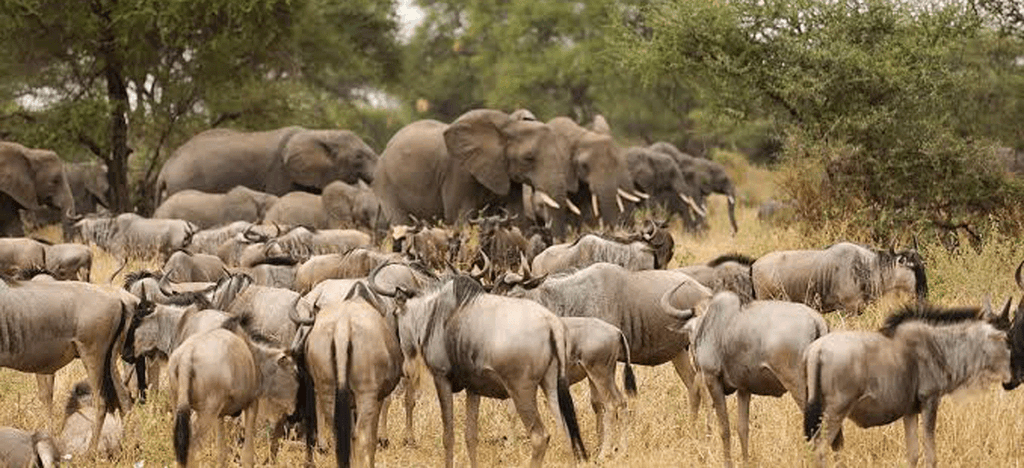
One of the most serious mistakes travelers can make in the Serengeti is failing to respect wildlife and the natural environment. The Serengeti is more than a tourist destination it is a protected ecosystem where wildlife, vegetation and human activity must remain in balance. Visitors can help protect this environment by practicing responsible behavior throughout their safari.
Travelers should always maintain a safe distance from wild animals. Approaching animals too closely can cause stress or trigger defensive behavior particularly when visitors encounter lions, cheetahs, leopards, elephants or buffalo. Safari guides understand animal behavior and can help guests enjoy excellent sightings without disturbing wildlife.
Visitors should also control their noise levels. Loud conversations, shouting, music and sudden movements can interrupt natural animal behavior and cause wildlife to move away. Staying quiet and patient allows animals to behave naturally and creates better viewing opportunities for everyone nearby.
Travelers must also avoid littering. Plastic, food packaging and other waste can harm animals and pollute their habitat. Responsible visitors should carry all their waste with them and leave the park clean.
Following park regulations and guide instructions also protects the Serengeti. Visitors should remain inside vehicles when required, respect restricted areas and follow designated routes. These rules protect both people and wildlife while supporting long-term conservation.
When travelers respect nature they contribute directly to conservation. Responsible tourism helps protect wildlife, preserve habitats and maintain the Serengeti for future generations. The most rewarding safari experiences come from observing animals without interfering with their natural behavior. By traveling responsibly visitors can enjoy an authentic connection with the wild while helping protect one of Tanzania’s most valuable ecosystems.
Frequently Asked Questions of Mistakes to Avoid in Serengeti safari
What are the most common mistakes to avoid on a Serengeti safari?
Common mistakes include underestimating the size of the Serengeti, ignoring seasonal wildlife patterns, choosing a safari based only on price, packing unsuitable clothing, overloading the itinerary and expecting guaranteed wildlife sightings.
Is it a mistake to visit the Serengeti without considering the season?
Yes. Wildlife movements change throughout the year because rainfall affects grazing and animal migration. Travelers should choose their dates based on the experiences they want such as the Great Migration or calving season.
How long should I spend in the Serengeti?
Spending three to five nights in selected areas can provide a better experience than constantly moving between regions. A longer stay allows more time for game drives and wildlife observation.
Should I choose the cheapest Serengeti safari?
Not necessarily. The cheapest option may involve compromises in vehicle quality, guide experience, accommodation or organization. Travelers should compare overall value, safety, reviews and what the package includes.
What should I pack for a Serengeti safari?
Pack lightweight clothing, warm layers, comfortable closed shoes, sunscreen, insect repellent, a wide-brimmed hat, binoculars and a camera. Layering helps you adapt to changing temperatures during the day.
Should I expect to see wildlife throughout the entire safari?
No. Wildlife follows natural patterns and does not appear on demand. Some periods may involve quiet observation while others may produce dramatic encounters. Patience is essential.
Why is it important to listen to a Serengeti safari guide?
Experienced guides understand wildlife behavior, animal movements, tracks, seasonal patterns and safe viewing practices. Following their instructions improves both safety and the quality of wildlife encounters.
What hidden costs should I plan for on a Serengeti safari?
Possible additional costs include park fees, tips, optional activities, personal purchases, drinks, souvenirs and travel insurance. Always confirm what your safari package includes before booking.
How can I avoid an overloaded Serengeti safari itinerary?
Focus on fewer regions and allow enough time for game drives and rest. Avoid scheduling too many destinations or activities because long distances and unexpected wildlife sightings can make travel take longer than planned.
How can I respect wildlife during a Serengeti safari?
Maintain a safe distance, keep noise levels low, avoid littering, follow park regulations and listen to your guide. Responsible behavior helps protect wildlife and the natural environment.
Can Serengeti Travels help me avoid common safari mistakes?
Yes. Serengeti Travels can help travelers plan practical safari experiences based on their interests, schedule, travel dates and expectations.
Conclusion
A journey into the Serengeti offers more than a holiday it gives travelers the chance to experience one of the world’s most remarkable natural ecosystems. However travelers can enjoy this experience fully only when they prepare carefully and approach the adventure with realistic expectations. Many first-time visitors arrive excited but misunderstand the park’s vast size, wildlife seasons, travel distances and natural rhythms. These misconceptions can lead to common mistakes, including planning rushed itineraries, choosing unsuitable travel dates and expecting constant dramatic wildlife action.
Nature does not follow a fixed schedule. Rainfall, migration movements, predator behavior and changing environmental conditions shape every day in the Serengeti. Travelers should therefore remain patient and flexible. Instead of trying to see everything quickly they should spend more time exploring fewer areas. This approach allows wildlife encounters to develop naturally while reducing travel fatigue and unnecessary stress.
Good preparation matters more than speed or luxury. Travelers should choose suitable accommodation, pack for changing weather and work with a reputable safari operator. Serengeti Travels helps visitors plan practical safari experiences that match their interests, schedule and travel expectations.
Respecting wildlife also plays an essential role. Travelers should maintain safe distances follow guide instructions and avoid actions that disturb animals or damage the environment. Responsible behavior protects the ecosystem and keeps wildlife encounters authentic.
Finally, travelers should consider health, safety and logistics before departure. Proper preparation, reliable transportation and experienced guides can make the journey safer more comfortable and more rewarding from start to finish.