 English
 Deutsch
 Italia
May 11, 2026
Top Wildlife You Can See in Serengeti National Park
Introduction
Serengeti National Park ranks among the world’s greatest wildlife destinations and the Top Wildlife You Can See in Serengeti National Park makes every safari unforgettable. Located in northern Tanzania, Serengeti attracts travelers with its endless plains, rich biodiversity and remarkable wildlife encounters. Visitors can watch animals live freely across one of Africa’s most important natural ecosystems.
Serengeti supports an incredible variety of wildlife, including lions, cheetahs, elephants, giraffes, wildebeests, zebras, gazelles, leopards, crocodiles and hundreds of bird species. Each animal plays an important role in maintaining the balance of the ecosystem. The park’s fertile grasslands, permanent water sources, seasonal rainfall and protected habitats provide ideal conditions for wildlife throughout the year.
Animals move across the Serengeti according to food, water and seasonal conditions. During game drives, travelers can watch predators search for prey, elephants move through woodland areas, giraffes browse among trees and large herds cross the open plains. These encounters give visitors a close look at natural animal behavior.
The Serengeti also hosts the famous Great Wildebeest Migration. Millions of wildebeests, zebras and gazelles move through the ecosystem in search of fresh grazing and water. Predators such as lions, cheetahs and crocodiles take advantage of this abundance creating some of Africa’s most dramatic wildlife experiences.
This guide explores the Top Wildlife You Can See in Serengeti National Park including where to find them how they behave and their importance to the ecosystem. With expert planning Serengeti Travels can help visitors experience these remarkable animals in their natural habitat.
Table of contents
- Introduction
- Lions of Serengeti
- Elephants in Serengeti
- Leopards of Serengeti
- Cheetahs of Serengeti
- The Great Wildebeests
- Zebras of Serengeti
- Giraffes in Serengeti
- Buffaloes of Serengeti
- Hippos in Serengeti
- Crocodiles of Serengeti
- Hyenas in Serengeti
- Gazelles and Antelopes
- Monkeys and Baboons
- Birds of Serengeti
- Rare and Lesser-Known Wildlife
- Wildlife Behavior During Different Seasons
- Why Serengeti Wildlife Is Special
- Frequently Asked Questions About Serengeti Wildlife
- What wildlife can you see in Serengeti National Park?
- What is the most famous animal in Serengeti?
- Can you see the Big Five in Serengeti?
- Are lions easy to see in Serengeti?
- Can you see leopards in Serengeti?
- When is the best time to see wildebeests in Serengeti?
- Can you see cheetahs in Serengeti?
- Are elephants common in Serengeti?
- Can you see giraffes in Serengeti National Park?
- Where can you see hippos in Serengeti?
- Can you see crocodiles in Serengeti?
- Are hyenas found in Serengeti?
- How many bird species are found in Serengeti?
- What smaller animals can you see in Serengeti?
- Is Serengeti good for wildlife photography?
- What animals are easiest to see during a Serengeti safari?
- Does wildlife stay in the same area of Serengeti all year?
- Why is Serengeti famous for wildlife?
- Can Serengeti Travels help with wildlife viewing?
- Conclusion
Lions of Serengeti
Lions rank among the most iconic animals in Serengeti National Park and remain one of the main reasons travelers dream of visiting Africa. Serengeti supports a large lion population, making it one of the best safari destinations for observing these powerful predators in their natural environment.
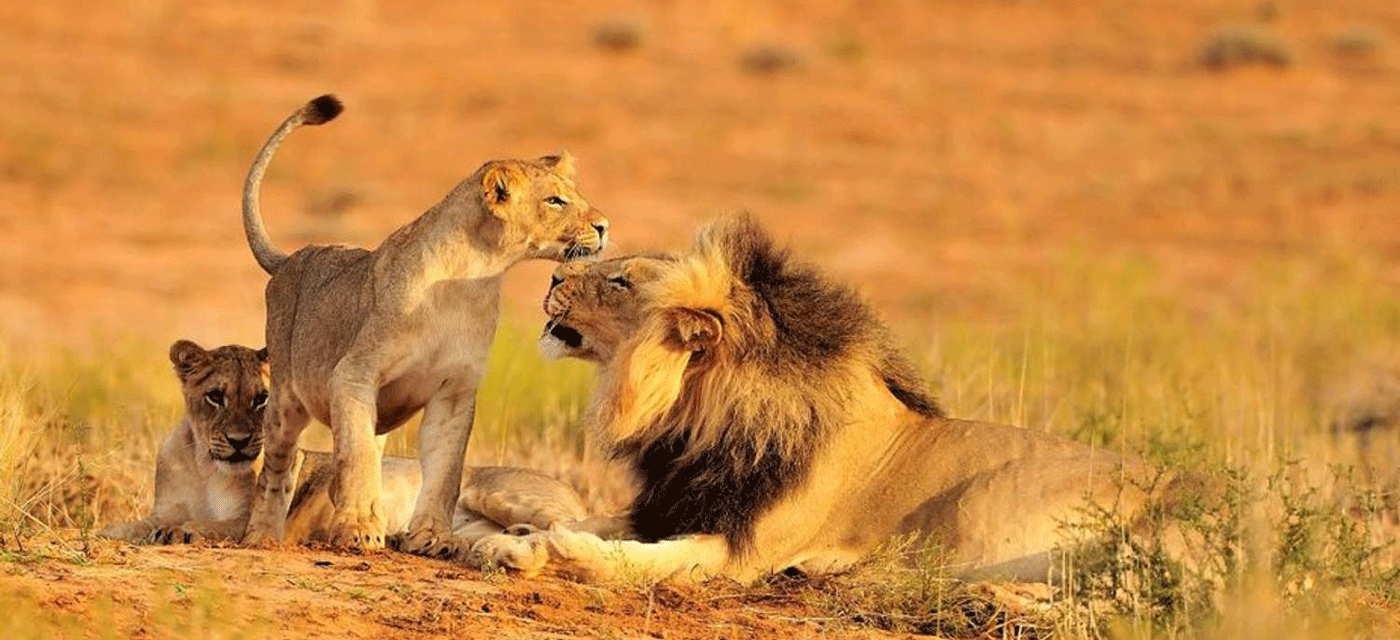
For many visitors, seeing lions in the wild becomes one of the most unforgettable moments of a safari. Unlike zoo animals, Serengeti lions roam freely across vast territories where they hunt, rest, raise cubs and defend their homes.
The open plains make lion sightings easier because visitors can often spot them resting beneath acacia trees, lying on rocky kopjes, walking across grasslands or watching nearby herds of wildebeests and zebras.
Lions live in family groups called prides. A pride usually includes related lionesses, cubs and dominant males. Lionesses do most of the hunting and often work together to approach prey and limit escape routes. Watching them hunt reveals the challenges of survival in the wild, as prey can escape through speed, alertness and group defense.
Male lions protect their territories and use powerful roars to communicate and warn rival males. Visitors may hear these roars across the plains especially at night.
Cubs also attract visitors as they play, develop social skills and learn hunting behaviors from adults. Serengeti’s abundant wildebeests, zebras and gazelles provide lions with a reliable food source, particularly during migration periods.
Lions also help maintain ecosystem balance by regulating herbivore populations. For photographers, encounters with lions create remarkable opportunities from sunrise sightings on kopjes to lionesses hunting across golden grasslands. Their presence continues to make Serengeti a legendary African safari destination.
Elephants in Serengeti
African elephants are among the largest land animals on Earth and one of the most impressive species found in Serengeti National Park. Watching elephants move peacefully across the plains is one of the most unforgettable safari experiences. Their enormous size, intelligence and social behavior create strong emotional connections with visitors.
Elephants usually live in family groups led by experienced females known as matriarchs. These matriarchs guide the herd to water sources, feeding areas and safe environments. Young elephants remain close to mothers for protection and learning. Elephants are highly intelligent animals with strong memory and communication abilities. They use body language, touch and low-frequency sounds to communicate across long distances. Visitors often see elephants using trunks to gather food, spray water, greet family members or protect calves.
Serengeti elephants feed on grasses, leaves, bark and fruits. Their feeding behavior also helps shape the ecosystem because they influence vegetation patterns and create pathways used by other animals.
During dry season elephants often gather near rivers and waterholes. Elephants are generally peaceful but can become defensive if they feel threatened especially when calves are nearby. Photographing elephants during sunrise or sunset creates breathtaking safari images because their massive bodies stand beautifully against golden landscapes.
Leopards of Serengeti
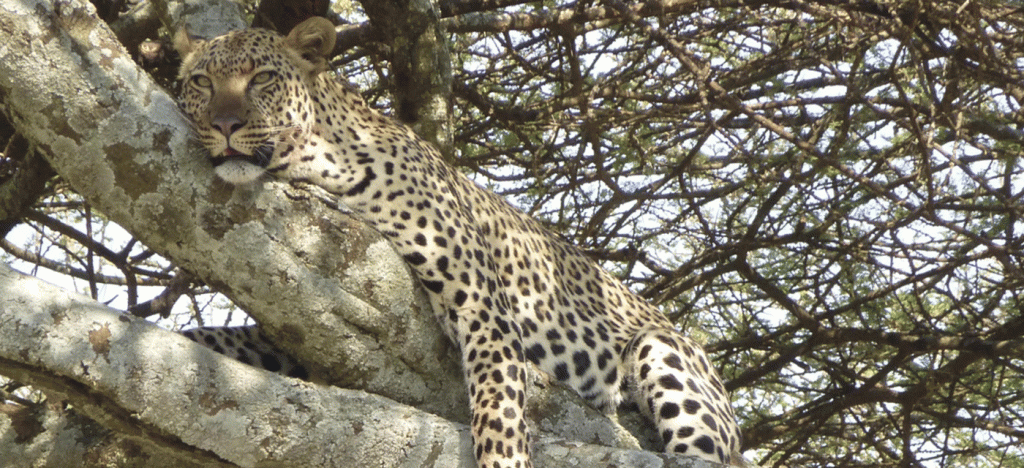
Leopards are among the most elusive and mysterious predators in Serengeti National Park. Unlike lions that often live in groups, leopards prefer solitary lifestyles and are known for their stealth, intelligence and climbing ability.
Spotting a leopard during safari is considered very special because these cats are naturally secretive. Leopards are commonly found near riverine forests, wooded areas and rocky environments where they can hide easily. One of the most famous leopard behaviors is resting on tree branches. Leopards often carry prey into trees to protect it from scavengers such as hyenas and lions.
Their spotted coats provide excellent camouflage within shadows and vegetation. Leopards are extremely adaptable predators capable of hunting many different animals including gazelles, impalas, monkeys, birds and small mammals.
They rely heavily on stealth and surprise when hunting. Nighttime is especially active for leopards because they prefer cooler temperatures and reduced competition from other predators. Seeing a leopard in Serengeti often requires patience, experienced guides and careful observation.
Cheetahs of Serengeti
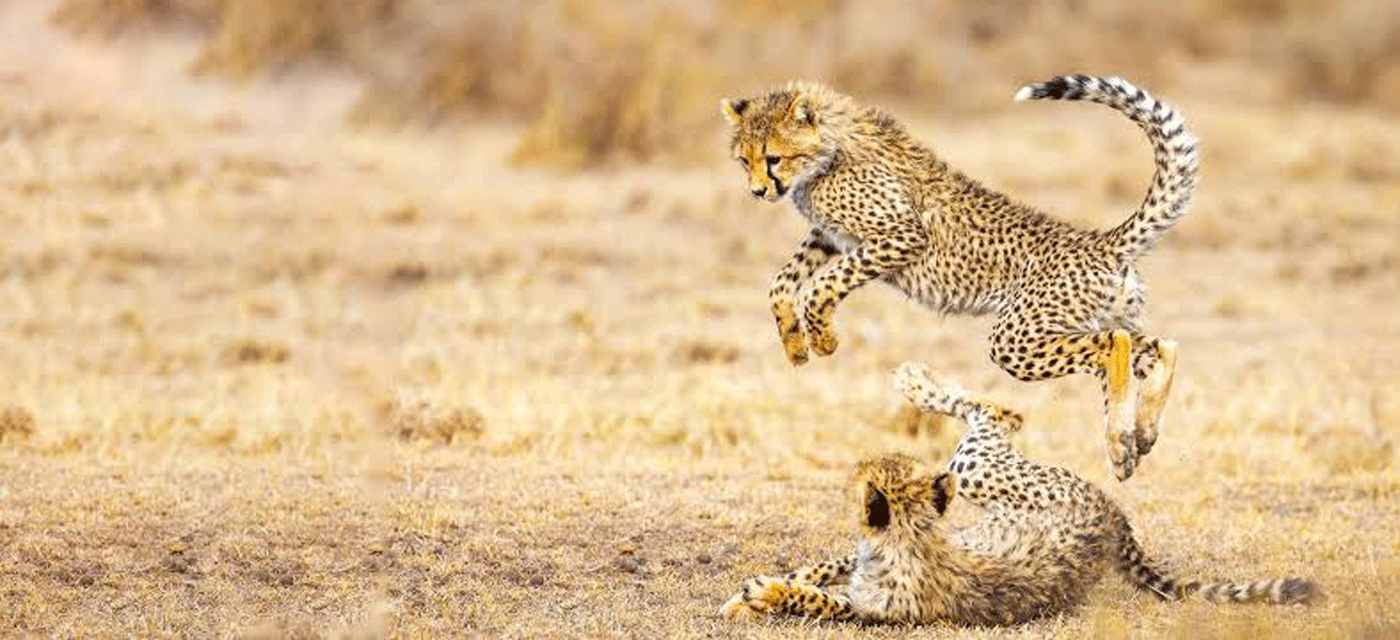
Cheetahs are famous for being the fastest land animals in the world and are among the most exciting predators to observe in Serengeti National Park.
The open grasslands of Serengeti provide perfect hunting grounds for cheetahs because they rely on speed rather than strength. Cheetahs can reach incredible speeds during short chases while hunting gazelles and other small antelopes. Unlike lions and leopards, cheetahs have slender bodies, lightweight frames and long tails designed for balance during high-speed pursuits.
Visitors often spot cheetahs resting on termite mounds or small elevated areas while scanning the plains for prey. Cheetah hunts are incredibly dramatic because they involve explosive acceleration and sharp turning movements.
However, hunting success is not guaranteed. Many prey animals escape because cheetahs tire quickly after intense chases. Cheetahs also face challenges from larger predators such as lions and hyenas that may steal kills. Mother cheetahs caring for cubs provide especially emotional safari moments because they must protect young cubs while teaching survival skills. The elegance, speed, and beauty of cheetahs make them favorite animals among wildlife photographers.
The Great Wildebeests
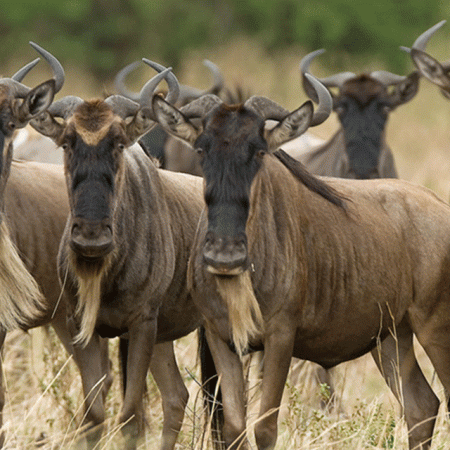
Wildebeests are the most famous herbivores in Serengeti National Park and drive the Great Migration one of the greatest wildlife spectacles on Earth. These powerful animals play a vital role in maintaining the Serengeti ecosystem despite appearing less dramatic than predators such as lions and cheetahs.
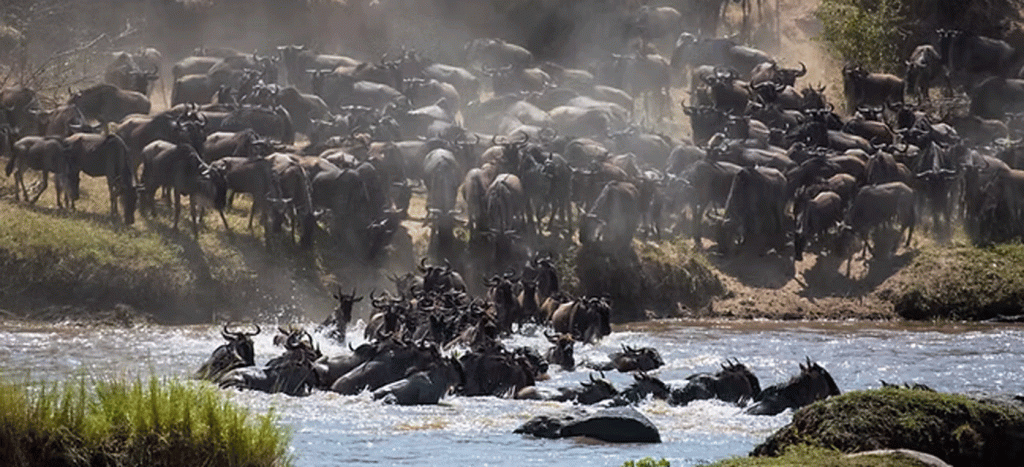
Every year, more than 1.5 million wildebeests move through the Serengeti and Maasai Mara ecosystems in search of fresh grass and water. Seasonal rainfall guides their movement and forces the herds to travel long distances across challenging terrain. During migration visitors can watch enormous herds spread across the plains raising clouds of dust while their constant grunting fills the air.
The migration also supports many other species. Lions follow the herds and hunt along their routes while crocodiles wait near river crossings. Hyenas and vultures feed on animals that die during the difficult journey.
Southern Serengeti offers one of the most remarkable migration experiences during the calving season from January to March. Hundreds of thousands of wildebeests give birth within a short period creating a huge concentration of newborn calves. Mothers protect their young while predators search for vulnerable calves.
In northern Serengeti, river crossings provide another unforgettable spectacle. Wildebeests gather along riverbanks before rushing through crocodile-filled waters. Some animals cross successfully, while others face predators, exhaustion and strong currents.
Wildebeests also support healthy grasslands by grazing vegetation and distributing nutrients as they move. For travelers watching thousands of wildebeests cross the Serengeti remains one of Africa’s most unforgettable safari experiences.
Zebras of Serengeti
Zebras are among the most recognizable animals in Africa thanks to their distinctive black-and-white stripes. In Serengeti National Park visitors can often see large zebra herds moving across the open plains, especially during the Great Migration. Their presence adds remarkable energy and beauty to the Serengeti landscape.
Zebras frequently travel alongside wildebeests as both species move across the ecosystem in search of fresh grazing areas. They can share the same habitat efficiently because they prefer different types of grass. Zebras usually feed on longer and tougher grasses while wildebeests favor shorter fresher grass. This feeding pattern allows both animals to use the available vegetation without competing heavily for the same food.
Every zebra carries a unique stripe pattern that helps researchers and wildlife enthusiasts identify individuals. Scientists have proposed several possible functions for these striking patterns, including social recognition, camouflage and protection from biting insects. The stripes may also help zebras manage heat although researchers continue to study their exact biological functions.
Zebras live in highly social groups and constantly remain alert for potential predators such as lions, hyenas and wild dogs. They communicate through sounds, body movements and physical contact. During a Serengeti safari visitors may watch zebras grooming one another interacting within their herds or carefully protecting young foals.
Their bold patterns create exceptional photography opportunities, particularly when large herds gather against Serengeti’s golden grasslands and dramatic skies. Watching zebras move naturally across these vast plains gives travelers a memorable glimpse into the daily life of one of Africa’s most fascinating wildlife species.
Giraffes in Serengeti
Giraffes rank among the tallest animals on Earth and stand as one of the most graceful species you can see in Serengeti National Park. Their impressive height, elegant movements and distinctive appearance create some of the most memorable wildlife encounters on a Serengeti safari.
Giraffes move calmly across the open plains creating peaceful scenes as they search for food. Their exceptionally long necks give them access to leaves high in acacia trees allowing them to feed where many other herbivores cannot reach. They use their long flexible tongues to pull leaves from thorny branches while avoiding the sharp spines.
Although giraffes appear calm and gentle they possess remarkable strength. When threatened they can defend themselves with powerful kicks that can seriously injure potential attackers. However young giraffes remain more vulnerable to predators particularly lions which may target them when they become separated from their mothers or groups.
Giraffes often travel in loose social groups and spend much of their day feeding. They move between feeding areas while keeping watch for potential threats across the surrounding plains. Their tall bodies also give them an excellent view of the landscape helping them detect danger from a distance.
The sight of giraffes standing beside acacia trees creates one of Africa’s most recognizable safari scenes. During sunset their tall silhouettes become especially striking against colorful skies making giraffes a favorite subject for wildlife photographers visiting Serengeti National Park.
Buffaloes of Serengeti
African buffaloes are among the most powerful and respected animals in Serengeti National Park. As one of Africa’s Big Five, they attract attention with their impressive strength, solid build, unpredictable behavior and remarkable ability to protect their herds. Visitors often encounter large buffalo groups moving steadily across open grasslands, woodland edges and wetland areas as they search for fresh grazing and water.
Buffaloes spend much of their time feeding on grasses and regularly move between grazing grounds and reliable water sources. Their strong bodies and powerful horns help them defend themselves when predators threaten the herd. Instead of immediately fleeing from danger, buffaloes can stand their ground and confront attackers making them formidable animals even for experienced predators.
Lions often target buffaloes because their large bodies can provide substantial meals. However hunting an adult buffalo carries considerable risk. A determined herd can surround an injured or threatened member and aggressively confront attacking lions. Mothers also remain highly protective of calves while other herd members may join together to drive predators away.
Buffaloes frequently gather near rivers, lakes and other water sources because they need regular access to drinking water and use wet areas to cool themselves during hot periods. Their strong social bonds and coordinated defensive behavior make them particularly fascinating to watch on safari.
For travelers exploring the Serengeti, observing a large buffalo herd provides a close look at the strength, cooperation and survival strategies that shape this remarkable ecosystem.
Hippos in Serengeti
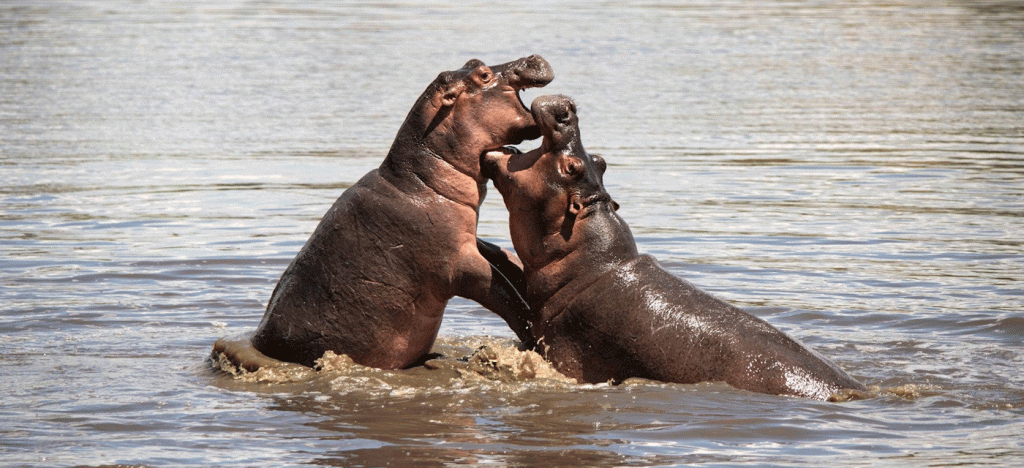
Hippos are among the most unusual and fascinating animals in Serengeti.
Although hippos spend most daytime hours resting in rivers and pools they are actually highly active animals during nighttime.
At night hippos leave the water to graze on grass.
Hippo pools in Serengeti often contain many individuals crowded closely together.
Visitors can observe hippos opening enormous mouths during territorial displays or social interactions.
Despite appearing calm hippos are extremely powerful and can become dangerous if threatened.
Their presence is especially common around rivers in central Serengeti.
Hippos also play ecological roles by recycling nutrients between water and land environments.
Crocodiles of Serengeti
Nile crocodiles are ancient predators that dominate Serengeti River systems.
These reptiles become especially famous during migration river crossings when wildebeests attempt to cross dangerous waters.
Crocodiles often remain motionless near riverbanks waiting patiently for opportunities to attack prey.
Some crocodiles in Serengeti grow extremely large because of abundant food availability.
Watching crocodiles during migration season creates dramatic safari moments filled with tension and survival.
Despite their fearsome reputation crocodiles are important ecosystem predators that help maintain balance within aquatic environments.
Hyenas in Serengeti
Hyenas are among the most misunderstood animals in Africa.
Many people incorrectly think hyenas are only scavengers but they are actually skilled hunters with strong intelligence and complex social systems.
Spotted hyenas are extremely common in Serengeti and often compete directly with lions for food.
Hyena clans can contain many individuals led by dominant females.
These animals communicate through vocal sounds body language and scent marking.
Visitors often hear hyenas calling during nighttime around camps and lodges.
Hyenas play important ecological roles by cleaning carcasses and controlling prey populations.
Their intelligence and social behavior make them fascinating predators to observe.
Gazelles and Antelopes
Serengeti supports many species of gazelles and antelopes.
These graceful herbivores provide important prey for predators and contribute significantly to ecosystem balance.
Thomson’s gazelles are especially common and known for their speed and agility.
Grant’s gazelles are slightly larger and often seen grazing on open plains.
Impalas prefer woodland edges and are famous for their impressive jumping ability.
Topis, elands, hartebeests and waterbucks also inhabit different Serengeti regions.
Antelope species vary in size, habitat preference and behavior.
Watching large mixed herds of herbivores grazing together creates beautiful safari scenes.
Monkeys and Baboons
Primates add energy and entertainment to Serengeti safaris.
Olive baboons are highly social animals commonly seen near wooded areas and roadsides.
Baboon troops contain complex social hierarchies and constant interaction.
Visitors often enjoy watching baboons grooming one another, playing or searching for food.
Vervet monkeys are smaller and more agile.
These primates usually inhabit forested areas and riverine environments.
Primates contribute to seed dispersal and ecological diversity within Serengeti.
Birds of Serengeti
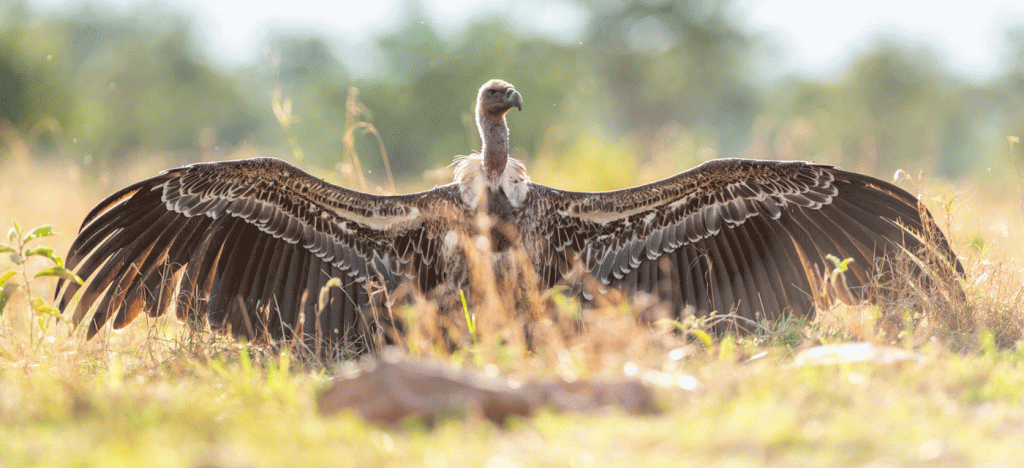
Although Serengeti National Park is famous for its large mammals and Great Migration its remarkable birdlife also makes it one of Africa’s outstanding birdwatching destinations. More than 500 bird species live across the Serengeti ecosystem, attracting birdwatchers, photographers, researchers and travelers interested in wildlife diversity.
Birds add color, sound and movement to every safari experience. Open grasslands, rivers, wetlands, acacia woodlands, rocky kopjes and forested areas provide different habitats where numerous species feed, breed and shelter. Even when travelers focus on lions, elephants or wildebeests birds remain active throughout the landscape.
Large ground birds such as ostriches and secretary birds stand out across the open plains. Ostriches the world’s largest birds can often run quickly across the grasslands while secretary birds walk through vegetation searching for snakes, insects and small animals.
Birds of prey create another spectacular sight. Eagles, hawks, falcons, kites and vultures soar above Serengeti while searching for prey or carcasses. Vultures also support the ecosystem by consuming carrion and helping keep the environment clean.
Colorful species such as lilac-breasted rollers, bee-eaters, kingfishers, hornbills and starlings provide excellent photography opportunities. Wetlands and rivers attract herons, storks, ibises and egrets.
The rainy season brings additional excitement as migratory birds arrive from Europe, Asia and other parts of Africa. During this period many species display vibrant breeding plumage.
For bird photographers, early mornings and late afternoons offer beautiful natural light. Serengeti’s birdlife proves that the ecosystem offers far more than famous predators and migration with every species contributing to its ecological balance and beauty.
Rare and Lesser-Known Wildlife
Beyond famous safari animals Serengeti contains many lesser-known species that contribute to ecosystem diversity.
Serval cats, aardwolves, civets, porcupines, mongooses, jackals and bat-eared foxes all inhabit different regions of the park.
These smaller animals are often difficult to spot but provide exciting experiences for experienced safari travelers.
Reptiles such as monitor lizards, snakes and tortoises also inhabit Serengeti.
Insects including butterflies, termites, beetles and ants play surprisingly important ecological roles.
Every species within Serengeti contributes to maintaining ecosystem balance.
Wildlife Behavior During Different Seasons
Wildlife behavior in Serengeti changes throughout the year depending on rainfall, migration, breeding patterns and food availability.
During dry season animals gather near water sources making wildlife easier to observe.
Predator activity increases because prey becomes concentrated.
Green season transforms the ecosystem into lush landscapes filled with newborn animals and migratory birds.
Migration movement also changes according to season.
Understanding seasonal wildlife patterns helps visitors plan better safari experiences.
Why Serengeti Wildlife Is Special
Wildlife in Serengeti is special because animals live within one of the last large intact ecosystems on Earth.
The park allows natural ecological processes to continue with minimal human interference.
Migration, hunting, reproduction, competition and survival all occur naturally.
Visitors experience authentic wildlife behavior rather than controlled or artificial encounters.
The sheer number of animals combined with breathtaking landscapes creates unforgettable safari experiences.
Serengeti also plays an important role in global conservation by protecting endangered species and supporting scientific research.
The ecosystem demonstrates how wildlife populations can survive successfully when habitats remain protected.
Frequently Asked Questions About Serengeti Wildlife
What wildlife can you see in Serengeti National Park?
You can see lions, elephants, leopards, cheetahs, wildebeests, zebras, giraffes, buffaloes, hippos, crocodiles, hyenas, gazelles, antelopes, baboons, monkeys and more than 500 bird species in Serengeti National Park.
What is the most famous animal in Serengeti?
The wildebeest is one of the most famous animals in Serengeti because millions of wildebeests participate in the Great Wildebeest Migration each year. Lions, elephants and cheetahs are also among the park’s most popular wildlife.
Can you see the Big Five in Serengeti?
Yes. Serengeti National Park supports all five Big Five animals: lions, leopards, elephants, buffaloes and rhinos. However rhinos are much rarer and more difficult to spot than the other four species.
Are lions easy to see in Serengeti?
Lions are relatively easy to encounter during Serengeti game drives because they often rest in open grasslands, near kopjes and beneath trees. Their visibility can vary depending on location, weather and season.
Can you see leopards in Serengeti?
Yes, leopards live in Serengeti, particularly around riverine forests, woodland areas and rocky habitats. They are more difficult to spot because they are solitary, secretive and often rest in trees.
When is the best time to see wildebeests in Serengeti?
The best time depends on the part of the migration you want to experience. January to March is excellent for the calving season in southern Serengeti and Ndutu while July to October is generally associated with the northern migration and river-crossing period.
Can you see cheetahs in Serengeti?
Yes. Cheetahs are found mainly in open grasslands where they can use their speed to hunt. The central and southeastern plains can provide good opportunities to observe these fast predators.
Are elephants common in Serengeti?
Elephants can be seen in several parts of Serengeti. They often move through grasslands, woodlands and areas near water sources, particularly during dry periods.
Can you see giraffes in Serengeti National Park?
Yes. Giraffes are commonly seen browsing on acacia and other vegetation across Serengeti. Their height makes them relatively easy to identify during game drives.
Where can you see hippos in Serengeti?
Hippos are commonly found in permanent rivers and pools particularly around areas with reliable water. They usually spend much of the day in water and leave their pools to feed at night.
Can you see crocodiles in Serengeti?
Yes. Nile crocodiles live in Serengeti rivers and are especially well known for waiting near river crossings during the Great Wildebeest Migration.
Are hyenas found in Serengeti?
Yes. Spotted hyenas are widespread across Serengeti. They are skilled hunters and scavengers and live in complex social groups called clans.
How many bird species are found in Serengeti?
More than 500 bird species have been recorded across the Serengeti ecosystem. These include ostriches, secretary birds, vultures, eagles, kingfishers, rollers, hornbills and many migratory species.
What smaller animals can you see in Serengeti?
Serengeti also supports servals, aardwolves, jackals, mongooses, civets, porcupines, bat-eared foxes, monitor lizards, tortoises and many other smaller species.
Is Serengeti good for wildlife photography?
Yes. Serengeti offers excellent wildlife photography opportunities because of its diverse animals, open landscapes, dramatic predator encounters, migration scenes and changing seasonal conditions.
What animals are easiest to see during a Serengeti safari?
Lions, zebras, wildebeests, giraffes, buffaloes, gazelles and many birds are among the animals commonly encountered during game drives. Sightings always depend on wildlife movement and natural conditions.
Does wildlife stay in the same area of Serengeti all year?
No. Many animals move according to rainfall, food, water availability and seasonal conditions. The Great Migration is the most dramatic example but predators and resident herbivores also change their movements throughout the year.
Why is Serengeti famous for wildlife?
Serengeti is famous for its enormous wildlife populations, diverse habitats natural predator-prey relationships and the Great Wildebeest Migration. The protected ecosystem allows animals to live and move naturally across vast landscapes.
Can Serengeti Travels help with wildlife viewing?
Yes. Serengeti Travels can help travelers plan Serengeti safaris based on wildlife interests, seasonal movements, preferred accommodation and the areas they want to explore.
Conclusion
Serengeti National Park remains one of the world’s greatest wildlife destinations because it protects an enormous ecosystem where nature continues to operate freely. The park supports remarkable biodiversity from powerful lions and elusive leopards to graceful giraffes, massive elephants, fast cheetahs, colorful birds and millions of migrating wildebeests.
Each species plays an important role in maintaining the Serengeti ecosystem. Predators regulate prey populations, while herbivores shape the grasslands through grazing. Seasonal rainfall, food availability and migration patterns continually influence how animals move across the plains.
Serengeti offers visitors the opportunity to observe wildlife behaving naturally in their environment. During a game drive, travelers may watch lions resting beneath acacia trees, elephants protecting their young, giraffes feeding among woodland areas or cheetahs searching for opportunities to hunt. Every encounter feels different because animal behavior changes with the season, weather, location and surrounding conditions.
The Great Migration demonstrates the extraordinary resilience of Serengeti wildlife. Millions of wildebeests, zebras and other herbivores travel across vast landscapes while predators follow their movements. These seasonal journeys create some of Africa’s most remarkable wildlife experiences.
Beyond unforgettable encounters, Serengeti also demonstrates the importance of conservation. Protecting habitats allows wildlife populations to thrive and preserves this natural heritage for future generations. Photographers, researchers, families and adventure travelers can all discover something meaningful within the ecosystem.
With Serengeti Travels visitors can explore this extraordinary wilderness while experiencing the beauty, diversity and natural rhythms of Tanzania. A Serengeti safari offers more than animal sightings; it creates a lasting connection with the natural world.