 English
 Deutsch
 Italia
December 16, 2025
How to Travel Responsibly on a Safari Adventure
Introduction
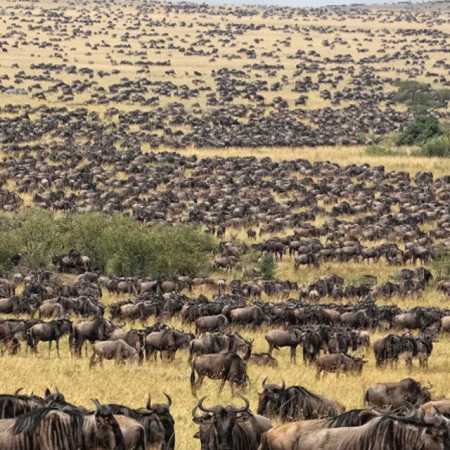
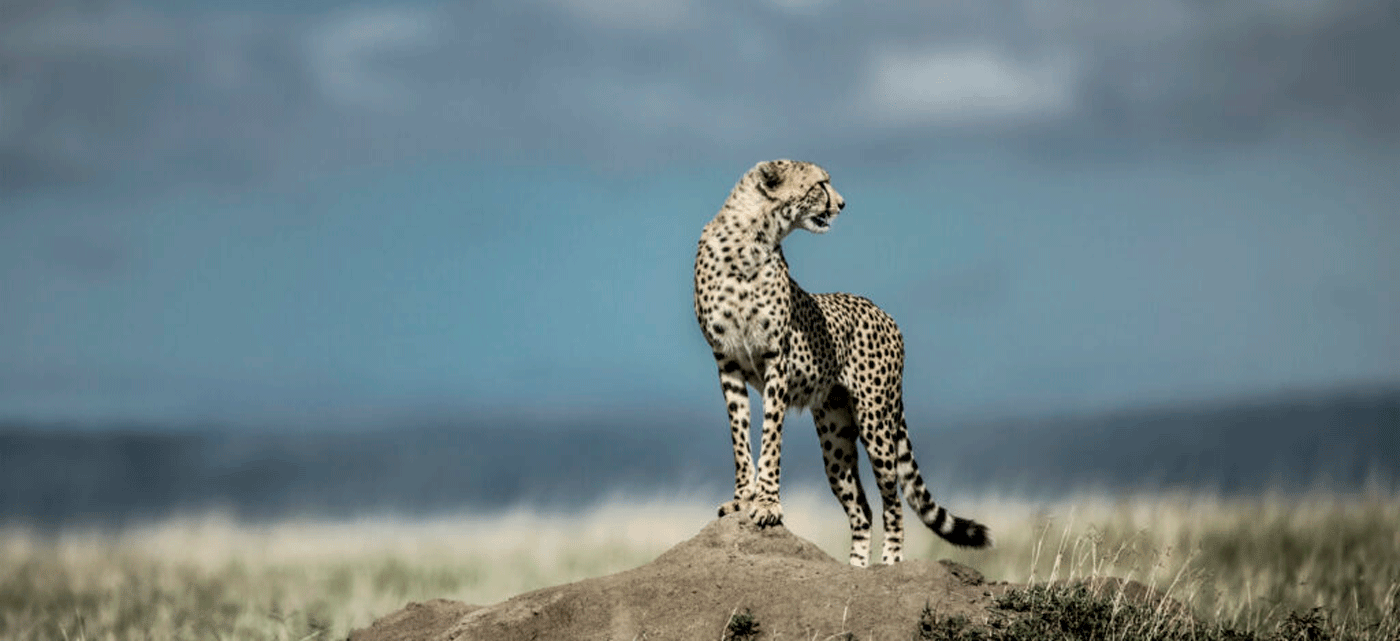
A safari adventure offers an unforgettable opportunity to explore Tanzania’s spectacular wildlife, landscapes and natural ecosystems while connecting with the destination in a meaningful way. How to Travel Responsibly on a Safari Adventure starts with understanding how your choices can affect wildlife, local communities and the environment. Every traveler has a role to play in protecting the places they visit, whether they explore the Serengeti, Ngorongoro Crater, Tarangire National Park or other remarkable destinations. Responsible travel involves more than following park rules it means making thoughtful decisions throughout the entire journey.
A responsible traveler respects wild animals by maintaining a safe distance, avoiding disruptive behavior and allowing wildlife to behave naturally. You can also protect Tanzania’s beautiful landscapes by reducing plastic waste, using water and energy carefully and avoiding activities that damage habitats. Choosing accommodation and safari operators that support conservation and local communities can further increase the positive impact of your trip.
Responsible safari travel also creates opportunities to support local people. Choosing locally owned businesses, purchasing appropriate handmade crafts, respecting cultural traditions and engaging with communities respectfully can help tourism provide meaningful economic benefits. At the same time avoiding illegal wildlife products helps reduce demand that can threaten vulnerable species.
When you travel responsibly your safari becomes more than a memorable holiday. You contribute to protecting ecosystems, supporting communities and preserving wildlife for future generations. By making conscious choices before and during your adventure you can enjoy Tanzania’s extraordinary wilderness while helping ensure that these natural treasures remain protected for many years to come.
Table of contents
- Introduction
- Choose a Responsible Safari Operator
- Respect Wildlife During Your Safari
- Follow National Park Rules and Regulations
- Reduce Plastic and Safari Waste
- Conserve Water and Energy
- Support Local Communities
- Respect Local Culture and Communities
- Practice Responsible Wildlife Photography
- Choose Sustainable Safari Accommodation
- Avoid Wildlife Products and Illegal Souvenirs
- Travel With Conservation in Mind
- Conclusion
Choose a Responsible Safari Operator
Choosing a responsible safari operator gives you an important opportunity to support sustainable tourism from the beginning of your journey. Before booking your safari research companies that demonstrate clear commitments to wildlife conservation, environmental protection and local communities. Look for operators that employ local guides and drivers, follow national park regulations, maintain their vehicles properly and encourage ethical wildlife viewing.
A responsible operator should explain how its safari activities affect the environment and local communities. Ask questions about waste management, accommodation choices, conservation initiatives and employment practices before making your booking. A transparent company should provide clear answers rather than making vague sustainability claims.
You should also consider the company’s approach to wildlife encounters. Responsible guides never pressure animals for better photographs or guarantee close encounters. Instead, they allow animals to behave naturally while maintaining appropriate distances. They understand that every safari encounter should protect wildlife rather than prioritize entertainment.
Choosing a locally based Tanzanian safari company can also help keep tourism income within the country. Local operators often employ Tanzanian guides, drivers, office staff and other service providers. They also purchase supplies and services from businesses within local communities.
When you choose a responsible safari operator you support a tourism model that values conservation and community benefits. Your booking can therefore contribute to protecting wildlife while supporting people who work and live around Tanzania’s remarkable safari destinations.
Respect Wildlife During Your Safari
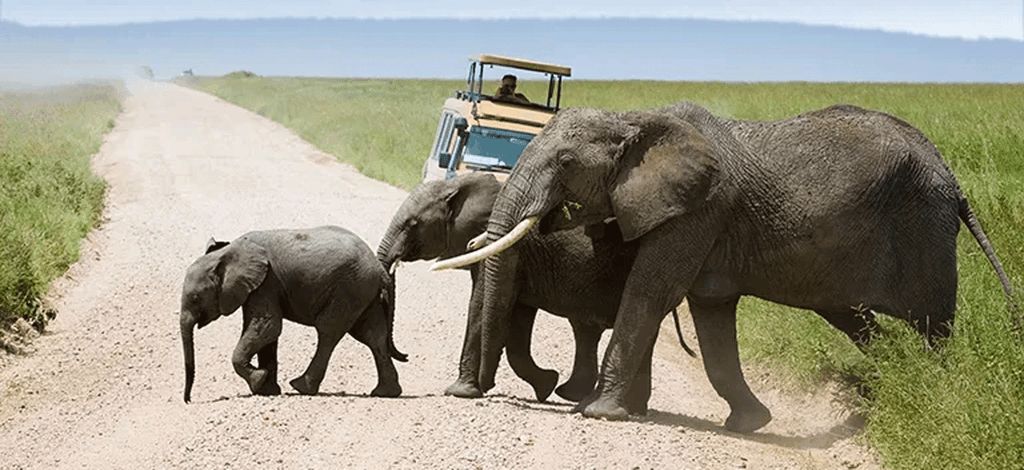
Respecting wildlife should remain one of your highest priorities throughout your safari. Wild animals need space to feed, rest, move and interact naturally so you should never allow excitement to interfere with their behavior. Your guide can help you maintain a safe and respectful distance while still giving you excellent opportunities to observe animals.
Never ask your driver to chase an animal or move aggressively toward wildlife simply to obtain a closer photograph. Such actions can disturb animals and interrupt important behaviors. Instead allow your guide to position the vehicle carefully and follow park regulations.
You should also avoid making loud noises to attract animals. Never shout, whistle, throw objects or attempt to feed wildlife. These actions can alter natural behavior and create safety concerns. Animals should never associate safari vehicles with food or human interaction.
Remain inside your vehicle unless your guide confirms that you can safely leave it in a designated area. Even animals that appear calm can react unexpectedly when people approach them. Your guide understands these risks and can tell you when you can safely move around.
Responsible wildlife viewing also requires patience. You may spend considerable time searching before finding a particular animal but that uncertainty forms part of the safari experience. Nature does not follow a schedule and every encounter becomes more authentic when you allow wildlife to behave naturally.
By respecting animals and following your guide’s instructions, you help protect Tanzania’s wildlife while creating a safer and more rewarding safari experience.
Follow National Park Rules and Regulations
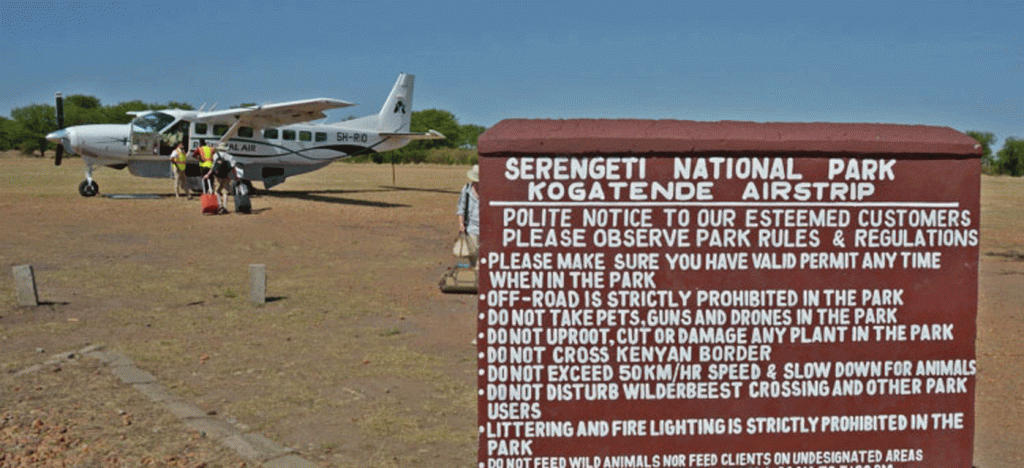
Following national park rules provides one of the simplest ways to travel responsibly during a safari. Tanzania protects its wildlife through national parks, conservation areas and other protected landscapes and these destinations depend on visitors following established regulations. Before entering a protected area listen carefully to your guide and understand the rules that apply to your safari.
Always follow designated routes and observe speed limits where authorities establish them. Driving responsibly reduces the risk of disturbing wildlife and helps protect vegetation. Avoid leaving approved roads unless regulations and conditions specifically allow it. Off-road driving can damage fragile habitats and create tracks that remain visible long after a vehicle leaves.
You should also respect restricted areas and avoid approaching wildlife in ways that violate park regulations. Your guide understands local rules and can explain how they affect wildlife viewing. Follow their instructions even when you feel tempted to get a better photograph or closer look.
Never leave rubbish behind in the park. Carry your waste with you until you reach an appropriate disposal point. Avoid removing natural objects such as plants, feathers, rocks or other materials from protected areas. These items belong to the ecosystem and can play important ecological roles.
You should also respect other safari vehicles. Avoid blocking another vehicle’s view or creating unnecessary congestion around an animal sighting. Give other visitors an opportunity to enjoy the experience while maintaining appropriate distances.
When every visitor follows the rules, parks can manage tourism more effectively and protect their ecosystems. Your cooperation therefore supports wildlife conservation and helps maintain Tanzania’s safari destinations for future travelers.
Reduce Plastic and Safari Waste
Reducing waste can make your safari more environmentally responsible. Safari destinations contain sensitive ecosystems and discarded plastic, food packaging, bottles and other rubbish can create risks for wildlife and damage natural landscapes. You can reduce your impact by preparing carefully before leaving for your safari.
Carry a reusable water bottle instead of relying on multiple disposable bottles. Many safari accommodations provide safe drinking water or refill stations although you should confirm the available facilities before your trip. A reusable bottle can reduce unnecessary plastic consumption throughout your journey.
You can also avoid products with excessive packaging. Choose reusable bags and containers when practical and pack only what you need. When you purchase snacks or personal items consider how much waste they will create during your safari.
Never throw rubbish from a safari vehicle. Keep wrappers, tissues, bottles and other waste inside the vehicle until your guide identifies an appropriate disposal point. If you visit a picnic area, campsite or viewpoint check the area before leaving and take your waste with you.
You should also handle batteries and electronic waste carefully. Do not leave used batteries in camps, vehicles or natural areas. Store them safely and dispose of them through appropriate facilities when you return to a location with suitable waste services.
Small changes can produce meaningful results when many travelers adopt them. A reusable bottle may seem like a minor choice, but thousands of visitors can prevent large quantities of plastic from entering the environment.
By reducing waste throughout your safari you help keep Tanzania’s landscapes clean and reduce potential dangers to wildlife.
Conserve Water and Energy
Conserving water and energy helps safari destinations manage their natural resources more sustainably. Many lodges and camps operate in remote environments where staff must carefully manage water supplies and energy systems. As a traveler you can support these efforts through simple daily habits.
Start by using water thoughtfully. Take reasonable showers instead of unnecessarily long ones and turn off taps while brushing your teeth. Follow the accommodation’s instructions regarding laundry and towels rather than requesting unnecessary daily washing.
You can also reduce energy consumption inside your accommodation. Turn off lights, fans, air conditioning and other electrical equipment when you leave your room. Disconnect chargers when you finish using them. These small actions can reduce unnecessary energy consumption during your stay.
Many safari camps use solar power or other energy-saving systems to reduce their environmental impact. When you select accommodation ask your safari operator about the property’s approach to energy and water conservation. You can then choose accommodation that aligns with your responsible travel goals.
You should also avoid wasting food and water during meals. Take reasonable portions and return for more if you remain hungry rather than taking excessive amounts that you may not finish.
Responsible travel does not require you to give up comfort. Instead it encourages you to use resources thoughtfully. You can enjoy a comfortable safari while recognizing that remote camps often operate with limited supplies.
When travelers conserve water and energy they help accommodation providers manage resources more effectively. These habits also encourage tourism businesses to continue investing in sustainable systems that protect Tanzania’s environment.
Support Local Communities
Supporting local communities allows your safari to create benefits beyond wildlife viewing. Tourism can provide employment, business opportunities and income for people living near Tanzania’s national parks and conservation areas. Your spending choices can therefore influence how tourism benefits local communities.
Choose locally owned safari companies, accommodations, restaurants, shops and other businesses when suitable options exist. Your spending can support local employees and suppliers while keeping more tourism revenue within the destination.
You can also purchase appropriate locally made souvenirs. Look for crafts, textiles, artwork, baskets, jewelry and other products made by local artisans. When possible purchase directly from legitimate local businesses or through reputable community initiatives.
Avoid buying products made from protected wildlife or endangered species. Do not purchase illegal ivory, animal parts or other prohibited wildlife products. Choosing ethical souvenirs allows you to support local creativity without contributing to wildlife exploitation.
Community visits can also provide meaningful cultural experiences when you approach them respectfully. Listen to local guides and community members, ask appropriate questions and follow their instructions. Remember that communities represent living cultures rather than tourist attractions.
You should also respect local workers who contribute to your safari. Guides, drivers, cooks, camp staff and other employees help create your experience and treating them with courtesy contributes to a positive tourism environment.
When you spend responsibly, your safari can support conservation and community development at the same time. Tourism works most effectively when local people see meaningful benefits from protecting the natural resources that attract visitors.
Your choices therefore extend beyond your personal experience. They can contribute to a tourism economy that supports people while protecting Tanzania’s extraordinary wildlife destinations.
Respect Local Culture and Communities
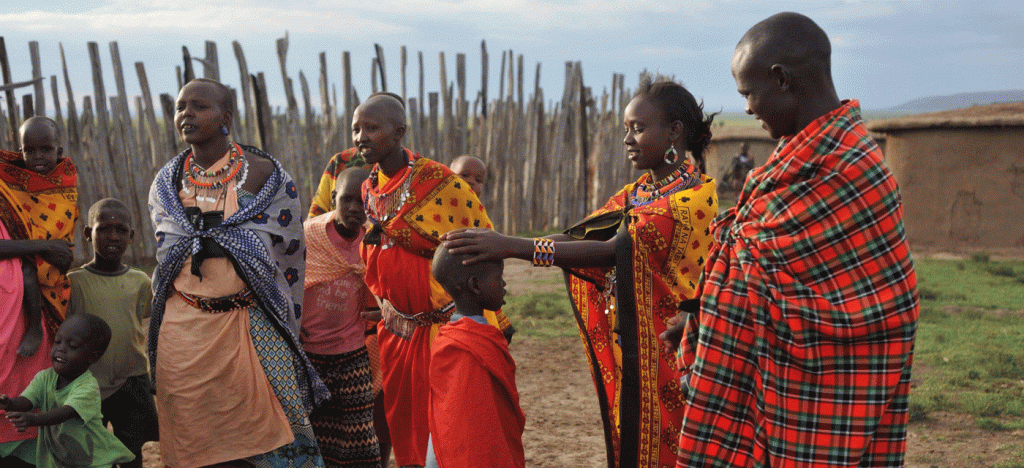
Responsible safari travel includes respecting the people and cultures you encounter. Tanzania contains diverse communities with different traditions, languages, lifestyles and cultural practices. Approach every cultural experience with curiosity rather than assumptions.
Ask for permission before photographing people. This becomes particularly important when photographing children or visiting homes, schools, markets or community projects. A simple request shows respect and allows people to decide whether they want to appear in your photographs.
Listen carefully when local guides explain cultural practices. Avoid making comparisons that portray one lifestyle as superior to another. Instead, use the opportunity to learn how people live, work, celebrate and interact with their environment.
Dress appropriately for the location and follow guidance from your guide or hosts. Some communities may have specific expectations regarding clothing, photography or behavior. Respecting those expectations helps create positive interactions.
You should also avoid giving gifts directly to children without guidance from your safari operator or community hosts. Unplanned handouts can create unintended problems and encourage children to approach visitors for gifts. If you want to support a community, ask your operator about established and responsible ways to contribute.
Cultural experiences become more meaningful when travelers treat local people as partners rather than attractions. Ask questions respectfully, listen to answers and recognize that you are visiting someone else’s community.
By respecting local cultures you help create positive relationships between visitors and residents. Responsible tourism should allow both travelers and communities to benefit from meaningful cultural exchange.
A safari can therefore teach you much more than wildlife identification. It can introduce you to people, traditions and perspectives that make Tanzania a richer destination.
Practice Responsible Wildlife Photography
Wildlife photography can preserve unforgettable safari memories, but photographers must place animal welfare before the perfect picture. Modern cameras make it easier to capture detailed images from a distance so use your equipment to observe wildlife without disturbing it.
Never ask your driver to chase an animal, block its path or move too close simply to improve a photograph. Your guide can position the vehicle responsibly while considering the animal’s behavior and the surrounding environment.
Avoid using flash when it could disturb wildlife. You should also avoid making loud noises or unusual movements to make animals look toward your camera. Allow animals to continue their natural activities without interference.
Patience can improve your photographs while also protecting wildlife. Instead of constantly repositioning the vehicle, wait and observe. Animals may eventually move into excellent positions naturally giving you authentic photographs without unnecessary disturbance.
Remember that you do not need to photograph every moment. Put your camera down occasionally and observe the scene directly. Watching a herd of elephants move across the landscape or seeing lions interact naturally can create memories that photographs cannot fully capture.
You should also respect other visitors during photography. Avoid blocking their views or monopolizing a wildlife sighting. Share the experience and allow other travelers opportunities to observe and photograph the animals.
Responsible photography means using technology without allowing it to control your behavior. Your photograph should document a natural moment rather than create one.
When you photograph wildlife responsibly you protect animals while preserving meaningful memories. You also demonstrate to other travelers that excellent photography and ethical wildlife viewing can exist together.
Choose Sustainable Safari Accommodation

Your choice of accommodation can influence the environmental and social impact of your safari. Lodges, tented camps and hotels use water, energy, food, transportation and other resources so choosing properties with responsible practices can support sustainable tourism.
Before booking accommodation ask your safari operator about its environmental policies. Find out whether the property uses solar energy, manages water responsibly, reduces plastic waste, recycles where possible and employs local residents.
Some safari camps operate with solar power to reduce reliance on conventional energy sources. Others use water-saving systems, locally sourced food, reusable materials and responsible waste-management practices. These measures can reduce the environmental footprint of your stay.
You can also support accommodation providers that contribute to local communities. Properties that employ local staff, purchase products from nearby suppliers or contribute to community initiatives can create wider economic benefits.
Responsible accommodation does not always mean choosing the most expensive lodge. Budget camps, mid-range properties and luxury lodges can all adopt responsible practices. Focus on how the property manages its resources and treats its surrounding environment.
During your stay cooperate with the accommodation’s conservation practices. Reuse towels when appropriate, avoid unnecessary laundry, conserve water and switch off electrical equipment when you leave your room.
Your accommodation becomes part of the overall safari experience, so consider sustainability alongside location, comfort and price. By supporting responsible properties you encourage tourism businesses to maintain environmentally and socially responsible practices.
A thoughtful accommodation choice can therefore make your safari more sustainable without reducing the enjoyment or comfort of your adventure.
Avoid Wildlife Products and Illegal Souvenirs
Responsible travelers should carefully consider every souvenir they purchase during a safari. Some wildlife products can contribute to illegal hunting, trafficking or exploitation while others may violate international or national laws. You can protect wildlife by choosing souvenirs that do not contain protected animal materials.
Never purchase illegal ivory, animal skins, bones, horns or other prohibited wildlife products. Even if a seller describes an item as legal, you should remain cautious and ask your guide for advice before purchasing anything that comes from an animal.
Instead choose locally produced souvenirs that celebrate Tanzania without harming wildlife. Handmade baskets, paintings, fabrics, carvings, jewelry and other crafts can provide meaningful reminders of your trip while supporting local artisans.
You should also consider the source of the products you purchase. Buying directly from legitimate businesses or reputable craft markets can help ensure that your money reaches the people who create the products.
Think carefully before purchasing anything made from natural materials. Some plants, shells, feathers or other materials may face restrictions depending on the destination and applicable laws. When in doubt ask your safari operator or guide.
Responsible shopping protects more than individual animals. It supports a broader conservation system by reducing demand for products that can encourage wildlife exploitation.
Your souvenir should represent a positive memory of Tanzania rather than contribute to environmental damage. By choosing ethical products you can support local creativity and businesses while avoiding items that may create problems when you travel internationally.
A thoughtful purchase can become a meaningful part of your safari story without compromising wildlife conservation.
Travel With Conservation in Mind
Conservation should remain at the heart of responsible safari travel. Tanzania protects vast areas of wildlife habitat through national parks, conservation areas, game reserves and community-managed landscapes. Tourism can help support these areas when visitors and operators follow responsible practices.
Your safari expenses can contribute to the wider tourism economy through park fees, accommodation, guiding services, transportation, food and other activities. These economic benefits can help sustain businesses and employment connected to wildlife tourism.
Before your safari learn about the destination you plan to visit. Understanding the landscape, wildlife, seasonal patterns and conservation challenges can make your experience more meaningful. You may also gain a deeper appreciation for why certain rules exist.
Ask your safari operator how it supports conservation. A responsible company should understand the importance of protecting habitats and wildlife and should encourage visitors to follow appropriate regulations.
You can also support reputable conservation organizations if you want to contribute beyond your safari expenses. Research organizations carefully and understand how they use donations before contributing.
Conservation requires cooperation between governments, communities, tourism businesses, conservation organizations, guides and visitors. Your role may seem small but responsible behavior helps create a culture that values protected areas.
When you travel with conservation in mind you begin to see a safari differently. The experience becomes more than a holiday focused on wildlife sightings. It becomes an opportunity to appreciate the ecosystems that support animals, plants and communities.
Your safari can therefore create lasting value when you combine enjoyment with responsibility. By respecting protected areas and supporting ethical tourism you help protect Tanzania’s natural heritage for future generations.
Frequently Asked Questions
1. How can I travel responsibly on a safari adventure?
Choose a responsible safari operator, follow park regulations, respect wildlife, reduce waste, conserve water and energy and support local communities.
2. Why is responsible wildlife viewing important?
Responsible wildlife viewing allows animals to behave naturally while reducing disturbance and helping protect Tanzania’s wildlife.
3. How can I reduce waste during a safari?
Carry a reusable water bottle, avoid excessive packaging, keep rubbish inside the safari vehicle and dispose of waste at appropriate facilities.
4. How can I support local communities during my safari?
Choose locally owned businesses, purchase appropriate locally made crafts, use local services and respect the communities and cultures you visit.
5. What should I avoid when photographing wildlife?
Avoid chasing animals, getting too close, using disturbing flash, making loud noises or asking your driver to position the vehicle unsafely for a photograph.
6. How can I conserve water and energy on safari?
Take reasonable showers, avoid unnecessary laundry, turn off lights and electrical equipment and follow your accommodation’s conservation practices.
7. How can I choose sustainable safari accommodation?
Ask about the property’s water and energy management, plastic reduction, waste practices, use of solar power and employment of local residents.
8. Should I buy wildlife products as souvenirs?
Avoid illegal wildlife products such as ivory, animal parts, skins, bones and horns. Choose locally produced crafts that do not harm wildlife.
9. Why should I follow national park regulations?
Park regulations help protect wildlife, vegetation, habitats and visitors while supporting the long-term conservation of Tanzania’s protected areas.
10. How does responsible tourism support conservation?
Responsible tourism can support conservation through tourism-related income, ethical wildlife viewing, community benefits and responsible use of protected areas.
Conclusion
Traveling responsibly can transform an ordinary safari into a meaningful journey that benefits wildlife, nature and local communities. By following park regulations, respecting wildlife, reducing waste, conserving water and energy and choosing responsible safari operators and accommodations you can reduce your environmental impact while enjoying Tanzania’s extraordinary wilderness. Supporting local businesses and respecting cultural traditions also helps ensure that tourism creates valuable opportunities for communities living around safari destinations.
A responsible safari does not require you to sacrifice adventure or comfort. Instead it encourages you to experience nature with greater awareness and appreciation. Whether you explore the Serengeti, Ngorongoro Crater, Tarangire National Park or other destinations your daily choices can contribute to protecting these remarkable places. When you understand How to Travel Responsibly on a Safari Adventure you can enjoy unforgettable wildlife encounters while helping preserve natural habitats for future generations.
At Serengeti Travels responsible tourism means creating memorable safari experiences while respecting Tanzania’s wildlife, environment and communities. By traveling thoughtfully and supporting sustainable tourism practices, you can leave a positive impact long after your safari ends. Your journey should not only give you incredible memories but also help protect the landscapes and wildlife that make Tanzania such a remarkable destination.