 English
 Deutsch
 Italia
May 28, 2026
How to Choose the Right Serengeti Safari Tour Operator in Tanzania
Introduction
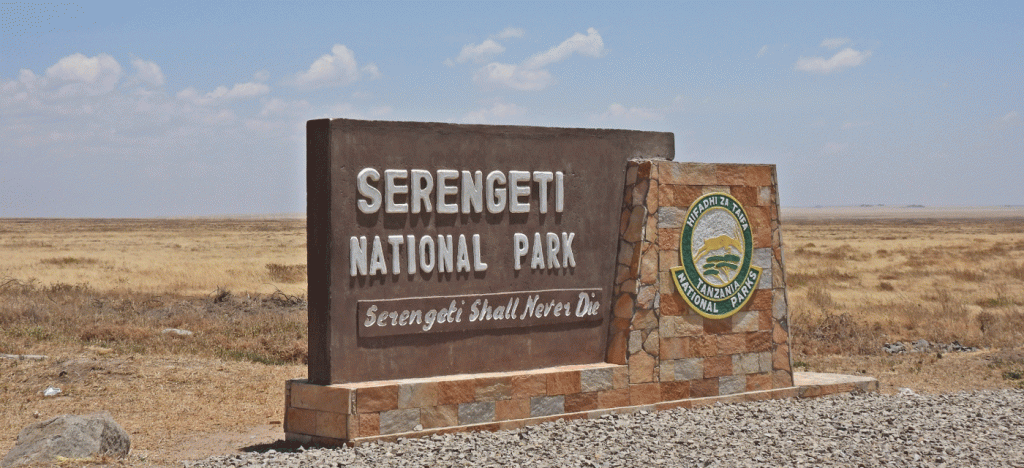
How to Choose the Right Serengeti Safari Tour Operator in Tanzania is an important consideration when planning a safari in Serengeti National Park. Planning a safari in Serengeti is an exciting experience, but the quality of the safari often depends on one important decision: choosing the right tour operator. Tanzania is one of the leading safari destinations in Africa, and every year thousands of travelers visit the Serengeti to witness the Great Migration, search for the Big Five and experience the beauty of African wildlife.
Because of this high demand, many safari companies operate in Tanzania, offering different packages, prices and service levels. Some operators provide excellent service with experienced guides and well-organized itineraries, while others may disappoint travelers through poor communication, hidden costs or low-quality safari experiences.
A safari is not only about transportation and accommodation. It is a complete travel experience that includes wildlife knowledge, guide expertise, safety, comfort, timing and proper planning. A skilled tour operator knows where animals are located during different seasons, how to avoid overcrowded safari routes and how to create a smooth journey from arrival to departure.
Choosing the wrong company can lead to delayed schedules, unreliable vehicles, poor accommodations or missed wildlife opportunities. This is why travelers should research carefully before making payments or confirming bookings.
Many first-time safari travelers focus only on price, but the cheapest safari is not always the best value. A lower price may mean fewer game drives, overcrowded vehicles, inexperienced guides or lower-quality accommodations. On the other hand, an expensive safari does not automatically guarantee excellent service.
The key is understanding how to evaluate safari operators professionally. Travelers should compare reviews, licenses, guide quality, itinerary structure, communication standards, vehicle conditions and customer support before making a final decision.
This guide explains the most important factors to consider when choosing a Serengeti safari tour operator in Tanzania. Each section provides detailed information that helps travelers understand what separates professional safari companies from unreliable ones. Whether planning a luxury safari, a mid-range adventure or a budget-friendly trip understanding these factors can help create a safer, smoother and more memorable Serengeti safari experience.
Table of contents
- Introduction
- Check If the Tour Operator Is Properly Licensed
- Read Verified Reviews Carefully
- Evaluate the Safari Guides
- Inspect the Safari Vehicles Carefully
- Compare Itineraries Carefully
- Understand the Pricing Structure
- Choose Operators With Strong Communication
- Consider Their Knowledge of Seasonal Wildlife Movements
- Ask About Safety and Emergency Procedures
- Look for Sustainable and Responsible Tourism Practices
- Conclusion
Check If the Tour Operator Is Properly Licensed
One of the first and most important steps when choosing a Serengeti safari operator is verifying whether the company is legally registered and licensed to operate in Tanzania. A licensed safari company shows that it follows tourism regulations and has met the legal requirements established by Tanzanian authorities.
Many travelers ignore this step because they assume all safari companies online are legitimate but unfortunately this is not always true. Some businesses operate without proper licenses which can create serious problems during the safari.
A licensed operator normally holds registration from the Tanzania Association of Tour Operators (TATO) and approval from the Ministry of Natural Resources and Tourism. These organizations help regulate safari operations and encourage professional tourism standards within the country.
Companies that are registered with recognized tourism associations are usually more accountable and committed to maintaining good service quality. Asking for registration documents may feel uncomfortable for some travelers but professional companies will not hesitate to provide proof of legitimacy.
Travelers should also confirm that the operator has a physical office in Tanzania. A real office location adds credibility and provides reassurance in case any issues arise before or during the safari. Some international resellers advertise Tanzanian safaris online without actually operating inside the country. While some resellers are trustworthy booking directly with local operators often improves communication and allows travelers to access local expertise more easily.
Another important factor is insurance coverage. Professional safari companies should carry vehicle insurance and public liability insurance. Since safari travel involves long-distance driving through remote wilderness areas proper insurance is extremely important for safety and emergency support. Travelers should also ask whether guides are professionally trained and certified.
Checking licenses and registration helps reduce risks such as scams, poor-quality services or financial disputes. A legally recognized safari company is more likely to provide reliable service, qualified staff and professional safari management. Taking time to verify these details before booking can protect travelers from unnecessary stress and improve confidence throughout the safari planning process.
Read Verified Reviews Carefully
Reviews play a major role in helping travelers choose the right Serengeti safari operator. In modern tourism online reviews provide valuable insights from people who have already experienced the safari services being advertised. Reading reviews carefully allows travelers to understand the strengths and weaknesses of different safari companies before making a financial commitment.
However travelers should not rely only on the testimonials displayed on the company’s own website because those reviews are usually selected to show only positive experiences.
The best approach is to compare reviews across several independent platforms such as TripAdvisor, SafariBookings, Google Reviews, travel forums and safari communities on Reddit. These platforms often contain detailed descriptions about guide performance, accommodation quality, communication standards, vehicle conditions and wildlife experiences. Looking at multiple sources helps travelers identify consistent patterns instead of focusing on isolated comments.
When reviewing feedback travelers should pay attention to specific details rather than only looking at star ratings. For example, repeated praise about knowledgeable guides, punctuality, comfortable vehicles and strong communication usually indicates a reliable safari operator. On the other hand, frequent complaints about hidden charges, last-minute itinerary changes, vehicle breakdowns or poor customer service should be considered warning signs.
It is also important to look at how recent the reviews are. A company that had excellent reviews five years ago may no longer maintain the same standards today. Recent reviews provide a more accurate picture of the operator’s current performance and service quality. Travelers should especially look for reviews from people with similar travel goals. For example photographers may value guide positioning skills while families may focus more on safety and accommodation comfort.
Another useful strategy is checking how safari operators respond to negative reviews. Professional companies usually address complaints respectfully and attempt to resolve issues constructively. Defensive or aggressive responses may suggest poor customer service attitudes.
Verified reviews can also reveal hidden advantages that are not mentioned in safari advertisements. Travelers often share valuable information about unexpected wildlife encounters, guide personalities, accommodation surprises or exceptional customer support during emergencies. Taking time to analyze reviews carefully can significantly improve the chances of choosing a trustworthy Serengeti safari company.
Evaluate the Safari Guides
Safari guides are among the most important factors influencing the quality of a Serengeti safari experience. Even with excellent accommodation and beautiful landscapes an inexperienced or unmotivated guide can reduce the overall value of the trip. In contrast a skilled guide can transform an ordinary safari into a memorable wildlife adventure filled with learning, excitement and unforgettable animal encounters.
A professional safari guide does much more than drive a vehicle through the park. Experienced guides understand animal behavior, migration patterns, bird species, ecosystems, weather conditions and the geography of Serengeti National Park. They know where wildlife is likely to be found during different times of the day and how to position vehicles for the best wildlife viewing and photography opportunities.
Their knowledge often determines whether travelers witness ordinary sightings or extraordinary safari moments. Communication skills are also extremely important.
A good guide should speak clear English and explain wildlife behavior in an engaging and understandable way. Travelers spend many hours each day with their guide, so personality and professionalism greatly influence the safari atmosphere. Friendly, patient and enthusiastic guides help create a more enjoyable experience for guests from different backgrounds.
Travelers should ask safari companies about guide qualifications before booking. Important questions include how many years of experience the guides have, whether they receive ongoing training and whether the same guide will remain with the travelers throughout the safari. Some operators use freelance guides during busy seasons, which may lead to inconsistent service quality. Companies with full-time professional guides usually maintain stronger service standards.
For specialized safaris such as photography tours, birdwatching expeditions or luxury experiences, guide expertise becomes even more important. Wildlife photographers often need guides who understand lighting, animal positioning and patience during sightings. Bird enthusiasts may prefer guides with advanced knowledge of East African bird species.
Safety is another key responsibility of safari guides. Experienced guides know how to navigate difficult roads avoid dangerous situations with wildlife and handle emergencies calmly. Since safaris take place in remote wilderness areas travelers depend heavily on guide judgment and decision-making skills.
Choosing a safari operator with highly trained and experienced guides greatly increases the chances of having a rewarding and educational Serengeti safari experience.
Inspect the Safari Vehicles Carefully
Safari vehicles are one of the most overlooked parts of safari planning yet they have a major impact on comfort, safety and wildlife viewing quality. During a Serengeti safari travelers may spend several hours each day inside the vehicle while searching for wildlife across large areas of the park. Because of this the condition and design of the safari vehicle can significantly affect the overall experience.
A professional safari operator understands this and invests in reliable, comfortable and well-maintained vehicles that are suitable for Tanzania’s rugged safari environment. Most professional operators in Tanzania use customized 4×4 Toyota Land Cruisers because they are strong enough to handle rough roads, muddy tracks, river crossings and long-distance game drives.
These vehicles are specifically modified for safari activities and usually include features such as pop-up roofs for wildlife viewing, large windows for photography, charging ports for cameras and phones, cool boxes or refrigerators for drinks and radio communication systems that allow guides to share wildlife sightings with one another.
Travelers should never hesitate to ask safari companies for recent photos of their vehicles. Some companies advertise modern safari cars online but use older or poorly maintained vehicles during the actual safari. Viewing current photos helps travelers evaluate cleanliness, seating arrangements, vehicle condition and overall comfort standards. A safari vehicle should appear clean, organized and professionally maintained.
Another important factor is passenger capacity. Some operators overcrowd vehicles to maximize profits, which can reduce comfort and make wildlife viewing difficult. In a crowded vehicle some passengers may struggle to see animals clearly or take good photographs. Professional operators often limit the number of travelers per vehicle to ensure everyone has window access and enough personal space during game drives.
Vehicle maintenance is also extremely important for safety and reliability. Serengeti roads can become difficult during rainy seasons and mechanical breakdowns in remote wildlife areas can disrupt the safari experience. Travelers should ask operators how frequently vehicles are serviced and whether backup vehicles are available in case of emergencies. Companies that prioritize maintenance usually provide smoother and more dependable safari experiences.
Comfort matters greatly during long game drives. Comfortable seats, suspension systems, proper ventilation and adequate storage space all contribute to a better safari journey. Travelers who choose high-quality vehicles often enjoy game drives more because they experience less fatigue during long days in the park.
Ultimately safari vehicles are not simply transportation tools. They are mobile viewing platforms that directly shape wildlife experiences, comfort levels, photography opportunities and travel safety throughout the Serengeti adventure.
Compare Itineraries Carefully
Many travelers assume that all Serengeti safari itineraries are similar but this is far from true. The structure of a safari itinerary greatly influences how much wildlife travelers see how comfortable the journey feels and how enjoyable the overall safari becomes. A poorly designed itinerary can lead to exhausting travel days, rushed game drives and limited wildlife experiences while a well-planned itinerary creates a balanced and rewarding adventure.
One of the first things travelers should examine is the amount of time spent inside Serengeti National Park itself. Some low-cost safari packages include only one night in Serengeti while spending long hours driving between parks. This often reduces the actual time available for wildlife viewing. Since Serengeti is one of the largest wildlife ecosystems in Africa travelers generally benefit from spending at least two or three nights in the park to experience different wildlife areas properly.
Driving distances are another critical factor. Tanzania’s safari circuit involves long journeys between destinations such as Arusha, Tarangire, Ngorongoro and Serengeti. Poorly planned itineraries may require travelers to spend most of the day driving instead of enjoying wildlife sightings. Professional safari operators design routes that balance travel time with meaningful game drive opportunities.
Travelers should review daily schedules carefully to understand how much time will actually be spent viewing wildlife.
Accommodation location also matters significantly. Some operators choose lodges or camps located far outside the main wildlife zones to reduce costs. While these options may appear cheaper initially they can reduce safari quality because travelers spend additional hours commuting into the park every morning. Lodges located inside or near key wildlife regions often provide better access to early morning and late afternoon game drives which are usually the best times for wildlife activity.
Travelers should also compare what is included in the safari package. Important inclusions may involve park fees, Ngorongoro Crater fees, meals, airport transfers, bottled water, domestic flights and accommodation upgrades. Transparent operators clearly explain these details before payment helping travelers avoid hidden costs later.
Seasonal timing should also influence itinerary design. For example travelers hoping to witness the Great Migration river crossings may need northern Serengeti itineraries during certain months while calving season safaris require southern Serengeti routes. Knowledgeable operators customize itineraries according to seasonal wildlife movements rather than using generic schedules throughout the year.
A carefully designed itinerary improves comfort, reduces unnecessary stress and maximizes wildlife experiences. Travelers should compare safari schedules thoroughly instead of focusing only on price or accommodation photos when selecting a Serengeti safari operator.
Understand the Pricing Structure
Safari pricing in Tanzania can vary dramatically depending on travel style, accommodation level, season, group size and transportation methods. Because of these differences many travelers struggle to understand why some Serengeti safari packages cost far more than others. Understanding safari pricing structures is essential because low prices may sometimes hide reduced service quality while expensive packages do not always guarantee excellent experiences.
The first thing travelers should understand is that Tanzanian safaris naturally involve high operational costs. National Park fees, conservation charges, fuel, guide salaries, vehicle maintenance, accommodation expenses and food services all contribute to safari pricing. Serengeti National Park itself has significant entry fees especially for international visitors which immediately affects package costs.
Safari packages are generally divided into several categories: budget safaris, mid-range safaris, luxury safaris, private safaris and fly-in safaris. Budget safaris usually involve shared vehicles, public campsites or basic tented accommodations. Mid-range safaris offer improved comfort with lodge stays or semi-luxury camps. Luxury safaris provide premium lodges, personalized services, gourmet meals and highly customized experiences.
Travelers should be cautious about unusually cheap safari offers. Extremely low prices may indicate hidden costs overcrowded vehicles, inexperienced guides, poor accommodations or reduced game drive time. Some operators advertise attractive base prices but later add extra charges for park fees, transfers or optional activities. Professional safari companies provide detailed quotations explaining exactly what is included and excluded in the package.
Seasonal demand also affects safari costs. Prices are usually higher during peak migration seasons, especially between July and October when river crossings attract large numbers of visitors. Luxury lodges and camps may become fully booked months in advance during these periods. Travelers with flexible schedules can sometimes save money by traveling during shoulder seasons while still enjoying excellent wildlife viewing.
Another major factor is transportation style. Fly-in safaris cost more because they involve domestic flights between parks but they reduce long driving hours and improve comfort. Road safaris are generally more affordable but may require extended travel times between destinations.
Travelers should also ask about payment methods, cancellation policies and refund conditions before booking. Professional operators provide secure payment systems and written agreements outlining financial terms clearly. Understanding these details helps avoid misunderstandings and protects travelers from unexpected expenses.
Choosing the right safari is not about finding the cheapest option. It is about identifying the best balance between price, comfort, service quality, wildlife experience and overall value.
Choose Operators With Strong Communication
Communication quality before booking is one of the strongest indicators of how a Serengeti safari operator will handle your entire trip. A professional safari experience starts long before you arrive in Tanzania. From the first inquiry email or WhatsApp message the way an operator responds tells you a lot about their reliability, organization and customer care standards.
Many travelers focus only on price and itinerary but communication is often the factor that separates smooth well-managed safaris from stressful or poorly coordinated ones.
A good safari operator should respond quickly usually within a few hours or at most one business day. Delayed responses or unclear answers can be a warning sign of poor internal organization. Since safaris involve complex logistics such as park permits, accommodation bookings, vehicle arrangements and guide scheduling, slow communication before booking may lead to bigger problems during the actual safari.
Clarity is equally important. Professional operators should be able to explain their safari packages in detail without confusion. This includes clearly breaking down what is included in the price, such as park fees, accommodation, meals, transportation, airport transfers and guide services. If an operator provides vague answers or avoids specific details it may indicate hidden costs or lack of transparency.
Another strong communication indicator is willingness to customize itineraries. Every traveler has different preferences some want photography-focused safaris, others prefer luxury lodges, while some prioritize budget travel or family-friendly experiences. A reliable operator should be flexible enough to adjust itineraries based on these needs instead of offering only fixed packages. This flexibility shows experience and customer-oriented service.
Professional safari companies also use clear communication channels such as email, WhatsApp and official websites. They maintain organized records of conversations, quotations and booking confirmations. This helps prevent misunderstandings later in the planning process. Travelers should always request written confirmations of all agreements to ensure clarity and avoid disputes.
Another important factor is honesty in communication. Trustworthy operators do not exaggerate wildlife sightings or guarantee unrealistic experiences. For example while the Great Migration is a natural event, its exact location changes daily and professional operators should explain this realistically instead of promising exact river crossings or animal encounters.
Good communication also includes providing pre-safari guidance. Reliable operators usually share detailed information about packing lists, visa requirements, health precautions, weather conditions and travel tips. This helps travelers prepare properly and reduces stress upon arrival.
In summary strong communication reflects professionalism, honesty and organizational strength. Choosing a safari operator that communicates clearly and consistently ensures a smoother planning process and a more enjoyable Serengeti safari experience from start to finish.
Consider Their Knowledge of Seasonal Wildlife Movements
One of the most important advantages of working with an experienced Serengeti safari operator is their understanding of seasonal wildlife movements. The Serengeti ecosystem is dynamic and animal locations change throughout the year depending on rainfall patterns, grazing conditions and migration cycles. Without this knowledge even well-planned safaris may miss major wildlife events or end up in areas with fewer animal sightings.
The most famous wildlife event in Serengeti is the Great Migration where millions of wildebeest, zebras and gazelles move across the ecosystem in search of fresh grazing and water. However, this migration does not stay in one fixed location. Instead, it follows a circular route between the southern Serengeti, central Serengeti, western corridor and northern regions near the Mara River. Each season offers different wildlife experiences and understanding this pattern is essential for successful safari planning.
From December to March the southern Serengeti and Ndutu area are typically filled with wildebeest calving activity. This is one of the best times to witness predator-prey interactions, as lions, cheetahs and hyenas are highly active during this period. Between April and June herds begin moving toward the western corridor where dramatic river crossings and lush landscapes become more common.
From July to October the northern Serengeti becomes the focal point for Mara River crossings one of the most dramatic wildlife events in the world.
A knowledgeable safari operator uses this seasonal information to design itineraries that match wildlife movements. Instead of offering fixed routes all year they adjust travel plans based on where animals are likely to be located. This significantly increases the chances of seeing major wildlife events rather than spending time in areas with limited activity.
Experienced operators also understand daily animal behavior. For example predators are often more active during early morning and late afternoon hours while herbivores may gather near water sources at specific times of day. Skilled guides use this knowledge to position vehicles in optimal viewing locations improving wildlife sightings and photography opportunities.
Seasonal knowledge also helps avoid overcrowded areas. During peak migration periods some locations become heavily visited by tourists. Professional operators know alternative routes and quieter viewing points that still offer excellent wildlife experiences without large crowds.
Weather conditions also influence safari planning. Rainy seasons may affect road access, river levels and animal movement patterns. Experienced operators adjust itineraries accordingly to maintain safety and maximize wildlife viewing opportunities.
Ultimately an operator with deep knowledge of seasonal wildlife movements provides a far richer and more successful Serengeti safari experience. Their expertise ensures travelers are in the right place at the right time greatly increasing the chances of witnessing extraordinary wildlife moments.
Ask About Safety and Emergency Procedures
Safety is one of the most important yet often overlooked aspects of choosing a Serengeti safari operator. While safaris are generally safe when managed by professionals, they take place in remote wilderness areas where unexpected situations can occur. These may include vehicle breakdowns, sudden weather changes, medical emergencies or wildlife-related incidents. A responsible safari operator must have clear safety systems and emergency procedures in place to protect travelers at all times.
The first thing travelers should ask is whether safari vehicles are equipped with communication systems. Most professional operators use radios or satellite communication devices that allow guides to stay connected with other vehicles and base offices. This communication network is essential for sharing wildlife sightings, requesting assistance or responding quickly to emergencies in remote areas where mobile phone signals are often unavailable.
Another important safety factor is guide training. Professional safari guides should be trained in first aid and emergency response procedures. Since medical facilities are far from most national parks, guides may need to provide immediate assistance before evacuation is possible. First aid knowledge can make a significant difference in handling injuries, allergic reactions or sudden illnesses during safari travel.
Vehicle safety and backup plans are also essential. Reliable safari operators regularly service their vehicles to reduce the risk of breakdowns. However, because safari routes often pass through rough terrain operators should also have backup vehicles available. Travelers should ask what happens if a vehicle breaks down deep inside the park and how quickly replacement assistance can arrive.
Emergency evacuation procedures are another key consideration. In serious medical cases some operators coordinate air evacuation services to major hospitals in Arusha or Dar es Salaam. Understanding whether such services are available provides peace of mind especially for older travelers or those with health conditions.
Wildlife safety guidelines are also important. Experienced guides are trained to maintain safe distances from animals, interpret animal behavior and avoid risky situations. Travelers should always follow guide instructions especially during close wildlife encounters.
Insurance coverage is another critical factor. Professional operators usually carry liability insurance that protects both travelers and staff in case of accidents. Travelers should confirm whether insurance is included in the safari package or if additional coverage is recommended.
Clear safety communication before and during the safari helps build trust and confidence. Operators that openly discuss safety measures demonstrate professionalism and responsibility. Choosing a company with strong safety systems ensures a more secure and stress-free Serengeti safari experience.
Look for Sustainable and Responsible Tourism Practices
Sustainable tourism is becoming increasingly important in Serengeti and across Tanzania. Responsible safari operators recognize that protecting wildlife, supporting local communities and minimizing environmental impact are essential for preserving the ecosystem for future generations. Travelers who choose ethical safari companies not only enjoy a better experience but also contribute positively to conservation efforts and community development.
One of the key indicators of responsible tourism is how a safari operator interacts with local communities. Ethical companies employ local guides, drivers, cooks and support staff whenever possible. This creates employment opportunities and ensures that tourism revenue directly benefits people living near wildlife areas. Some operators also support education programs, healthcare initiatives and community development projects in rural areas around Serengeti.
Environmental responsibility is another major factor. Professional safari operators take steps to reduce their ecological footprint by minimizing plastic waste, using reusable water containers and ensuring proper waste disposal in camps and lodges. Some companies also promote eco-friendly accommodations that use solar power, water-saving systems and sustainable building materials.
Wildlife conservation practices are equally important. Responsible operators follow strict guidelines when observing animals, maintaining safe distances, and avoiding any behavior that disturbs wildlife. Guides are trained to respect animal habitats and avoid off-road driving in restricted areas. This helps preserve natural behavior patterns and reduces stress on wildlife populations.
Ethical tourism also includes education. Many professional safari guides provide valuable information about ecosystems, animal behavior, conservation challenges and the importance of protecting natural habitats. This educational aspect enhances the safari experience and helps travelers develop a deeper appreciation for the Serengeti ecosystem.
Another sign of a responsible operator is collaboration with conservation organizations. Some safari companies contribute directly to anti-poaching efforts, wildlife research or park management initiatives. Supporting these operators ensures that tourism revenue plays a role in protecting endangered species and maintaining ecological balance.
Travelers should also consider how operators manage cultural interactions. Respectful tourism practices ensure that visits to local villages or cultural experiences are conducted in a way that preserves dignity, authenticity and mutual benefit rather than exploitation.
Choosing a sustainable safari operator helps ensure that tourism contributes positively to Tanzania’s environment and communities. It also enhances the traveler’s experience by providing more meaningful, ethical and environmentally conscious safari adventures.
Frequently Asked Questions
1. How do I choose the right Serengeti safari tour operator in Tanzania?
Choose a licensed and reputable operator with positive recent reviews, experienced safari guides, well-maintained 4×4 vehicles, transparent pricing, clear communication, strong safety procedures and well-planned itineraries.
2. Is Serengeti Travels a local safari tour operator in Tanzania?
Yes, Serengeti Travels is a Tanzania-based safari tour company offering professionally organized Serengeti safari experiences with local guides and customized itineraries.
3. How can I verify if a Serengeti safari company is legitimate?
Check whether the company is legally registered and licensed to operate in Tanzania. You can also review its official contact information, physical office presence, independent customer reviews and membership in recognized tourism organizations.
4. Why are safari guides important when choosing a tour operator?
Experienced guides have knowledge of wildlife behavior, animal movements, park routes and seasonal conditions. Their expertise can improve wildlife viewing, photography opportunities, safety and the overall safari experience.
5. What should I look for in a Serengeti safari vehicle?
Look for a well-maintained 4×4 safari vehicle with comfortable seating, a pop-up roof, good visibility, sufficient passenger space and appropriate safety and communication equipment.
6. How many days should I spend on a Serengeti safari?
The ideal length depends on your interests and budget. Spending at least two or three nights in the Serengeti can provide more opportunities for game drives and wildlife viewing than a very short visit.
7. How do I compare Serengeti safari prices?
Compare what each package includes, such as park fees, accommodation, meals, transportation, guide services, airport transfers and game drives. Do not choose an operator based only on the cheapest advertised price.
8. What is the best time to visit Serengeti for the Great Migration?
The best time depends on the specific stage of the migration you want to see. Northern Serengeti is particularly associated with Mara River crossings, while southern Serengeti and Ndutu are important during the calving season.
9. Should I read reviews before booking a Serengeti safari?
Yes. Read recent reviews from independent platforms and look for repeated comments about guides, vehicles, communication, accommodation, itinerary planning and customer service.
10. What safety questions should I ask a safari operator?
Ask about vehicle maintenance, guide training, communication equipment, emergency procedures, backup vehicles, insurance and arrangements for medical emergencies or evacuation.
11. Can a Serengeti safari operator customize my itinerary?
Many professional operators can customize itineraries according to your travel dates, budget, preferred accommodation, wildlife interests, number of travelers and transportation preferences.
12. Why is communication important when booking a Serengeti safari?
Clear communication helps ensure that travelers understand the itinerary, price, inclusions, accommodation, payment terms and travel arrangements before the safari begins.
Conclusion
Choosing the right Serengeti safari tour operator is the foundation of a successful safari experience in Tanzania. Serengeti Travels is a local tour company that helps travelers explore the Serengeti through professionally organized safaris, experienced guides and carefully planned itineraries. Serengeti is not simply a travel destination it is a vast and dynamic wildlife ecosystem where timing, local knowledge and professional coordination can greatly influence your experience.
The difference between an average safari and an unforgettable one is often the expertise of the company organizing your journey. A reliable operator should provide experienced safari guides, well-maintained 4×4 vehicles, clear communication, realistic itineraries and dependable safety arrangements. These elements allow travelers to enjoy the Serengeti comfortably while reducing unnecessary stress and logistical problems.
Wildlife movements also change throughout the year, while weather conditions and road accessibility can vary between seasons. Serengeti Travels can help travelers plan their safari according to seasonal wildlife patterns, whether they are interested in the Great Migration, Big Five sightings or exploring different areas of the Serengeti.
Responsible tourism is another important consideration when choosing a safari company. Travelers should look for operators that respect wildlife, support conservation and contribute positively to local communities. Choosing a local company such as Serengeti Travels can provide valuable local knowledge while supporting Tanzania’s tourism industry.
Ultimately, selecting the right tour operator is an investment in your safari experience. With proper planning, professional guidance and local expertise from Serengeti Travels, travelers can enjoy a safe, well-organized and memorable Serengeti safari.