 English
 Deutsch
 Italia
May 22, 2026
Group Safari vs Solo Travel in Serengeti Pros and Cons
Introduction
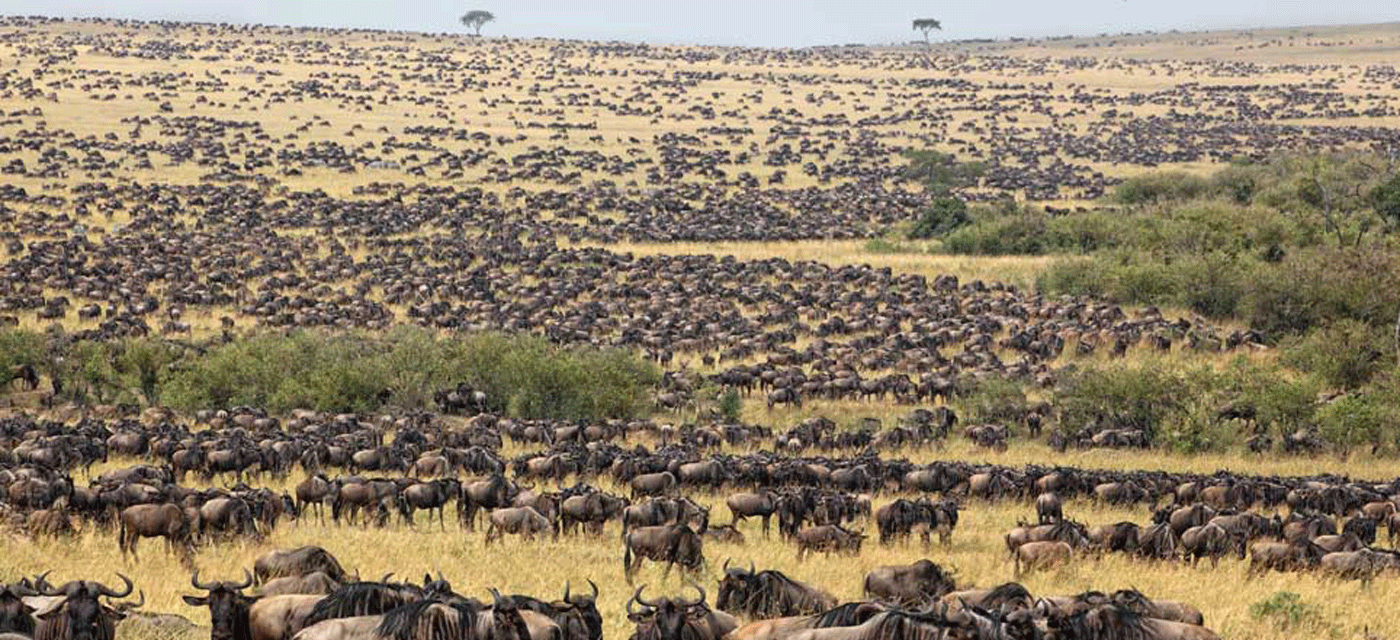
Group Safari vs Solo Travel in Serengeti Pros and Cons is an important comparison for travelers planning to explore Serengeti National Park in Tanzania one of the world’s most iconic wildlife destinations known for its endless golden plains, rich biodiversity and the dramatic Great Migration of wildebeest, zebras and gazelles. Every year thousands of travelers visit this remarkable ecosystem to witness close encounters with lions, elephants, leopards, giraffes and many other wild species in their natural habitat.
Because of its size, diversity and remote wilderness setting planning a safari in the Serengeti requires important decisions that can greatly shape the overall experience.
One of the most significant choices travelers face is whether to join a group safari or book a solo (private) safari. This decision influences not only the cost of the trip but also the level of comfort, flexibility, privacy and interaction you will experience during your journey.
A group safari typically involves sharing a vehicle, guide and itinerary with other travelers, making it more structured and budget-friendly. In contrast a solo or private safari offers a more personalized approach where the traveler has exclusive use of a vehicle and guide, allowing greater control over timing, routes and activities.
Both travel styles provide access to the same national park and incredible wildlife experiences, but the way you experience them can feel very different. Group safaris often emphasize social interaction, shared excitement and affordability while solo safaris focus on independence, privacy and deeper immersion in nature.
Understanding the strengths and limitations of each option is essential before making a booking. The right choice depends on your travel personality budget and the type of safari experience you want to create in the Serengeti.
Table of contents
- Introduction
- Group safari
- Group safari cons
- Solo safari
- Solo safari cons
- Frequently Asked Questions for Group Safari vs Solo Travel in Serengeti Pros and Cons
- Is a group safari or solo safari better in the Serengeti?
- What is the main difference between a group safari and a solo safari in the Serengeti?
- Is a group safari in the Serengeti cheaper than a private safari?
- Are group safaris safe in the Serengeti?
- Is a private Serengeti safari worth the extra cost?
- Can I choose where to go on a private Serengeti safari?
- Do group safaris have fixed schedules?
- Are private safaris in the Serengeti good for photographers?
- Can solo travelers join a group safari in the Serengeti?
- Which safari is better for first-time visitors to the Serengeti?
- What are the disadvantages of a group safari?
- What are the disadvantages of a private safari?
- Does a private safari guarantee better wildlife sightings?
- Which is better for families, group or private safari?
- Can I book a private Serengeti safari with Serengeti Travels?
- Conclusion
Group safari
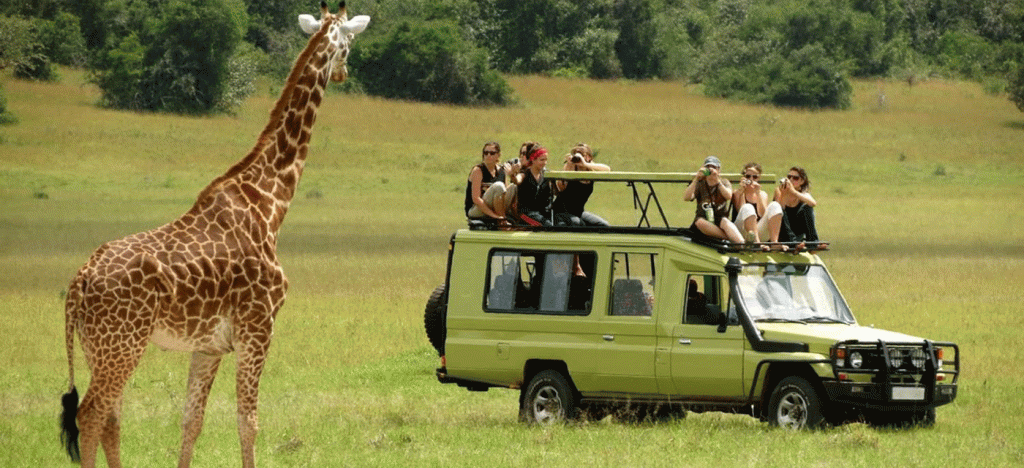
A group safari in the Serengeti is a shared travel experience where multiple travelers join together in one safari vehicle usually organized by a tour operator with a fixed itinerary. This type of safari is designed to be efficient, affordable and accessible making it one of the most popular options for visitors to Tanzania, especially first-time travelers and those on a limited budget.
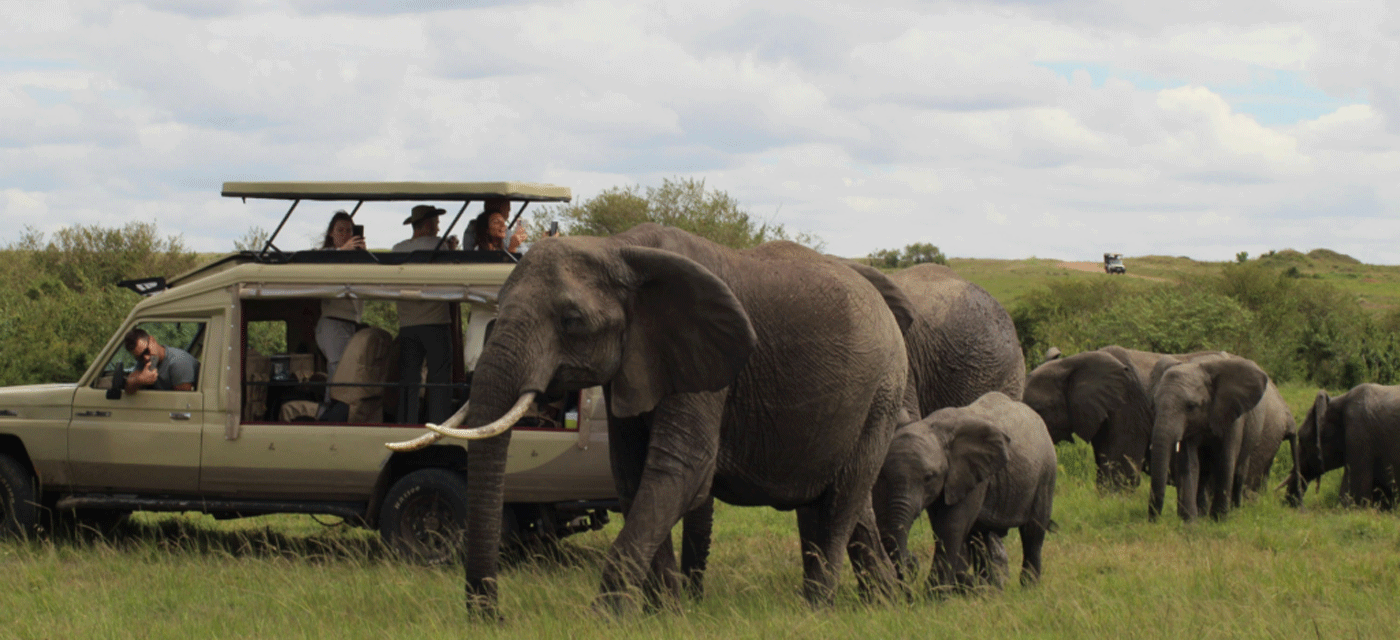
In a typical group safari participants share key resources such as transportation, a professional guide and sometimes accommodation arrangements. The safari vehicle is often a specially designed Land Cruiser or minibus with a pop-up roof for wildlife viewing. Because the costs of fuel, park fees and guide services are divided among several people the overall price per person becomes significantly lower compared to a private safari.
Group safaris usually follow a structured schedule that includes daily game drives, meal times and lodge or camp stays. Everything is pre-planned from park entry permits to accommodation bookings which removes the stress of organizing the trip individually. This makes group safaris especially convenient for travelers who prefer a smooth well-organized experience without needing to manage logistics themselves.
Another defining feature of group safaris is the social aspect. Travelers share the journey with others from different backgrounds, creating opportunities for interaction, shared excitement and cultural exchange. Watching wildlife together often enhances the emotional impact of the experience.
However, group safaris also come with limitations such as reduced flexibility and less personal space. Despite this they remain an excellent option for those seeking an affordable, structured and socially engaging way to explore the Serengeti.
Lower Cost Advantage
One of the biggest advantages of a group safari in Serengeti is affordability. Safaris in Tanzania can be expensive due to park entry fees, fuel costs, vehicle maintenance, guide services and accommodation charges. When you join a group safari all these costs are shared among several travelers which significantly reduces the price per person.
This shared-cost model makes Serengeti accessible to budget travelers, students, backpackers and first-time visitors who want a real safari experience without paying for a fully private package. The more people in the vehicle the lower the individual cost becomes making it one of the most cost-efficient ways to explore the park.
Group safaris often include bundled packages that cover transportation, accommodation, meals and game drives. This removes the need for separate bookings and helps travelers avoid unexpected expenses. The pricing is usually fixed which also makes budgeting easier and more predictable.
Another financial benefit is that group safaris often use mid-range lodges or tented camps that have negotiated group discounts with tour operators. This allows travelers to stay in comfortable accommodations at lower rates than private bookings.
However the lower cost comes with trade-offs such as less flexibility and shared space. Despite this many travelers find the affordability worth it because it allows them to experience the Serengeti without financial pressure. In summary group safaris are the most budget-friendly way to experience Serengeti while still enjoying full wildlife access and guided game drives.
Social Experience and Shared Adventure
A major benefit of group safaris is the social experience they provide. Travelers from different countries, backgrounds and cultures come together in one vehicle creating a shared adventure atmosphere. This makes the journey more interactive and often more enjoyable for people who like meeting new friends while traveling.
During game drives group members often collaborate by spotting animals, sharing binoculars and taking photos for one another. When wildlife sightings occur such as a lion hunt or a herd of elephants crossing the plains the excitement is amplified because everyone experiences it together. This shared reaction creates lasting memories and a sense of connection among travelers.
Meals and camp evenings also provide opportunities for conversation, storytelling and cultural exchange. Many travelers find that they learn as much from fellow tourists as they do from the guide. These interactions can lead to friendships that continue even after the safari ends.
Group safaris are also helpful for solo travelers who do not want to feel isolated. Instead of traveling alone they become part of a temporary community which can make the experience more comfortable and engaging.
However, the social aspect can also mean less privacy and occasional differences in group personalities. Some travelers may prefer quiet moments while others may be more energetic or talkative.
Safety and Easy Organization
Group safaris offer a high level of safety and convenience especially for first-time visitors to Tanzania. The Serengeti is a vast wilderness area, and navigating it without experience can be challenging. Group safaris eliminate this concern by providing professional guides, structured itineraries and well-maintained safari vehicles.
Experienced guides are trained in wildlife behavior, navigation and safety procedures. They know how to approach animals safely and how to respond in unexpected situations. Traveling with a group adds an additional layer of reassurance because help is always nearby if needed.
Organization is another major advantage. Everything is pre-arranged, including park permits, accommodation, meal schedules and game drive routes. Travelers do not need to worry about logistics or planning daily activities. This makes the safari experience stress-free and easy to enjoy.
Transportation is also coordinated efficiently. Group vehicles are designed for rough terrain and are regularly maintained reducing the risk of breakdowns. Tour operators handle all technical and administrative details allowing travelers to focus on wildlife viewing. In case of emergencies group safaris provide immediate support. Whether it is a medical issue or vehicle problem assistance is easier to access due to shared resources and guide experience.
While this structured approach reduces flexibility it greatly increases peace of mind. For many travelers especially those new to African safaris this balance of safety and simplicity is a key advantage.
Group safari cons
Limited Flexibility
One of the main disadvantages of group safaris is the lack of flexibility. All activities are planned in advance and must follow a fixed schedule that suits the entire group. This means individual preferences are often secondary to the overall itinerary.
Game drives start and end at specific times and stops are determined by group consensus or guide decisions. If you want to spend more time observing a particular animal or area you may not have the freedom to do so. The group must move together according to the schedule.
Meal times, lodge check-ins and travel routes are also fixed. There is little room for spontaneous changes or personalized adjustments. This can be frustrating for travelers who prefer a slower pace or more control over their experience.
Photography enthusiasts may find this especially limiting as lighting conditions and animal behavior often require patience and flexibility. In a group setting you must compromise based on the needs of others. Although this structure ensures efficiency and coordination it reduces individuality. Travelers who value independence may feel restricted by the group format.
Crowding and Reduced Personal Attention
Another disadvantage of group safaris is the shared space inside the safari vehicle. Most group vehicles are filled to capacity meaning travelers must share viewing windows and limited movement space. This can affect comfort especially during long game drives.
When wildlife is spotted everyone in the group tries to get a good view or photograph. This can create minor competition for positions in the vehicle. Unlike private safaris where you control positioning group safaris require coordination and patience. The guide’s attention is also divided among all passengers. While guides are skilled at managing groups they cannot always provide detailed individual explanations or focus on one traveler’s specific interests.
This reduced personalization can affect the depth of the experience. Some travelers may want detailed information about animal behavior or photography tips but the guide must balance the needs of the entire group. Additionally differences in group personalities can influence the experience. Some travelers may prefer long stops while others want quick movement leading to compromises.
Despite these challenges many travelers still enjoy group safaris because of their affordability and social benefits. However those seeking privacy and tailored experiences may find this aspect limiting.
Solo safari
A solo safari in the Serengeti often referred to as a private safari is a personalized travel experience where an individual traveler or a small private group has exclusive use of a safari vehicle and guide. Unlike group safaris this option offers complete control over the itinerary, pace and overall experience making it ideal for travelers who value flexibility, privacy and a deeper connection with nature.
In a solo safari every aspect of the journey can be customized. Travelers can decide where to go, how long to stay in certain areas and what type of wildlife to focus on. Whether your interest is in tracking big cats witnessing the Great Migration birdwatching or capturing professional-level photographs a private safari allows you to tailor the experience to your specific goals.
There are no fixed schedules or group compromises which means you can spend extra time at a wildlife sighting or change plans based on real-time conditions.
Another key advantage is the level of personal attention from the guide. Since the guide is dedicated solely to you the experience becomes more interactive and informative. You can ask detailed questions, request specific routes and gain deeper insights into animal behavior and the Serengeti ecosystem.
Solo safaris also offer a more peaceful and immersive atmosphere. Without the presence of other travelers you can enjoy quiet moments in the wilderness enhancing the emotional and sensory experience of the safari. However, this exclusivity comes at a higher cost and often requires more planning. Despite this, solo safaris are perfect for travelers seeking a premium, flexible, and highly personalized Serengeti adventure.
Full Freedom and Custom Experience
Solo or private safaris offer complete freedom making them the most flexible way to explore Serengeti. Travelers can design their own itinerary based on personal interests, such as focusing on predators, migration herds, birdwatching or photography. Unlike group safaris, there are no fixed schedules. You decide when to start game drives, how long to stay at sightings and which areas of the park to explore. This allows for a highly personalized experience.
If you find a lion pride or a cheetah hunting you can spend as much time as you want observing the behavior. This level of control is especially valuable for photographers who need time to capture the perfect shot. Accommodation and travel style are also customizable. You can choose luxury lodges, mid-range camps or mobile safari setups depending on your budget and preference.
The private guide works exclusively for you meaning all explanations and attention are focused on your interests. This enhances learning and makes the experience more engaging.
Deeper Immersion and Privacy
Solo safaris provide a deeper and more intimate connection with the Serengeti environment. Without other travelers in the vehicle you can fully immerse yourself in the sounds, landscapes and wildlife activity.
The absence of group distractions allows for quiet observation. Watching animals in silence often creates a more powerful emotional experience as you feel closer to nature. Private guides can tailor their explanations to your interests offering deeper insights into animal behavior, ecosystems and conservation. This makes the safari more educational and meaningful.
Privacy also means no competition for viewing spots or camera angles. You have full control over positioning, which enhances photography and observation quality. This exclusivity creates a sense of personal connection with the wilderness, making the safari feel unique and tailored just for you.
Solo safari cons
Higher Cost
The main disadvantage of solo safaris is the significantly higher cost. Since all expenses are paid by one traveler or a small private group, there is no cost sharing for vehicles, guides, fuel or logistics. Private safari vehicles and exclusive guides increase the overall price considerably. Even mid-range private safaris can cost several times more than group tours.
Accommodation costs are also higher because group discounts are not applied. While travelers can choose budget options the overall price per person remains high due to fixed safari expenses. Luxury private safaris can become extremely expensive especially during peak wildlife migration seasons when demand is high.
This makes solo safaris less accessible for budget travelers. However the higher cost reflects the increased comfort, flexibility and personalized service. In short exclusivity comes at a financial premium.
Planning Responsibility
Solo safaris require more planning and decision-making compared to group tours. Travelers must choose their itinerary select accommodations, coordinate transportation and manage scheduling. Even when using a tour operator, private safaris involve more detailed choices and communication. You must decide how many days to spend in each area, which lodges to book and what level of service you want.
This planning process can be time-consuming and sometimes overwhelming especially for first-time safari travelers unfamiliar with Serengeti logistics. In addition, any changes or issues during the trip may require quicker personal decision-making. While guides assist the responsibility is less distributed than in group travel. Research is also important to ensure reliable operators and fair pricing. Without proper planning, costs can increase or expectations may not be met.
Despite these challenges many travelers appreciate the control and customization that come with the extra effort.
Frequently Asked Questions for Group Safari vs Solo Travel in Serengeti Pros and Cons
Is a group safari or solo safari better in the Serengeti?
A group safari is better for travelers who want to save money and enjoy a social experience, while a solo or private safari is better for those who value privacy, flexibility and personalized service.
What is the main difference between a group safari and a solo safari in the Serengeti?
The main difference is how the safari is organized. Group safaris share a vehicle, guide and itinerary with other travelers while private safaris provide an exclusive vehicle and guide with greater control over the schedule and activities.
Is a group safari in the Serengeti cheaper than a private safari?
Yes. Group safaris are generally cheaper because travelers share costs such as the safari vehicle, guide, fuel and other operational expenses. This makes them a popular choice for budget-conscious travelers.
Are group safaris safe in the Serengeti?
Yes, group safaris can be a safe and convenient way to explore the Serengeti when operated by a reputable safari company. Professional guides handle navigation, wildlife viewing and daily safari logistics.
Is a private Serengeti safari worth the extra cost?
A private safari can be worth the extra cost if you want greater flexibility, privacy and personalized attention. It is particularly useful for travelers with specific wildlife, photography or itinerary preferences.
Can I choose where to go on a private Serengeti safari?
Yes. Private safaris generally provide much greater flexibility to adjust routes and activities according to wildlife conditions, personal interests and the agreed itinerary.
Do group safaris have fixed schedules?
Most group safaris follow a planned itinerary and schedule. Game drives, meals, accommodation and travel times are usually organized in advance so there is less flexibility than on a private safari.
Are private safaris in the Serengeti good for photographers?
Yes. Private safaris can be especially suitable for photographers because they provide more control over viewing positions and allow more time at wildlife sightings when conditions permit.
Can solo travelers join a group safari in the Serengeti?
Yes. Solo travelers can join many group safari departures and share the vehicle with other travelers. This can reduce the cost while also providing opportunities to meet people from different countries.
Which safari is better for first-time visitors to the Serengeti?
A group safari can be a good choice for first-time visitors who want an organized and affordable experience. A private safari is also suitable if the traveler prefers personalized guidance and greater control over the itinerary.
What are the disadvantages of a group safari?
The main disadvantages are limited flexibility, shared vehicle space and less personalized attention. Travelers may need to follow the group’s schedule and compromise on how long they spend at particular wildlife sightings.
What are the disadvantages of a private safari?
The main disadvantages are the higher cost and the need to make more decisions about the itinerary, accommodation and safari arrangements. The additional expense provides greater privacy and flexibility.
Does a private safari guarantee better wildlife sightings?
No. A private safari does not guarantee better wildlife sightings because animal movements are unpredictable. However having greater flexibility can make it easier to adjust the itinerary according to current wildlife activity.
Which is better for families, group or private safari?
A private safari can be more convenient for families because the itinerary, pace and activities can be tailored to the family’s needs. Group safaris can still be suitable for families seeking a more affordable option.
Can I book a private Serengeti safari with Serengeti Travels?
Yes. Serengeti Travels offers safari options that can be tailored around different travel preferences including travelers seeking a more private and personalized Serengeti experience.
Conclusion
Choosing between a group safari and a solo safari in Serengeti depends entirely on your travel style, budget and expectations. Serengeti Travels helps travelers understand these options so they can choose a safari experience that matches their needs. Both options offer access to the same incredible wildlife and landscapes but the experience differs greatly in comfort, flexibility, cost and personalization.
Group safaris are ideal for travelers who want affordability, social interaction and simple organization. They provide a structured, safe and cost-effective way to explore the Serengeti making them especially suitable for first-time visitors or budget-conscious travelers. With Serengeti Travels group safari experiences can also provide the opportunity to meet other travelers while enjoying the park’s remarkable wildlife.
Solo safaris, on the other hand, offer unmatched freedom, privacy and customization. They allow you to design your own adventure spend more time focusing on wildlife sightings and enjoy a deeper more immersive connection with nature. However they require a higher budget and more planning compared with a shared safari.
Neither option is better in absolute terms. The best choice depends on what you value most in your safari experience. If you enjoy shared experiences and lower costs a group safari is the right fit. If you prefer exclusivity, flexibility and greater control over your itinerary a private safari with Serengeti Travels can be worth the investment.