 English
 Deutsch
 Italia
December 16, 2025
By kelvingaspar
Serengeti Safari Itineraries: 3, 4, and 7-Day Suggested Trips
Exploring the Serengeti: Suggested Safari Itineraries for 3, 4, and 7 Days
Table of contents
- Exploring the Serengeti: Suggested Safari Itineraries for 3, 4, and 7 Days
- Introduction to Serengeti Safaris
- Why Choose a Serengeti Safari Itinerary
- 3-Day Serengeti Safari Itinerary
- 4-Day Serengeti Safari Itinerary
- 7-Day Serengeti Safari Itinerary
- Recommended Accommodations in Serengeti
- Tips for Planning Your Serengeti Safari
- Wildlife You Can Expect to See
- Conclusion: The Serengeti Awaits!
Introduction to Serengeti Safaris
The Serengeti National Park, located in Tanzania, is one of the most renowned wildlife sanctuaries in the world. Spanning over 14,750 square kilometers, it harbors a rich diversity of ecosystems, including grasslands, savannahs, riverine forests, and wetlands. This remarkable variety of habitats supports an extensive array of flora and fauna, making it a focal point for researchers, conservationists, and safari enthusiasts alike. The park’s significance in wildlife conservation cannot be overstated; it plays a crucial role in the preservation of numerous species, including the iconic African Big Five: lions, elephants, leopards, buffalo, and rhinoceros.
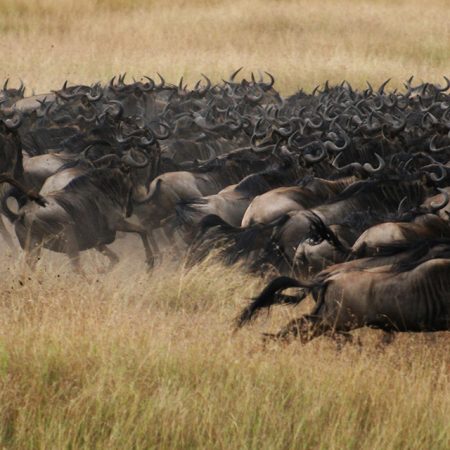
One of the major attractions of the Serengeti is the Great Migration, wherein millions of wildebeest, zebras, and other herbivores travel in search of greener pastures. This breathtaking phenomenon takes place annually and attracts tourists from around the globe, providing a unique opportunity to witness nature’s most impressive spectacles. Safari experiences vary significantly depending on the time of year visitors choose to explore the park. The dry season, from June to October, is generally regarded as the best time to visit, as wildlife congregates around water sources, increasing the chances of spotting various species.
The Serengeti offers diverse safari experiences tailored to the preferences of each visitor. Game drives provide a thrilling way to observe wildlife in their natural habitat, while hot air balloon safaris offer breathtaking aerial views of the vast plains. Additionally, walking safaris allow for an intimate exploration of the park’s flora and fauna, providing unique insights into the ecosystem. The combination of breathtaking landscapes, remarkable wildlife, and exceptional safari options make the Serengeti a premier destination for anyone seeking an immersive adventure in the wild.
Why Choose a Serengeti Safari Itinerary
Choosing a structured Serengeti safari itinerary can significantly enhance your overall experience while exploring this iconic destination. One of the primary advantages of a pre-planned itinerary is the convenience it offers. Planning every detail of a safari can be overwhelming, given the multitude of options available, from accommodations to specific routes within the park. An organized itinerary simplifies the process, allowing travelers to focus on enjoying the breathtaking scenery and unique wildlife that the Serengeti has to offer.
Moreover, structured itineraries are designed to maximize the chances of encountering Africa’s magnificent wildlife. The Serengeti is home to the renowned “Big Five” as well as countless other species. A well-crafted itinerary ensures that you visit prime wildlife viewing locations at optimal times, increasing the likelihood of memorable sightings. This structured approach to your safari experience means that you can expect to witness the majestic lions, elusive leopards, and formidable elephants in their natural habitats.
Another significant benefit of a Serengeti safari itinerary is the opportunity to explore various areas of the park. The Serengeti is vast and diverse, comprising different ecosystems, including savannas, woodlands, and riverine forests. A thoughtfully arranged itinerary allows you to traverse these varying landscapes, providing a comprehensive overview of the park’s biodiversity. Additionally, these itineraries can be tailored to accommodate various preferences—whether you are a first-time visitor, a seasoned explorer, or someone specifically interested in birdwatching or photography, customization options ensure a personalized adventure.
In summary, selecting a structured Serengeti safari itinerary is beneficial for ease of planning, opportunities for wildlife encounters, and the flexibility to adapt to individual preferences. Embracing a well-planned journey allows travelers to fully immerse themselves in the breathtaking wonders of the Serengeti.
3-Day Serengeti Safari Itinerary
A 3-day safari in the Serengeti is an exciting way to experience the breathtaking landscapes and abundant wildlife that this iconic national park has to offer. To ensure an efficient and enjoyable journey, here is a suggested itinerary designed to maximize wildlife viewing and provide a fulfilling adventure.
Day 1: Arrival and Central Serengeti
Upon arrival at the Seronera airstrip in the Central Serengeti, you will be greeted by your professional safari guide. After a short orientation, embark on your first game drive through the heart of the Serengeti. This area is renowned for its diverse ecosystems and is teeming with wildlife, including large populations of lions, elephants, and giraffes. Spend the afternoon observing these magnificent creatures in their natural habitat. In the evening, settle into a comfortable lodge or tented camp where you can share safari stories over dinner and enjoy the sounds of the wild.
Day 2: Eastern Serengeti Exploration
On the second day, rise early for a sunrise game drive in the Eastern Serengeti, an area known for its rolling hills and open plains. This is the ideal time to catch predators on the prowl and witness the start of the day among the grazing herbivores. After a mid-morning return to your lodge for breakfast, consider engaging in optional activities such as a hot air balloon ride for panoramic views of the savanna or a cultural visit to a local Maasai village. Later, head out for an afternoon game drive, where you can explore the vibrant wildlife congregation near the Seronera River.
Day 3: Western Serengeti and Departure
Your final day begins with an early morning game drive in the Western Serengeti, where the scenery shifts and the wildlife experience continues to impress. Look for hippos lounging in the rivers and herds of wildebeests. After plenty of adventure, return to a lodge for breakfast before check-out. Depending on your flight schedule, there may be time for a final game drive or a leisurely lunch in the park before heading back to the airstrip for departure.
4-Day Serengeti Safari Itinerary
A 4-day safari in the Serengeti offers a more comprehensive exploration of this stunning landscape and its rich wildlife. This extended itinerary allows visitors to immerse themselves in the diverse ecosystems and the unique experiences the Serengeti has to offer, including specialized game drives, cultural encounters, and breathtaking landscapes. The journey typically begins with an early morning departure from your accommodation in Arusha or Mwanza, making your way to the Serengeti National Park.
On the first day, after entering the park, a game drive can be undertaken, giving travelers a chance to spot the iconic Big Five—lion, leopard, elephant, buffalo, and rhinoceros—alongside numerous other species. Campsite or lodge check-in occurs in the late afternoon, followed by dinner, providing a perfect ending to a day filled with adventure.
The second day can be dedicated to a full-day game drive, venturing deeper into the park. Possible highlights include visiting the Seronera Valley, known for its resident wildlife, particularly large prides of lions. Early morning and late afternoon drives maximize wildlife sightings as animals are most active during these hours. A picnic lunch in the bush adds to the thrill of enjoying nature.
On the third day, an unforgettable cultural experience can be introduced. Engaging with local Maasai communities allows tourists to gain insights into traditional lifestyles and customs. Following this cultural visit, an afternoon game drive allows visitors another opportunity to observe the diverse fauna in their natural habitat.
The final day can be marked by an early morning game drive before heading back to Arusha, concluding the safari. This 4-day itinerary not only enhances wildlife encounters but also fosters a deeper understanding of the Serengeti’s ecosystem and its cultural significance. Ultimately, it serves as a perfect balance of adventure and education, guaranteeing an unforgettable experience.
7-Day Serengeti Safari Itinerary
A 7-day safari in the Serengeti provides an extensive opportunity to immerse oneself in the breathtaking landscapes and wildlife of this renowned national park. The itinerary is designed to explore the varied ecosystems, from the vast plains to the riverine woodlands, ensuring an unforgettable experience.
On day one, arrive at the park and settle into your accommodation. After a brief orientation, embark on an afternoon game drive to familiarize yourself with the flora and fauna, possibly encountering members of the Big Five. This initial introduction sets the stage for the adventure ahead.
The following days are packed with excitement, starting with a focus on the Central Serengeti. Day two will dedicate to the Seronera area, a hotspot for wildlife viewing, particularly during the wildebeest migration season. Travelers can witness large herds of wildebeest, zebras, and predators such as lions and hyenas. On day three, move towards the moru kopjes, where granite outcrops shelter rich wildlife; this is an ideal setting for photography enthusiasts.
Days four and five will continue to delve deeper into the Serengeti’s wilderness by heading to the lesser-visited areas. The eastern and southern regions provide unique encounters with nature. Explore the Ngorongoro Conservation Area as a day trip, where you can witness a diverse range of animal species in a stunning volcanic crater.
On day six, participate in a full-day safari, which may include a picnic lunch. This is perfect for those who want to maximize wildlife observation opportunities. You may also consider incorporating a cultural visit to a Maasai village, allowing for an enriching experience through interaction with the local community.
Conclude your week with a short morning game drive before departure, reflecting on the myriad of experiences encountered. Rest days can be adjusted, and additional activities like hot air balloon rides or guided walking safaris can be explored if time permits, ensuring a well-rounded adventure in the Serengeti.
Recommended Accommodations in Serengeti
The Serengeti, a UNESCO World Heritage site, offers a wide array of accommodation options that cater to various preferences and budgets, enhancing the overall safari experience. Those seeking luxury can indulge in opulent lodges such as the Four Seasons Safari Lodge. This lodge provides spectacular views over the Seronera River, along with premium amenities that include a spa, infinity pool, and gourmet dining. Its location is ideal for witnessing a plethora of wildlife, especially during migration seasons.
For travelers looking for something a bit more intimate, tented camps such as the Serengeti Under Canvas provide a unique adventure. These mobile camps are situated close to key wildlife areas, offering guests the chance to immerse themselves in nature while experiencing the comforts of well-equipped tents. The tents come with en-suite bathrooms and offer a blend of adventure and tranquility, creating a unique connection to the environment.
Budget travelers need not miss out on the wonders of the Serengeti, either. Campsites such as Seronera Public Campsite offer affordable yet comfortable accommodations. These camps provide basic facilities while allowing guests to have a more raw and genuine experience in the heart of the Serengeti. Guests can enjoy communal dining and the opportunity to engage with fellow travelers, making it a perfect choice for those wishing to experience the soul of the Serengeti.
Regardless of the choice, staying within the Serengeti brings the advantage of accessibility to diverse wildlife and stunning landscapes. Proximity to national park attractions enhances the overall guest experience, and different lodging types allow visitors to customize their stay according to their personal preferences and budget. The Serengeti promises that every traveler can find an accommodation that complements their safari adventure perfectly.
Tips for Planning Your Serengeti Safari
Planning a Serengeti safari requires careful consideration, especially given the vastness and biodiversity of this iconic reserve. One of the first logistical steps is to determine the best time to visit, which typically falls between June and October, coinciding with the Great Migration when wildebeest and zebra traverse the plains. However, other factors such as weather, wildlife visibility, and entrance fees should also influence your travel dates. By understanding these dynamics, travelers can optimize their safari experience.
Transportation options play a significant role in the success of your trip. Depending on your itinerary, you might choose to fly into one of the nearby airstrips for quicker access to the park or opt for a more traditional road trip, allowing for additional sightseeing. If you decide to drive, ensure your vehicle is equipped for rough terrains, as dirt roads abound within the park. Guided tours often provide a more in-depth experience, with knowledgeable guides who can enhance wildlife viewing and offer insights into the Serengeti’s ecosystem.
Documentation is another crucial aspect of your planning. A valid passport, a Tanzanian visa, and certain vaccinations may be required for entry into the country. Check with travel advisory services regarding health precautions, such as malaria prophylaxis. When it comes to packing, essential items include binoculars for wildlife observation, a good camera, durable walking shoes, and layers of clothing suitable for varying temperatures, especially during early mornings and evenings in the Serengeti.
Wildlife viewing is undoubtedly the highlight of any Serengeti safari. To maximize your sightings, practice patience and respect for the animals. Stay quiet and maintain a safe distance, as sudden movements can provoke distress in wildlife. Adhering to guidelines provided by your guide will not only enhance your experience but also promote sustainable tourism efforts in this breathtaking ecosystem.
Wildlife You Can Expect to See
The Serengeti is renowned for its diverse and abundant wildlife, making it a premier destination for safari enthusiasts. Among the most sought-after species are the Big Five: lions, leopards, elephants, rhinoceroses, and Cape buffaloes. Each of these animals offers a distinct experience for observers. Lions can often be seen lounging in the afternoon sun or engaging in playful cub behavior, while leopards are known for their elusive nature, frequently resting in the branches of trees after a successful hunt.
Elephants roam the Serengeti in large herds and are particularly awe-inspiring due to their size and intricate social structures. The chance to observe a mother elephant with her calf is a memorable highlight for many visitors. The rhinoceros, though more scarce due to conservation efforts, offers a rare sight for those lucky enough to encounter them. Lastly, the Cape buffalo, a formidable presence on the plains, is frequently observed grazing in groups.
In addition to the Big Five, the Serengeti is also famous for the Great Migration, where millions of wildebeest and zebras traverse the plains in search of fresh grazing grounds. This spectacular event occurs primarily from June to September, drawing visitors from around the globe eager to witness nature’s drama unfold. Alongside these migratory species, various antelope such as Thomson’s gazelle and Grant’s gazelle also grace the landscape.
The Serengeti’s avian population is equally mesmerizing, featuring unique birds such as the secretary bird, known for its remarkable ability to hunt snakes, and the vibrant lilac-breasted roller, a favorite among birdwatchers. The array of wildlife in the Serengeti presents myriad opportunities for observation and photography, ensuring that a safari experience fulfills the dreams of nature lovers and adventure-seekers alike.
Conclusion: The Serengeti Awaits!
Embarking on a safari in the Serengeti is not merely a vacation; it is a transformative experience that immerses travelers in the raw beauty of nature and the thrill of wildlife observation. Each itinerary, whether it spans 3, 4, or 7 days, offers distinct opportunities to witness some of the planet’s most remarkable creatures in their natural habitat. From the mesmerizing Great Migration to the majestic big cats and the vast landscapes, the Serengeti promises moments that will linger in memory long after the journey ends.
As prospective adventurers plan their ideal itinerary, it is essential to consider not only the attractions but also the impact of their visit on local ecosystems. Wildlife conservation plays a crucial role in preserving the rich biodiversity of the Serengeti. Engaging in responsible tourism practices, such as supporting local guides and lodges that prioritize environmental sustainability, ensures that these breathtaking landscapes and their inhabitants endure for future generations. Travelers can contribute to conservation efforts while enjoying the unparalleled experience of a safari.
In this magnificent realm, every day can contribute to a deeper understanding of the interconnectedness of life. Whether one is captivated by the simplicity of a sunset savannah or moved by the intense drama of a predator-prey interaction, the Serengeti offers an ever-evolving tapestry of experiences. The call of the wild is strong, inviting all who seek adventure and wonder to answer its call. Ultimately, the Serengeti awaits those with a spirit of exploration and a desire to forge unforgettable memories.