 English
 Deutsch
 Italia
December 17, 2025
By kelvingaspar
Discover the Serengeti: The Unmatched Beauty of the Green Season
Discover the Serengeti: The Unmatched Beauty of the Green Season
Table of contents
- Discover the Serengeti: The Unmatched Beauty of the Green Season
- Introduction to the Green Season in Serengeti
- Advantages of Fewer Crowds
- Lower Costs: Budget-Friendly Travel
- Breathtaking Landscapes and Flora
- Witnessing Unique Wildlife Behaviors
- Increased Opportunities for Bird Watching
- Cultural Experiences with Local Communities
- Practical Tips for Visiting During the Green Season
- Conclusion: Embracing the Green Season Adventure
Introduction to the Green Season in Serengeti
The Serengeti National Park, located in Tanzania, is one of the most celebrated wildlife reserves in the world. Renowned for its breathtaking landscapes and incredible biodiversity, the park attracts tourists year-round. However, those who visit during the green season, which typically occurs from March to May, experience a distinctive side of the Serengeti.
The green season is marked by significant rainfall, which transforms the environment into a lush paradise. Unlike the dry season, where vast stretches of savannah prevail with parched grasslands, the green season brings vibrant greenery. This period is characterized by blooming plants, replenished water sources, and a surge in wildlife activity. The rains trigger natural phenomena, compelling animals to migrate and alter their behaviors, providing unique opportunities for wildlife observation.
Advantages of Fewer Crowds
The Serengeti is renowned for its breathtaking landscapes and diverse wildlife, but during the green season, visitors can experience these wonders without the usual influx of tourists. The benefits of fewer crowds during this period are manifold, enhancing not only the wildlife viewing experience but also personal reflection opportunities within nature’s embrace.
One of the most significant advantages of visiting the Serengeti in the green season is the tranquil atmosphere. Unlike the dry season, which attracts a high number of visitors eager to witness the famous wildlife migrations, the green season offers a more serene experience. Travelers can enjoy the sights and sounds of the Serengeti in a more intimate setting, allowing for deeper connection and appreciation of the natural beauty surrounding them.
With reduced crowds, wildlife enthusiasts can engage in closer encounters with various species such as elephants, giraffes, and predatory cats, all while basking in the lushness that the rains bring. The green season enhances visibility and accessibility to less frequented areas, providing a unique vantage point from which to observe wildlife behaviors, particularly during calving season when many animals give birth. Furthermore, the quieter environment facilitates better photographic opportunities and a more immersive experience as the sounds of nature are undisturbed by the hustle and bustle of human activity.
Moreover, the serenity of the Serengeti during the green season encourages personal reflection and introspection. The vast, open landscapes provide a backdrop for solitude, allowing visitors the space to think and recharge away from everyday life. This time spent in quiet contemplation amidst stunning vistas can provide profound mental and emotional benefits.
Lower Costs: Budget-Friendly Travel
Traveling during the green season, also known as the wet season, offers significant financial benefits for those seeking a safari experience in the Serengeti. The green season typically runs from November to May and is characterized by lush landscapes and vibrant wildlife activity. However, the period’s most compelling advantage is its affordability. Accommodations, flights, and tours are generally available at lower prices compared to the peak dry season.
Firstly, accommodations tend to drop significantly in price during the green season. With fewer tourists visiting the region, hotels and lodges often offer enticing discounts and special packages to attract travelers. For budget-conscious individuals, this means the opportunity to enjoy the same beautiful lodges and camps while paying considerably less than during high season. Remarkably, some establishments may even provide complimentary meals or additional nights for free, further enhancing the value of a safari trip.
Furthermore, the cost of flights to Tanzania typically reduces during the green season. Airlines frequently offer lower fares to encourage travel during these less popular months. As a result, travelers can take advantage of these deals, making a dream safari more financially accessible. Booking flights early can enhance savings while also allowing flexibility in scheduling.
Selecting tours is another area where costs can be minimized. Tour operators often have the capacity to offer lower rates during the green season, as demand is relatively soft. Some may even provide incentives such as upgraded experiences at no extra charge, increasing the overall quality of the trip without inflating the budget.
In conclusion, the green season not only presents breathtaking scenery and unique wildlife experiences but also allows travelers to explore the Serengeti at a fraction of the cost compared to the peak seasons. By taking advantage of these budget-friendly options, anyone can experience the unmatched beauty of this region without breaking the bank.
Breathtaking Landscapes and Flora
The Serengeti, renowned for its spectacular wildlife, unveils a different kind of beauty during the green season. This period, which typically spans from late November to early May, is characterized by a significant transformation driven by seasonal rains. As raindrops nourish the land, they breathe life into the once parched soils, triggering a stunning metamorphosis of the landscapes.
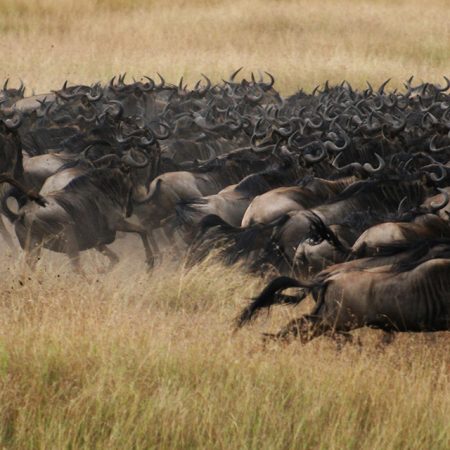
The lush grasslands emerge, carpeted with vibrant greens that stretch as far as the eye can see. This rejuvenation not only enhances the visual appeal of the Serengeti but also provides an ideal habitat for a myriad of creatures. Grazing herbivores, such as wildebeests and zebras, thrive amid the rich pastures, creating a dynamic scene replete with movement and activity. The exquisite array of blooming wildflowers further enriches this setting, painting vivid splashes of color against the backdrop of verdant fields.
Photographers and nature enthusiasts alike revel in the visual splendor of the green season. The interplay of light and color offers evocative opportunities for capturing stunning images of landscapes filled with life. With droplets of water glistening on the grass and the sight of animals interacting within spectacular foliage, the Serengeti presents countless moments of natural wonder to document.
This vibrant ecosystem is not merely a feast for the eyes; it plays a crucial role in the delicate balance of the region’s biodiversity. The burgeoning flora provides sustenance and shelter to various species, reinforcing the importance of these landscapes during the rainy months. Thus, the Serengeti’s breathtaking beauty during the green season is a testament to nature’s ability to regenerate and flourish, making it an exceptional time to observe the interconnectedness of life on the African plains.
Witnessing Unique Wildlife Behaviors
The green season in the Serengeti presents a remarkable opportunity to witness unique wildlife behaviors that are not as visible during the dryer months. This period is characterized by the onset of rains, which not only revitalize the landscape but also stimulate various animal activities. One of the most significant behaviors observed during this time is breeding, particularly among species such as wildebeests and zebras. During the peak of the green season, wildebeest calves are born, leading to an influx of young animals that add vitality to the landscape.
As the Serengeti transforms into a lush environment, the visibility of wildlife considerably increases. Predators, such as lions and cheetahs, are more active as they capitalize on the abundance of young animals born during this season. The presence of these juvenile animals also creates ideal conditions for learning and observation. For instance, lionesses are often seen teaching their cubs essential hunting skills, while young zebras trot alongside their mothers, developing social bonds within their groups.
Moreover, migratory birds flock to the Serengeti during this vibrant season. Their vibrant plumage and vocalizations enhance the auditory and visual experience for observers. Birdwatchers are particularly delighted as they can witness nest-building behaviors and courtship rituals occurring among various species. This draws attention to the symbiotic relationships present in the ecosystem, emphasizing the importance of this season for both terrestrial and avian fauna.
Overall, the green season offers a unique window into the reproductive strategies and nurturing behaviors of the Serengeti’s wildlife. This time not only marks a critical phase in the life cycle of many species but also enriches the visitor experience, showcasing the dynamic interactions of life set against the backdrop of the breathtaking Serengeti landscape.
Increased Opportunities for Bird Watching
The green season in the Serengeti, marked by lush landscapes and vibrant ecosystems, presents a remarkable opportunity for bird watching enthusiasts. During this period, the park witnesses an influx of migratory birds, enriching the already diverse avian population. The lush vegetation provides an ideal backdrop for bird watchers to observe various species as they thrive amidst the flourishing flora.
Bird populations surge during the green season due to the arrival of migratory species, which often include a range of waterfowl, shorebirds, and songbirds. Notable arrivals such as the European bee-eater and the lesser kestrel can be spotted, making it an exciting time for ornithologists and casual bird watchers alike. The increase in food sources available from the abundance of insects and blooming plants during this period supports a thriving bird population.
For bird enthusiasts keen on spotting distinctive species, it is beneficial to explore various habitats within the Serengeti. Wetlands and riverbanks are particularly rewarding, drawing in birds such as the African sacred ibis and the vibrant lilac-breasted roller. Early morning or late afternoon outings can increase chances of sightings, as many birds are most active during these cooler parts of the day. Additionally, bringing along a pair of binoculars and a field guide can significantly enhance the bird-watching experience.
The Serengeti’s green season is indeed a prime time for avian observation, with each excursion offering the thrill of discovering new species amidst breathtaking natural beauty. This period not only showcases migratory patterns but also presents a vibrant panorama of color and sound, as the Serengeti’s bird life thrives in harmony with its flourishing landscape.
Cultural Experiences with Local Communities
The green season in the Serengeti not only transforms the landscape into a lush paradise, but it also opens up numerous avenues for engaging with local communities. Visitors have a unique opportunity to immerse themselves in the rich cultures that thrive alongside this breathtaking environment. Community tours often showcase traditional practices, artisanal craftsmanship, and communal rituals that have been passed down through generations.
Engaging with local tribes, such as the Maasai and the Sukuma, offers a deeper understanding of their daily lives, challenges, and aspirations. For instance, visitors can participate in community-led experiences, such as traditional dances, storytelling narrations, and cooking classes that highlight local culinary delights. These cultural interactions are not only enriching but also foster respect and appreciation for indigenous knowledge and lifestyles.
Furthermore, tourists can observe how the green season impacts local agriculture and pastoralism, both essential components of livelihoods in the Serengeti. Through guided visits to farms and herding camps, visitors gain insights into sustainable practices that communities employ to thrive in harmony with nature. Such experiences are crucial in promoting ecotourism and incentivizing the preservation of local cultures and environments.
Additionally, tours are often structured to ensure that a significant portion of the proceeds benefit the local communities directly. This model promotes economic development while empowering residents to sustain their cultural heritage. By participating in these community experiences, travelers contribute to a more sustainable tourism model that supports local economies and fosters intercultural dialogue.
Practical Tips for Visiting During the Green Season
Visiting the Serengeti during the green season offers a unique experience, but it also requires specific preparations to fully enjoy the beauty and wildlife of this remarkable region. The green season typically runs from late November to May, marked by lush landscapes and active wildlife. Considering this, here are essential tips for planning your visit.
First, packing appropriately is crucial. Since the weather can be unpredictable with occasional rain showers, breathable clothing made of quick-dry material is advisable. Layering is essential to adjust to the fluctuating temperatures throughout the day. A lightweight waterproof jacket is a necessity to stay dry during unexpected downpours. Additionally, do not forget to pack sturdy walking shoes, as many activities may involve hiking or walking over uneven terrains.
When contemplating the best travel dates, consider that the peak time for wildlife viewing during the green season occurs between January and March, as this is when many animals give birth. However, visiting in April or May also provides a unique perspective as the landscapes are at their most vibrant, and fewer tourists are present. This quieter period allows for a more intimate wildlife experience.
Furthermore, bear in mind the weather conditions prevalent during the green season. The landscape is usually more humid and temperatures may dip at night. Therefore, having a light fleece or warm layer is wise for cooler evenings. Lastly, be prepared for potential travel delays due to muddy roads; flexibility in your itinerary can enhance your experience.
Overall, proper preparation and flexibility can ensure a rewarding visit to the Serengeti during the enchanting green season.
Conclusion: Embracing the Green Season Adventure
In summary, visiting the Serengeti during the green season offers a plethora of unique and enriching experiences that are distinct from other times of the year. This period, characterized by vibrant greenery and abundant wildlife, provides travelers with a stunning backdrop for their safari adventures. The lush landscape not only enhances the breathtaking views but also attracts a myriad of animals, making sightings more diverse and frequent.
The advantages of the green season include the chance to witness the majestic migration of wildebeests and zebras as they travel in search of fresh pastures. This dynamic movement of wildlife is a spectacular sight, allowing safari enthusiasts to experience one of nature’s most impressive spectacles. Additionally, the calving season occurs during this timeframe, leading to an increase in predator-prey interactions, providing a thrilling insight into the circle of life.
Travelers will also appreciate the fewer crowds typically associated with the green season. This allows for a more intimate and personal safari experience, where one can connect with nature without the distractions of larger tourist groups. The serene atmosphere enhances the overall enjoyment of wildlife viewing, photography, and exploration of the diverse ecosystems within the Serengeti.
Finally, the favorable weather conditions during this season can enhance the comfort of the safari experience. The cooler temperatures and occasional refreshing rains create an inviting environment for outdoor adventures, making it an ideal time for nature lovers to explore the region. Therefore, potential travelers should seriously consider planning their visit during the green season to fully embrace the unmatched beauty and unique opportunities the Serengeti has to offer.