 English
 Deutsch
 Italia
December 17, 2025
By kelvingaspar
Capturing the Serengeti: A Photographer’s Guide to the Ultimate Safari Destination
Capturing the Serengeti: A Photographer’s Guide to the Ultimate Safari Destination
Table of contents
- Capturing the Serengeti: A Photographer’s Guide to the Ultimate Safari Destination
- Introduction to the Serengeti as a Photography Destination
- Best Seasons for Photography in the Serengeti
- Understanding Light Conditions for Wildlife Photography
- Animal Behavior and Its Impact on Photography
- Ideal Safari Locations for Photographers
- Essential Gear for Capturing the Serengeti
- Tips for Ethical Wildlife Photography
- Post-Processing Tips for Serengeti Photographs
- Conclusion: The Lasting Memories of a Serengeti Safari
Introduction to the Serengeti as a Photography Destination
The Serengeti, a UNESCO World Heritage site located in Tanzania, is renowned for its breathtaking landscapes and remarkable diversity of wildlife, making it a premier destination for photographers. The region’s vast savannahs, dotted with acacia trees and framed by distant hills, create stunning backdrops for wildlife photography. Each season brings unique opportunities to capture the essence of this iconic ecosystem, from the lush green plains after the rains to the golden grasses of the dry season.
The Serengeti is home to an impressive array of species, including the ‘Big Five’ – lions, leopards, elephants, buffaloes, and rhinoceroses. Additionally, the annual wildebeest migration, often described as one of nature’s greatest spectacles, offers unparalleled chances to capture dynamic moments of wildlife interaction and movement. Photographers can expect to witness dramatic scenes as herds traverse rivers, with predators closely shadowing them. This phenomenon not only celebrates the interconnectedness of species but also highlights the raw beauty of life in the wild.
Beyond the large mammals that roam these plains, the Serengeti boasts an extraordinary range of avian species and smaller wildlife. Birdwatchers will find opportunities to photograph everything from colorful sunbirds to graceful storks. The diverse habitats within the Serengeti, including woodlands, grasslands, and wetlands, offer different vantage points for photographers, allowing for a rich variety of compositions. Consequently, the Serengeti is not only about the wildlife but also about the intricate tapestry of nature.
In summary, the Serengeti stands as a premier photography destination due to its incredible landscapes, diverse wildlife, and unique ecosystems. Each visit provides photographers with the opportunity to capture the captivating beauty of the natural world in one of its most iconic settings.
Best Seasons for Photography in the Serengeti
The Serengeti ecosystem presents a unique opportunity for wildlife photography, with its diverse variety of animals and landscapes. Different seasons have a profound impact on what photographers can capture. Hence, understanding the seasonal calendar is critical for maximizing photographic potential.
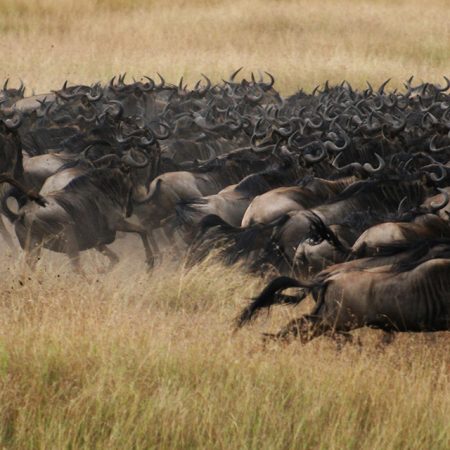
The Great Migration, perhaps the most sought-after experience for wildlife photographers, generally occurs between June and September. During this period, millions of wildebeests, zebras, and other herbivores traverse the plains in search of fresh grazing grounds. This migratory spectacle attracts an array of predators, providing stunning action shots. Observing river crossings, where animals bravely navigate the waters while being pursued by crocodiles, presents extraordinary photographic moments.
Calving season, which runs from late January to February, also offers remarkable photographic opportunities. The southern Serengeti becomes a nursery for thousands of wildebeests giving birth. This is an ideal time for intimate wildlife portraits and capturing the tender dynamics between mothers and their young. The abundance of newborn animals attracts various predators as well, making it possible to capture the harsh realities of survival in the wild.
The dry season from June to October is another excellent time for photographers. As water sources dwindle, animals congregate around the few available watering holes, making them easier to locate. The clear skies and golden lighting during this period enhance the quality of photographs, allowing for beautiful landscape shots combined with wildlife. Overall, different seasons provide distinct advantages, influencing the kinds of images that photographers can create. By planning visits according to these seasonal patterns, photographers can optimize their experience and capture the essence of the Serengeti’s natural beauty.
Understanding Light Conditions for Wildlife Photography
The significance of light in wildlife photography cannot be overstated, particularly in a dynamic environment like the Serengeti. Understanding how light varies throughout the day and across seasons can dramatically enhance the quality of your images. The best photographers adapt their strategies based on lighting conditions to capture stunning photographs of wildlife.
One of the most favorable times for wildlife photography is during the golden hour, which occurs shortly after sunrise and just before sunset. During these periods, the light is softer and warmer, providing a magical quality that enhances colors and reduces harsh shadows. Photographers should plan their safari outings to take full advantage of these golden moments, particularly when photographing animals that are active during these hours.
However, capturing good wildlife images during the midday sun can present challenges. The harsh overhead light can create stark contrasts and deep shadows, which may detract from the overall appearance of the photograph. To combat this, photographers might seek out shaded areas or consider using fill flash to balance the light. Another technique is to adjust the exposure settings on the camera to accommodate the bright conditions, thereby preventing overexposed highlights.
In addition to these strategies, overcast conditions can also work in favor of wildlife photographers. The diffuse light produced by clouds helps in minimizing harsh shadows while ensuring that the subject retains details and colors. This condition is particularly advantageous for capturing close-up wildlife shots as the soft light can yield more vibrant and true-to-life colors.
Ultimately, different light conditions provide unique opportunities and challenges in wildlife photography. By understanding and adapting to the nuances of the Serengeti’s lighting, photographers can significantly improve their ability to capture compelling images of this remarkable safari destination.
Animal Behavior and Its Impact on Photography
The Serengeti ecosystem is renowned for its rich biodiversity, with a variety of animal species that exhibit unique behaviors throughout the year. Understanding these behaviors is crucial for photographers seeking to capture stunning images during their safari adventures. One significant aspect is the Great Migration, where millions of wildebeest, zebras, and gazelles move in search of fresh grazing grounds. This remarkable phenomenon not only presents photographers with breathtaking scenes but also involves strategic planning to position oneself along the migration routes for optimal photography.
Additionally, knowing specific feeding habits can enhance photographic opportunities. For instance, predators like lions, cheetahs, and hyenas often hunt during dawn or dusk, known as the golden hours of photography. Observing these patterns allows photographers to anticipate animal movements, making it easier to prepare and capture poignant moments, such as a lioness stalking her prey or a cheetah sprinting after a fleeing gazelle.
Social behaviors also play a significant role in photography. Elephants, for example, exhibit strong familial bonds, which can lead to heartwarming scenes worth documenting. Capturing these interactions, such as a mother nurturing her calf, adds an emotional element to the imagery. Similarly, observing and photographing gatherings, such as a pride of lions lounging or a herd of wildebeest drinking at a waterhole, reveals the social dynamics of these animals and enhances the storytelling aspect of wildlife photography.
In summary, understanding animal behaviors is integral to effective wildlife photography in the Serengeti. By aligning photography techniques with the natural patterns of the wildlife, photographers can create compelling images that capture the essence of this extraordinary landscape and its inhabitants.
Ideal Safari Locations for Photographers
The Serengeti, known for its breathtaking landscapes and diverse wildlife, offers myriad locations that are ideal for photographers seeking to capture the essence of this iconic destination. One of the most renowned areas is the Seronera Valley, which serves as a central hub within the Serengeti. This area is famous for its abundant wildlife, including lions, cheetahs, and elephants. Photographers flock to this valley, especially during the Great Migration. The expansive open plains make for excellent wide-angle shots, where herds of wildebeest and zebra are easily captured in their natural habitat.
Another noteworthy location is the Ngorongoro Crater, deemed a UNESCO World Heritage Site. This collapsed volcano is a haven for wildlife and allows photographers to capture incredible depth in their images. The high vantage points around the rim provide sweeping views of the crater below, making it an ideal spot for capturing sunset shots as the colors reflect off the crater walls.
For those seeking hidden gems, the Moru Kopjes offer remarkable opportunities. The rocky outcrops provide a stunning contrast against the surrounding grasslands, and they are often the resting place for prides of lions. The evening light accentuates these granite formations beautifully, allowing nature photographers to create dynamic compositions.
In the western corridor, photographers can explore the Grumeti River, which becomes a focal point during the migration. Here, river crossings offer dramatic moments where wildebeest face danger from Nile crocodiles, providing heart-pounding photography opportunities. Moreover, the remote setting means fewer crowds, allowing for a more personalized experience.
Each of these locations not only provides picturesque scenery but also access to varied wildlife, ensuring that photographers leave with a treasure trove of unforgettable images from their Serengeti safari.
Essential Gear for Capturing the Serengeti
When embarking on a photography journey in the Serengeti, having the right gear is crucial for capturing the breathtaking wildlife and landscapes that define this iconic safari destination. First and foremost, a high-quality camera is essential. Consider using a DSLR or mirrorless camera with a large sensor to ensure superior image quality. Models from Canon, Nikon, or Sony are popular among wildlife photographers for their reliability and performance.
Equipping your camera with the right lenses is also vital. A versatile zoom lens, such as a 24-70mm or a 70-200mm, allows you to capture a wide range of subjects, from expansive landscapes to close-up shots of animals. For those who wish to photograph distant wildlife, a super-telephoto lens, such as a 300mm or 600mm, is indispensable for getting those stunning long-range shots.
A sturdy tripod is another key piece of equipment. It provides stability, particularly when shooting in low light conditions or at slow shutter speeds. Look for a lightweight, portable tripod that is easy to transport through the rugged terrain of the Serengeti. Additionally, a gimbal head can enhance your shooting experience by allowing for smooth movement when tracking animals in motion.
Don’t forget to bring protective gear for your equipment. Rain covers and lens filters can shield your camera and lenses from the elements, ensuring that your gear remains functional throughout your safari. Lastly, adequate storage is crucial; carry multiple memory cards and external hard drives to back up your photos. A well-planned gear checklist will enable you to focus solely on capturing the exquisite beauty of the Serengeti during your safari adventure.
Tips for Ethical Wildlife Photography
Capturing the beauty of wildlife in their natural habitats is a rewarding endeavor, but it comes with a set of responsibilities. Ethical wildlife photography revolves around the principles of respect, conservation, and minimal disruption to the animals and their environments. Prioritizing these ethics ensures that photographers can enjoy and document the wonders of the Serengeti without causing harm.
Firstly, maintaining a safe distance from wildlife is paramount. This not only protects the animals from stress but also safeguards the photographer and their equipment. Every species has its own comfort zones; for instance, large predators like lions may become agitated if approached too closely, while smaller species may exhibit flight responses. Familiarizing oneself with the behaviors of the specific animals one wishes to photograph can aid in establishing an appropriate distance that allows for stunning images while ensuring the safety of all involved.
Minimizing environmental impact is another critical aspect of ethical wildlife photography. Photographers should follow guidelines that promote conservation, such as remaining on designated paths and avoiding trampling delicate ecosystems. In addition, one should refrain from using bait to lure animals for photographs, as this can disrupt their natural foraging behavior and lead to dependency on human intervention. Respect for the habitat is essential, as any disturbance can have long-lasting consequences for the wildlife living there.
Understanding animal rights is also fundamental in ethical wildlife photography. This involves recognizing that animals are sentient beings with their own needs and stresses. Photographers should educate themselves on the rights of the creatures they intend to capture on camera, adhering to established guidelines and conservation laws. Ultimately, ethical wildlife photography is not just about the images produced; it’s about fostering a deeper connection with nature while advocating for the preservation of biodiversity.
Post-Processing Tips for Serengeti Photographs
Post-processing is an essential step in wildlife photography, allowing photographers to bring out the best in their stunning images taken in the Serengeti. Whether you are using Adobe Lightroom, Photoshop, or an alternative editing software, several key adjustments can significantly enhance your photographs.
One of the primary adjustments involves exposure correction. Often, images taken in bright sunlight can appear washed out. To remedy this, adjust the exposure slider to find the right balance and recover highlight details. For darker areas, the shadows slider can reveal hidden details without introducing noise. Additionally, consider utilizing the contrast feature to define shapes and improve the overall visual appeal of your photograph.
Color correction is another critical aspect of post-processing. Utilize the temperature and tint settings to fine-tune your image’s color balance. The Serengeti’s golden grasslands and vibrant wildlife can often benefit from an adjustment in saturation or vibrancy, making colors more vivid without oversaturation. Be cautious, however, to maintain natural hues that reflect the true beauty of the landscape.
In wildlife photography, sharpening and noise reduction are vital since these images often feature intricate details. Applying selective sharpening can enhance the subject’s clarity, while noise reduction ensures that high ISO images remain smooth and without grain. Using the ‘masking’ slider can help focus sharpening on specific areas, preserving softer backgrounds.
Lastly, to enhance the mood of your images, consider playing with shadows and highlights for dramatic effects. Vignetting can add a professional touch that guides the viewer’s eye toward the subject. These post-processing techniques, when applied judiciously, will enable your Serengeti photographs to capture the essence of this spectacular destination while conveying the awe of observing its wildlife in their natural habitat.
Conclusion: The Lasting Memories of a Serengeti Safari
Embarking on a safari in the Serengeti is not just a journey through an incredible landscape but an immersive experience that leaves a lasting impact on the heart and mind of every photographer. The vast plains, teeming with life, offer an unparalleled opportunity to capture the beauty of nature and the rawness of wildlife. Each click of the shutter is a moment frozen in time, a tangible memory that embodies the spirit of adventure and discovery.
Through the lens, one becomes an observer of the extraordinary drama of life in the wild, witnessing interactions between species, the majesty of a lion pride, or the gracefulness of a gazelle. These moments, both thrilling and serene, evoke deep emotions that resonate long after leaving the Serengeti. The photographs taken here become more than mere images; they transform into reminders of the delicate balance of nature and the importance of conservation.
Furthermore, the act of photographing in such a captivating environment fosters creativity. Each landscape and animal encounter presents a new challenge, encouraging photographers to think critically about their surroundings and composition. This creative expression becomes a personal journey, inspiring individuals to see the world through a different lens—one that values not only the aesthetic but also the narrative behind each shot.
In conclusion, a photography trip to the Serengeti is an invitation to capture not just stunning visuals but also to forge deep connections with nature. It is an adventure that nourishes the soul, each photograph acting as a bridge to the experiences that shaped it. The memories created in this extraordinary destination will continue to inspire creativity and passion for wildlife, urging one to share these stories with others, preserving the legacy of the Serengeti for future generations.