
 English
 Deutsch
 Italia
The Ultimate Guide to the Serengeti
LAST UPDATED October 10 2025
Serengeti National Park stands as one of Africa’s most celebrated and iconic wildlife destinations, drawing travelers from across the globe to witness its vast, untouched wilderness and extraordinary diversity of flora and fauna. Encompassing over 14,750 square kilometers (5,700 square miles), the park forms the central part of the larger Serengeti ecosystem, which stretches to include the Ngorongoro Conservation Area, Maswa Game Reserve, and Grumeti Game Reserve. This interconnected ecosystem not only provides an unparalleled sanctuary for countless species but also plays a critical role in preserving the natural migration routes that have existed for millennia.
The Serengeti is world-renowned for its sweeping plains, rolling hills, and scattered kopjes, creating a landscape that feels endless and unspoiled. These habitats support a staggering array of wildlife, from the iconic Big Five, lions, elephants, leopards, buffalo, and rhinos, to cheetahs, giraffes, hippos, and over 500 species of birds. Each corner of the park offers a unique ecological experience, whether it is the predator-rich savannas, dense riverine forests, or tranquil lakes that attract a variety of waterfowl and other birdlife.
Beyond its remarkable scenery and abundant wildlife, the Serengeti has long been a pioneer in conservation practices, influencing national and international efforts to protect endangered species and fragile ecosystems. Declared a protected area in the early 20th century and later a UNESCO World Heritage Site, the park continues to serve as a model for sustainable tourism, wildlife preservation, and community engagement, making it not only a natural wonder but also a cornerstone of modern conservation in Africa.
The Significance of the Serengeti
Situated in northern Tanzania, Serengeti National Park is world-famous for hosting the Great Migration, an extraordinary annual journey involving over 1.5 million wildebeest, accompanied by hundreds of thousands of zebras and gazelles. This awe-inspiring movement of wildlife across the plains is widely regarded as one of nature’s most remarkable spectacles, drawing visitors from around the globe who seek an unforgettable safari adventure. The rhythm of the migration not only sustains predators like lions and hyenas but also shapes the park’s entire ecosystem, highlighting the Serengeti’s vital role in maintaining ecological balance.
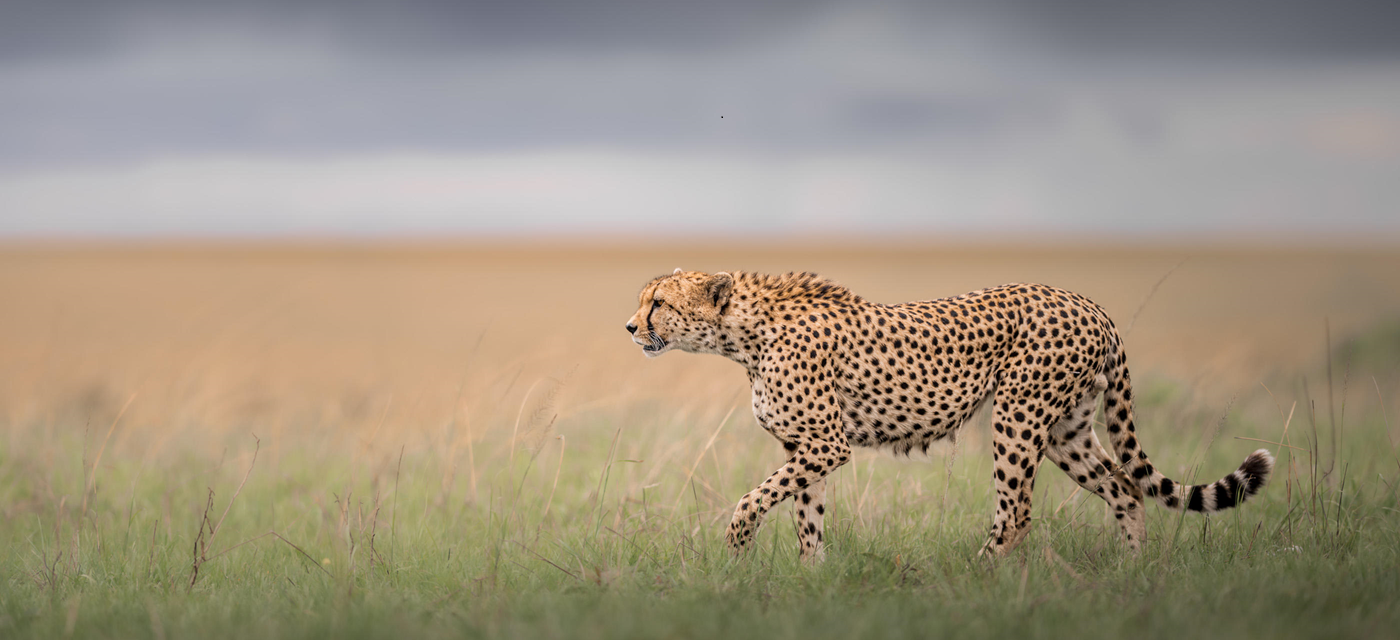
The Serengeti’s landscapes are a tapestry of open savannas, dense acacia woodlands, and lush riverine forests, each providing shelter and resources for a diverse range of wildlife. The park is home to the celebrated Big Five — lions, elephants, leopards, buffalo, and rhinos — but its wildlife extends far beyond, with cheetahs prowling the plains, giraffes browsing treetops, hippos inhabiting the rivers, and crocodiles lurking in waterways. Bird enthusiasts will also find a paradise here, with over 500 species nesting and migrating throughout the park. This rich combination of terrain and biodiversity creates one of the highest concentrations of large mammals on the planet, offering visitors unparalleled opportunities to witness the raw beauty and intricate interconnections of the Serengeti’s wildlife.
History of the Serengeti
The story of Serengeti National Park is closely linked to both human presence and pioneering conservation efforts. The name “Serengeti” derives from the Maasai word “Siringet,” meaning “the land that stretches on forever,” a fitting description for its endless plains. For centuries, the Maasai people have coexisted with the park’s wildlife, maintaining traditions that harmonize with the natural rhythms of this remarkable ecosystem. Their influence is still evident today, from cultural practices to sustainable land use in areas surrounding the park.
In the early 20th century, the Serengeti faced severe threats from hunting and poaching, which put its unique wildlife at significant risk. To counter this, British colonial authorities designated the area as a protected zone in 1921, laying the groundwork for modern conservation. Three decades later, in 1951, Serengeti National Park was officially established as one of Tanzania’s first national parks, setting a precedent for wildlife protection across Africa. Over the years, the park’s boundaries were expanded to safeguard essential migration corridors and surrounding ecosystems, ensuring that both predators and prey could thrive.
Recognizing its global ecological importance, UNESCO declared Serengeti National Park a World Heritage Site in 1981. The park’s rich biodiversity, including endangered species such as the black rhinoceros and the African wild dog, underscores its role as a cornerstone of conservation. Today, the Serengeti not only preserves Africa’s natural heritage but also continues to inspire global efforts in protecting wildlife and habitats for future generations.
The Serengeti’s Role in Conservation
Today, Serengeti National Park remains a cornerstone of Tanzania’s conservation initiatives, serving as a model for balancing wildlife protection with human activity. The park plays a critical role in maintaining harmony between its abundant wildlife and the surrounding communities, whose livelihoods often rely on tourism and small-scale agriculture. Supported by both the Tanzanian government and international conservation organizations, the Serengeti has become a global symbol of effective wildlife management, showcasing how natural preservation can coexist with sustainable community development.
Despite these successes, the park faces ongoing challenges, including poaching and habitat encroachment. To address these threats, dedicated anti-poaching units patrol the park regularly, while community outreach programs educate and involve local residents in conservation efforts. Sustainable tourism initiatives further help protect the park by promoting responsible travel practices and generating revenue that supports both wildlife protection and local development projects.
Conservation in the Serengeti also focuses on ensuring the long-term survival of endangered species, such as black rhinoceroses and African wild dogs, while safeguarding the migratory routes that are central to the park’s ecosystem. Collaboration with neighboring communities is essential, as local engagement provides both economic incentives and stewardship for the environment. Through these combined efforts, the Serengeti continues to thrive as one of the world’s most successful and enduring examples of wildlife conservation.
Why Visit the Serengeti?
Whether you are hoping to witness the awe-inspiring Great Migration, embark on an exhilarating Big Five safari, or simply immerse yourself in sweeping, unspoiled landscapes, Serengeti National Park promises an experience like no other. The park’s rich history, extraordinary wildlife, and vital conservation efforts combine to make it a bucket-list destination for nature enthusiasts, photographers, and adventure seekers alike. Each moment spent in the Serengeti offers a unique connection to the raw beauty of Africa, from observing predators on the hunt to marveling at vast herds of grazing herbivores under endless skies.
Beyond the wildlife, the Serengeti embodies Africa’s resilience and commitment to preserving natural heritage. Its expansive plains, scattered kopjes, and winding rivers are not only visually stunning but also crucial to sustaining one of the world’s most diverse ecosystems. Visiting the Serengeti allows travelers to witness firsthand the intricate balance between wildlife, environment, and human stewardship. In every corner of the park, from predator-rich grasslands to quiet riverbanks, there is a story of survival, adaptation, and conservation. The Serengeti is more than a destination, it is a living testament to the continent’s wild beauty and ongoing efforts to protect one of the last truly untamed regions on Earth.
Serengeti Location & Geography
Serengeti National Park is located in northern Tanzania, spanning the Mara and Simiyu regions. This iconic park is a central part of the Serengeti ecosystem, which extends into southwestern Kenya, where it forms the famous Maasai Mara. Covering approximately 14,750 square kilometers (5,700 square miles), the Serengeti’s vast plains, rolling hills, and scattered woodlands create one of the most breathtaking landscapes on the African continent.
Where is the Serengeti?
On the map, Serengeti National Park lies west of Mount Kilimanjaro and just south of the Kenya–Tanzania border. The park is bordered by the Ngorongoro Conservation Area to the southeast and is part of a larger ecosystem that includes the Maswa Game Reserve and the Grumeti Game Reserve to the west. To the north, it connects with Kenya’s Maasai Mara, forming one of the world’s largest, protected ecosystems.
The park’s coordinates are roughly 2.33°S latitude and 34.83°E longitude, placing it firmly in the tropical savannah region of East Africa. The Serengeti’s geographical location offers diverse habitats, ranging from open grasslands and kopjes (rocky outcrops) to riverine forests and acacia woodlands.
Nearby Landmarks and Attractions
The Serengeti’s location places it near several other major attractions, allowing travelers to combine multiple experiences into one trip. Here are some nearby landmarks worth exploring:
- Ngorongoro Crater: Located just southeast of the Serengeti, this UNESCO World Heritage Site is the world’s largest inactive volcanic caldera and is home to an abundance of wildlife, including elephants, lions, and rhinos. The Ngorongoro Conservation Area acts as a natural corridor for animals migrating between the Serengeti and the crater.
- Lake Victoria: To the west of the Serengeti lies Lake Victoria, Africa’s largest lake. Visitors can combine a Serengeti safari with a stop at the lake to experience the region’s rich aquatic life and fishing culture.
- Maasai Mara: North of the Serengeti, in Kenya, is the Maasai Mara National Reserve, an essential part of the same ecosystem. Many visitors cross the border to witness different stages of the Great Migration as it moves between the two parks.
- Mount Kilimanjaro: While not directly adjacent to the Serengeti, the towering presence of Mount Kilimanjaro to the east is a popular addition for those looking to climb Africa’s highest peak before or after their safari.
Why the Serengeti’s Location is Unique
Positioned at the heart of East Africa’s vast savannah ecosystem, Serengeti National Park holds a vital place in Tanzania’s natural heritage and global conservation initiatives. Its sprawling plains serve as a key wildlife corridor, allowing animals to move freely across borders and maintain the ecological balance that supports one of the richest concentrations of large mammals on the planet. The park’s remote setting, combined with its enormous size, has safeguarded its pristine landscapes, offering visitors the chance to experience Africa’s wildlife in its most unspoiled and natural form.
The Serengeti’s strategic location also ensures that it remains a cornerstone of migration routes, predator-prey dynamics, and seasonal ecological patterns. Its connectivity with neighboring reserves and conservation areas strengthens its role in protecting biodiversity, while providing a living classroom for researchers, conservationists, and travelers eager to witness these processes firsthand.
In essence, the Serengeti’s geography and position make it a destination unlike any other. Whether you are drawn by the drama of the Great Migration, the expansive savannahs, or the opportunity to observe diverse wildlife in their natural habitats, the Serengeti delivers an experience that is both rare and unforgettable—a true testament to the enduring beauty and ecological importance of Africa’s wilderness.
The Big Five in the Serengeti
Lions in the Serengeti
Lions are arguably the most emblematic of the Big Five and a major draw for safari-goers. The Serengeti is home to one of Africa’s largest lion populations, with approximately 3,000 individuals roaming its vast plains. Visitors often see these magnificent predators resting in the shade or stalking prey during early mornings and late afternoons. The open grasslands provide excellent visibility for observing lion prides as they hunt, socialize, and care for their young, particularly during the Great Migration when herds of wildebeest and zebras offer abundant hunting opportunities.
Elephants in the Serengeti
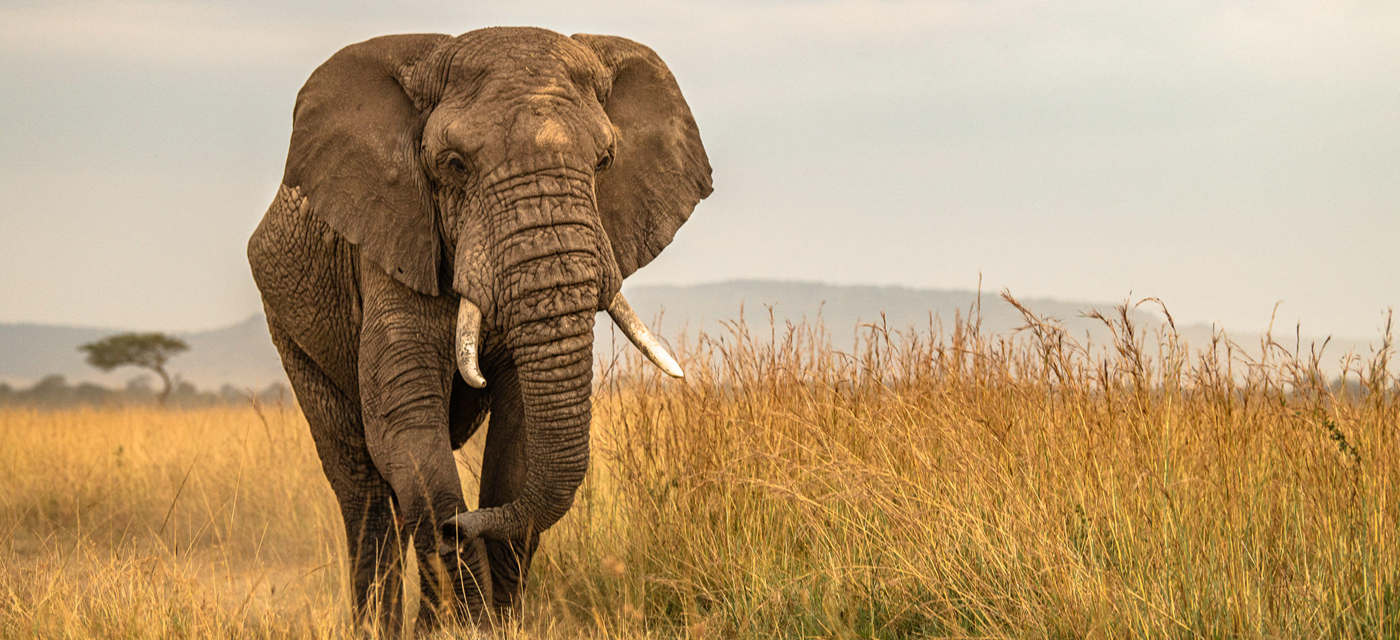
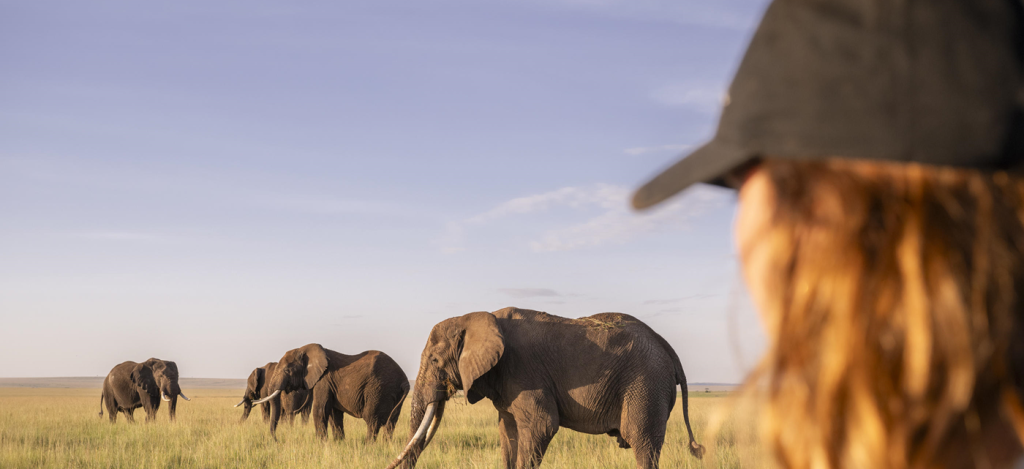
Elephants are another highlight of a Serengeti safari, commonly found in the park’s northern and western wooded areas. These intelligent giants travel in family groups, navigating acacia woodlands and riverbanks with remarkable grace. Watching them interact, care for calves, and move in coordinated herds is a humbling experience. While less frequently seen in central Serengeti, elephants remain a must-see for any visitor, symbolizing strength, wisdom, and endurance.
Leopards in the Serengeti
Leopards are among the most elusive members of the Big Five, yet the Serengeti offers good opportunities to spot them, especially on kopjes or in denser riverine woodlands. These solitary predators rely on stealth and camouflage, often resting in trees or blending into tall grass. Their distinctive spotted coats and powerful builds make any leopard sighting a memorable event.
Rhinos in the Serengeti
Black rhinoceroses, critically endangered, are rarer in the Serengeti than other Big Five species. Strict conservation measures protect them from poaching, with sightings most common in the park’s northern regions or the Ngorongoro Conservation Area. Encountering a rhino in the wild highlights the Serengeti’s vital role in safeguarding Africa’s threatened species.
Buffalos in the Serengeti
African buffalo are abundant throughout the park, often seen grazing in large herds across the plains. Known for their unpredictable nature, buffalo are essential to the ecosystem, providing prey for predators and helping maintain ecological balance. A close encounter with a herd is always exhilarating and underscores their importance within the Serengeti’s wildlife tapestry.
Serengeti Weather & Climate
The Serengeti has a tropical climate, characterized by two distinct seasons: the dry season and the rainy season. Understanding the Serengeti weather and climate patterns can help you plan the perfect safari.
Dry Season (June to October)
The dry season in the Serengeti, from June to October, is the most popular time for visitors. Days are typically sunny with clear skies, and temperatures range between 25°C to 29°C (77°F to 84°F) during the day, while nights and early mornings can be cooler, dropping to around 14°C (57°F). This period is ideal for wildlife viewing as animals congregate around water sources, and the sparse vegetation makes it easier to spot predators like lions and leopards. It’s also the best time to witness the Great Migration as herds of wildebeest and zebras cross the Grumeti and Mara Rivers.
Rainy Season (November to May)
The rainy season is divided into two parts: the “short rains” (November to December) and the “long rains” (March to May). During the short rains, showers are brief, and the landscape becomes lush and green, attracting migratory birds and newborn animals. The long rains are more intense, and certain roads can become impassable. Temperatures during the rainy season are slightly higher, ranging from 27°C to 32°C (81°F to 90°F), and humidity levels rise. While wildlife viewing is still excellent, particularly in the southern Serengeti during the calving season, the rainy season sees fewer tourists, making it a good time for a quieter safari experience.
Best Time for Wildlife Viewing
The best time for a Serengeti safari depends on what wildlife experiences you’re hoping to witness. While the Serengeti offers year-round wildlife sightings, certain months are better for specific events, particularly the Great Migration.
January to March
From January to March, the Great Migration is concentrated in the southern Serengeti and Ndutu regions, where wildebeest give birth to thousands of calves. This calving season is an excellent time for viewing predator action, as lions, cheetahs, and hyenas prey on the vulnerable young. The landscape is green, and the wildlife sightings are plentiful.
April to May
The long rains occur during April and May, making this the off-season for safari tourism. However, this is still a great time to visit the Serengeti for those looking to avoid crowds and take advantage of lower rates. The vegetation is lush, and the southern Serengeti remains an excellent spot for predator sightings. While roads can be challenging, the wildlife viewing is still rewarding.
June to July
In June and July, the Great Migration begins its dramatic river crossings in the western Serengeti, particularly at the Grumeti River. This period is marked by intense predator activity as wildebeest and zebras attempt to cross crocodile-infested waters. Wildlife viewing is excellent, with large herds congregating in the area.
August to October
The months from August to October are the best time to witness the Mara River crossings in the northern Serengeti. This is one of the most iconic events of the Great Migration, as herds risk their lives crossing the river into Kenya’s Maasai Mara. The dry season during these months provides excellent game viewing throughout the park, as animals cluster around water sources and the thinning vegetation offers clear views.
November to December
The short rains begin in November, and the migration returns to the southern Serengeti. This period offers fewer crowds and the opportunity to see the herds moving south toward Ndutu and the Ngorongoro area. Although there may be rain, the wildlife viewing is still superb, and it’s an ideal time for photographers as the landscapes are lush and vibrant.