
 English
 Deutsch
 Italia
7-10 Day Tanzania Safari Itinerary & Costs Guide
7-10 Day Tanzania Safari Itinerary & Costs Guide
Planning a Tanzania safari is exciting, but it can also feel overwhelming at the beginning. With vast national parks, seasonal wildlife movements, different accommodation standards, and varying price ranges, many travelers are unsure where to start. One of the most common questions is how many days are truly needed to experience Tanzania properly. For most visitors, a 7 to 10 day safari offers the perfect balance between depth, comfort, and value.
Tanzania is home to some of Africa’s most iconic safari destinations, including Serengeti National Park, Ngorongoro Crater, Tarangire National Park, and Lake Manyara. These parks form the famous Northern Circuit, a route that delivers diverse landscapes, rich wildlife concentrations, and unforgettable scenery within a manageable travel distance. With enough time, visitors can explore multiple ecosystems, witness predator action, and even position themselves to see part of the Great Migration depending on the season.
This guide is designed to help you plan a realistic and well-paced 7, 8, 9, or 10 day Tanzania safari. It explains how itineraries are structured, what daily travel looks like, how much a safari typically costs, and what factors influence pricing. You will also learn how accommodation levels, transport choices, and seasonal timing affect your overall experience.
Rather than rushing through parks or trying to fit too much into a short schedule, a carefully planned safari allows you to slow down and appreciate the rhythm of the African wilderness. By the end of this guide, you will have a clear understanding of what to expect and how to choose the itinerary length that best matches your travel goals.
Table of contents
- 7-10 Day Tanzania Safari Itinerary & Costs Guide
- Why Choose a 7–10 Day Tanzania Safari?
- How to Plan the Perfect Tanzania Safari Itinerary
- Overview of Tanzania’s Northern Circuit Parks
- Understanding the Great Migration (What You Need to Know)
- Best Time to Visit Tanzania for Safari
- Dry Season vs Green Season: Pros and Cons
- How Much Does a 7–10 Day Tanzania Safari Cost?
- What Is Included in a Tanzania Safari Package
- Private Safari vs Group Safari: Which Is Better
- 7-Day Tanzania Safari Itinerary Overview
- Detailed 7-Day Tanzania Safari Breakdown (Day-by-Day)
- 8-Day Tanzania Safari Itinerary Overview
- How an Extra Day Changes Your Safari Experience
- 9-Day Tanzania Safari Itinerary
- 10-Day Tanzania Safari Itinerary
- Transport Options on a Tanzania Safari
- What to Pack for Your Tanzania Safari
- Safari Safety Tips
- Frequently Asked Questions (FAQs) About Tanzania Safaris
Why Choose a 7–10 Day Tanzania Safari?
Choosing the right safari length is one of the most important decisions when planning a trip to Tanzania. While shorter safaris of three to five days are possible, they often feel rushed and limit how much of the country’s diverse wildlife and landscapes you can experience. A 7 to 10 day safari offers the ideal balance between exploration and comfort, allowing you to visit multiple parks without spending most of your time on the road.
Tanzania’s Northern Circuit includes Tarangire National Park, Lake Manyara, Serengeti National Park, and the Ngorongoro Crater. These destinations are spread across large distances, and wildlife viewing is best enjoyed at a relaxed pace. With seven days, you can experience the highlights of each park and spend meaningful time in the Serengeti, which is essential for maximizing wildlife sightings. Extending your safari to eight, nine, or ten days allows for even deeper exploration, additional game drives, and more flexibility to adjust your route based on seasonal wildlife movements such as the Great Migration.
A 7–10 day safari is particularly well suited for first-time visitors to Africa, couples seeking a memorable adventure, families wanting a balanced itinerary, and photographers looking for multiple opportunities to capture wildlife in different settings. It also provides enough time to combine varied ecosystems, from the baobab-dotted landscapes of Tarangire to the vast plains of the Serengeti and the dramatic scenery of Ngorongoro Crater.
Most importantly, this timeframe reduces travel fatigue. Instead of constantly packing and moving, you can settle into each destination, enjoy longer game drives, and fully appreciate the rhythm of safari life.
Is 7 Days Enough for Tanzania?
Seven days is the minimum amount of time recommended to experience Tanzania’s Northern Circuit properly. With a well-structured itinerary, you can visit three to four major parks, including Serengeti National Park and the Ngorongoro Crater. While the schedule will be active, it allows enough time for meaningful wildlife encounters rather than quick drive-through visits. However, it does require efficient routing and early departures to maximize each day. Travelers with limited vacation time often find seven days to be a satisfying introduction to Tanzania’s landscapes and wildlife.
What You Can Realistically See in 7–10 Days
Within 7 to 10 days, you can explore multiple ecosystems and significantly increase your chances of seeing the Big Five. Most itineraries include Tarangire’s elephant herds, the vast plains of the Serengeti, and the wildlife-rich Ngorongoro Crater. With additional days, you gain more time in the Serengeti, which improves opportunities to witness predator behavior and seasonal events like the Great Migration. The extended timeframe also allows for varied scenery, from savannah plains to volcanic highlands and forested lake regions.
Who This Safari Length Is Best For
A 7–10 day safari suits first-time visitors who want a comprehensive overview of Tanzania’s top parks. It is also ideal for couples, families, photographers, and travelers celebrating special occasions. Those combining safari with a Zanzibar beach extension benefit from this duration, as it balances adventure with relaxation. It provides enough depth without requiring an extended leave from work or long-haul travel commitments.
Why Longer Isn’t Always Better
While longer safaris can offer deeper exploration, they are not always necessary for every traveler. Extended itineraries increase costs and may lead to wildlife fatigue, especially for those new to safari experiences. A well-planned 7–10 day trip often delivers the perfect combination of variety, wildlife density, and comfort without overstretching time or budget.
How to Plan the Perfect Tanzania Safari Itinerary
Planning a Tanzania safari requires careful consideration to ensure you experience the country’s highlights without feeling rushed. The key is to organize your route logically, pace your travel, and book essential elements in advance. A well-structured itinerary balances wildlife viewing, travel time, and rest, allowing you to enjoy each park to its fullest while minimizing long days on the road.
Start by deciding which parks to include. The Northern Circuit is the most popular for first-time visitors, offering a mix of landscapes, wildlife, and accessibility. Tarangire, Lake Manyara, Serengeti, and Ngorongoro are typically visited in that order to reduce driving time and maximize wildlife encounters. Some travelers also choose to add cultural or optional extensions, such as Lake Eyasi or Zanzibar, depending on available days.
Travel pacing is another essential factor. Daily game drives should be timed to coincide with animal activity, often in the early morning or late afternoon. Avoid cramming multiple long drives in a single day, as this can lead to fatigue and reduce your enjoyment. Spending at least two nights in the Serengeti is highly recommended to increase the chances of seeing predators and, during the migration season, witnessing river crossings or calving areas.
Booking in advance is crucial, particularly during peak months from June to October. Flights, camps, and lodges can fill quickly, and popular accommodations within the Serengeti or Ngorongoro Crater rim may not be available at the last minute. Planning early ensures flexibility, better rates, and preferred accommodations.
Ultimately, a carefully planned itinerary combines route efficiency, realistic travel times, and balanced daily activities. Taking these factors into account will allow you to make the most of your 7–10 day Tanzania safari while maintaining comfort and maximizing wildlife experiences.
Choosing Between Northern and Southern Circuit
Tanzania offers multiple safari circuits, but the Northern Circuit is the most popular for first-time visitors. It includes Tarangire, Lake Manyara, Serengeti, and Ngorongoro, providing a mix of diverse wildlife and landscapes within a manageable distance. The Southern Circuit, on the other hand, covers areas such as Selous, Ruaha, and Mikumi. It is less crowded, offers a more remote safari experience, and is ideal for travelers seeking solitude or specific wildlife sightings. Choosing between the circuits depends on your priorities, the time available, and the type of safari experience you prefer.
How to Structure Your Route Logically
A logical route minimizes driving time while maximizing wildlife viewing opportunities. For most 7–10 day safaris, the recommended order is Tarangire, Lake Manyara, Serengeti, and finally Ngorongoro Crater. This sequence allows a gradual introduction to wildlife, starting with Tarangire’s elephants and baobabs, moving through varied landscapes, and culminating with the crater’s dense wildlife. Spending at least two nights in the Serengeti is important to allow ample game drive time and flexibility for seasonal wildlife events.
How Far in Advance Should You Book?
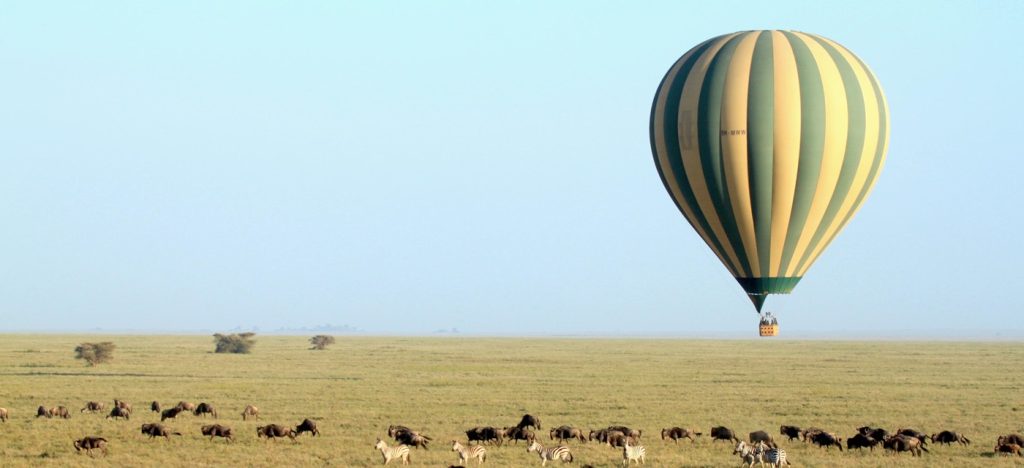
Booking early is essential, especially during peak season from June to October. Lodges, camps, and fly-in flights within the Serengeti or Ngorongoro often fill months in advance. For mid-range and luxury safaris, a 6–12 month booking window is recommended to secure the best accommodations and preferred locations. Early planning also allows for itinerary adjustments and ensures availability of guides, vehicles, and optional activities such as hot-air balloon safaris.
Understanding Driving Times Between Parks
Driving times in Tanzania can be longer than expected due to road conditions, wildlife stops, and seasonal factors. Typical drives include 2–3 hours from Arusha to Tarangire, 4–6 hours from Karatu to Serengeti, and 3–4 hours from Serengeti to Ngorongoro. Planning drives with buffer time allows for game viewing along the way, breaks for meals, and unexpected delays. Factoring in realistic travel times ensures a comfortable pace and prevents fatigue during your safari.
Overview of Tanzania’s Northern Circuit Parks
Tanzania’s Northern Circuit is the most popular safari route because it combines iconic wildlife, varied landscapes, and accessible travel distances. The circuit includes Tarangire, Lake Manyara, Serengeti, and Ngorongoro Crater, each offering unique experiences. While some travelers attempt shorter safaris, spending at least 7 days allows you to explore multiple parks meaningfully without feeling rushed. Each park presents different habitats, from dense forests and baobab-dotted savannahs to vast plains and volcanic craters.
Tarangire National Park is renowned for its large elephant herds and towering baobab trees. Its seasonal river attracts wildlife, making it an excellent introduction to safari. Lake Manyara National Park contrasts with Tarangire through its lush forested slopes, flamingo-filled waters, and occasional tree-climbing lions. This park is ideal for birdwatchers and photographers seeking diverse wildlife within a smaller area.
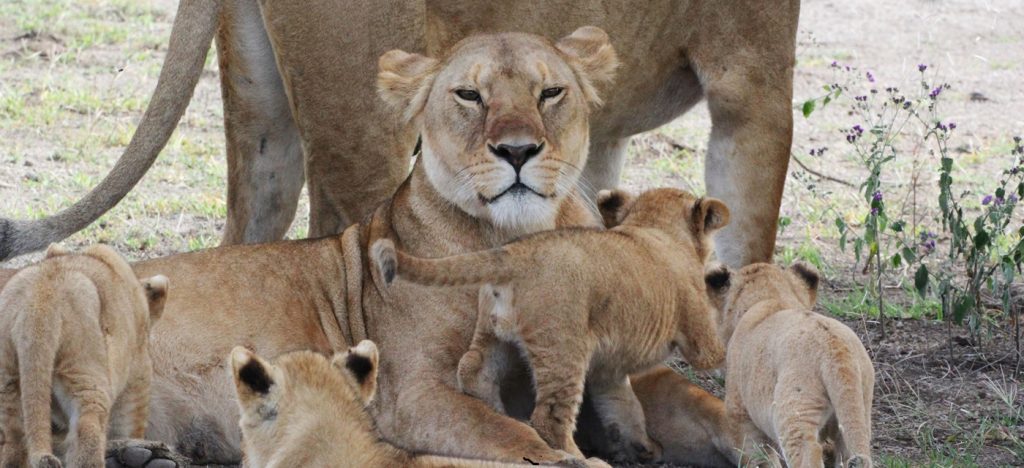
The Serengeti is the centerpiece of the Northern Circuit. Its endless plains host a high density of predators and prey, and it is the heart of the Great Migration. Spending at least two nights here increases your chances of seeing lions, cheetahs, leopards, and other iconic African wildlife. Northern and southern regions of the park offer different seasonal highlights, from river crossings to calving grounds.
Ngorongoro Crater provides a dramatic conclusion to the circuit. The 600-meter deep volcanic caldera supports one of the highest concentrations of wildlife in Africa, including the elusive black rhino. Game drives in the crater allow close wildlife viewing in a compact area, contrasting with the wide-open Serengeti plains.
A well-planned Northern Circuit safari balances time across these parks, giving travelers a full picture of Tanzania’s rich biodiversity, landscapes, and wildlife behaviors. This combination makes it ideal for first-time visitors and returning safari enthusiasts alike.
Tarangire National Park Highlights
Tarangire National Park is famous for its massive elephant herds and iconic baobab trees. Wildlife congregates around the seasonal Tarangire River, making it a prime location for game viewing, especially during the dry season from June to October. Visitors can also spot giraffes, zebras, wildebeest, and predators like lions and leopards. The park’s varied landscapes, from open plains to riverine forests, provide excellent photographic opportunities and a gentle introduction to safari life.
Lake Manyara at a Glance
Lake Manyara National Park offers a striking contrast to Tarangire. The park is smaller but highly diverse, with dense forest, grassy floodplains, and the shallow alkaline lake that attracts thousands of flamingos seasonally. It is also famous for its tree-climbing lions, which are occasionally seen resting on acacia branches. Birdwatchers and photographers appreciate the park’s compact size, which allows for concentrated wildlife spotting within a half-day or full-day visit.
Serengeti National Park Overview
The Serengeti is the centerpiece of any Northern Circuit safari. Its vast plains stretch for thousands of square kilometers, supporting large populations of lions, cheetahs, leopards, elephants, and other wildlife. The park is the primary stage for the Great Migration, which brings dramatic predator-prey interactions to life. Spending at least two nights in the Serengeti ensures you can explore multiple regions, from the central Seronera area to the northern or southern plains depending on the season, maximizing the chance of witnessing rare wildlife events.
Ngorongoro Crater Explained
Ngorongoro Crater is a UNESCO World Heritage Site and one of Africa’s most iconic safari locations. This 600-meter deep volcanic caldera hosts an extraordinary concentration of wildlife, including lions, elephants, buffalo, zebras, and the critically endangered black rhino. The crater’s compact size allows for dense wildlife viewing in a short period, making it ideal for a full-day game drive. The surrounding highlands offer lodges and viewpoints that provide sweeping vistas over the crater floor, creating some of the most memorable safari landscapes in Tanzania.
Understanding the Great Migration (What You Need to Know)
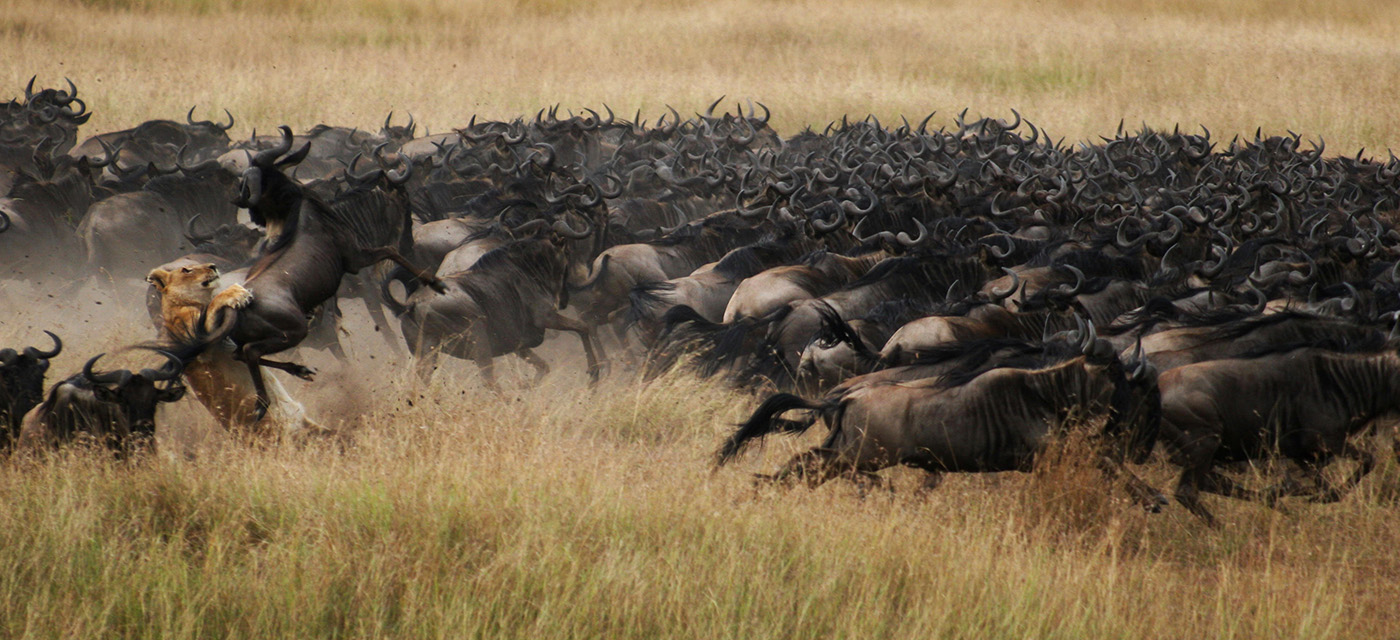
The Great Migration is one of the most extraordinary wildlife events in the world. It involves millions of wildebeest, zebras, and gazelles moving across the Serengeti-Mara ecosystem in search of fresh grazing and water. This continuous movement creates a dynamic and ever-changing wildlife spectacle, with predators like lions, cheetahs, and hyenas following the herds. Understanding the migration cycle is key to planning a safari that aligns with your wildlife viewing goals and ensures you are in the right place at the right time.
While the migration is predictable in general terms, the exact movement of the herds varies each year depending on rainfall and grazing conditions. Travelers should not expect to see every stage of the migration in one trip. Even outside peak migration areas, the Serengeti is home to abundant wildlife year-round, so every safari can be rewarding.
Planning around the Great Migration requires knowledge of the timing and locations of the herds, as well as flexibility in your itinerary. Whether you are visiting during calving season in the southern plains or river crossing season in the north, understanding these patterns can greatly enhance your safari experience.
What Is the Great Migration?
The Great Migration is the seasonal movement of over 1.5 million wildebeest, accompanied by hundreds of thousands of zebras and gazelles, across Tanzania’s Serengeti and Kenya’s Maasai Mara. This annual journey follows the availability of water and grazing and is one of the largest mammal migrations in the world. Predators closely follow the herds, creating dramatic wildlife encounters throughout the year.
Migration by Month Breakdown
- December to March: Southern Serengeti and Ndutu experience calving season, attracting predators.
- April to May: Herds start moving northwest as the rains shift grazing areas.
- June to July: Herds reach the Western Corridor, providing excellent predator viewing.
- August to October: Northern Serengeti and Maasai Mara river crossings occur, offering dramatic scenes.
- November: Movement begins southward again as the dry season approaches.
Best Areas to See the Migration
The Serengeti is divided into central, northern, southern, and western regions. Calving season is best experienced in the southern Serengeti near Ndutu, while river crossings occur in the northern areas. Guides and lodges position travelers strategically to increase sightings, making region selection critical for migration-focused safaris.
Common Misconceptions About the Migration
Many travelers expect to see the full migration in one trip, but the herds move continuously across vast distances. Not every safari coincides with dramatic river crossings or calving events. Even outside peak migration areas, the Serengeti offers diverse wildlife encounters, so trips remain highly rewarding regardless of timing.
Best Time to Visit Tanzania for Safari
Choosing the right time to visit Tanzania can make a significant difference in your safari experience. The country’s climate is defined by two main seasons: the dry season and the wet season. Each period offers distinct advantages and influences wildlife behavior, road conditions, and overall costs. Understanding these seasonal variations helps you plan an itinerary that aligns with your wildlife viewing goals and travel preferences.
The dry season, which runs from June to October, is the most popular time for safaris. During this period, vegetation is sparse, making wildlife easier to spot. Animals gather around permanent water sources, and roads are generally in good condition for driving. This season also coincides with peak tourist months, meaning accommodations fill quickly and prices are higher. For first-time visitors or those seeking optimal game viewing, the dry season is usually recommended.
The wet season occurs from November to May, with short rains in November and December and long rains from March to May. The landscape becomes lush and green, creating beautiful photography opportunities. While some roads can become muddy, the wet season attracts migratory birds and provides a quieter, less crowded safari experience. Prices for lodges and camps are generally lower, and many camps offer seasonal specials during this time.
Some months are particularly noteworthy for wildlife events. January to March in the southern Serengeti and Ndutu region marks calving season, when thousands of wildebeest give birth and predators are active. June to October is ideal for river crossings in the northern Serengeti. Understanding these seasonal patterns allows travelers to select a timeframe that maximizes their chances of witnessing specific wildlife behaviors while balancing budget and comfort considerations.
June to October (Dry Season)
The dry season is the most popular time for a Tanzania safari. During these months, rainfall is minimal, making the roads easier to navigate and wildlife easier to spot. Vegetation is sparse, so animals gather around permanent water sources like rivers and watering holes. This concentration of wildlife provides excellent opportunities for photography and game viewing. The dry season is also ideal for seeing predators in action, as prey animals are easier to locate on the open plains.
January to March (Calving Season)
From January to March, the southern Serengeti and Ndutu region experience the calving season. Thousands of wildebeest give birth during this period, attracting lions, cheetahs, and hyenas. Predator activity is particularly high, offering dynamic wildlife encounters. The lush green landscapes during this time also provide stunning scenery, making it a favorite for photographers. However, some roads may be slippery due to occasional rains, so choosing the right accommodation and vehicle is important.
April and May (Green Season)
The green season, from April to May, is Tanzania’s long rainy period. The landscape becomes vibrant and lush, with fewer tourists visiting the parks. While some roads can be muddy and less accessible, this season offers a quieter, more intimate safari experience. Birdwatching is excellent during this time, and lodges often offer reduced rates or special packages. For travelers seeking fewer crowds and beautiful scenery, the green season can be an attractive option.
When Prices Are Highest and Lowest
Safari costs fluctuate throughout the year. The dry season from June to October typically commands the highest prices due to peak demand. Conversely, the green season from April to May and short rains in November and December often feature lower rates, making it more budget-friendly. Planning early and booking accommodations in advance can help secure the best deals while ensuring availability, especially in popular areas like the Serengeti and Ngorongoro Crater.
Dry Season vs Green Season: Pros and Cons
When planning a Tanzania safari, understanding the differences between the dry and green seasons is crucial. Each season offers unique advantages and challenges, affecting wildlife visibility, landscape scenery, crowd levels, and overall costs. Choosing the right season depends on your priorities, whether it’s seeing predators, photographing vibrant landscapes, or avoiding crowds. Comparing the dry and green seasons helps travelers make informed decisions for a memorable safari experience.
Wildlife Viewing Differences
The dry season, from June to October, offers the best wildlife viewing. Animals concentrate around rivers and permanent water sources, making it easier to spot elephants, lions, leopards, and other species. Predators are also more active and visible in the open plains. In contrast, the green season sees wildlife dispersed across lush landscapes with abundant grazing. While animals may be harder to locate, the green season provides opportunities to see newborns during calving season and observe unique behaviors in less crowded areas.
Landscape and Photography Conditions
During the dry season, the landscape is golden and open, allowing unobstructed views of wildlife against vast plains. Sunrises and sunsets create classic safari imagery. The green season transforms Tanzania into a vibrant, verdant environment with blooming flora and flowing rivers. Photographers benefit from dramatic scenery and the chance to capture wildlife in fresh, green habitats, though dense vegetation can sometimes obscure distant animals.
Crowds and Availability
The dry season coincides with peak tourist months, meaning parks, lodges, and camps can be crowded. Popular safari destinations such as the Serengeti and Ngorongoro may feel busy, and booking in advance is essential. The green season is quieter, with fewer tourists and more availability in lodges and camps. Travelers seeking a peaceful and intimate safari experience often prefer the green season for this reason.
Cost Differences
Safari prices are higher during the dry season due to peak demand and premium wildlife viewing opportunities. Accommodation rates, park fees, and flights may all be elevated. Conversely, the green season typically offers lower prices, with seasonal discounts on lodges and safari packages. For travelers on a budget, visiting during the green season provides excellent value without compromising the overall safari experience.
How Much Does a 7–10 Day Tanzania Safari Cost?
Tanzania safari costs can vary widely depending on the number of days, accommodation style, transport options, and season of travel. A realistic budget considers park fees, guides, vehicle rental, meals, and optional activities such as hot air balloon rides or cultural visits. Understanding the factors that influence pricing helps travelers plan without surprises and ensures the chosen safari aligns with both expectations and budget.
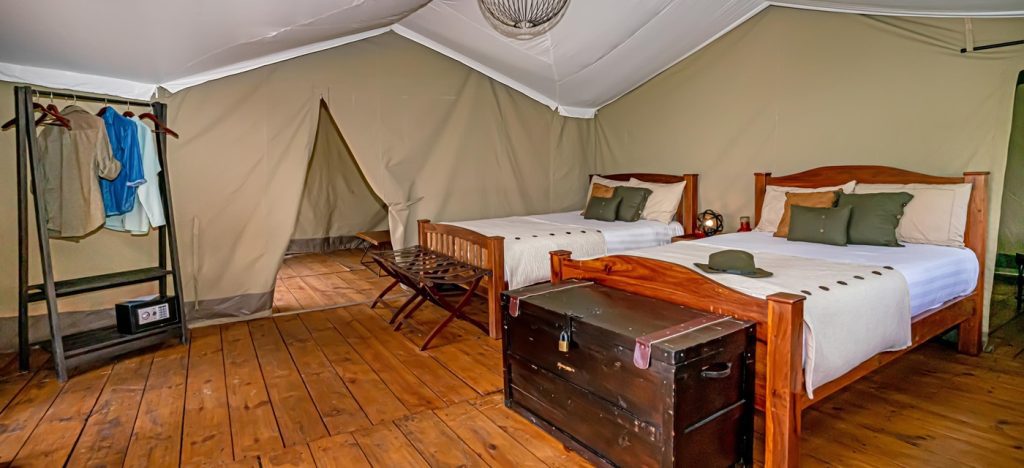
For a 7-day safari, budget travelers can expect to spend between $1,800 and $2,500 per person. This typically includes basic lodges or camps, shared safari vehicles, and standard meals. Mid-range safaris usually range from $2,800 to $4,200 per person, offering en-suite tented camps or lodges, private guides, and more comfort during game drives. Luxury safaris can exceed $5,000 per person, featuring premium lodges, fly-in options, and exclusive experiences.
Several factors influence the overall cost. Accommodation level is a major determinant, as luxury lodges and prime-location camps are significantly more expensive than budget options. Transport choice also matters; fly-in safaris reduce long drives but increase cost, while self-drive or land transfer options are cheaper but require more travel time. Seasonal timing affects pricing as well, with peak months from June to October commanding higher rates, while green season months are more affordable.
Park fees are a fixed component that can add $700 to $900 per person for a 7-day itinerary. Other variables, such as tipping guides, optional activities, and internal flights, should also be factored in. Planning ahead and comparing packages allows travelers to select the best value without compromising the safari experience, ensuring both adventure and comfort.
Average Cost Per Day
The daily cost of a Tanzania safari depends largely on accommodation, vehicle type, and inclusions. Budget travelers can expect to spend around $250–$350 per person per day, which usually covers basic lodges or camps, shared safari vehicles, park fees, and meals. Mid-range options range from $400–$600 per day, offering private guides, en-suite accommodations, and additional activities. Luxury safaris can exceed $800–$1,200 per day, including premium lodges, fly-in transfers, and exclusive experiences such as hot air balloon safaris over the Serengeti.
What Drives Safari Prices Up
Several factors contribute to higher safari costs. Luxury accommodations and prime-location camps near key wildlife areas significantly increase prices. Private safari vehicles and personal guides also add to the total. Seasonal demand during peak months from June to October drives rates up, as does inclusion of extra activities like balloon rides, walking safaris, or cultural visits. Internal flights between parks reduce driving time but further increase the cost of a trip.
Seasonal Price Variations
Safari prices fluctuate with Tanzania’s tourism seasons. The dry season from June to October is the most expensive due to optimal wildlife viewing, higher demand, and limited availability. Conversely, the green season from April to May and short rains in November and December are less crowded and offer lower rates on accommodation and safari packages. Booking in advance during peak months is essential to secure preferred lodges and camps at reasonable rates.
Sample Cost Scenarios (7, 8, 9, 10 Days)
- 7-Day Safari: $1,800–$5,000 per person, depending on budget or luxury level.
- 8-Day Safari: $2,200–$5,800 per person; allows extra time in Serengeti or Ngorongoro.
- 9-Day Safari: $2,600–$6,500 per person; ideal for extended wildlife exploration and migration viewing.
- 10-Day Safari: $3,000–$7,500+ per person; maximizes time in multiple parks and offers more relaxed travel pace.
These scenarios provide realistic expectations for planning a safari that balances cost, comfort, and wildlife experience.
What Is Included in a Tanzania Safari Package
A Tanzania safari package typically bundles essential elements to make your trip seamless and enjoyable. Most packages include park fees, accommodation, meals, a safari vehicle, and a professional guide. By combining these elements, travelers can focus on wildlife viewing and photography without worrying about day-to-day logistics. Understanding what is included—and what is not—helps you plan a realistic budget and prevents unexpected expenses during your trip.
Park fees are almost always included in safari packages. These cover entry to national parks and game reserves, as well as conservation charges. Accommodation ranges from budget camps to luxury lodges, depending on your package choice, and meals are usually provided, often as breakfast, lunch, and dinner at lodges or during game drives.
A safari vehicle and driver-guide form the backbone of any itinerary. Packages generally include a 4×4 vehicle equipped for game viewing, with a knowledgeable guide who provides insight into wildlife behavior, park history, and safety precautions. Some packages also include airport transfers and internal flights between parks, which can significantly reduce travel time and improve comfort.
Optional extras are often available but not automatically included. Hot air balloon safaris, walking safaris, cultural village visits, and special photographic safaris typically carry additional costs. Alcohol, personal expenses, and tips for guides and lodge staff are usually not included, so it is important to budget for these separately.
Overall, a well-structured safari package provides a comprehensive experience, covering logistics, accommodations, meals, park access, and expert guidance. Understanding inclusions helps travelers choose a package that meets their expectations and ensures a smooth, memorable safari experience.
Park Fees and Conservation Charges
Most Tanzania safari packages include park fees and conservation charges. These cover entry to national parks and game reserves, helping support wildlife protection and park maintenance. Park fees vary by location, with Serengeti and Ngorongoro Crater generally being higher than Tarangire or Lake Manyara. Including these fees in a package ensures there are no surprises upon arrival and allows visitors to focus on the safari experience.
Accommodation and Meals
Accommodation and meals are usually included in safari packages, ranging from budget camps to luxury lodges. Lodges typically provide breakfast, lunch, and dinner, often prepared with fresh local ingredients. Meals during game drives are usually packed or served at designated picnic spots. The level of comfort and style of accommodation will influence the overall cost of the safari, but all options provide a place to rest and recharge after long days of wildlife viewing.
Guide and Vehicle Costs
A professional driver-guide and a 4×4 safari vehicle are central to the safari experience. Guides offer expertise on wildlife behavior, park navigation, and safety, enhancing the overall experience. Vehicles are usually equipped with pop-up roofs for game viewing and photography. The cost of the guide and vehicle is included in most packages, ensuring that travelers can focus on spotting animals and enjoying the journey without logistical concerns.
What Is Usually Not Included
Some items are generally not included in standard safari packages. These often include tips for guides and lodge staff, alcohol and beverages, personal expenses, and optional activities such as hot air balloon rides, walking safaris, or cultural visits. Understanding what is excluded allows travelers to budget appropriately and avoid unexpected costs while on safari.
Private Safari vs Group Safari: Which Is Better
Deciding between a private safari and a group safari is an important choice that affects cost, flexibility, and overall experience. Private safaris offer personalized itineraries, exclusive vehicles, and the ability to move at your own pace. Group safaris, on the other hand, are shared with other travelers, which can reduce costs and create a social atmosphere. Understanding the differences helps travelers select the option that aligns with their priorities.
Cost Differences
Private safaris are generally more expensive because you are paying for an entire vehicle, guide, and sometimes accommodations. Group safaris split these costs among several participants, making them more budget-friendly. Travelers should weigh the benefits of privacy and flexibility against the savings of sharing the experience.
Flexibility and Customization
A private safari allows full control over the daily itinerary, including start times, destinations, and activity choices. This is especially valuable for photographers or those with specific wildlife interests. Group safaris follow a set schedule, which can be limiting but ensures that you experience the highlights of each park efficiently.
Comfort and Privacy
Private safaris offer a higher level of comfort and privacy, as you share the vehicle only with your party. This allows for quieter drives and personalized attention from guides. Group safaris may involve more people in a single vehicle, which can limit space and flexibility but can also be enjoyable for travelers who like meeting new people.
Who Should Choose Each Option
Private safaris are best for families, couples, or small groups who value exclusivity and are willing to pay a premium. Group safaris are ideal for solo travelers, budget-conscious tourists, or those who enjoy a social safari experience while still seeing the country’s major highlights.
7-Day Tanzania Safari Itinerary Overview
A 7-day Tanzania safari provides a well-paced introduction to the country’s Northern Circuit. It allows travelers to experience Tarangire, Lake Manyara, Serengeti, and Ngorongoro Crater without feeling rushed. This itinerary balances game drives, travel time, and rest periods, ensuring a comfortable yet fulfilling safari experience.
Route Map Overview
Most 7-day safaris start in Arusha, travel through Tarangire and Lake Manyara, spend multiple nights in the Serengeti, and conclude at Ngorongoro Crater before returning to Arusha. This route minimizes driving while maximizing wildlife viewing opportunities.
Key Wildlife Highlights
Travelers can expect to see elephants, lions, cheetahs, giraffes, zebras, wildebeest, and a variety of bird species. The Serengeti offers high predator density and, depending on the season, opportunities to witness the Great Migration.
Driving Distances Explained
Driving times are factored into the itinerary to avoid fatigue. Typical transfers include 2–3 hours from Arusha to Tarangire, 1–2 hours from Tarangire to Lake Manyara, and 4–6 hours from Lake Manyara to the Serengeti. Planning these transfers ensures you spend more time on game drives rather than in the vehicle.
Detailed 7-Day Tanzania Safari Breakdown (Day-by-Day)
A detailed day-by-day itinerary helps travelers understand how each day is structured, including park visits, game drives, and travel logistics. Spending at least two nights in the Serengeti is recommended for optimal wildlife viewing, while Ngorongoro Crater provides a unique close-up wildlife experience in a compact area.
Day 1: Arrival in Arusha
Guests arrive at Kilimanjaro International Airport and are transferred to their lodge near Arusha. The day is typically spent resting, preparing for the safari, and meeting guides for itinerary briefing.
Day 2: Tarangire National Park
A full-day game drive in Tarangire focuses on elephant herds, baobab trees, and predator spotting. The day ends with an overnight stay at a nearby lodge or tented camp.
Day 3–4: Serengeti National Park
Travel to the Serengeti includes game viewing en route. Two nights allow for morning and afternoon game drives, maximizing the chance to see lions, cheetahs, and large herds of wildebeest and zebras.
Day 5: Serengeti to Ngorongoro
After morning game drives, the safari moves toward Ngorongoro Crater. Travelers enjoy scenic drives and an evening at a lodge overlooking the crater rim.
Day 6: Ngorongoro Crater
A full-day game drive in the crater allows close wildlife encounters, including elephants, buffalo, rhinos, and lions. Guides provide insight into the unique ecosystem and crater geology.
Day 7: Departure
Travel back to Arusha for onward flights. Some itineraries include optional visits to local villages or cultural sites before departure.
8-Day Tanzania Safari Itinerary Overview
Adding an extra day to a 7-day itinerary allows for a slower pace and additional wildlife experiences. This itinerary is ideal for travelers wanting more time in the Serengeti or the chance to explore less-visited areas like the Western Corridor.
Where to Add the Extra Day
The eighth day can be added to the Serengeti or include a full day in Tarangire or Lake Manyara to avoid rushing between parks. This allows for extended game drives and wildlife photography.
Slower Travel Benefits
An additional day reduces travel fatigue, giving travelers time to enjoy lodges, meals, and early morning or evening drives without rushing.
Extra Serengeti Time
Spending more time in the Serengeti increases the likelihood of witnessing predator activity, migratory herds, and diverse wildlife interactions across different regions.
How an Extra Day Changes Your Safari Experience
Even one extra day can significantly enhance a safari. It allows for flexibility, more wildlife encounters, and a relaxed pace. Travelers can focus on areas of personal interest, such as birdwatching, photography, or observing the Great Migration.
Reduced Driving Fatigue
With an extra day, long transfers are broken up into shorter segments, making the trip less exhausting and more enjoyable.
Increased Wildlife Sightings
More time in each park increases the chances of seeing elusive predators, newborn animals during calving season, and large herds of herbivores.
Better Photography Opportunities
Additional game drives provide more light conditions and opportunities to capture wildlife in varied landscapes, enhancing the overall safari experience.
More Relaxed Evenings
Extra time allows for leisurely evenings at lodges or camps, enjoying the surroundings, local cuisine, and scenic sunsets.
9-Day Tanzania Safari Itinerary
A 9-day Tanzania safari is ideal for travelers seeking a more immersive experience. By extending the itinerary beyond seven or eight days, guests can explore multiple parks in greater depth and include off-the-beaten-path areas such as the Western Serengeti or additional game-rich sections of Tarangire and Lake Manyara. The extra day allows for longer game drives, early morning and evening wildlife observations, and the flexibility to adjust plans according to seasonal conditions or specific wildlife interests.
Most 9-day itineraries follow the Northern Circuit but provide more time in the Serengeti and Ngorongoro Crater. Travelers often spend three nights in the Serengeti, giving ample opportunity to witness predator activity, migratory herds, or seasonal events such as calving. The extra day also allows for a relaxed approach to travel between parks, breaking long drives into manageable segments and reducing fatigue.
Accommodation can vary based on budget, but mid-range and luxury lodges are recommended for longer itineraries to ensure comfort during extended travel. Optional experiences like hot air balloon safaris, walking safaris, or cultural visits can be easily integrated without disrupting the main game drives. The 9-day safari is particularly suitable for families, photography enthusiasts, and wildlife lovers who want a comprehensive, unhurried experience while covering all major highlights of Tanzania’s Northern Circuit.
Day-by-Day 9-Day Safari Breakdown
Day 1: Arrival in Arusha – Arrive at Kilimanjaro International Airport and transfer to your lodge. The day is spent resting, preparing for the safari, and meeting your guide for an itinerary briefing.
Day 2: Tarangire National Park – Enjoy a full day exploring Tarangire’s elephant herds, baobab forests, and abundant wildlife. Overnight at a nearby camp or lodge.
Day 3: Lake Manyara – Spend the day in Lake Manyara National Park, observing tree-climbing lions, flamingos, and diverse birdlife. Evening transfer to Karatu or nearby lodge.
Day 4–6: Serengeti National Park – Three nights in the Serengeti allow multiple morning and evening game drives. Focus on predator spotting, herds of wildebeest, and seasonal highlights depending on migration patterns.
Day 7: Western Serengeti or Optional Excursion – Explore less-visited areas or additional regions for migration sightings, offering unique wildlife experiences.
Day 8: Ngorongoro Crater – Full-day game drive in the crater with close encounters with elephants, buffalo, lions, and rhinos. Overnight at a lodge on the crater rim.
Day 9: Departure from Arusha – Travel back to Arusha for your onward flight, optionally stopping at local villages or cultural sites before departure.
10-Day Tanzania Safari Itinerary
A 10-day Tanzania safari offers the ultimate Northern Circuit experience, providing a perfect balance between wildlife exploration, relaxation, and immersion in Africa’s iconic landscapes. With this extended itinerary, travelers can spend more time in each park, witness seasonal wildlife events, and explore lesser-known regions of the Serengeti or Tarangire, creating a deeper and more flexible safari adventure. The longer duration also allows for a comfortable pace, ensuring travelers are not rushed between parks and can fully enjoy early morning and late afternoon game drives.
Most 10-day itineraries begin in Arusha, with transfers to Tarangire and Lake Manyara, followed by three to four nights in the Serengeti, and a full-day game drive in Ngorongoro Crater. Some itineraries include optional excursions to the Western Serengeti or northern regions where river crossings occur during migration season. The extended schedule allows for additional wildlife observation and more relaxed travel, giving guests time to experience both the iconic and hidden aspects of each park.
Accommodation varies from budget to luxury, with mid-range or luxury lodges often recommended for comfort during longer stays. The extra days also provide opportunities to include optional activities such as hot air balloon safaris, guided walking safaris, or cultural visits. The 10-day safari is particularly suited for photography enthusiasts, families, and wildlife lovers who want a comprehensive and unhurried exploration of Tanzania’s most famous parks and natural wonders.
Day-by-Day 10-Day Safari Breakdown
Day 1: Arrival in Arusha – Arrive at Kilimanjaro International Airport and transfer to a lodge near Arusha. The day is spent resting and meeting your guide for a briefing.
Day 2: Tarangire National Park – Full-day game drives focusing on elephants, baobab trees, and predators. Overnight at a nearby lodge or camp.
Day 3: Lake Manyara National Park – Explore the park’s forested slopes, flamingo-filled lake, and tree-climbing lions. Overnight in Karatu or nearby lodge.
Day 4–7: Serengeti National Park – Four nights in the Serengeti allow for in-depth exploration, morning and evening game drives, and optional excursions to the Western or Northern Serengeti depending on the season.
Day 8: Optional Excursion or Migration-Focused Safari – Focus on migration hotspots or visit less-traveled areas for unique wildlife encounters.
Day 9: Ngorongoro Crater – Full-day game drive within the crater with close encounters of elephants, rhinos, lions, and buffalo. Overnight at a crater rim lodge.
Day 10: Departure from Arusha – Travel back to Arusha for your onward flight, with optional cultural stops along the way.
Transport Options on a Tanzania Safari
Efficient transport is one of the most important aspects of a successful safari. Tanzania’s parks are spread across large distances, so choosing the right mode of travel ensures comfort, maximizes game viewing, and reduces fatigue. Safari transport typically includes 4×4 vehicles, domestic flights, and occasionally private transfers or shuttle services. Understanding each option helps travelers make informed choices that match their itinerary, budget, and desired experience.
Most land-based safaris use 4×4 vehicles with pop-up roofs, which provide excellent visibility for game drives and photography. Vehicles are typically equipped with sufficient space for luggage, water, and binoculars, and are driven by professional guides who double as wildlife experts. This option allows flexibility in routing, stops for wildlife sightings, and the ability to navigate unpaved or rugged roads.
Domestic flights, also called fly-in safaris, connect major parks such as Serengeti, Ngorongoro, and Tarangire. Flying saves time, reduces long drives, and allows for more days in the parks rather than on the road. This is especially useful for 7–10 day safaris where maximizing wildlife encounters is a priority. Flights can be booked in advance or included as part of a safari package, often at additional cost.
Private transfers and shuttle services are occasionally used for airport pick-ups or between certain lodges. They offer convenience but are less flexible for wildlife stops compared to 4×4 game vehicles. Ultimately, the choice of transport depends on priorities, whether it’s time efficiency, comfort, or maximizing game drive experiences.
Perfect! I see you’ve listed the H3 subheadings with the descriptions. Here’s a polished version formatted for your blog with each subheading clearly separated and ~150 words each as requested:
4×4 Safari Vehicles
4×4 vehicles are the backbone of most Tanzania safaris. These specially equipped vehicles usually feature open-roof designs, allowing passengers unobstructed views of wildlife and landscapes for photography or observation. They are driven by professional guides who are knowledgeable about animal behavior, park navigation, and safety protocols. Guides can adjust routes and stops depending on wildlife sightings, ensuring travelers have the best possible experience. These vehicles are also equipped to handle rough and unpaved roads, making them suitable for all weather conditions and remote areas. For travelers seeking an immersive safari, 4×4 vehicles provide flexibility to explore at your own pace, stop for wildlife interactions, and reach hidden or less-visited locations that are often inaccessible by standard transport.
Domestic Flights (Fly-In Safaris)
Fly-in safaris connect major parks such as the Serengeti, Ngorongoro, and Tarangire, saving significant travel time. They are particularly useful for 7–10 day itineraries, allowing more time in each park rather than spending hours on the road. Fly-in safaris are ideal for travelers with limited time, those seeking comfort, or anyone wanting to maximize wildlife encounters in remote areas. Flights must be booked in advance, especially during peak season, to secure seats and coordinate with lodges. While more expensive than land transfers, fly-in safaris reduce fatigue, avoid long drives on bumpy roads, and provide a bird’s-eye perspective of Tanzania’s iconic landscapes.
Private Transfers and Shuttle Services
Private transfers and shuttle services are typically used for airport pick-ups, drop-offs, or short distances between lodges. While convenient and reliable, they offer limited wildlife viewing compared to 4×4 safari vehicles. These transfers are ideal for pre- or post-safari travel, ensuring smooth logistics for arrivals and departures. Travelers can relax without navigating roads or worrying about directions, making transfers especially useful for families, older guests, or those with tight schedules. They complement the main safari experience rather than replacing dedicated game drives, providing comfort and efficiency during non-safari segments of the trip.
Choosing the Right Transport Option
Selecting the right transport option depends on your priorities, whether it’s comfort, time efficiency, or maximizing wildlife encounters. Many travelers combine road transfers with fly-in safaris, allowing them to enjoy flexibility and convenience while covering multiple parks. For shorter itineraries, fly-ins save valuable time, while 4×4 vehicles allow longer, immersive game drives and scenic stops along the way. Private transfers are useful for logistics but do not replace the experience of a guided vehicle in the parks. Understanding each option helps travelers balance cost, comfort, and adventure for a seamless and memorable safari.
What to Pack for Your Tanzania Safari
Packing appropriately is essential for a comfortable and successful Tanzania safari. The right gear ensures you are prepared for variable weather, long game drives, and diverse wildlife encounters. Since safaris involve outdoor activities and early mornings, thoughtful packing improves both safety and enjoyment. Knowing what to bring also prevents last-minute purchases or discomfort during your trip.
Tanzania experiences warm days, cool mornings, and occasional rain, so layering clothing is important. Lightweight, breathable clothing in neutral colors such as khaki, beige, or olive is recommended to blend with the environment and avoid attracting insects or disturbing wildlife. Long sleeves and trousers help protect against sunburn, mosquitoes, and thorny vegetation. Comfortable walking shoes or boots with good grip are essential for uneven terrain and short walking safaris.
Accessories like hats, sunglasses, and sunscreen protect from intense sun, while a warm fleece or jacket is necessary for early morning and evening drives when temperatures drop. Binoculars, cameras with telephoto lenses, and extra memory cards are essential for capturing wildlife. A small daypack, reusable water bottle, insect repellent, and personal medications complete the essentials.
Travelers should avoid bright colors, heavy perfumes, or overly flashy items, as they can disrupt wildlife and attract unwanted attention from insects. Finally, packing light is advisable, as safari vehicles have limited storage space, and internal flights often restrict luggage weight. Being prepared ensures a comfortable, safe, and immersive safari experience.
Clothing Essentials
Neutral-colored, lightweight clothing is key for blending into the environment and staying comfortable. Long sleeves, trousers, and layers protect against sun, insects, and variable temperatures. Comfortable walking shoes are recommended for short bush walks.
Photography and Optics Gear
Binoculars and cameras with zoom lenses are essential for capturing wildlife from a safe distance. Extra batteries, memory cards, and protective cases ensure you don’t miss critical moments during game drives.
Personal Items and Health Essentials
Sunscreen, hats, sunglasses, insect repellent, reusable water bottles, and personal medications are crucial. A small daypack keeps items handy during long drives and park excursions.
Optional Accessories
Hot water bottles for early morning drives, lightweight scarves for dust protection, and journal or field guides for bird and wildlife identification enhance the safari experience.
Safari Safety Tips
Safety is a top priority on any Tanzania safari. While the country’s national parks are generally safe, being aware of potential risks and following expert guidance ensures a secure and enjoyable experience. Safari safety encompasses wildlife interactions, road travel, health precautions, and adherence to park regulations. Understanding these aspects allows travelers to focus on wildlife viewing without unnecessary concern.
Wildlife encounters are the main attraction, but animals are unpredictable and can be dangerous if approached too closely. Always stay inside the safari vehicle unless accompanied by a trained guide. Guides are skilled at reading animal behavior and positioning vehicles safely, ensuring minimal risk while providing optimal viewing opportunities. Do not attempt to feed or provoke wildlife, and maintain a safe distance at all times.
Road safety is also critical, as park roads are often unpaved and can become slippery during rain. Always wear seatbelts, follow your guide’s instructions, and avoid unnecessary movement while the vehicle is in motion. For fly-in safaris, adhere to airline luggage and safety regulations.
Health and personal safety are equally important. Drink bottled or filtered water, use insect repellent to prevent mosquito-borne diseases, and carry any necessary prescription medications. Sun protection, including hats and sunscreen, helps prevent heat-related issues. Always follow park rules, respect restricted areas, and keep emergency contacts accessible.
By following these safety measures, travelers can enjoy Tanzania’s wildlife and landscapes with confidence, ensuring a memorable and worry-free safari experience.
Wildlife Safety
Never leave the vehicle without your guide. Maintain safe distances from animals, avoid sudden movements or loud noises, and never attempt to feed or touch wildlife. Professional guides ensure safe and responsible interactions.
Road and Vehicle Safety
Wear seatbelts, avoid standing while the vehicle is moving, and follow the guide’s instructions. Be cautious on unpaved roads, especially after rain, to prevent accidents and ensure smooth transfers between parks.
Health Precautions
Carry personal medications, use insect repellent, and drink only bottled or filtered water. Sun protection with hats, sunglasses, and sunscreen is essential during long game drives under the hot African sun.
Emergency Preparedness
Keep important contacts, including lodge numbers and medical facilities, handy. Understand emergency protocols provided by guides and lodges for any unforeseen incidents during the safari.
Frequently Asked Questions (FAQs) About Tanzania Safaris
Planning a Tanzania safari often comes with many questions about logistics, wildlife, costs, and practicalities. This FAQ section addresses the most common concerns to help travelers prepare for a smooth, enjoyable, and memorable safari experience. Clear answers reduce uncertainty and help you make informed decisions about timing, accommodation, transport, and activities.
Tanzania safaris are highly customizable, but some general questions recur. Travelers often ask about the best time to visit, how many days are needed to see key wildlife, and whether to choose land transfers or fly-in options. Other common queries relate to packing essentials, safety precautions, tipping guidelines, and health considerations. Answering these questions in advance ensures visitors can focus on the adventure rather than logistics.
Understanding park fees, safari costs, and accommodation standards is also critical. Many first-time travelers are surprised by the variation in daily rates, the inclusion or exclusion of meals, and the differences between budget, mid-range, and luxury lodges. Knowing what is included in a package helps avoid unexpected expenses during the trip.
Finally, FAQs cover wildlife expectations and seasonal highlights. Many travelers want to know if they will see the Great Migration, predators, or rare species during their safari. Providing realistic expectations about what can be seen in 7–10 days ensures satisfaction and helps plan itineraries around personal interests, whether photography, family experiences, or wildlife-focused adventures.
How Many Days Are Ideal for a Tanzania Safari?
While 7 days can cover the Northern Circuit, 8–10 days offer a more relaxed pace and extra wildlife encounters. Longer itineraries allow for extended time in the Serengeti, Ngorongoro Crater, and optional excursions.
When Is the Best Time to Visit?
The dry season from June to October is ideal for wildlife viewing, while the green season (April–May) offers lush landscapes, fewer crowds, and lower prices. Seasonal events like calving or river crossings influence the best months to visit specific regions.
What Should I Pack?
Essential items include neutral-colored clothing, hats, sunscreen, comfortable walking shoes, binoculars, cameras, insect repellent, and personal medications. Layers are important for varying temperatures during game drives.
Are Tanzania Safaris Safe?
Yes, as long as travelers follow guides’ instructions, maintain safe distances from wildlife, adhere to park rules, and take health precautions. Guides and lodges prioritize visitor safety at all times.
What Is Typically Included in Safari Packages?
Packages generally include park fees, accommodations, meals, safari vehicles, and professional guides. Optional activities, tips, alcohol, and personal expenses are usually not included.
Can I See the Great Migration on a 7–10 Day Safari?
It depends on timing and location. Calving season occurs in the southern Serengeti (January–March), while river crossings happen in the north (June–October). Longer itineraries increase chances of witnessing key migration events.
Are Domestic Flights Worth It?
Fly-in safaris save travel time, allowing more days in the parks. They are ideal for shorter itineraries or travelers who want to avoid long drives between remote regions.
How Should I Budget for a Safari?
Daily costs vary from $250 per person for budget trips to $1,200+ for luxury experiences. Key factors include accommodation type, transport, season, park fees, and optional activities. Planning in advance ensures a realistic and manageable budget.